
Queen Elizabeth II's food preferences often sounded surprisingly modest, especially when it came to afternoon tea. Among the neat finger sandwiches and small cakes, one sweeter option stood apart: the jam penny, a tiny crustless sandwich reportedly reserved for special occasions.
The jam penny
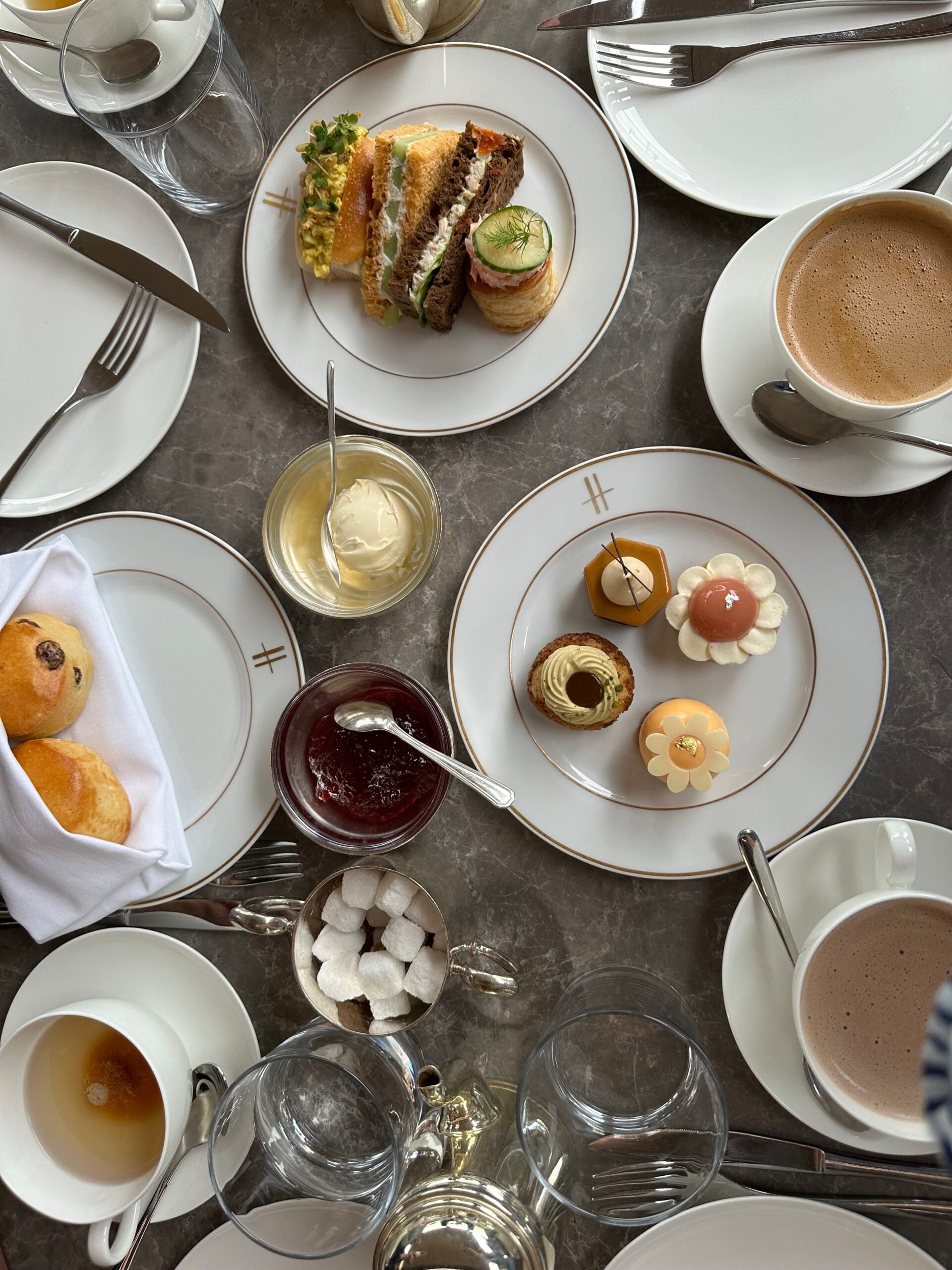
The sandwich most often linked to Queen Elizabeth II's special occasions was the jam penny, according to former royal chef Darren McGrady. He described it as bread with butter and jam, cut into circles about the size of an old British penny.
That detail matters because the jam penny was not just toast with preserves. It was prepared in the same polished style as classic afternoon tea sandwiches, with the crusts removed and the shape kept precise. The result looked delicate, almost childlike, but it still fit the formal rhythm of royal tea.
McGrady has said the Queen enjoyed these in the nursery as a girl and continued to have them later in life. That personal history helps explain why such a simple sandwich could be tied to special moments.
Why it was considered rare
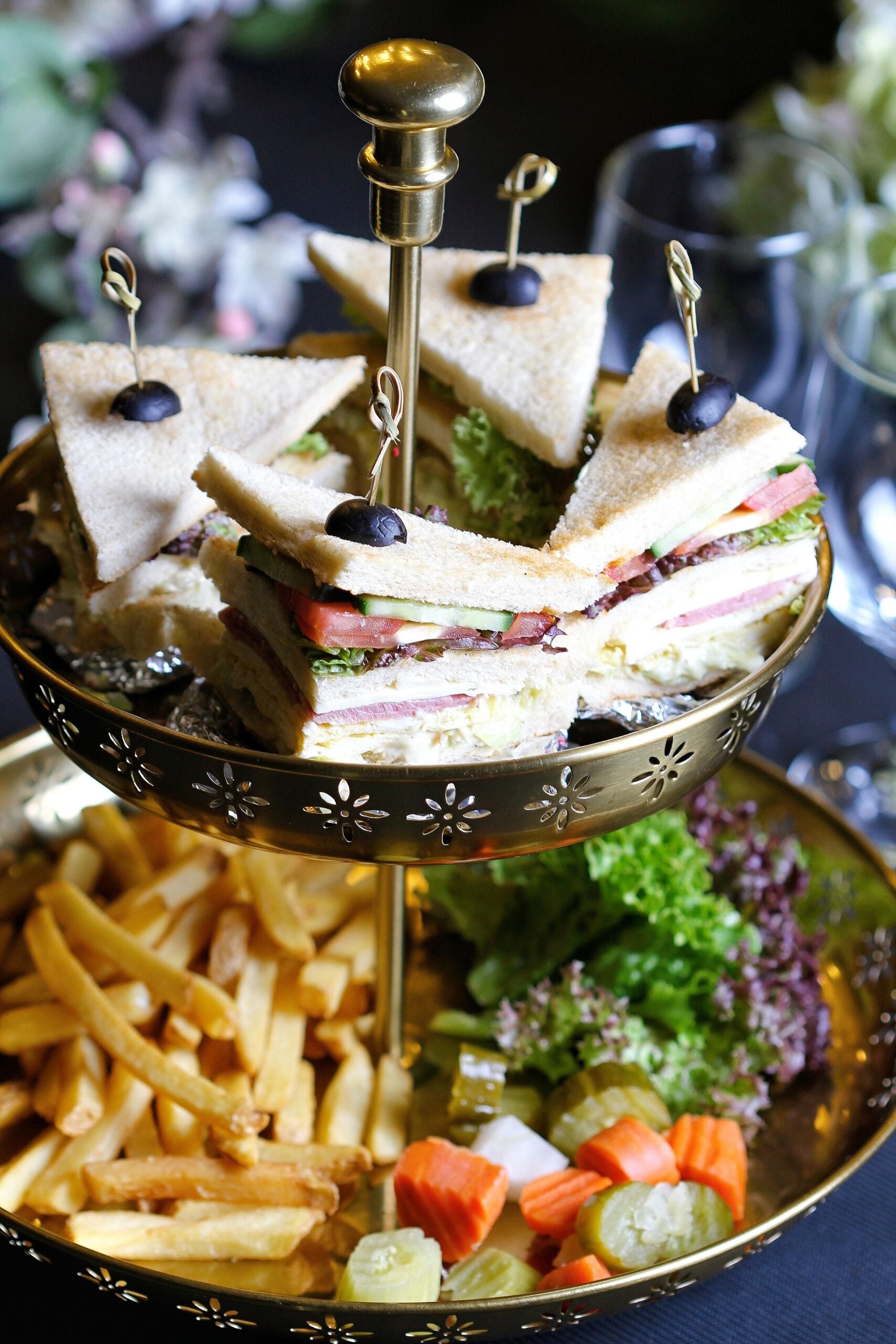
What made the jam penny feel rare was not exotic ingredients. It was the fact that it sat outside the savory tea sandwich lineup the Queen was better known for, such as cucumber, smoked salmon, egg mayonnaise, ham and mustard, and tuna.
In accounts from palace kitchens, the Queen's everyday tastes were often described as restrained and consistent. She preferred small portions and familiar dishes, which made a sweet, nostalgic tea sandwich feel more like a treat than a routine part of the tray.
Calling it a special occasion food also suggests context mattered as much as flavor. The jam penny carried a sense of ceremony, memory, and perhaps childhood comfort, all wrapped into one bite-sized round.
The bread, butter and jam
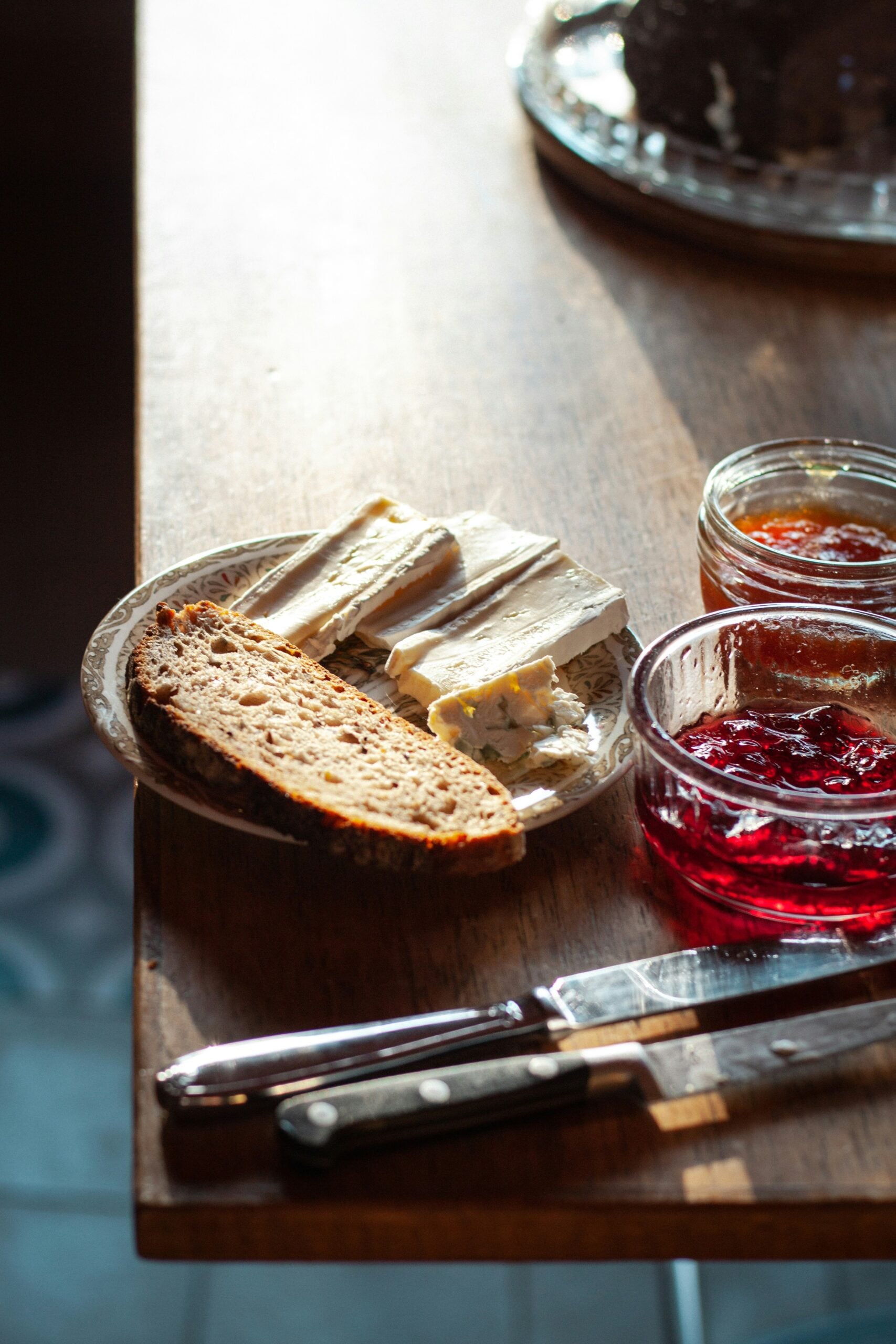
One reason the story has lasted is that the sandwich itself is easy to picture. Good white bread, a layer of butter, and jam were the essentials, then the sandwich was trimmed into small circles for a tidy finish.
McGrady has specifically referred to raspberry jam in descriptions of the Queen's afternoon tea. That fruit choice makes sense in British tea service, where berry preserves often appear with scones, toast, and pastries, but here the jam became the filling rather than the topping.
The butter mattered too. In a sandwich this simple, each part would have been noticeable, and the butter created a barrier that helped keep the bread from becoming soggy.
How it fit into royal tea
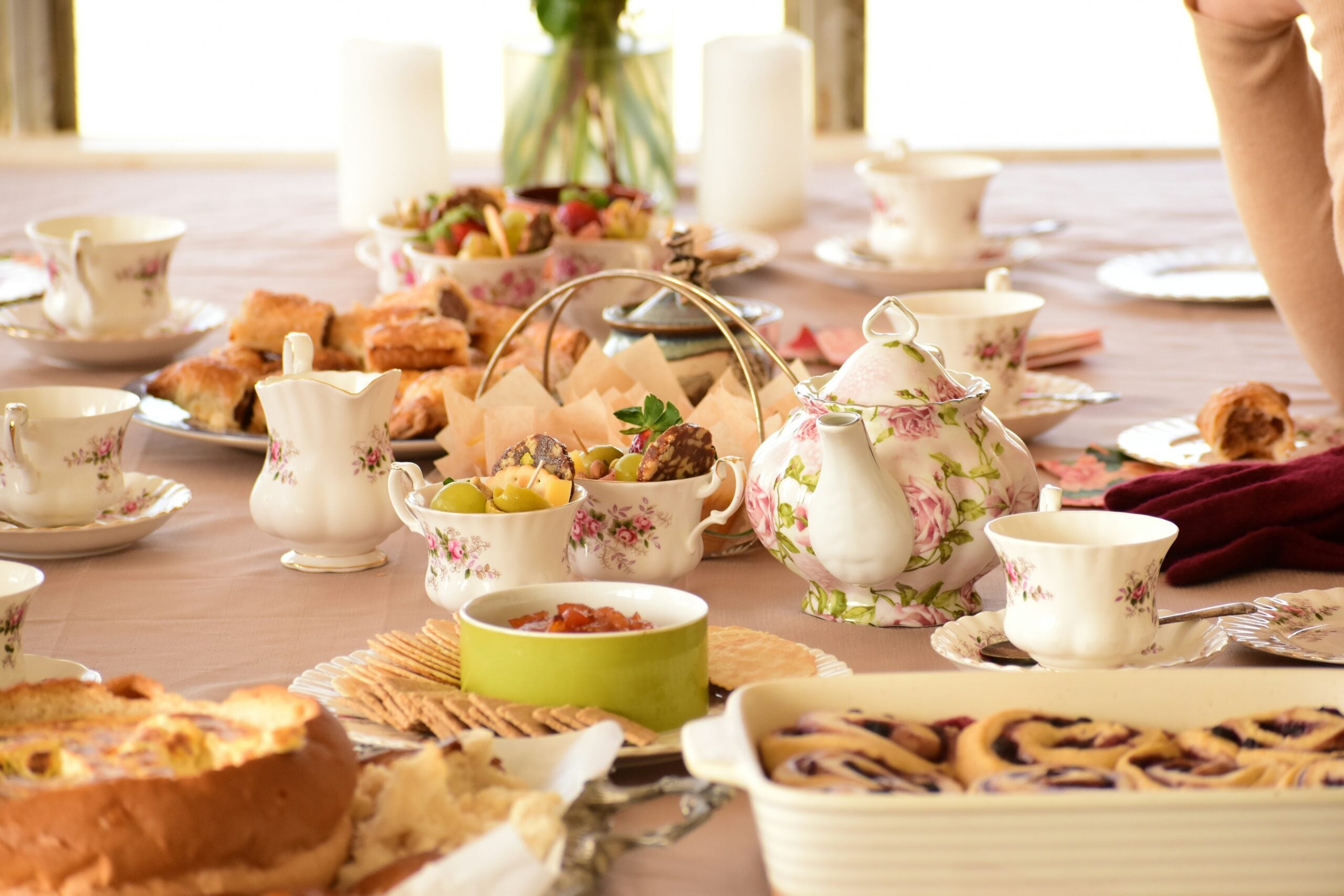
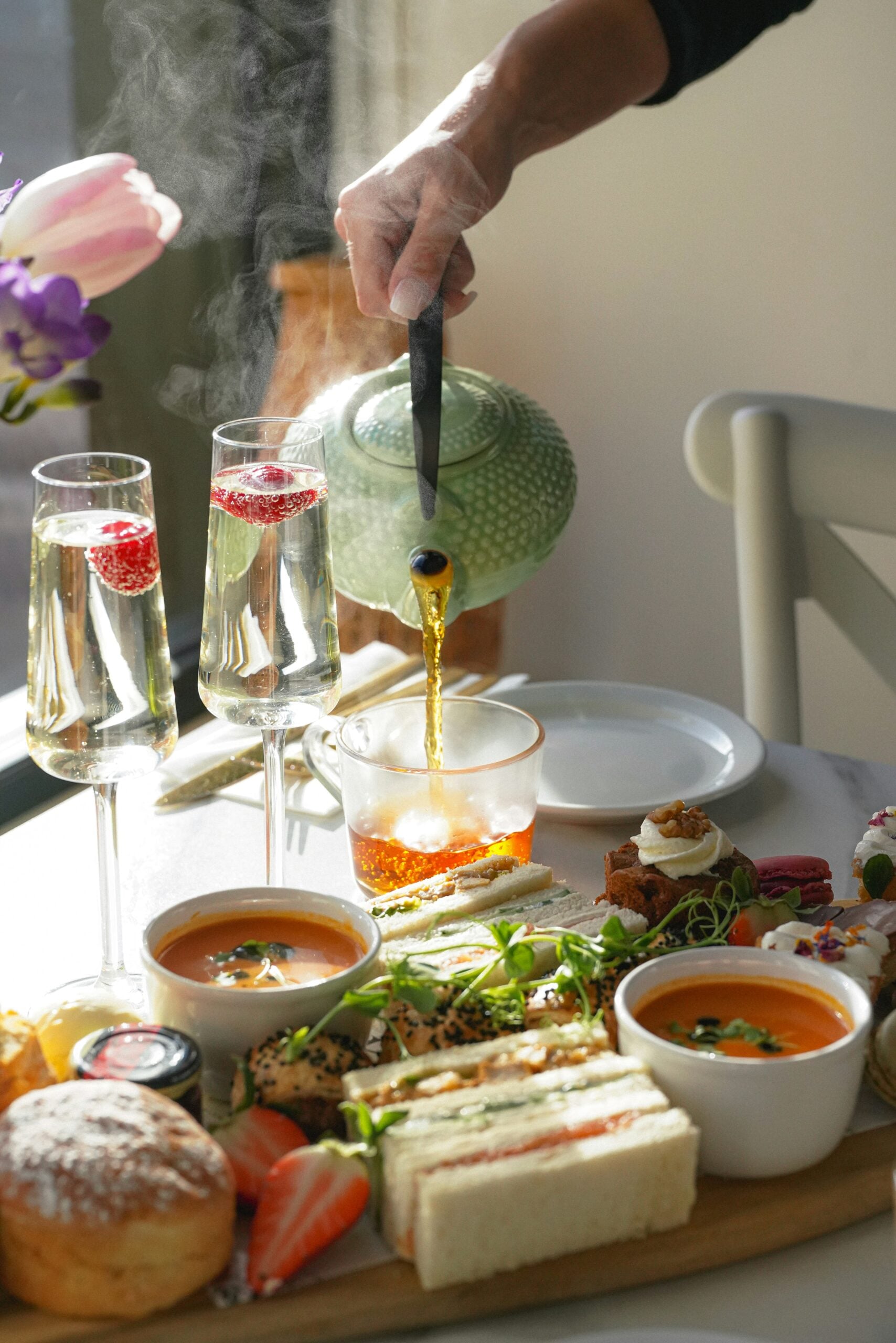
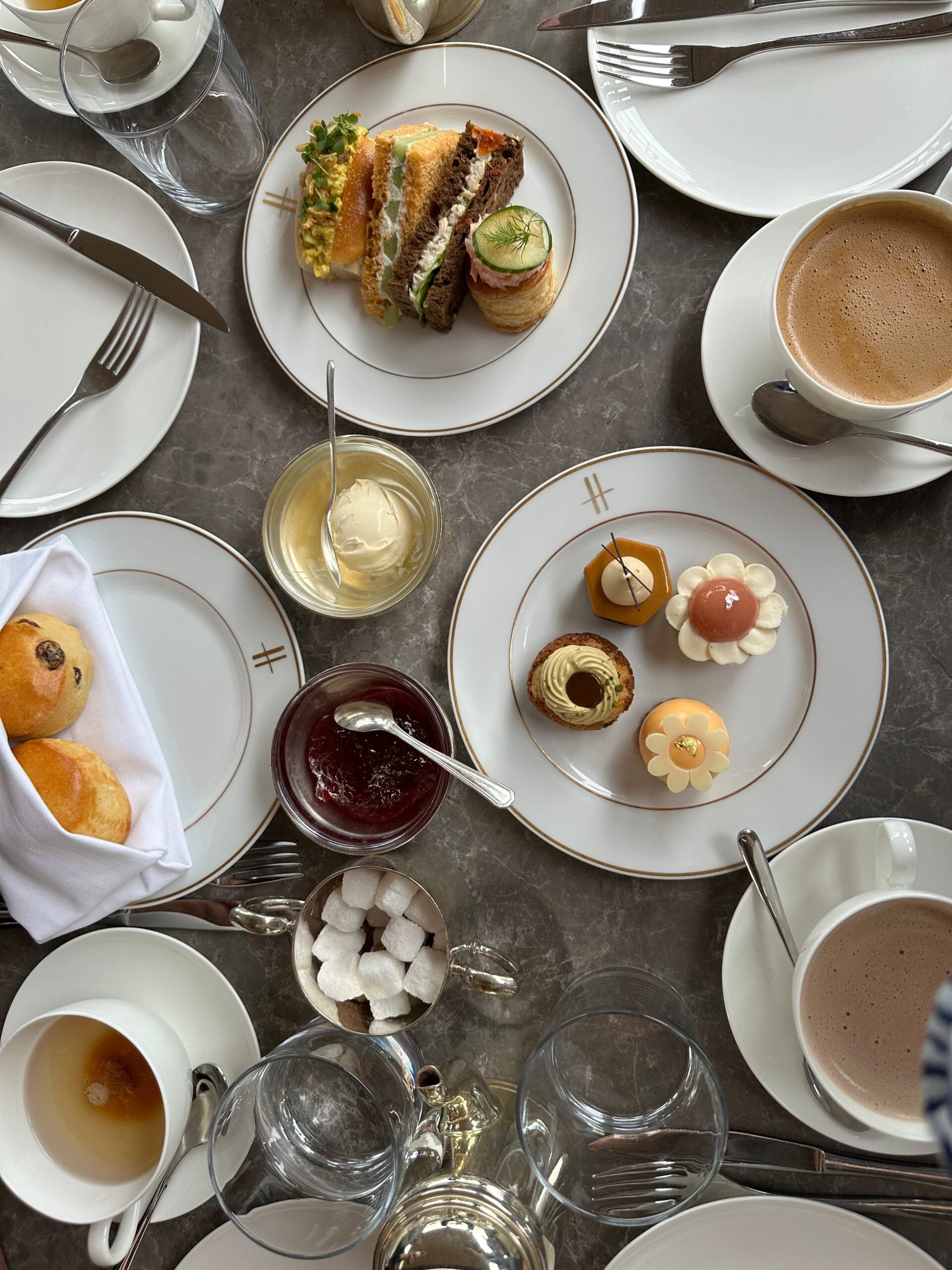
Afternoon tea at the palace followed a familiar structure, and the Queen is widely reported to have taken it daily. Tea was usually served with a selection of finger sandwiches, then scones, then cakes or small pastries.
In that setting, the jam penny made sense because it blurred the line between sandwich course and sweet course. It looked like a tea sandwich but tasted more like a miniature dessert, which may be part of why it felt suited to celebrations.
Its tiny size also matched the visual discipline of palace tea. Nothing about it was oversized or casual, and that restraint was part of the appeal.
The royal chef who shared the detail
Much of what the public knows about the Queen's food habits comes from former palace staff, especially Darren McGrady, who cooked for Queen Elizabeth II and other members of the royal family. His recollections have shaped many of the best-known stories about royal meals.
McGrady's descriptions are especially memorable because they combine insider access with practical kitchen detail. When he explained that jam pennies were cut to the size of old pennies, he gave people a concrete image they could immediately understand.
That kind of specificity is one reason the sandwich keeps resurfacing in coverage of royal food. It sounds both regal and completely ordinary.
Why the story still resonates
The staying power of the jam penny says a lot about what people find compelling in royal life. Grand banquets and silver service have their place, but a tiny jam sandwich tied to childhood memory reveals something more intimate.
It also fits a broader pattern in stories about Queen Elizabeth II's tastes. Again and again, the most repeated details are the simplest ones: a fondness for routine, careful portions, afternoon tea, and familiar flavors presented with precision.
In the end, the jam penny is memorable because it turns luxury on its head. The ingredients were everyday, but the meaning came from tradition, presentation, and the occasion itself.

Leave a Reply