
The convenience is real, but so are the questions. Research is increasingly examining whether heavily processed foods carry long-term risks that go beyond weight gain and heart health.
What researchers mean by processed foods
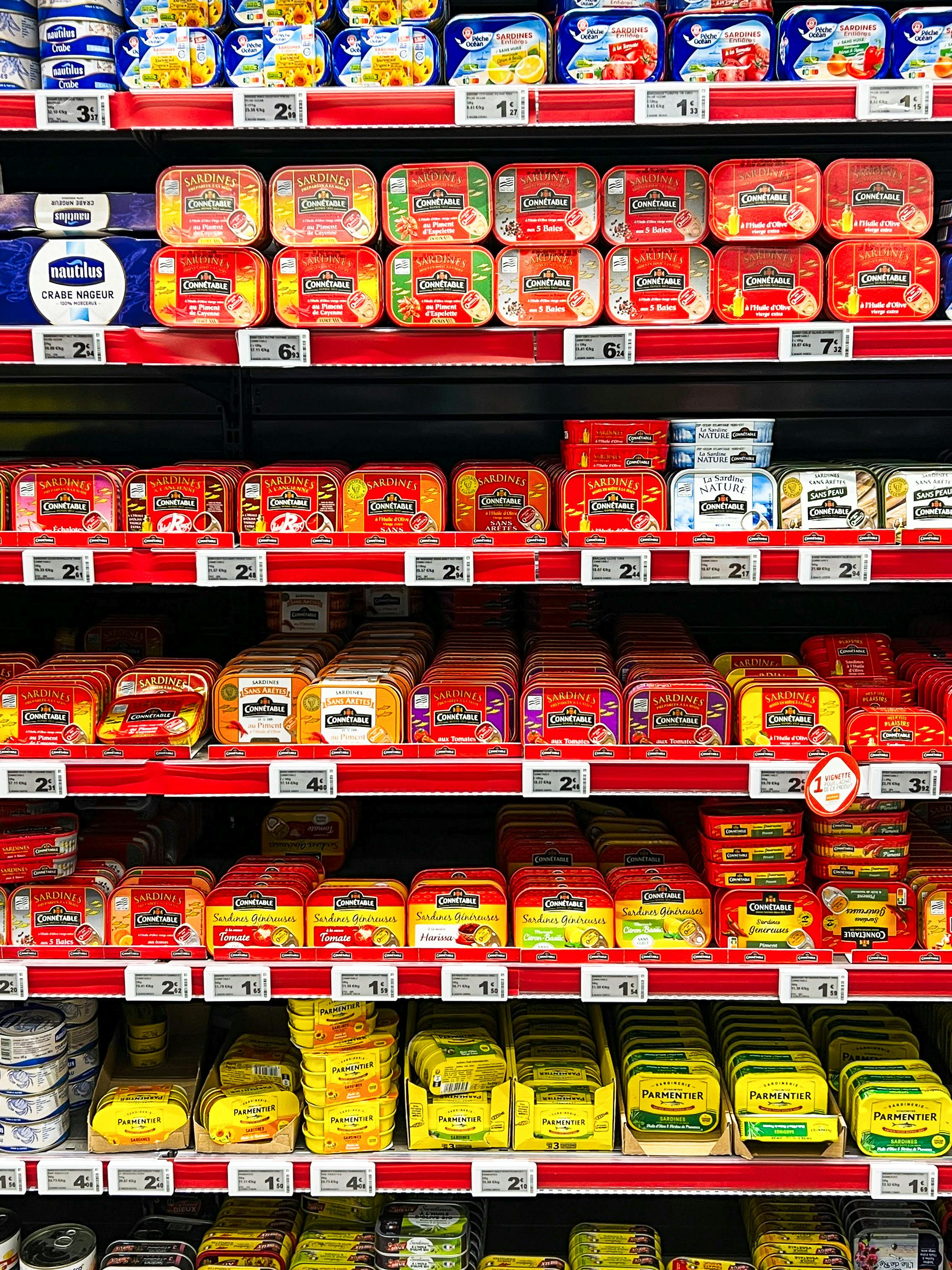
Not all processed foods are the same, and that distinction matters from the start. Processing can be as simple as freezing vegetables, pasteurizing milk, or canning beans, all of which can improve safety and shelf life without making a food inherently harmful.
The bigger concern in cancer research is usually ultra-processed foods. These are industrial formulations made largely from refined starches, added sugars, unhealthy fats, salt, flavorings, colors, emulsifiers, and other additives designed to make products hyper-palatable and convenient.
Examples include packaged snacks, sugary cereals, instant noodles, processed meats, soft drinks, chicken nuggets, and many ready-to-eat desserts. According to large population studies, people who eat more of these products tend to consume fewer fiber-rich, nutrient-dense foods that help protect long-term health.
What the evidence says about cancer risk

The most widely discussed findings come from observational studies, which track eating patterns and disease over time. Several major studies in Europe and elsewhere have found that higher intake of ultra-processed foods is associated with a greater overall cancer risk, with stronger signals for breast cancer and colorectal cancer in some groups.
A frequently cited French study found that a 10% increase in the proportion of ultra-processed foods in the diet was linked to a measurable rise in overall cancer risk. Other research has reported similar patterns, though the size of the risk varies and not every study finds the same cancer types affected.
That inconsistency does not mean the concern is baseless. It means cancer is complex, diets are difficult to measure perfectly, and researchers are still working out which products, ingredients, and long-term exposures matter most.
Why these foods may raise concern

The risk is unlikely to come from one single ingredient alone. Ultra-processed foods often combine low nutritional quality with high energy density, excess sodium, added sugars, and unhealthy fats, which can promote obesity, chronic inflammation, insulin resistance, and other conditions tied to cancer development.
Processed meats deserve separate attention because the evidence is stronger there. The World Health Organization's cancer agency has classified processed meat as carcinogenic to humans, based largely on evidence linking regular intake to colorectal cancer.
Additives and contaminants are also under study. Researchers are examining compounds formed during high-temperature processing, along with nitrates, nitrites, certain emulsifiers, and chemicals that can migrate from packaging into food over time.
The role of diet quality and daily habits

One practical way to understand the issue is to look at what ultra-processed foods replace. When packaged snacks, sweetened drinks, and fast convenience meals crowd out fruits, vegetables, legumes, whole grains, and minimally processed proteins, the diet loses fiber, antioxidants, and protective plant compounds.
These foods can also encourage overeating because they are easy to chew, heavily marketed, and engineered for repeat consumption. Clinical research has shown that people often consume more calories on ultra-processed diets than on minimally processed diets, even when meals are matched as closely as possible.
That matters because excess body fat is itself a known cancer risk factor. Higher body weight has been linked to several cancers, including postmenopausal breast, colorectal, liver, pancreatic, and endometrial cancers.
What experts say about reading the findings carefully

A careful reading of the science is important because observational research cannot prove direct cause and effect on its own. People who eat more ultra-processed foods may also differ in income, stress, sleep, exercise, smoking, and healthcare access, all of which can influence cancer risk.
Researchers try to adjust for those factors, but no study can eliminate every source of bias. Food frequency questionnaires also rely on memory, and product formulations change over time, making precise exposure measurement difficult.
Even so, many nutrition experts see the overall direction of evidence as meaningful. When multiple studies point toward harm, and when the biological mechanisms make sense, public health advice tends to favor caution rather than waiting for perfect certainty.
How to lower your exposure without overhauling everything

Small swaps can make a real difference, and perfection is not required. Replacing sugary breakfast pastries with oatmeal, switching soda for water, choosing plain yogurt over dessert-style varieties, and relying more often on beans, eggs, fish, and home-cooked meals can steadily reduce ultra-processed intake.
Shopping the perimeter of the grocery store can help, but label reading matters everywhere. A long ingredient list is not automatically bad, yet foods dominated by refined ingredients, added sugars, flavor enhancers, and multiple cosmetic additives are worth limiting.
The goal is not fear but balance. Most experts recommend building meals around minimally processed foods most of the time, while treating ultra-processed products as occasional conveniences rather than dietary staples.




Leave a Reply