
They look like a nutrition upgrade in a bright can. But prebiotic sodas are less revolutionary than their branding suggests.
They are not the same as probiotic drinks

The first misconception is the biggest one: prebiotic soda does not contain the same kind of live bacteria people associate with yogurt, kefir, or fermented drinks. "Prebiotic" refers to ingredients, usually fibers, that feed certain microbes already living in the gut. "Probiotic" refers to the microbes themselves. That difference matters because the promised effect is indirect, not immediate.
Most prebiotic sodas rely on ingredients such as inulin, chicory root fiber, Jerusalem artichoke fiber, or cassava root fiber. These compounds are added because they resist digestion in the small intestine and travel to the colon, where gut microbes ferment them. That process can support microbial activity, but it is not a guarantee of broad gut improvement for every person.
Consumers often collapse all "gut health" drinks into one category, which helps marketing more than public understanding. A kombucha, a yogurt drink, and a fiber-fortified soda do very different things in the body. Calling a can of flavored sparkling fiber a microbiome solution oversimplifies a field that researchers still describe as highly individualized and still developing.
The health halo can be bigger than the benefit
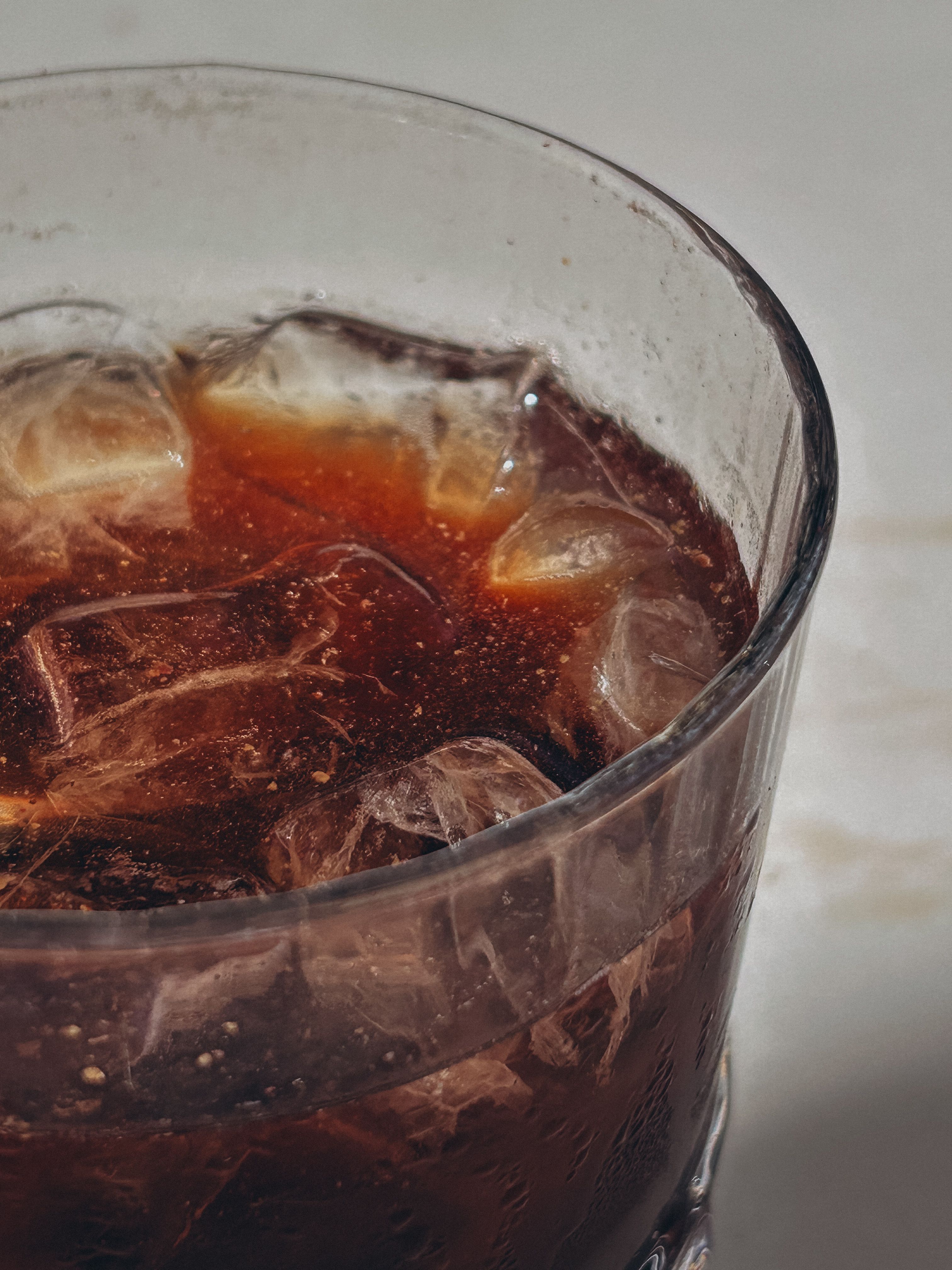
A sleek label can make a beverage seem healthier than it really is. Prebiotic sodas are usually positioned as a better alternative to conventional soda because they often contain less sugar and added fiber. That can be true, but "better than soda" is not the same thing as "healthy in any amount" or "beneficial for everyone."
Many brands contain 2 g to 9 g of fiber per can, which sounds impressive until you compare it with whole foods. A serving of beans, lentils, berries, oats, or a medium pear can deliver meaningful fiber along with vitamins, minerals, and a food matrix linked to better long-term health outcomes. A drink can help fill a gap, but it does not replace a fiber-rich diet.
There is also the issue of sweetness. Some products use fruit juice, while others rely on stevia, monk fruit, or other non-nutritive sweeteners to mimic the soft-drink experience. For people trying to move away from highly sweet tastes, that matters. A lower-calorie drink can still reinforce a preference for sweetness, which may shape overall eating habits more than buyers realize.
Your gut may love them, or reject them

Here is the part brands mention softly: added prebiotic fiber can cause digestive symptoms, especially when people increase intake quickly. Gas, bloating, cramping, and changes in bowel habits are common responses to fermentable fibers such as inulin. Dietitians routinely advise increasing fiber gradually and drinking enough water, because the gut often needs time to adapt.
People with irritable bowel syndrome may notice this more than others. Inulin and chicory root are high-FODMAP ingredients, meaning they are rapidly fermented and can trigger symptoms in sensitive individuals. A drink marketed for gut wellness can therefore make some people feel worse, not better. That is not a contradiction, just a reminder that digestive health is highly personal.
Tolerance also depends on what else you ate that day. Someone already getting plenty of fiber from vegetables, legumes, and whole grains may react differently than someone whose diet is typically low in fiber. One can may feel harmless, while two or three in a day may push intake into uncomfortable territory. Dose, context, and individual biology all matter here.
The research is promising, but narrower than ads imply

The science behind prebiotics is real, but it is often presented too broadly in consumer marketing. Certain fibers have been studied for their ability to support beneficial gut bacteria, improve stool consistency, and influence short-chain fatty acid production. Those are meaningful effects. Still, that does not mean every canned beverage carrying the word "prebiotic" has been clinically proven to transform gut health.
Research usually focuses on specific fibers, doses, and populations rather than on a broad product category. A 2024 review of prebiotic evidence would likely separate ingredient-level findings from claims about finished beverages, because formulation matters. Acidity, sweeteners, serving size, and overall diet can all shape outcomes. One positive study on chicory root fiber is not a blank check for every soda built around it.
That is why experts tend to be more careful than marketers. Gastroenterologists and registered dietitians often describe these drinks as a useful option, not a miracle. They may help some people increase fiber intake in a convenient way, especially if they are replacing a high-sugar soda. But that is a modest nutritional upgrade, not a medical intervention.
They are really a lifestyle product first

A lot of the category's success comes from culture, not just nutrition. Prebiotic sodas fit neatly into modern wellness habits: alcohol moderation, functional beverages, colorful packaging, and social media-friendly routines. They are sold as a treat with a purpose, which is a powerful idea. People do not just want a drink anymore; they want a story about what the drink does for them.
That positioning has helped these brands move beyond health-food stores and into mainstream retail. According to industry reporting, younger shoppers in particular are driving demand for beverages that promise mood, energy, focus, hydration, or digestive support. Prebiotic soda benefits from that same "functional" momentum. It occupies the space once held by diet soda, flavored seltzer, and low-sugar mixers, all at once.
Price reveals the real category. These cans are usually far more expensive than standard soda and often closer to premium sparkling drinks or wellness beverages. Consumers are paying for branding, formulation, and identity as much as for fiber. That does not make the product bad, but it does clarify what it is: not a health necessity, but a premium convenience with a wellness frame.
How to judge one before you buy it

Start with the ingredient list, not the front label. Look for the type of fiber used, the grams of fiber per can, the amount of added sugar, and the sweetener source. If the can contains 5 g of fiber but also triggers bloating for you, the practical value is low. If it helps you replace a high-sugar soda, the tradeoff may be worthwhile.
It also helps to compare the drink with realistic alternatives. Sparkling water with citrus, unsweetened iced tea, kombucha, or plain water alongside a fiber-rich meal may accomplish your goal just as well. If you want better gut health, the strongest evidence still points to overall dietary patterns. Diverse plant foods do more heavy lifting than any single canned product ever will.
The smartest way to see prebiotic soda is as a tool, not a transformation. It can be a better choice than traditional soda for some people, especially when sugar intake is the main concern. But it is not a shortcut to a healthier microbiome, and it is not automatically gentle on digestion. In the end, the can matters far less than the rest of the diet.




Leave a Reply