
Prince Edward Island did not wait for a national school food program to start acting. It already has a K-12 lunch model designed to make sure every student can eat at school without financial barriers.
A universal lunch program with no income test

PEI's approach starts from a simple idea: every child in the public school system should be able to order lunch, regardless of household income. That means there is no traditional means test at the point of access, and no child is singled out for receiving assistance. In practical terms, students in kindergarten through Grade 12 can participate through their school's lunch system.
The pay-what-you-can structure is what makes the model stand out. Families are shown the full price of a meal, but they can pay that amount, pay a reduced amount, or in some cases pay nothing at all. The gap is covered through public funding so the meal still reaches the student.
This design matters because it removes the stigma that often comes with targeted school food programs. Educators and child nutrition advocates have long argued that universal systems improve participation because students are not marked as "in need." PEI's model reflects that thinking by making access normal, not exceptional.
How ordering, payment, and meal access work

At the school level, the system is built to feel routine and easy for families. Meals are generally ordered in advance through a digital platform used by schools and food providers, allowing parents and caregivers to select lunch options and indicate what they are able to pay. The child receives the same meal regardless of the amount contributed.
That last point is central to the program's credibility. There is no separate line, no different packaging, and no visible cue that one family paid full price while another paid less. In a school setting, that privacy is essential because even small social signals can discourage students from using supports they need.
Schools and operators also benefit from more predictable planning. Advance ordering helps kitchens estimate volume, reduce waste, and tailor menus to demand. It creates a system that functions like a normal lunch service while preserving the policy goal of universal access.
Who prepares the food and what students are offered
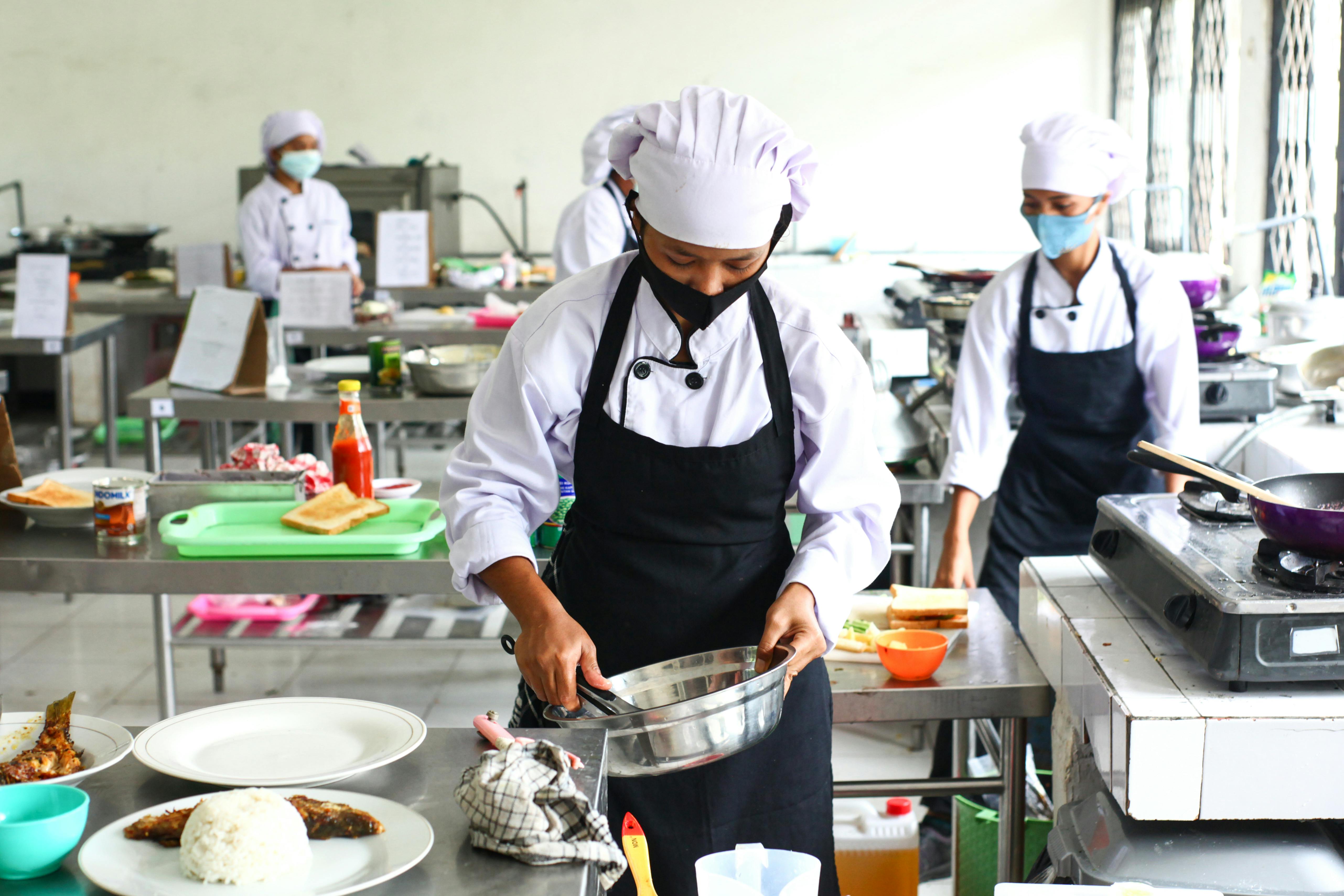
PEI relies on school food operators and community-based providers to prepare and deliver meals, rather than expecting every school to run a full kitchen on-site. That mixed model is practical for a small province with rural communities, because it allows centralized preparation where needed while still serving a broad network of schools.
Menus are typically designed to meet nutrition standards set for school food, with an emphasis on balanced meals rather than snack-style substitutes. Students are more likely to see offerings built around familiar lunch staples, vegetables, fruit, and protein, instead of ultra-processed convenience foods as the default option.
Another important feature is the connection to local agriculture and food businesses. PEI has a strong farming and seafood identity, and school meal programs can help create stable demand for local ingredients when procurement allows. That strengthens the program's public value beyond nutrition alone.
Why PEI chose this model in the first place

The province's lunch system grew out of concerns that many students were arriving at school without reliable access to a midday meal. Teachers, principals, and community groups had been flagging hunger as a barrier to concentration, behaviour, and learning for years. A universal structure offered a cleaner solution than patchwork charity.
There was also a policy logic behind choosing pay-what-you-can over fully parent-paid service. If schools depend mainly on family purchasing power, participation can drop among households squeezed by food inflation, housing costs, or unstable work. A flexible model protects access even when family budgets tighten suddenly.
PEI's decision also aligned with broader evidence on school food. Public health experts have repeatedly noted that children learn better when they are fed consistently, and that universal delivery tends to outperform targeted programs in both dignity and uptake. The province effectively put that evidence into practice early.
The financial model behind "pay what you can"

Calling the program "free" can be slightly misleading, because the meals are not costless to produce. What PEI has done is remove the requirement that families pay the full amount before a child can eat. Public dollars subsidize the system, and voluntary family payments help offset part of the operating cost.
That blended funding approach can make a school meal program more scalable than a charity-dependent one. Instead of relying on donations or emergency fundraising, the model recognizes lunch as a public service with shared financing. Families who can pay more help normalize the posted price, while subsidies protect universal access.
The broader significance is political as much as financial. PEI offers a working example of how governments can build school food infrastructure before a national framework is fully felt on the ground. For other provinces, it shows that affordability and universality do not have to be competing goals.
What other provinces can learn from PEI

One lesson from PEI is that simple design choices can have outsized effects. Universal eligibility, confidential payment flexibility, and predictable ordering create a system that is easier for schools to administer and easier for families to trust. When access is straightforward, participation tends to follow.
Another lesson is that school food policy works best when it is treated as everyday infrastructure, not as a temporary anti-poverty add-on. Lunch programs touch education, health, agriculture, and family finances at the same time. PEI's model succeeds because it understands that feeding students is part of running a school system well.
As Canada expands attention to school nutrition, PEI stands out for already having a functioning template. It is not merely a pilot or a promise. It is an operating example of how a pay-what-you-can lunch system can reduce stigma, widen access, and keep students focused on learning instead of hunger.




Leave a Reply