
Canada's hotel dining scene just got a high-profile report card. OpenTable's new 2026 ranking highlights the restaurants turning hotels into true culinary destinations, and several Canadian cities came away as clear winners.
Why this ranking matters in Canada's dining landscape

What makes this list noteworthy is that it reflects how people actually book and rate meals. OpenTable's annual rankings typically draw from diner reviews, booking demand, repeat reservations, and overall guest satisfaction, which gives the results more practical weight than a traditional judges-only award.
Hotel restaurants were once seen as convenient add-ons for travelers. That picture has changed sharply in Canada, where many of the country's most ambitious kitchens now operate inside major luxury hotels, boutique properties, and resort lodges.
The 2026 ranking confirms that shift. It rewards restaurants that attract locals as much as overnight guests, a sign that the best hotel dining rooms are no longer surviving on room service traffic or tourist curiosity alone.
The winning cities that made the biggest impression
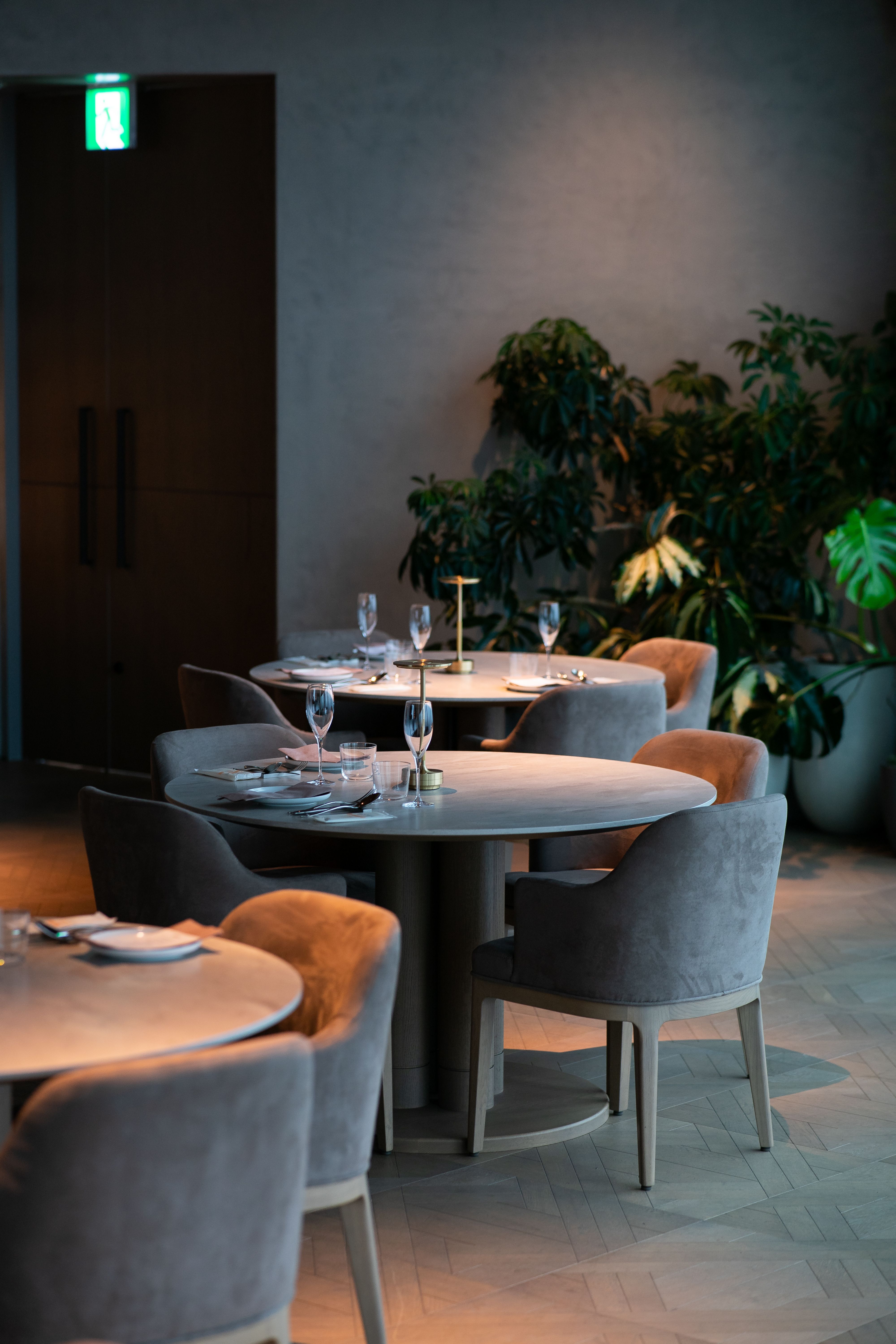
Vancouver emerged as one of the strongest-performing cities in the 2026 conversation. Its hotel restaurants continue to benefit from direct access to Pacific seafood, strong Asian culinary influence, and a local dining culture that values ingredient quality as much as presentation.
Toronto also stood out, thanks to the depth and range of its hotel-based fine dining. The city's best-ranked properties have turned their restaurants into destination venues for business dinners, special occasions, and chef-driven tasting experiences that appeal far beyond hotel guests.
Montreal remained impossible to ignore, with its trademark blend of French technique, Quebec ingredients, and lively room energy. Whistler also earned attention, proving that resort markets can compete nationally when service, setting, and seasonal menus align at a high level.
Standout restaurants named among the best
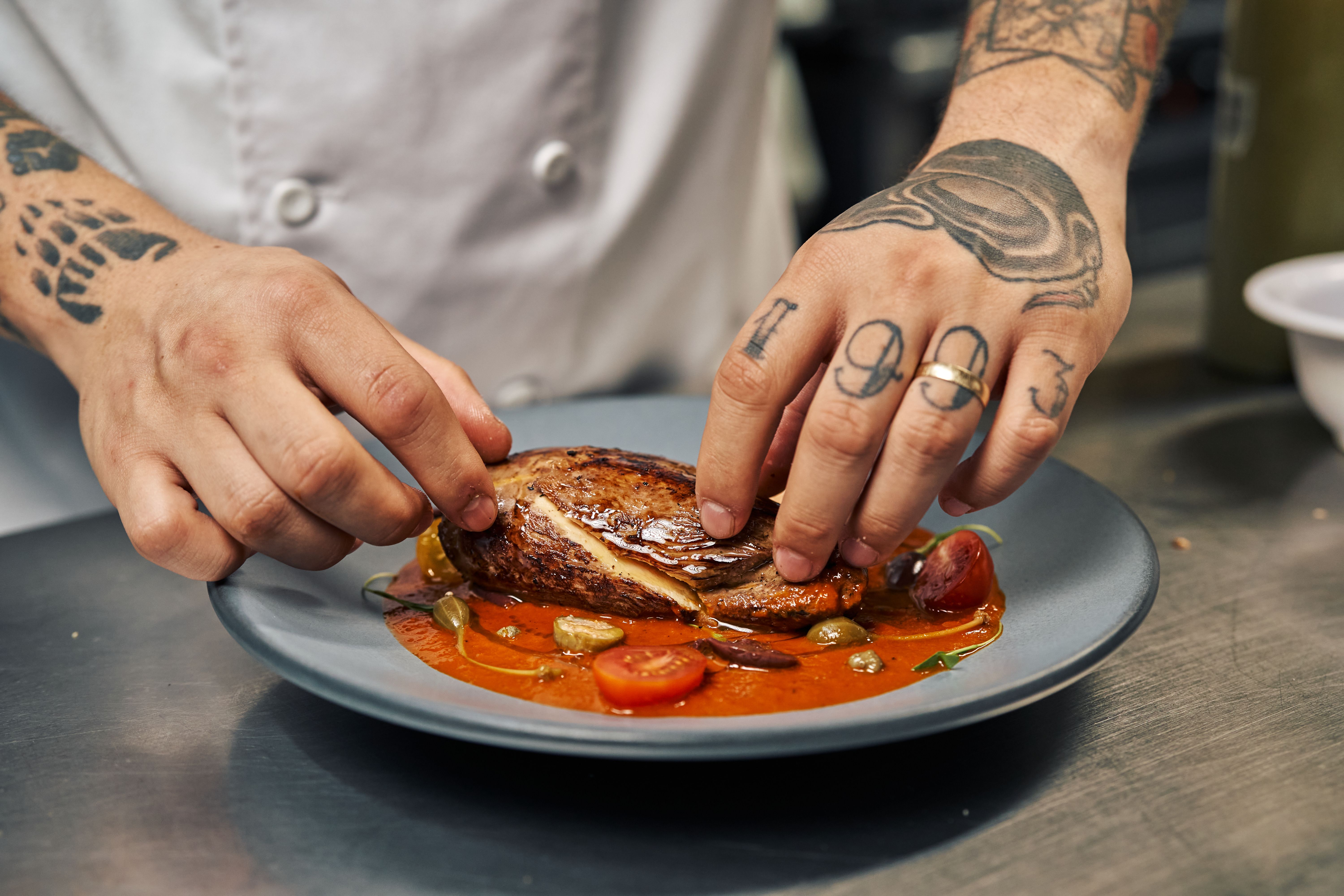
Among the names most likely to draw attention, Hawksworth Restaurant in Vancouver remains a benchmark for polished hotel dining. Located inside Rosewood Hotel Georgia, it has long been praised for refined West Coast cooking, a serious wine program, and service standards that consistently satisfy both visitors and locals.
In Toronto, Café Boulud at Four Seasons Hotel Toronto continues to represent the city at the highest level. Its French-inspired menu, upscale but approachable tone, and reputation for consistency make it a natural fit for any national ranking focused on quality and guest experience.
Montreal's Marcus, inside Four Seasons Hotel Montreal, is another standout frequently associated with top-tier hotel dining in Canada. In Whistler, SIDECUT Steakhouse at Four Seasons Resort and Residences Whistler remains a strong contender thanks to its mountain-luxury appeal, premium cuts, and dependable resort polish.
What helped these restaurants rise above the field
A clear pattern runs through the likely winners: strong identity. The best-ranked hotel restaurants are not trying to please everyone with generic luxury menus. Instead, they build a point of view, whether through regionally focused ingredients, chef-led storytelling, or a dining room atmosphere that feels rooted in its city.
Service also plays an outsized role in hotel rankings. Restaurants in leading properties often have the staffing depth, training systems, and hospitality culture needed to deliver consistency night after night, something diners notice immediately and reward in review-based systems.
Another advantage is flexibility. Top hotel restaurants can serve breakfast power meetings, celebratory dinners, tasting menus, and cocktail traffic in the same space, all while maintaining standards that independent operators often struggle to sustain across multiple dayparts.
What this means for travelers and local diners
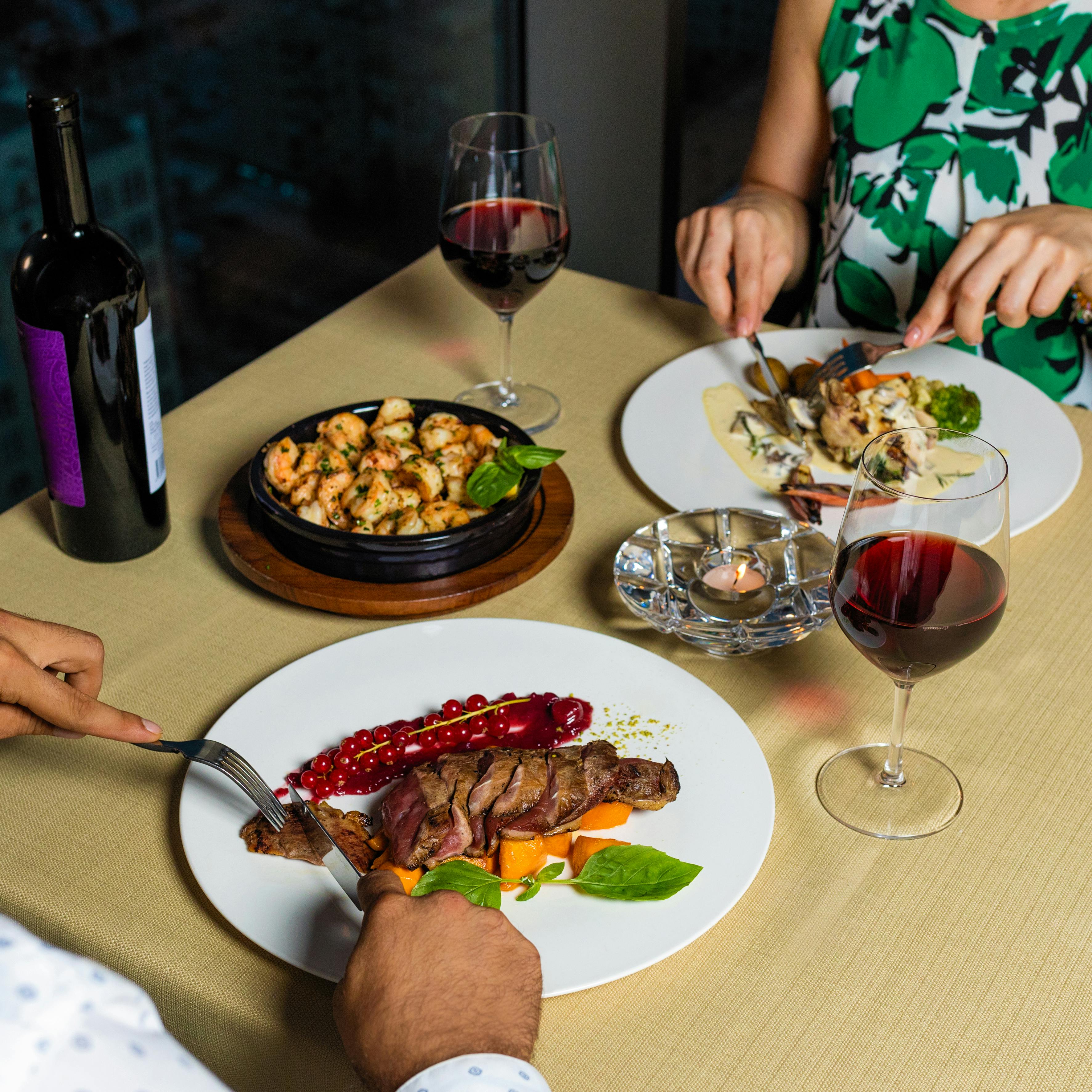
For travelers, the ranking makes trip planning easier. If your city made the cut, chances are you have a restaurant nearby that offers not just convenience, but a meal worth building an evening around, especially in cities where reservations can be fiercely competitive.
For locals, the list is a reminder to look again at hotel dining rooms they may have dismissed in the past. Many of Canada's best kitchens inside hotels now function as neighborhood institutions, drawing regulars who care less about the address and more about the excellence on the plate.
This also matters economically for cities. When a hotel restaurant gains national recognition, it strengthens tourism appeal, supports local producers, and reinforces a city's broader culinary reputation in a highly competitive market.
Did your city make the cut and what to watch next

If you live in Vancouver, Toronto, Montreal, or Whistler, your city appears to be among the clear winners in Canada's hotel dining conversation for 2026. Those markets have the strongest combination of acclaimed restaurants, luxury hospitality infrastructure, and national visibility.
Other cities to watch include Calgary, Ottawa, and Quebec City, where hotel restaurants have been steadily improving through sharper beverage programs, local sourcing, and more distinct culinary identities. These markets may not dominate every national ranking yet, but the momentum is real.
The larger takeaway is simple. In Canada, the best hotel restaurants are no longer secondary options. They are leading the dining scene, winning reservations on merit, and giving their cities another reason to boast in 2026.




Leave a Reply