
Tiny plastic fragments are showing up in places most people never expect. Increasingly, doctors and researchers are warning that the kitchen may be one of the easiest places to cut back.
Why oncologists are paying attention

Cancer doctors are not claiming that microplastics directly cause every tumor, but they are paying close attention to how these particles behave in the body. Studies in recent years have detected microplastics in human blood, lung tissue, the placenta, and even arterial plaque. That matters because any foreign particle that can enter tissue may also trigger inflammation, oxidative stress, or chemical exposure.
What concerns oncologists is not just the plastic itself, but the additives that often come with it. Many food-contact plastics contain compounds such as phthalates and bisphenols, which have been studied for endocrine disruption and other biological effects. A 2024 wave of research strengthened concern that long-term, low-dose exposure may interact with processes linked to hormone-sensitive cancers.
The warning is practical rather than alarmist. Most specialists frame microplastic reduction the same way they discuss air quality, alcohol, or processed meat: not every exposure leads to disease, but lowering avoidable exposure is sensible. In the kitchen, repeated heat, friction, and wear can all increase the number of particles released into food.
Black plastic utensils are under fresh scrutiny
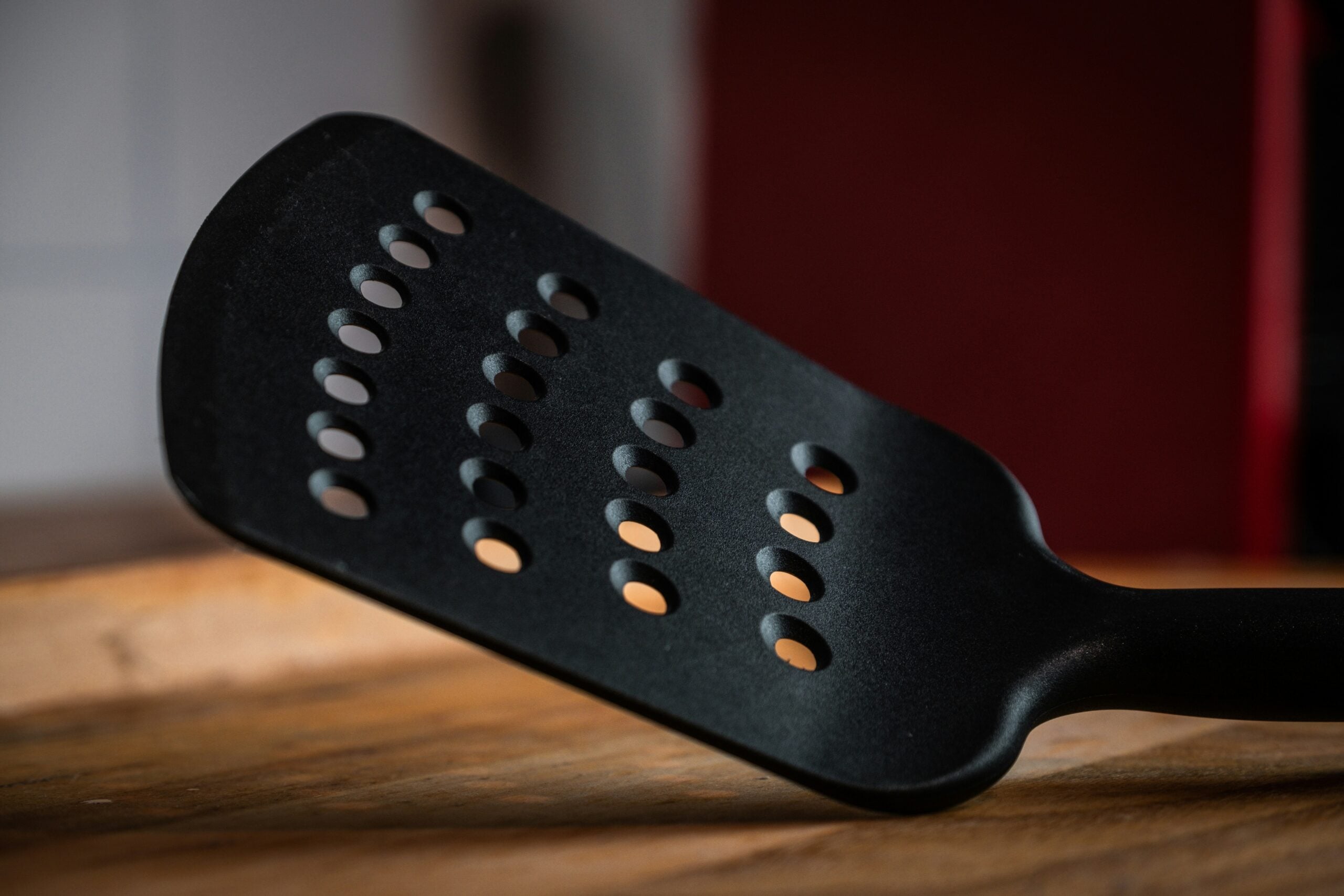
A kitchen staple can become a hidden source of contamination when it meets high heat. Black plastic spatulas, spoons, ladles, and pasta servers are often used directly in sizzling pans, soups, and sauces. That combination of temperature and surface wear can cause small fragments to migrate into food, especially as the utensil ages or becomes visibly roughened.
Researchers have also raised separate concerns about some black plastic products being made from recycled electronic waste. In certain cases, that material may contain flame retardants not intended for food contact. While not every black utensil carries the same risk, experts say the lack of obvious visual cues makes cautious replacement a reasonable step.
Safer alternatives are straightforward and familiar. Stainless steel works well for boiling, sautéing, and serving. Wood and silicone can also be useful, especially when labeled food-grade and heat-resistant, though any material should be replaced once cracked, peeling, or heavily worn.
Nonstick pans can shed more than convenience
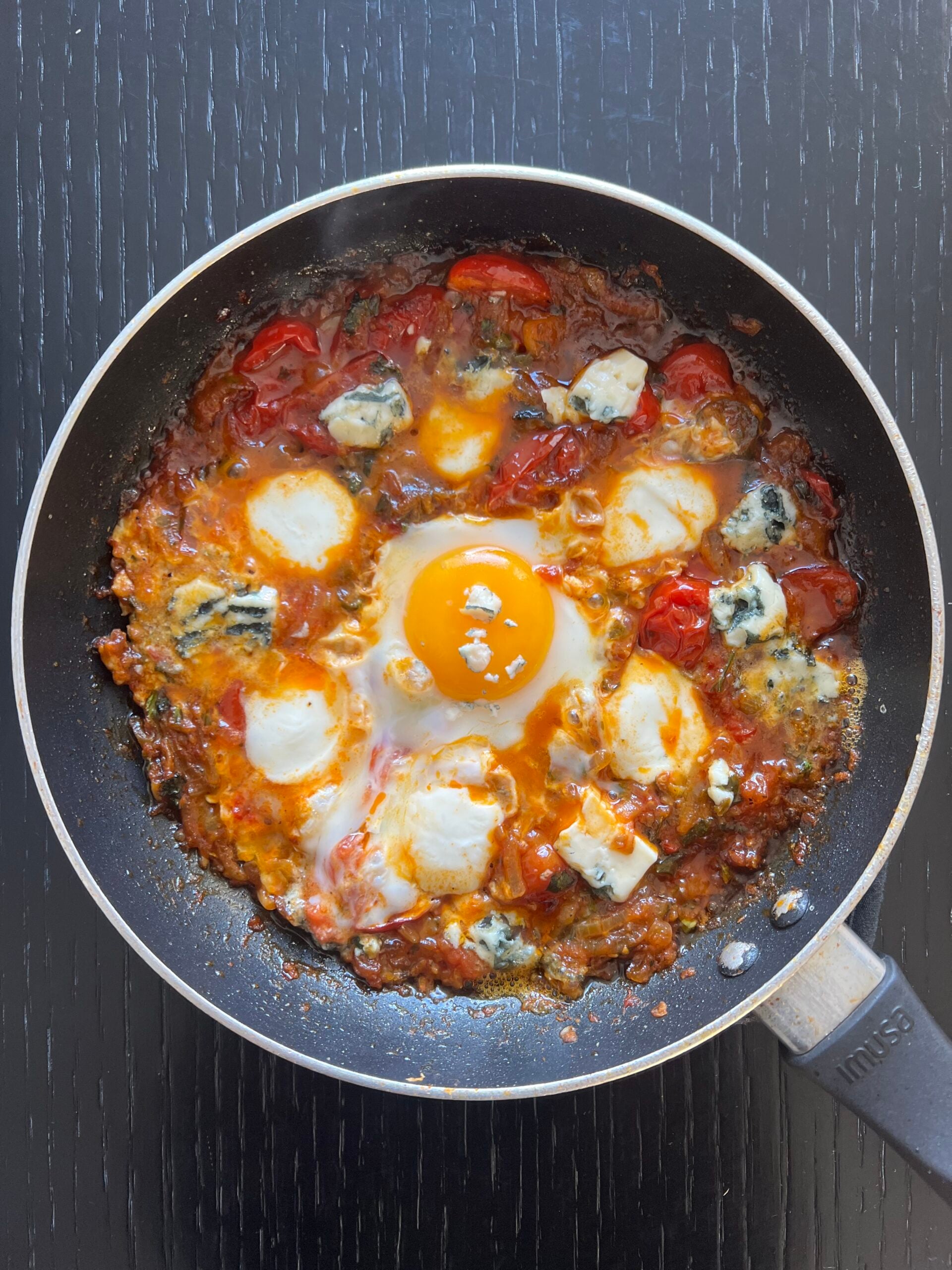
A scratched nonstick pan does more than look tired. Once the coating begins to chip, flake, or blister, tiny synthetic particles can mix with oils, sauces, and browned food. Researchers studying cookware wear have found that repeated scraping with hard utensils and overheating can sharply increase the release of microscopic debris.
This does not mean every nonstick pan is dangerous on day one. The bigger issue is lifespan and handling. High heat, metal spatulas, abrasive scouring pads, and dishwasher cycles can all degrade the coating faster. Many households keep these pans long after the surface has become visibly damaged, which is exactly when concern rises.
For lower-risk cooking, many experts recommend rotating in stainless steel, cast iron, or enameled cookware. These options are durable and less likely to shed plastic-based coatings into food. If you still use nonstick, keeping heat moderate and replacing damaged pans promptly is the most sensible approach.
Plastic cutting boards release particles with every chop
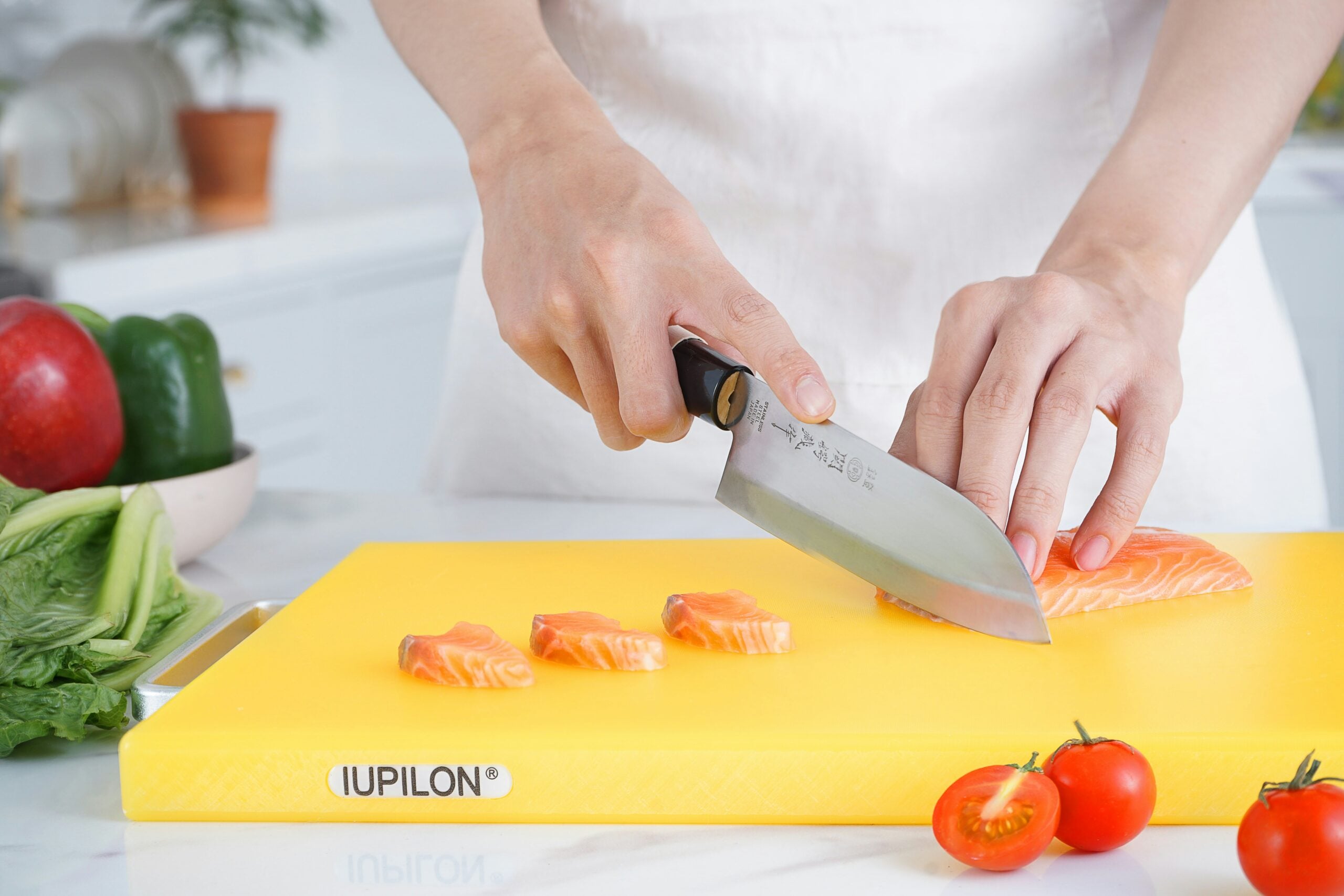
The danger here comes from repetition, not drama. Each slice of a knife across a plastic cutting board creates shallow grooves, and over time those grooves become a source of loose particles. A 2023 study drew attention to how everyday chopping can generate significant amounts of microplastic, especially in heavily used household boards.
Those particles can cling to wet produce, raw meat, herbs, and anything else being prepped. The more scarred the board, the harder it is to clean completely, and the more likely it is to keep shedding. Heat from hot foods or dishwashers may further weaken older plastic boards and speed up surface breakdown.
Many food safety professionals favor wood boards for whole produce, bread, and cooked foods, provided they are cleaned and dried properly. For raw meat, some households prefer separate boards to prevent cross-contamination. The key point is simple: if a plastic board is deeply scored, curling, or brittle, it is time to replace it.
Microwave containers can turn heat into exposure
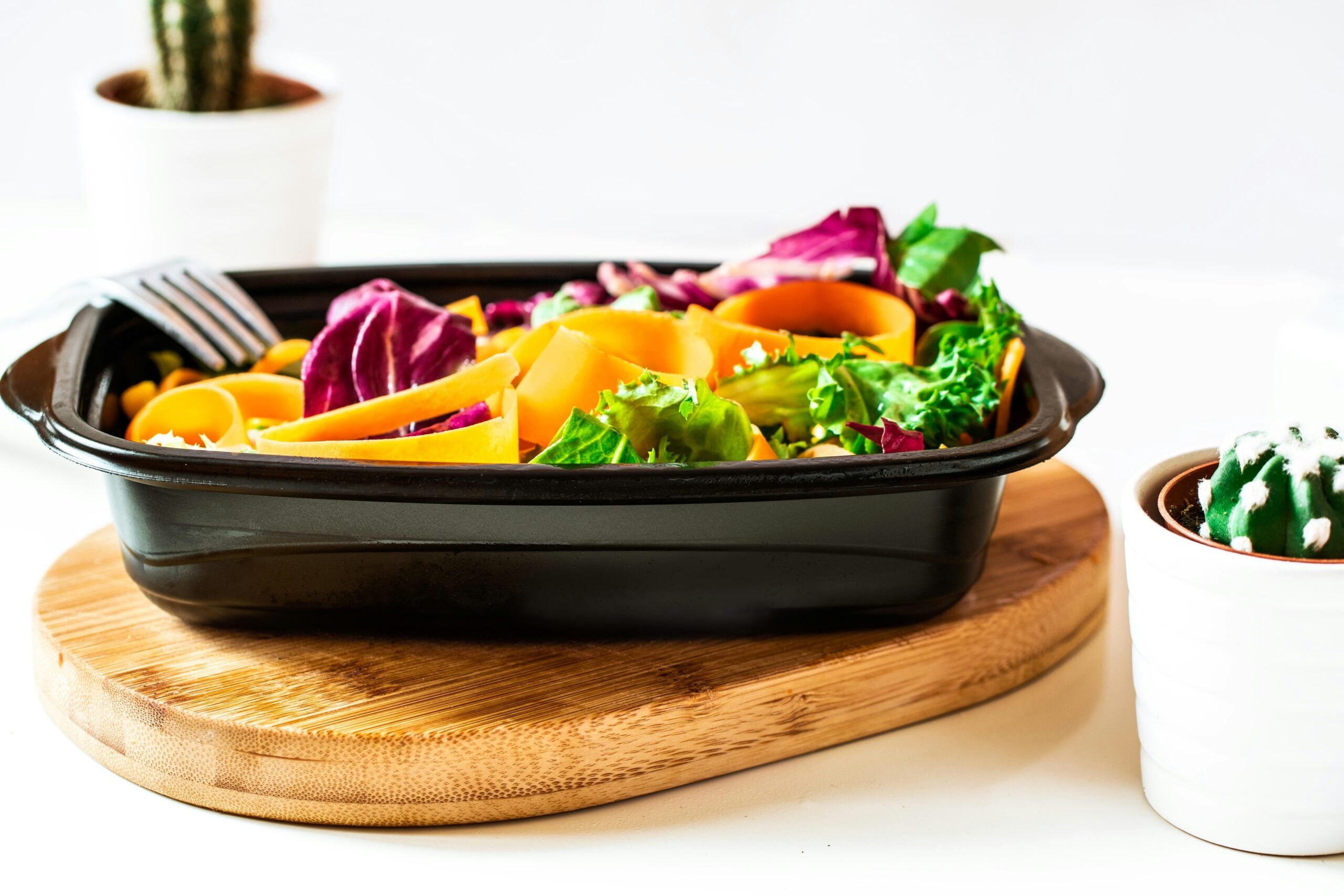
The microwave changes the equation because heat makes plastic more chemically active. Even containers labeled microwave-safe are generally being judged for basic performance, not for zero particle release under years of repeated use. When oily, acidic, or very hot foods are reheated in plastic, migration risks can increase.
Takeout tubs, deli containers, and old food-storage boxes are especially problematic. They were often not designed for repeated heating, and many become cloudy, warped, or cracked over time. Those visible changes are a warning sign that the material structure is breaking down, which can mean more microplastics and additives entering food.
Glass and ceramic are the easiest swaps here. Reheating soup, pasta, rice, or leftovers in these materials sharply reduces the chance that heat will pull plastic particles into the meal. If a plastic lid is necessary for splatter control, keeping it vented and away from direct contact with food is a better choice.
The smartest way to lower risk at home
This is not a call to throw out every item in your kitchen overnight. Exposure reduction works best when it is calm, targeted, and realistic. Start with the products most likely to contact heat, friction, or acidic foods: old nonstick pans, black plastic utensils, scarred cutting boards, and containers used in the microwave.
Then focus on condition, not just material. A new item in good shape usually poses less risk than one that is cracked, peeling, pitted, or discolored. Researchers across environmental health and oncology often emphasize cumulative exposure, meaning the small choices made daily can matter over many years.
The most useful kitchen rule is also the easiest to remember: avoid heating food in worn plastic, and replace anything that is visibly degrading. That advice will not eliminate microplastics entirely, because they are already widespread in air, water, and packaging. But it can meaningfully reduce one of the most common sources sitting right on the kitchen counter.



Leave a Reply