
A better bathroom routine often starts at breakfast. If oatmeal is not your favorite, there are plenty of other morning meals that can help support regularity.
Chia pudding with berries

Chia seeds are tiny, but they do a lot of heavy lifting for digestion. Just 2 tablespoons provide roughly 10 grams of fiber, and much of it is soluble fiber that forms a gel when mixed with liquid. That gel helps soften stool and supports smoother passage through the intestines.
Chia also absorbs many times its weight in water, which matters because fiber works best when fluid intake is adequate. When soaked overnight in milk or a fortified plant beverage, the seeds swell into a pudding-like texture that is easy to eat and easy on the stomach.
Add raspberries, blackberries, or blueberries for even more fiber and plant compounds. Raspberries are especially useful because 1 cup delivers about 8 grams of fiber. This combination gives you bulk, moisture, and a steady release of energy without relying on heavily processed breakfast foods.
Greek yogurt with kiwi and flaxseed
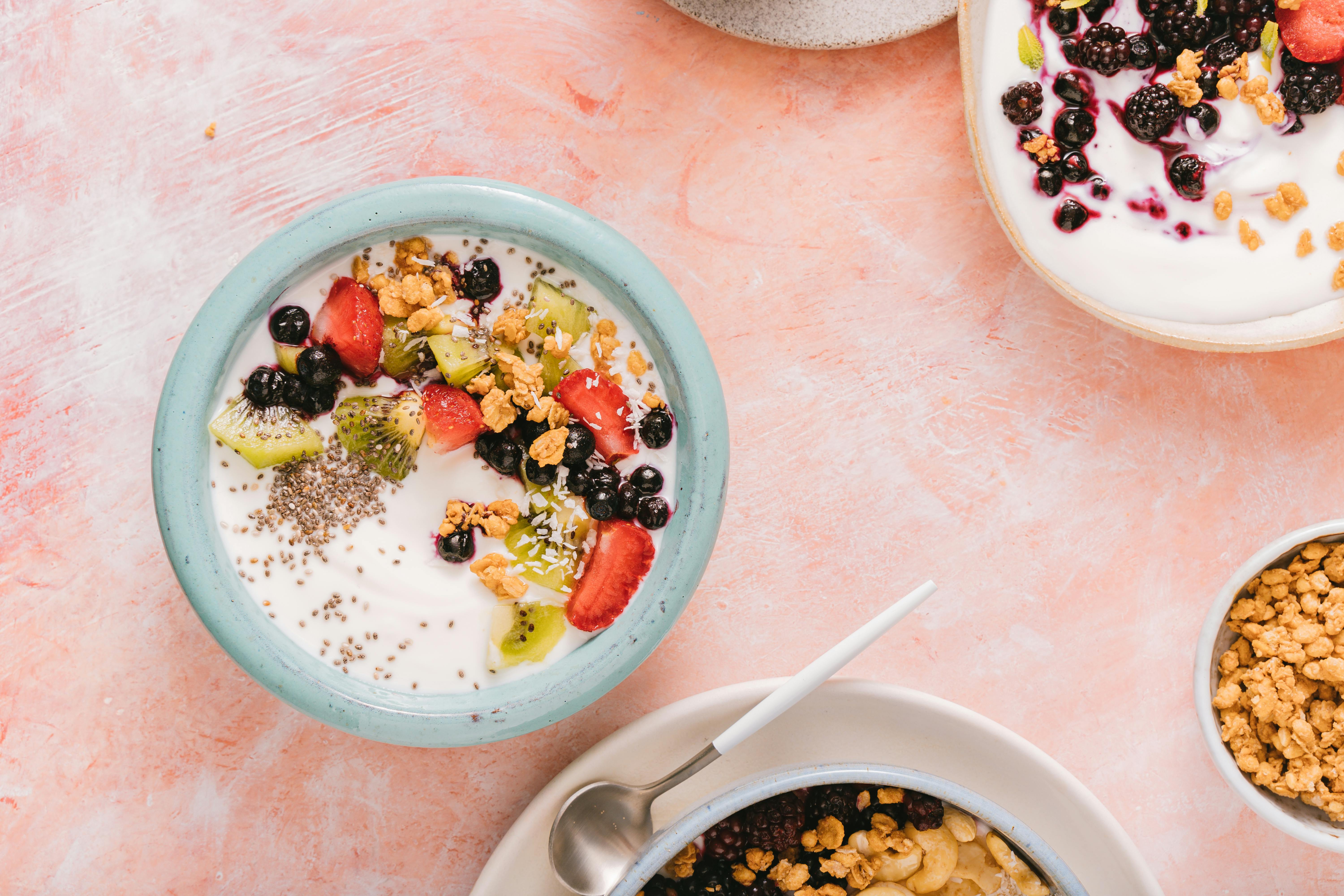
This breakfast works from several angles at once. Greek yogurt offers protein, and if it contains live active cultures, it can also contribute beneficial bacteria that support a balanced gut environment. A healthier microbiome is often linked with more predictable bowel habits.
Kiwi has earned unusual attention in digestive research. Several studies have found that eating kiwi regularly may improve stool frequency and comfort, partly because the fruit contains fiber, water, and natural enzymes. It is one of the easiest fruits to add to breakfast, and many people tolerate it well.
Ground flaxseed strengthens the mix. One tablespoon adds both soluble and insoluble fiber, along with plant compounds called lignans. Stirring flax into yogurt with sliced kiwi creates a breakfast that is creamy, practical, and especially helpful for people who want digestive support without a large, heavy meal.
Avocado toast on whole-grain bread

Avocado toast is more than a trend when it is built well. Avocados provide fiber, with a medium fruit offering around 10 grams, and they also contain healthy fats that may help food move more comfortably through the digestive tract. Their soft texture makes them a gentle option for many adults.
The bread matters just as much. Whole-grain or sprouted grain bread contributes insoluble fiber, which adds bulk to stool and can help stimulate intestinal movement. Choosing bread with visible grains and at least a few grams of fiber per slice can make the meal significantly more effective.
For extra digestive value, add sliced tomato, a handful of arugula, or a sprinkle of hemp seeds. That broadens the nutrient profile and raises the fiber content without much effort. It is a savory breakfast that feels satisfying while still helping support a more regular morning routine.
Smoothies made with pears, spinach, and kefir

A well-built smoothie can help with regularity, but the details matter. Many commercial smoothies are low in fiber and high in sugar, which is not the same thing as digestive support. A better version includes whole fruit, leafy greens, and a fermented dairy ingredient or cultured alternative.
Pears are especially helpful because they contain fiber and sorbitol, a naturally occurring sugar alcohol that can draw water into the bowel. Spinach adds magnesium and plant fiber, both of which play roles in bowel function. Kefir contributes fluid and beneficial microbes, making the drink more than just blended fruit.
Keep the skin on the pear, since much of the fiber is there. Blend with ice and enough liquid to keep the texture drinkable but not watery. This kind of breakfast can be useful for people who struggle with solid food early in the day yet still want something that supports digestion.
Bran cereal with sliced banana
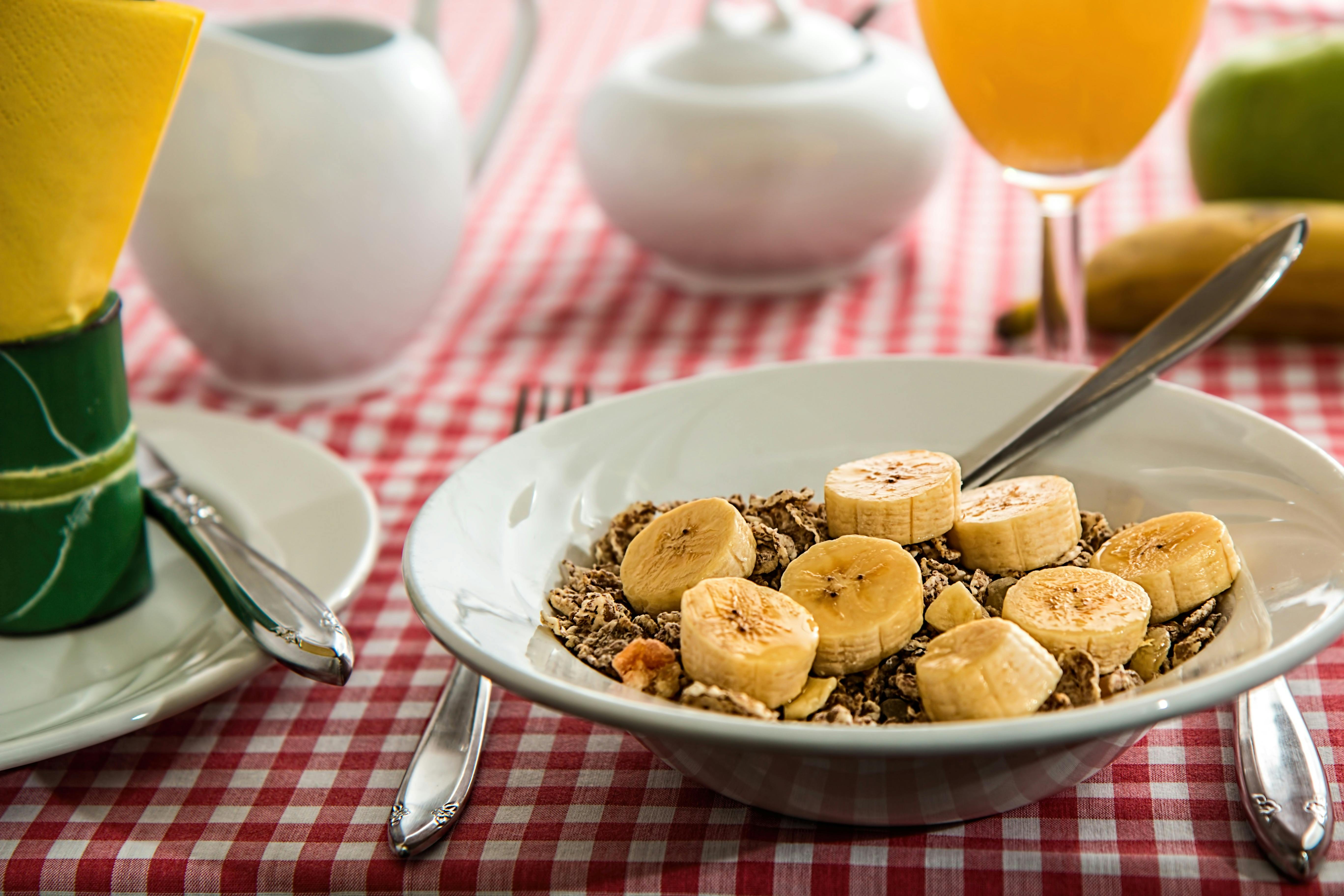
Bran cereal remains one of the most efficient breakfast choices for constipation because it is concentrated in wheat bran, a source of insoluble fiber that has been studied for decades. Insoluble fiber helps increase stool bulk and can shorten transit time, which is why many clinicians still recommend it.
The key is choosing a cereal that is genuinely high in fiber rather than one that only appears healthy on the front of the box. A serving with 7 grams or more of fiber can make a meaningful difference, especially when eaten consistently and paired with adequate fluids throughout the day.
Banana adds convenience and additional fiber, and a less-ripe banana contains resistant starch that can feed beneficial gut microbes. For some people, very ripe bananas feel easier to digest, so tolerance matters. Either way, this breakfast is simple, affordable, and often effective when routine is the goal.
Sweet potatoes with eggs and black beans

This is the kind of breakfast that keeps working long after the plate is empty. Sweet potatoes provide fiber and water, while black beans bring a powerful mix of soluble fiber, insoluble fiber, and resistant starch. Together, they support stool bulk, moisture, and a healthier gut environment.
Eggs do not provide fiber, but they add protein and make the meal more complete and satisfying. That matters because people are more likely to stick with a breakfast pattern that actually feels like a meal. Adding salsa or sautéed vegetables can raise both the flavor and the fiber count.
This combination is especially useful for anyone who prefers savory breakfasts or needs something substantial before a long day. According to gastroenterology guidance, regularity improves not just from one magic food but from repeated habits. A fiber-rich breakfast like this can become one of the most reliable.




Leave a Reply