
Few Canadian towns are as closely tied to one species as Barrington is to lobster. That is exactly why its self-declared title inspires both pride and debate.
Why Barrington's claim carries real weight
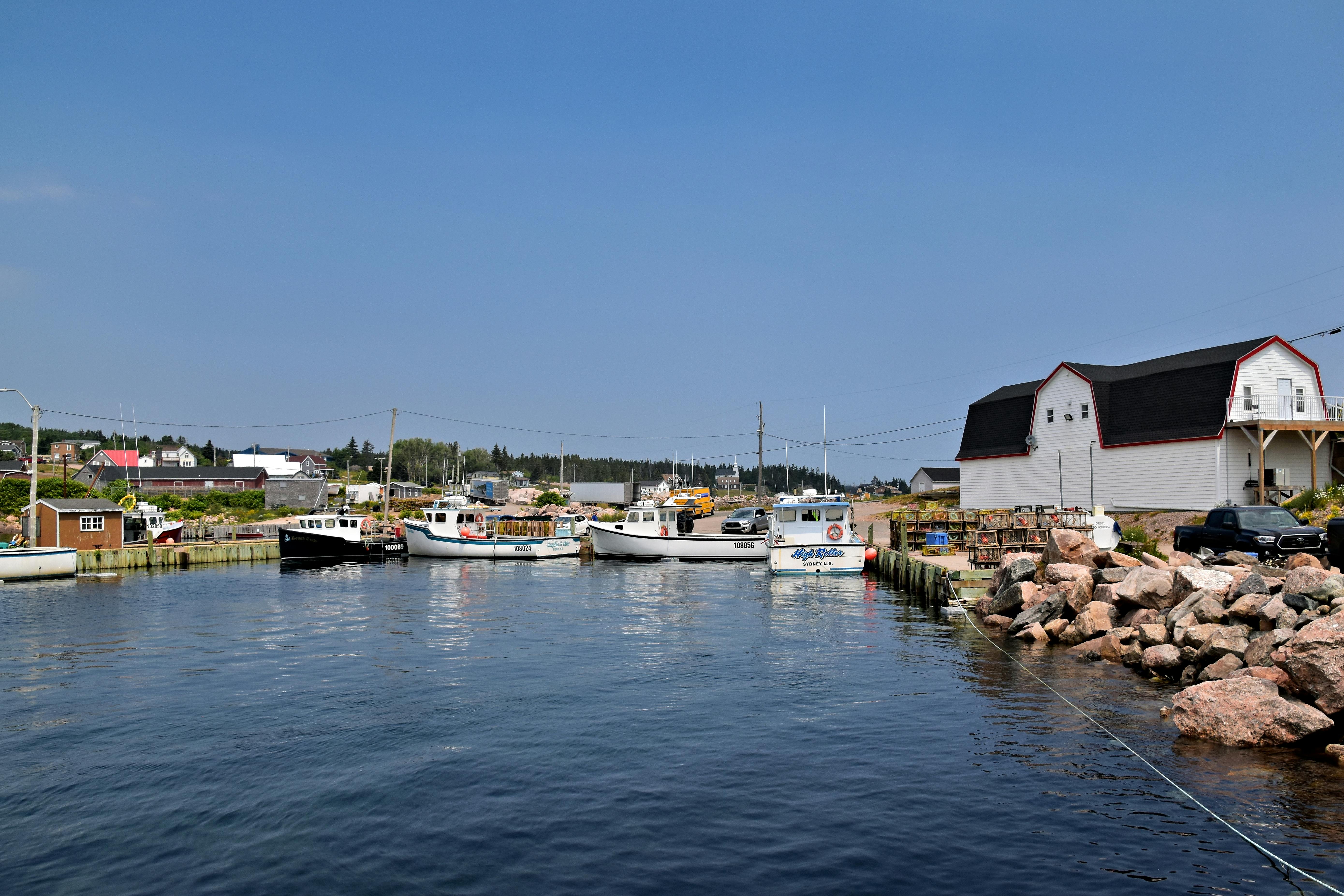
At first glance, Barrington's case is simple: lobster is not a side business here, it is the backbone of the local economy and a defining part of daily life. The municipality sits in southwestern Nova Scotia, near one of the most productive lobster fishing areas in the country, Lobster Fishing Area 34. That district is widely recognized as one of Canada's most valuable lobster grounds.
The commercial scale matters. Wharf activity, buyers, processing plants, transport networks, and marine suppliers all reinforce Barrington's identity as a lobster powerhouse. During the winter fishery, the pace is intense, and the economic ripple extends far beyond the boats themselves. Local households, trucking firms, and seafood exporters all feel the effect of a strong season.
The town has also spent decades turning that economic reality into a public identity. Festivals, civic branding, tourism messaging, and local institutions repeatedly foreground lobster. In other words, Barrington is not casually using the title. It has built a long-running public story around it, and that kind of sustained association counts for something.
The strength of Lobster Fishing Area 34

The strongest argument in Barrington's favor starts offshore. Lobster Fishing Area 34, which includes waters fished from ports in and around Barrington, has often led the country in landed value. According to federal fisheries data over many recent seasons, LFA 34 has produced enormous catches and some of the highest revenues in the Canadian lobster sector.
That is not a trivial distinction. In an industry where volume, value, and consistency all matter, being tied to the most commercially significant zone gives Barrington a credible foundation for its claim. It is not relying on nostalgia alone. It is pointing to a fishery that has repeatedly delivered exceptional economic performance.
There is also a concentration effect at work. Barrington's surrounding communities have a dense cluster of lobster boats, working wharves, dealers, and processing operations. A title like "capital" often reflects practical centrality as much as pure statistics. By that measure, Barrington can argue it serves as one of the country's most visible and active lobster hubs.
Why the title is far from settled

Here is where the debate becomes more complicated. "Lobster Capital of Canada" is not an official federal designation, and there is no universally accepted metric for awarding it. Is the title based on total landings, export value, historical importance, number of active fishers, or cultural prominence? Different definitions can produce different winners.
Other places have strong competing claims. Communities in Prince Edward Island, New Brunswick, and elsewhere in Nova Scotia are deeply embedded in the lobster trade and can point to their own impressive landings, processing strength, or market influence. Some are larger exporters. Others may have stronger brand recognition in tourism or cuisine.
That ambiguity weakens Barrington's position. A self-declared title can be powerful locally, but it remains open to challenge when no single measurement settles the issue. Critics can reasonably argue that Barrington's claim is more promotional than definitive, even if it is rooted in genuine industry strength.
Identity, branding, and local pride
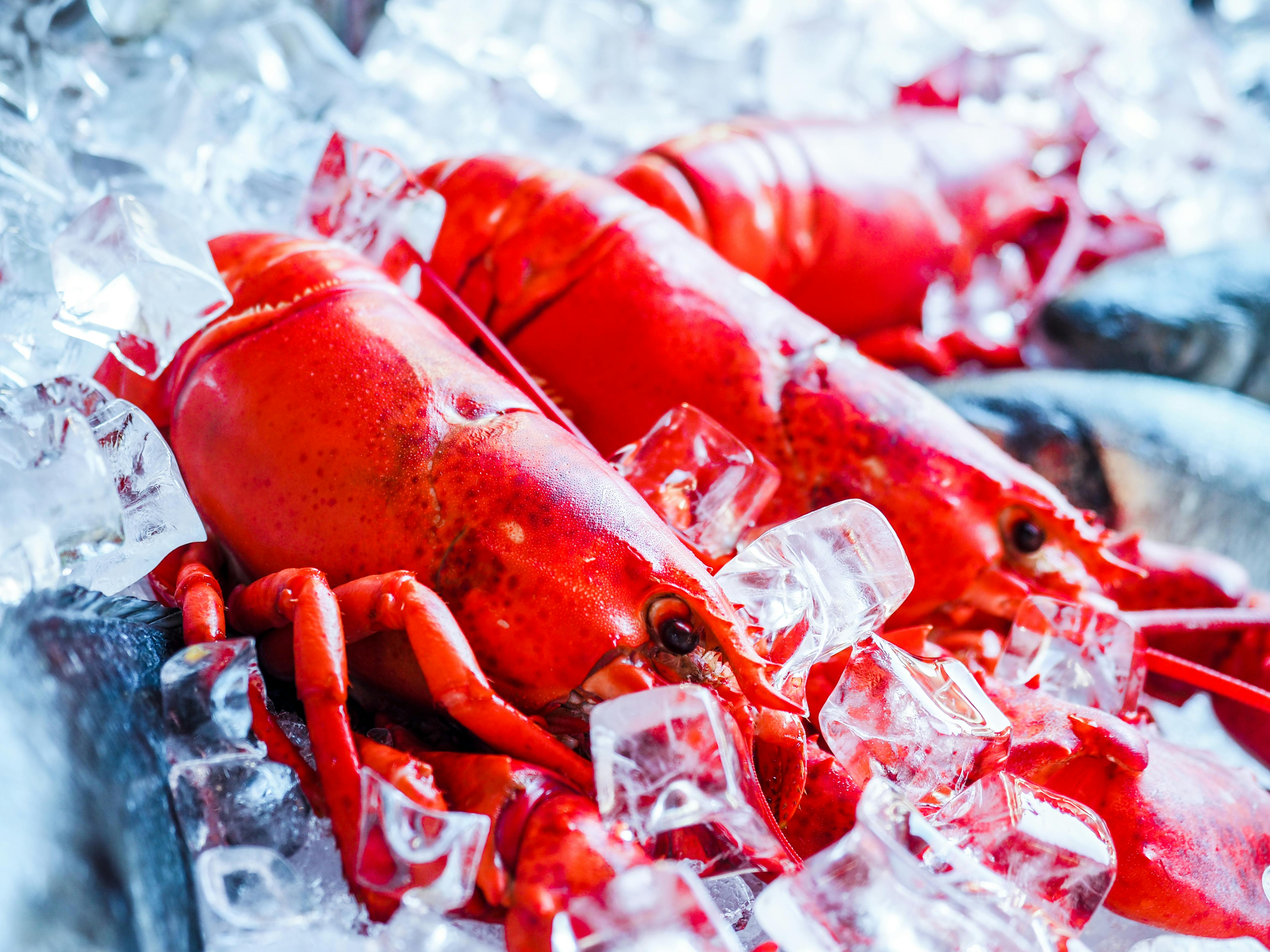
A title like this is about more than numbers. For Barrington, calling itself the "Lobster Capital of Canada" reflects a community identity shaped by generations of fishing families, waterfront labor, and seasonal rhythms. The phrase captures how residents see their place in the national seafood story.
That matters because regional branding often grows from lived experience rather than official certification. Many famous place-based labels in travel and food began as civic claims before becoming broadly accepted. Barrington's branding works in part because it feels authentic to the people who live there and to visitors who see the industry up close.
Local pride also has economic value. A memorable identity helps attract tourists, supports festivals and events, and strengthens political attention on the fishing sector. In small communities, branding is not superficial. It can influence investment, business confidence, and how a town competes for recognition in a crowded tourism market.
The realities that complicate any "capital" label

Still, no lobster town operates in a vacuum. Barrington's industry depends on shifting prices, fuel costs, bait availability, weather, labor, and international demand. U.S. and Asian markets play major roles in the profitability of Atlantic Canadian lobster, which means local success is tied to forces well beyond municipal boundaries.
There is also the issue of climate and stock management. Canadian lobster fisheries have remained strong in many areas, but long-term uncertainty always shadows resource industries. Conservation rules, trap limits, season timing, and marine ecosystem changes all shape future outcomes. A "capital" today may need to adapt to very different conditions tomorrow.
That broader context is important because grand titles can flatten a complicated reality. Barrington may be central to lobster today, but so are many other communities and systems across Atlantic Canada. The title works best as a symbol of leadership, not as an uncontested statement of supremacy.
The fairest verdict on Barrington's claim

The clearest conclusion is that Barrington has a strong case, but not an exclusive one. If the standard is deep economic dependence on lobster, proximity to a hugely productive fishing area, and a long-standing public identity built around the fishery, then Barrington deserves to be taken seriously.
If the standard is a formally verified, nationally agreed ranking, the case becomes weaker. Canada has several communities with legitimate lobster credentials, and no single authority has closed the debate. That makes Barrington's label best understood as a credible regional claim rather than an indisputable national fact.
In practical terms, that may be enough. Barrington's title endures because it captures something true about the place, even if it does not end every argument. It reflects a town where lobster is not merely an industry, but the organizing force behind economy, culture, and reputation.




Leave a Reply