
For many outsiders, the idea sounds startling. In Newfoundland and Labrador, though, seal flipper pie is a traditional Easter dish with a history rooted in necessity, family ritual, and coastal life.
A dish born from place and season

At first glance, seal flipper pie can seem like a culinary curiosity. In Newfoundland outports and Labrador communities, however, it developed from practical realities rather than novelty.
For generations, families relied on what the land and sea provided at the right moment. The spring seal hunt coincided closely with Lent and Easter, making fresh seal one of the few seasonal meats available after a long winter of preserved foods, salt fish, root vegetables, and pantry staples.
That timing mattered. In many households shaped by Catholic observance, Lent brought restrictions on rich foods, and Easter marked a celebratory return to hearty meals. Seal flippers, often pickled or brined and then baked into pies with onions and savory seasoning, fit naturally into that calendar and became associated with the holiday itself.
Why the flippers became the centerpiece
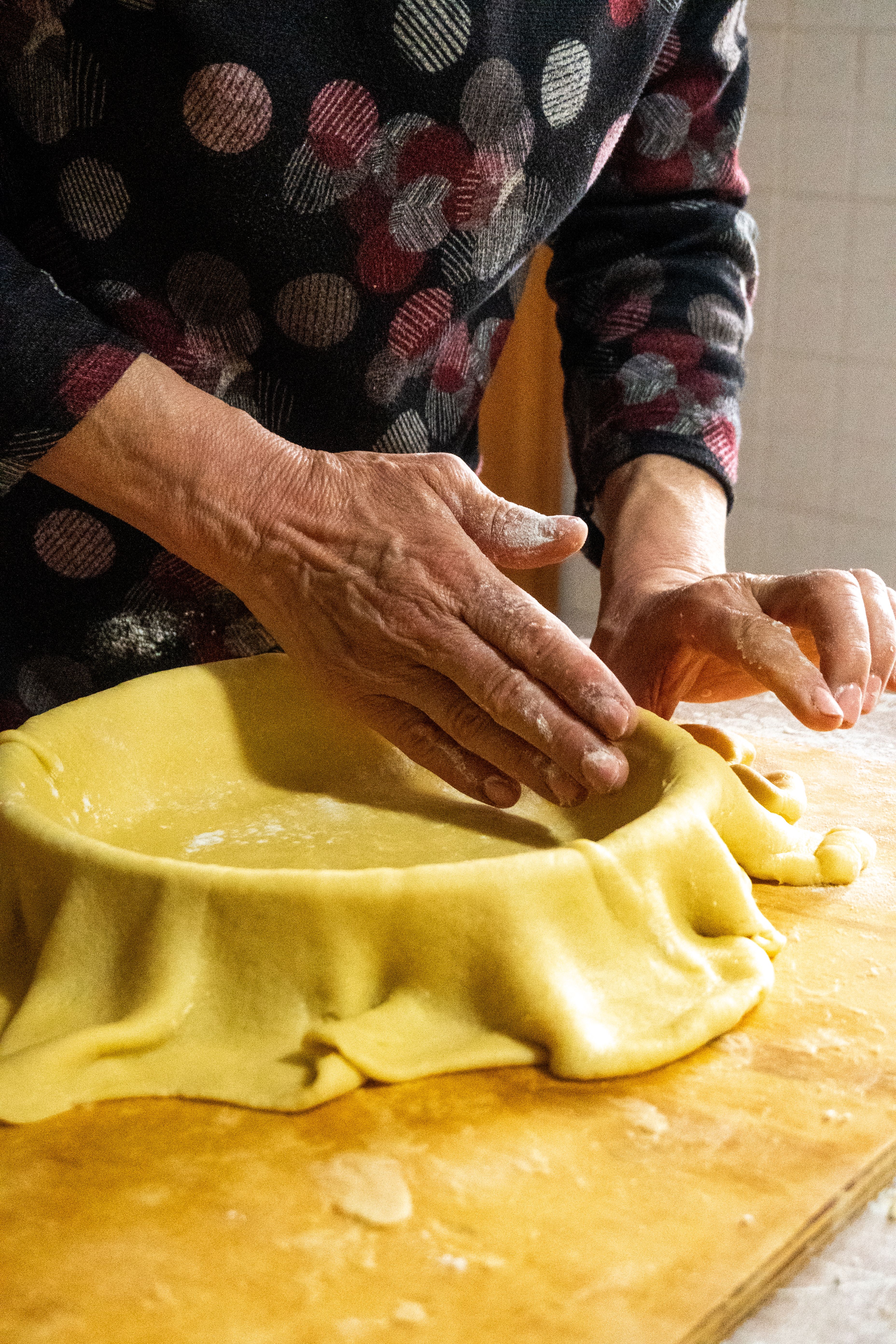
What makes the dish distinct is not simply the use of seal, but the specific use of the flippers. These cuts are rich in connective tissue, gelatin, and deep flavor, which means they respond well to slow cooking and create a dense, robust filling.
Cooks traditionally prepared the flippers by soaking them, cleaning them carefully, and sometimes parboiling them before they went into a pastry shell. Recipes vary from family to family, but many include diced onions, breadcrumbs or flour for thickening, and enough cooking liquid to create a dark, savory gravy.
The result is not delicate food. It is hearty, intensely flavored, and meant for cool spring weather. Food historians in Atlantic Canada have often pointed out that traditional regional dishes tend to prize nourishment, thrift, and full use of the animal, and seal flipper pie reflects all three values clearly.
How Easter tradition kept it alive
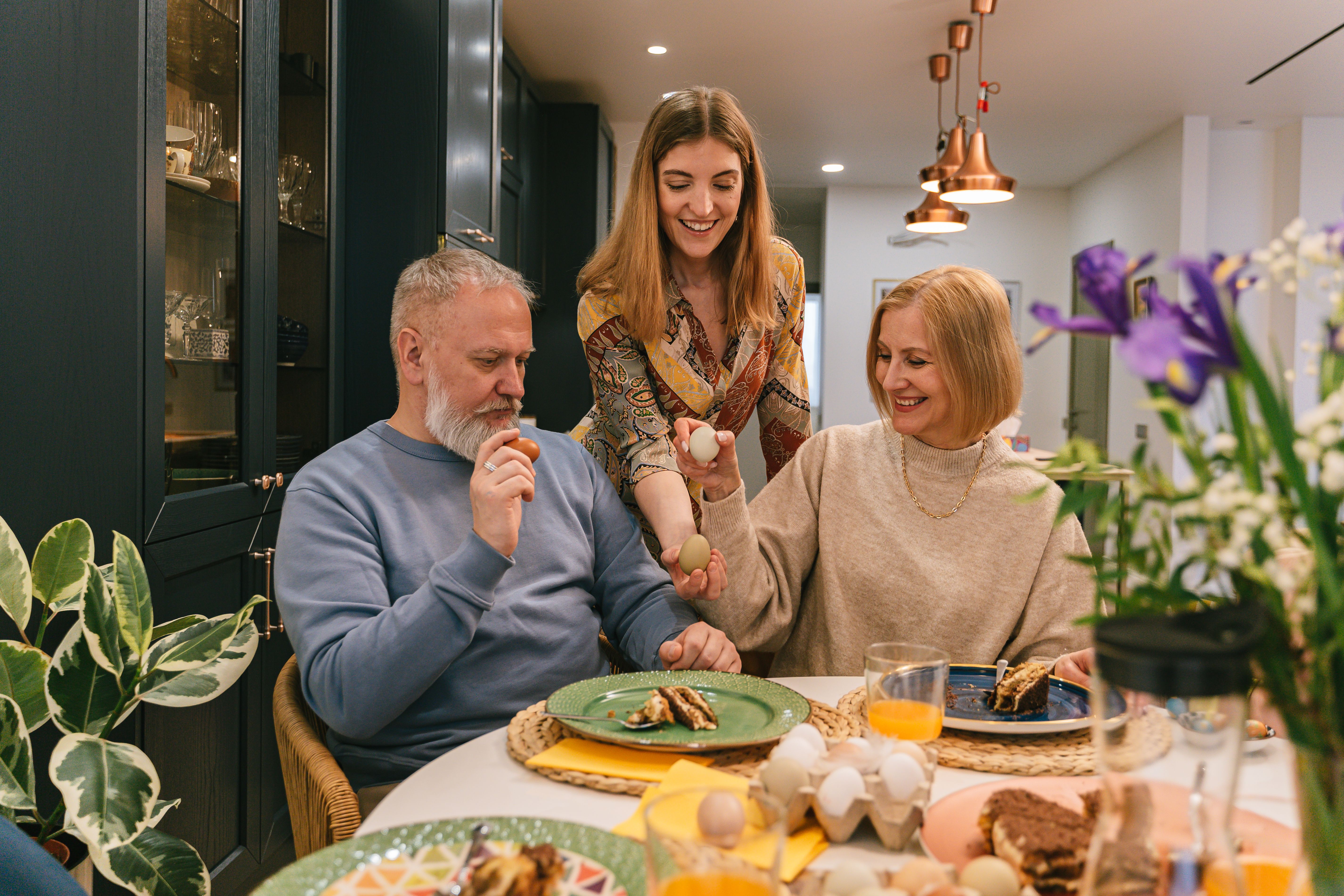
Every heritage dish survives because it is repeated, and seal flipper pie endured through custom. In many Newfoundland families, Easter was not complete without it on the table, just as other regions might center ham, lamb, or hot cross buns.
The pie often appeared beside boiled vegetables, pickles, and other holiday foods shaped by British and Irish influence. Its place in the meal linked older seal-hunting practices with Christian observance, creating a ritual that was both local and deeply seasonal.
Even people who no longer eat it often recognize its symbolic weight. It can evoke memories of grandparents' kitchens, pre-holiday preparation, and the unmistakable smell of pastry and rich meat baking in the oven. In that sense, the dish functions as a marker of belonging as much as a recipe.
The seal hunt behind the plate

Any honest account of seal flipper pie must include the hunt itself. Sealing was historically a major part of Newfoundland and Labrador's economy, especially in the 18th, 19th, and early 20th centuries, when it provided meat, oil, pelts, and seasonal income for coastal communities.
For many families, harvesting seals was tied directly to survival. It supplemented fishing incomes, provided calories at a difficult time of year, and supported trade. Eating seal was therefore not an exotic choice but an ordinary extension of working life in the North Atlantic.
Today, the commercial seal hunt remains highly controversial internationally. Animal welfare campaigns, changing markets, and political pressure have altered public perception dramatically. Yet many residents argue that outside criticism often ignores the cultural, economic, and subsistence context in which seal products have long existed.
Why the dish sparks debate today
The modern conversation around seal flipper pie is as much about identity as taste. To supporters, it represents local knowledge, sustainable use of regional resources, and resistance to being judged by outsiders unfamiliar with Newfoundland history.
Critics, on the other hand, see any celebration of seal as inseparable from concerns about animal cruelty and conservation, even though regulated harp seal populations in Atlantic Canada are monitored by federal authorities. That tension means the dish now carries political meaning that earlier generations may not have attached to dinner.
Restaurants and public food events approach it cautiously for that reason. While some chefs frame it as heritage cuisine, others avoid it entirely. What was once a straightforward holiday food can now become a conversation about ethics, memory, regional autonomy, and who gets to define acceptable tradition.
More than a meal, less than a myth
Seal flipper pie is easy to sensationalize, but doing so misses the point. Its history is not really about shock value. It is about how communities adapt food traditions to climate, religion, labor, and the narrow window of spring abundance.
Like many old dishes, it tells a story of scarcity turned into ritual. A meal once shaped by necessity became a sign of celebration, then later a symbol debated far beyond the kitchen. That arc helps explain why the dish still holds attention, even among people who may never taste it.
In Newfoundland and Labrador, traditional foods often carry the memory of hard living and careful use of available resources. Seal flipper pie remains one of the clearest examples, not because it is ordinary everywhere, but because it is so powerfully rooted in one place's past.


Leave a Reply