
A longer life may depend less on one miracle food and more on the pattern on your plate. New research suggests that eating vegetables consistently, alongside legumes and other whole foods, could make a measurable difference.
What the new study actually found

Instead of grading people against trendy diets, researchers looked at how Canadians really eat in daily life. Using machine learning, they analyzed food combinations drawn from two major national nutrition surveys and linked some participants to later hospital and mortality records through 2017.
That approach revealed three clear patterns. The healthiest was a vegetable-rich pattern built around allium vegetables such as onions, garlic, and leeks, plus cruciferous vegetables, red and orange vegetables, legumes, pasta, rice, soup, and vegetable oils. People following this pattern also tended to eat less fast food.
The results stood out sharply. Those with the highest scores on the vegetable-rich pattern had about a 51% lower risk of death from any cause and around a 45% lower risk of cardiovascular events compared with those scoring lowest. At age 45, the pattern translated to as much as 8.3 extra years of life for women and 6.1 for men.
Why dietary patterns matter more than superfoods

Nutrition headlines often spotlight blueberries, kale, olive oil, or some newly fashionable seed. But the body does not eat nutrients in isolation. Meals work as systems, with fiber, fats, protein, antioxidants, and total calorie balance interacting over years, not hours.
That is why researchers increasingly focus on dietary patterns rather than single ingredients. A plate filled with vegetables, legumes, grains, and minimally processed foods creates a different metabolic environment than one dominated by sugary drinks, refined snacks, and fast food. The difference affects blood sugar, cholesterol, inflammation, and blood pressure.
This study reinforces that broader view. The benefit was not tied to one exotic item or expensive supplement. It came from ordinary combinations people can find in most grocery stores, suggesting that longevity-supportive eating is less about perfection and more about repeating smart choices often enough for them to add up.
The foods at the center of the healthiest pattern

One of the most interesting findings was the importance of allium vegetables. Onions, garlic, and leeks formed the backbone of the vegetable-rich pattern, likely because they are eaten frequently and paired easily with soups, stews, grain dishes, and roasted vegetables. They also provide compounds associated with heart and metabolic benefits.
Cruciferous vegetables such as broccoli and cauliflower, along with orange and red vegetables like carrots and bell peppers, were also prominent. These foods are rich in fiber, potassium, carotenoids, vitamin C, and many phytochemicals that support vascular health and help improve diet quality without demanding major lifestyle upheaval.
Legumes were another defining feature. Lentils, chickpeas, black beans, and similar foods bring plant protein, slow-digesting carbohydrates, and cholesterol-lowering fiber. Their presence matters because they often replace more heavily processed foods, making the whole pattern more filling, steadier for blood sugar, and more supportive of long-term health.
The patterns linked to shorter life expectancy

The least favorable pattern centered on sugary beverages and low fruit intake. It also tended to include refined grains and salty snacks, while whole grains, whole fruit, water, yogurt, and nuts or seeds moved in the opposite direction. In other words, one poor choice often clustered with several others.
Higher scores on that sugary-beverage pattern were associated with a 31% higher risk of all-cause mortality overall. Among men, the risk increase reached 39%. Researchers estimated this pattern could mean up to 3.0 years of life lost for men and 1.7 years for women by age 45.
A separate high-fat breakfast pattern included solid fats, coffee, sugar, processed meat, eggs, and sweet breakfast foods like pancakes or waffles. It was not significantly linked to mortality or cardiovascular disease, likely because some foods in the pattern may help while others may harm. Even so, it was tied to a modest reduction in life expectancy.
What this means for everyday meals
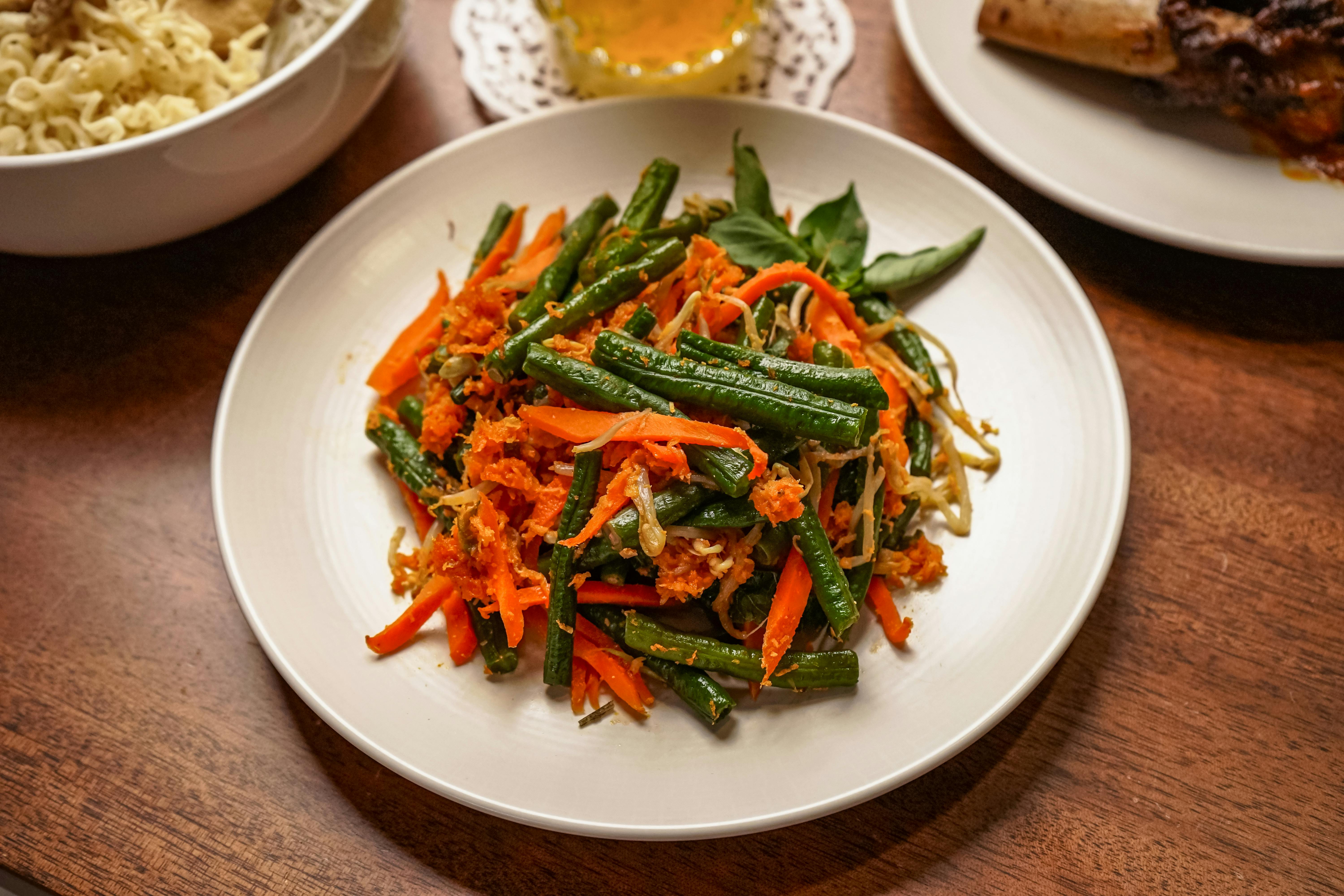
The practical message is refreshingly simple. You do not need to adopt a branded diet or hunt down niche ingredients. The strongest gains came from an overall plant-forward pattern that people could build from familiar staples, including onions, beans, soups, rice dishes, and colorful vegetables.
A realistic starting point is to add one vegetable-focused element to meals you already eat. Put onions and peppers into eggs, add lentils to soup, serve broccoli with dinner, or swap one fast-food meal for a bean-and-rice bowl. Small shifts are easier to repeat, and repeatable changes are what shape long-term risk.
Another high-impact move is replacing sugary drinks. Water, sparkling water, unsweetened tea, or whole fruit can help shift the overall pattern in a healthier direction. This matters because beverage habits often influence the rest of the diet, steering people either toward better food choices or toward more processed ones.
Important limits and the bigger takeaway

As strong as the findings are, this was still an observational study. That means it shows associations, not proof that vegetables alone caused longer life. People who eat more vegetables may also differ in exercise habits, income, smoking rates, healthcare access, or other factors that influence health outcomes.
Even with that caveat, the results fit a much larger body of evidence. Research on Mediterranean-style, DASH, and other plant-forward eating patterns has repeatedly shown benefits for heart health, metabolic disease, and longevity. This study adds a useful real-world insight by examining what people naturally eat rather than how well they follow a named plan.
The bigger lesson is clear. Long life is rarely built on one superfood or one strict rule. It is more often the result of steady patterns, and this study suggests that a plate anchored by vegetables, legumes, and fewer sugary drinks may be one of the smartest patterns to follow.




Leave a Reply