
The gap is striking. What Canadians eat clearly still depends a great deal on where they live.
A regional divide comes into focus
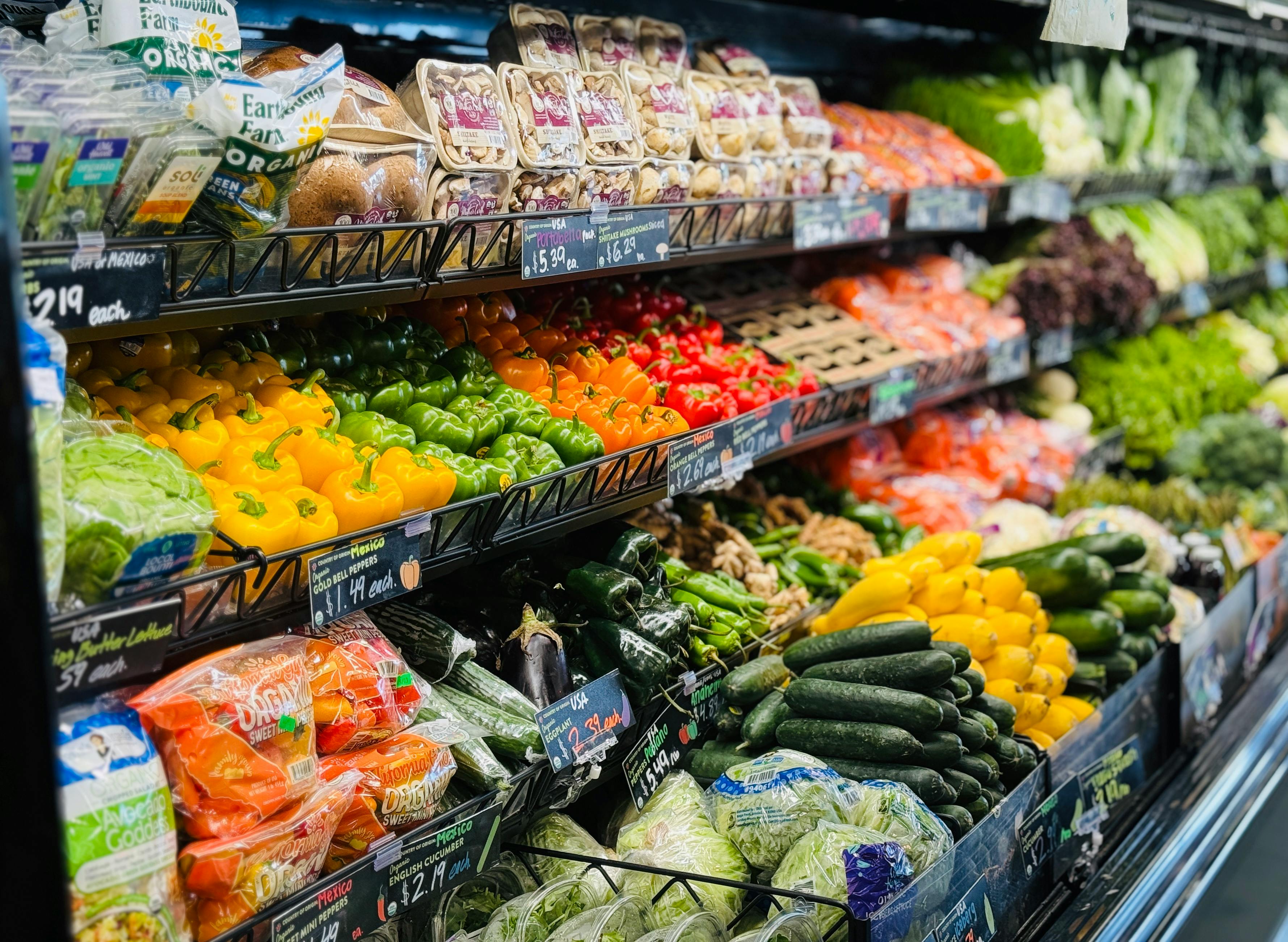
New dietary findings from NutriQuébec suggest adults in Quebec eat fruits and vegetables almost twice as often as people living in Atlantic Canada, adding fresh evidence to long-standing regional differences in food habits. The report draws on responses from nearly 7,000 participants and more than 26,000 recorded meals, giving researchers an unusually detailed picture of what Quebecers actually consume in daily life.
That matters because frequency data reveal routine behavior, not just broad preferences. When produce shows up more often, it usually signals a healthier baseline eating pattern across breakfasts, lunches, dinners, and snacks. Public health experts often look at these patterns to understand risks tied to obesity, cardiovascular disease, diabetes, and certain cancers.
The contrast with Atlantic Canada does not necessarily mean one region lacks awareness. Instead, it points to a mix of food culture, retail access, pricing, meal traditions, and the availability of convenient healthy options. Diet quality is rarely driven by a single factor.
What Quebecers are actually eating

One of the strongest features of the NutriQuébec report is its specificity. It does not stop at nutrient totals. It identifies the foods most often appearing on Quebec plates and shows how produce fits naturally into regular meals.
Breakfast in Quebec commonly includes toast, peanut butter, eggs, and bananas. Snacks often feature apples, chips, cheese, and bananas, a combination that blends healthier choices with processed foods. At dinner, convenience items such as pizza become more visible, showing that even relatively strong produce intake exists alongside the same modern food pressures seen elsewhere.
The produce list is especially revealing. Berries rank first among fruits, followed by bananas and apples. Among vegetables, onions come first, then tomatoes and carrots. According to Benoît Lamarche of Université Laval, most of those foods, aside from bananas, can be produced locally, which may help explain their steady presence in Quebec diets.
Why frequency matters more than many people realize

Eating fruits and vegetables more often is not simply about hitting a nutrition target. It usually changes the overall structure of a diet. Produce-rich eating patterns tend to bring more fiber, potassium, antioxidants, and water while displacing some highly processed foods.
Researchers also note that timing matters. In Quebec, fruits are mostly consumed at breakfast and as snacks, while vegetables are more commonly built into mixed dishes at lunch and dinner. That means produce is not confined to one idealized meal but spread across the day, which strengthens its nutritional impact.
This kind of habitual exposure can influence taste preferences over time. Adults who regularly reach for berries, bananas, apples, tomatoes, or carrots may be more likely to normalize produce for children and other household members as well.
The hidden nutritional story behind the plates
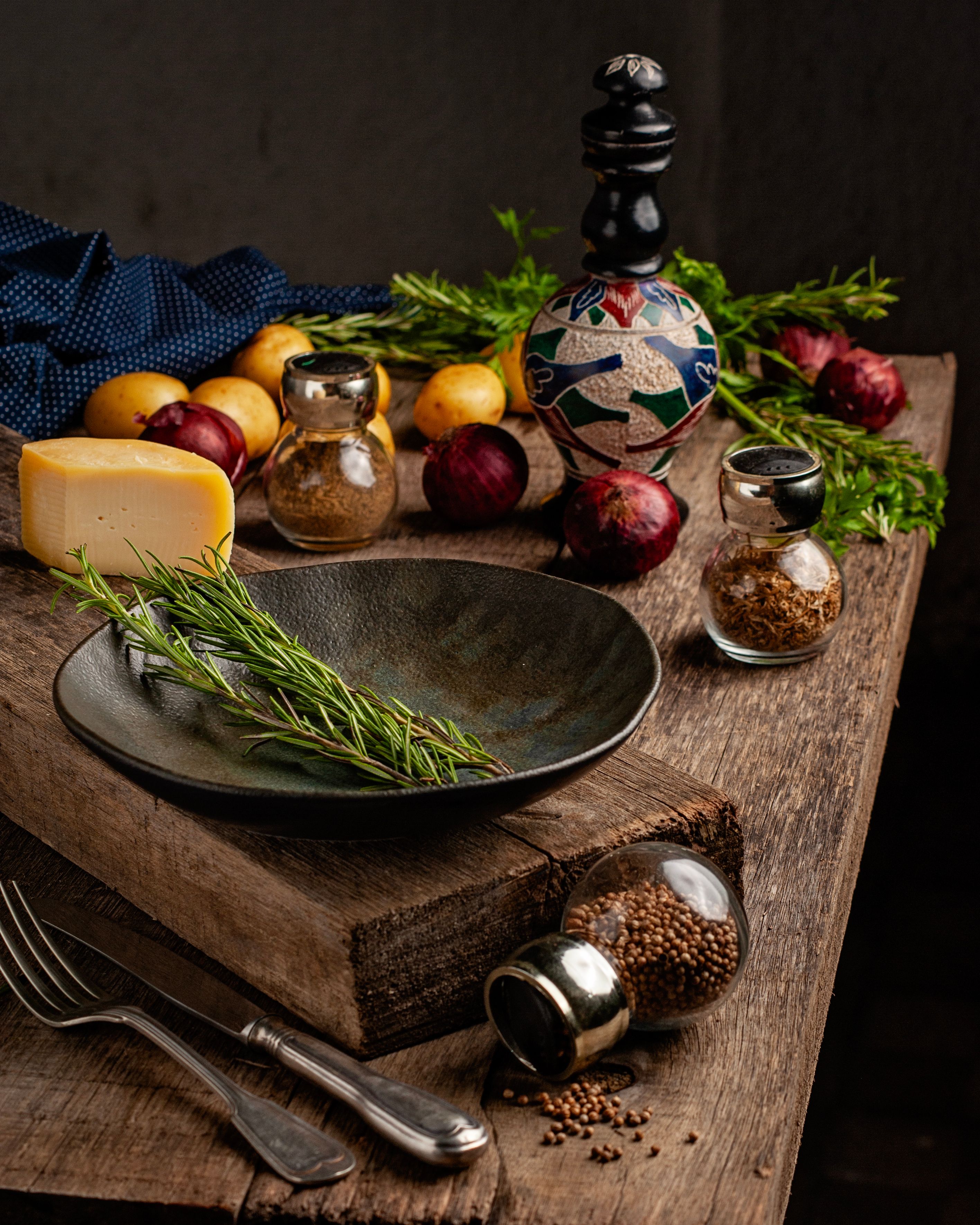
The NutriQuébec findings also show that higher produce intake does not automatically mean a perfect diet. Cheese appears repeatedly across meals and stands out as the main source of saturated fat, accounting for 25% of intake. Sodium is heavily tied to seasonings, condiments, sauces, breads, and cheeses, which together make up nearly 50% of intake.
Free sugars remain another concern. Sweet products such as jam, candy, chocolate, muffins, cookies, pastries, and sugary beverages, including fruit juice, account for more than 60% of free sugar intake. In other words, Quebecers may outperform other regions on produce frequency while still facing major challenges from processed and discretionary foods.
That nuance is essential. Good dietary patterns are often mixed patterns, with healthy staples and problematic excesses appearing side by side.
Why Atlantic Canada may be trailing
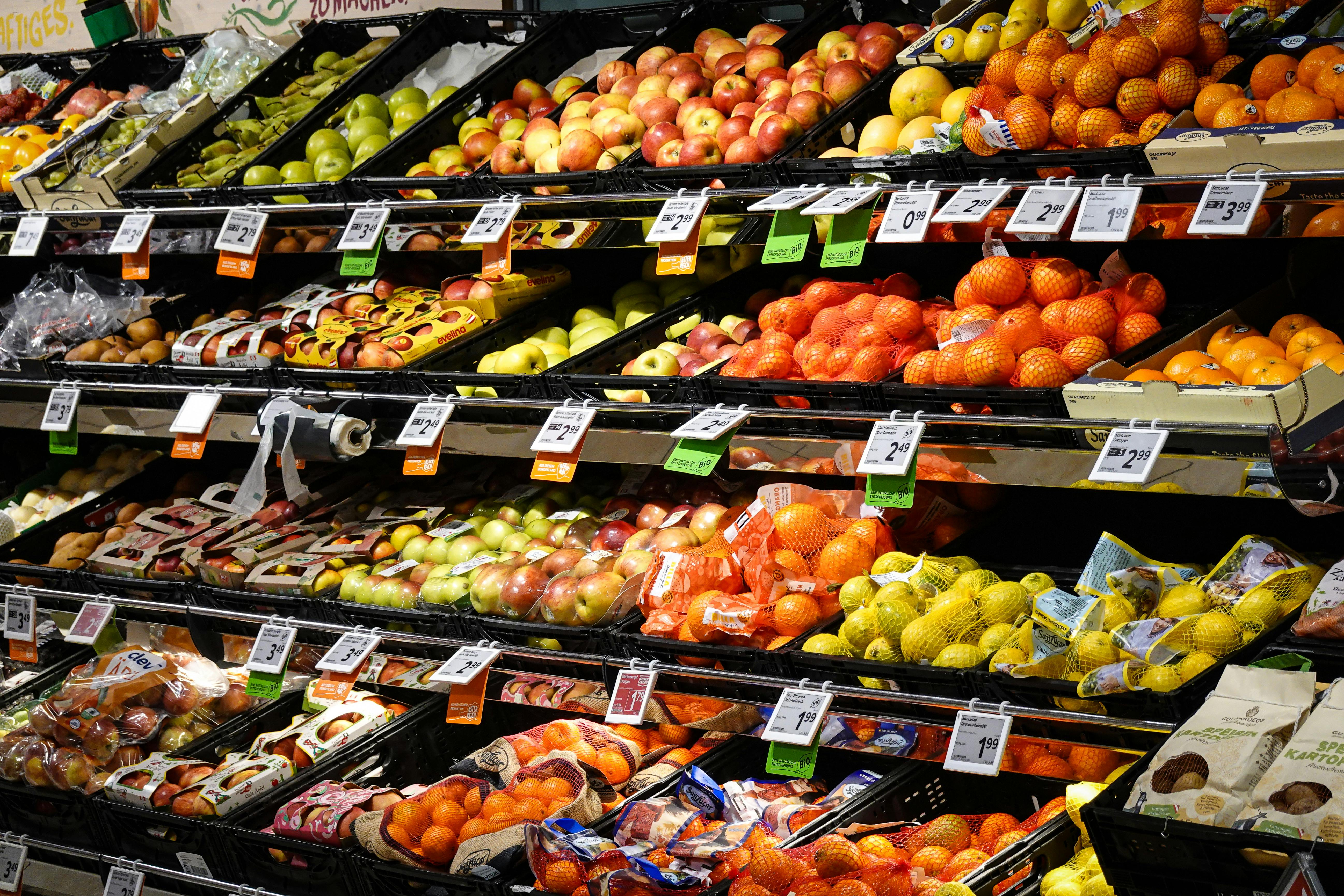
Several structural explanations may help account for weaker fruit and vegetable frequency in Atlantic Canada. Food prices are a likely factor, especially in smaller or more remote communities where fresh produce can cost more and spoil faster. Retail variety can also narrow outside major urban centers.
Climate and distribution realities matter too. Regions with shorter local growing seasons often depend more heavily on transported produce, which can affect affordability and freshness. Household budgets under pressure tend to favor shelf-stable foods that stretch further and require fewer shopping trips.
There is also the force of habit. Regional cuisines develop around familiar staples, and those traditions can persist even as dietary guidance changes. Public health campaigns are most effective when they work with local food culture rather than against it.
What the findings could mean for policy and families

For policymakers, the lesson is practical. If a limited number of food categories drive both nutritional strengths and weaknesses, interventions can be more targeted. Encouraging produce consumption is important, but reformulating common foods to reduce sodium, saturated fat, and free sugars could deliver broad benefits quickly.
For families, the report offers a simpler message. Small, repeated choices matter more than dramatic overhauls. Adding fruit to breakfast, keeping apples or berries available for snacks, and building onions, tomatoes, and carrots into everyday meals can shift diet quality in a meaningful way.
NutriQuébec researchers say they want broader participation across regions to sharpen the national picture further. That is a reminder that food data are not abstract. They describe real routines, real constraints, and real opportunities to eat better.




Leave a Reply