
Canada talks a lot about healthy eating. The latest data shows how far everyday habits still are from that goal.
A snapshot of a stubborn nutrition gap

Statistics Canada reports that in 2023, only 21.6% of adults living in the provinces ate fruits and vegetables five or more times a day. That means nearly 4 in 5 adults did not reach that frequency benchmark. For a country with broad access to nutrition guidance, the number is strikingly low.
This matters because fruit and vegetable intake is closely linked to lower risk of chronic disease. Diets rich in produce are associated with lower rates of hypertension, type 2 diabetes, some cancers, and cardiovascular disease. Those are not minor concerns, given that heart disease and cancer remain among Canada's leading causes of death.
The finding also shows that nutrition is not simply a matter of personal choice. Food prices, work schedules, cooking skills, family routines, and local availability all shape what people eat. When fewer than a quarter of adults hit even a basic frequency target, the issue is clearly structural as well as personal.
Who is meeting the mark, and who is falling behind

Age makes a visible difference. Canadians aged 65 and older were the most likely to eat fruits and vegetables five or more times a day, at 24.5%. Adults aged 18 to 34 were much less likely to do so, with only 17.6% reaching that level.
Sex differences were just as clear. More than 1 in 4 women, or 25.8%, met the benchmark, compared with 17.3% of men. That gap often reflects differences in meal planning, health awareness, and food choices, though time demands and social habits likely play a role too.
Statistics Canada also found variation by ethnicity. Among racialized groups, the share ranged from 14.0% for West Asian Canadians to 19.9% for Chinese Canadians, while 23.0% of the non-racialized population reported eating fruits and vegetables five or more times a day. These differences can reflect income, food access, cultural habits, and settlement patterns.
Quebec leads, but the bigger story is uneven access

Quebec stood out as the province with the highest frequency of fruit and vegetable consumption, according to the national release. That leadership may reflect a mix of food culture, retail access, and long-standing public health messaging. Even so, being the leader in a weak national showing underlines how much room for improvement remains.
Regional differences usually reveal more than preference alone. Households in large urban centres may have better access to fresh produce, but they also face higher living costs. Smaller communities can encounter the opposite problem, with fewer stores, less variety, and greater dependence on shipped food.
The result is a patchwork food environment. A person's postal code can influence cost, convenience, and quality before any personal decision is made. That helps explain why national averages conceal real inequalities between provinces, cities, and neighbourhoods.
Rising prices have made healthy choices harder
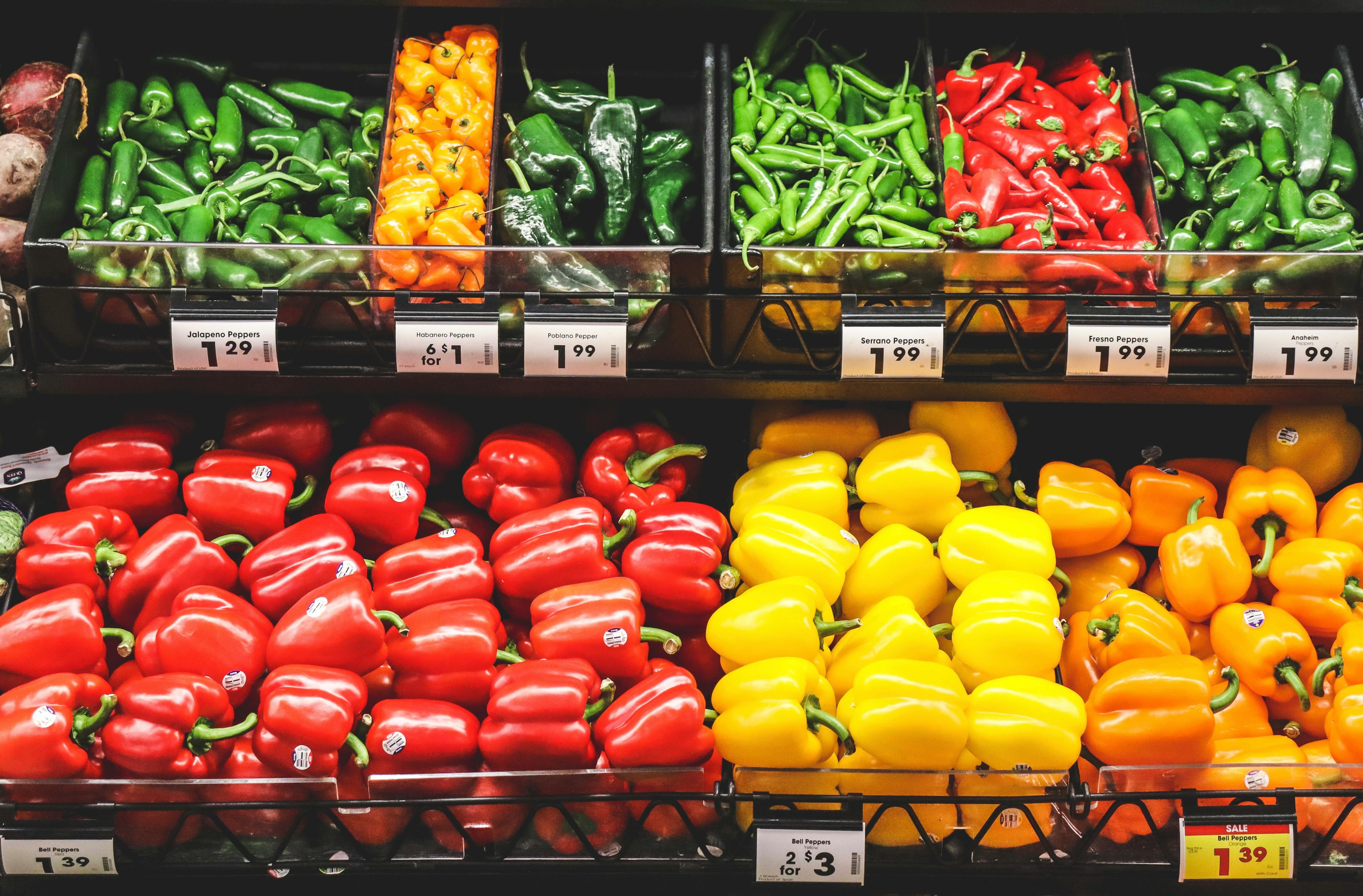
One of the clearest pressures is cost. Statistics Canada noted that fruit and vegetable prices were about one-fifth higher in 2023 than they were in 2021. For households already stretching grocery budgets, produce is often one of the first categories where quantity, quality, or variety gets cut back.
Fresh berries, leafy greens, peppers, and grapes can become occasional purchases instead of weekly staples. Families may shift toward cheaper, more filling foods with longer shelf life, especially when rent, transportation, and childcare costs are also rising. That tradeoff is financially rational, even if it is nutritionally costly.
Price pressure also changes shopping behaviour in subtle ways. People buy fewer items that spoil quickly, skip extra produce for snacks, or avoid trying unfamiliar vegetables. Over time, these small adjustments can reduce daily intake well below recommended patterns.
Why frequency still matters in real life

Eating fruits and vegetables five or more times a day is not a perfect measure of nutrition, but it is a useful signal. It captures how often produce appears in everyday meals and snacks. In public health terms, that frequency is a practical way to track broad eating habits across the population.
A person who adds berries at breakfast, a salad at lunch, and two vegetable sides at dinner will likely score well. Someone relying on takeout, processed snacks, or rushed meals may not. The measure does not judge perfection, but it does reveal whether produce is part of daily routine.
Doctors and dietitians often stress consistency over extremes. The health benefit comes less from occasional "clean eating" days and more from repeated habits that support fibre intake, micronutrients, and better overall diet quality. That is why a low national figure deserves attention.
What would actually help Canadians eat more produce

Better eating habits usually begin with easier choices, not lectures. Policies that lower the cost of healthy food, improve access in underserved communities, and support school and workplace nutrition can make a measurable difference. Public health experts have long argued that affordability is one of the strongest levers available.
Practical education matters too. Many adults know fruits and vegetables are healthy, yet struggle with planning, storage, and preparation. Simple cooking instruction, clearer food guidance, and realistic meal ideas can help people turn good intentions into routines that fit busy lives.
The latest data should be read as a warning, not a curiosity. When only 21.6% of adults eat fruits and vegetables five or more times a day, the problem is bigger than willpower. Canada's nutrition challenge is now inseparable from the cost, convenience, and design of daily life.




Leave a Reply