
That claim is funny, but it does not hold up. Nanaimo Bars may be old-fashioned, yet they are still widely eaten across generations in Canada.
The stereotype comes from nostalgia, not reality

At first glance, the joke makes sense because Nanaimo Bars are deeply tied to mid-20th-century Canadian home baking. They often appear on holiday trays, church tables, school fundraisers, and family gatherings where recipes are passed down from grandparents. That kind of setting can make the dessert seem older than it really is.
But nostalgia is not the same as irrelevance. Plenty of foods with long histories still attract younger fans, especially when they are easy to recognize and easy to share. Nanaimo Bars fit that pattern well because they are rich, portable, and require no baking.
Younger Canadians may not talk about them as often as trendy pastries or imported desserts, but that does not mean they are absent from modern life. In many households, they remain a December staple. In bakeries and cafes, they still show up as a dependable classic beside brownies, butter tarts, and date squares.
What a Nanaimo Bar is, and why people keep buying it

The appeal starts with texture. A classic Nanaimo Bar has a crumbly chocolate-coconut base, a soft vanilla or custard-flavored middle, and a firm chocolate top. That three-layer structure gives it a very specific identity, and people who like it tend to like it a lot.
Its richness also helps explain why it survives. This is not an everyday lunchbox snack for most people. It is more of a treat for holidays, office parties, coffee breaks, and dessert platters, which means demand can remain steady even if consumption is occasional.
Commercial sales also tell part of the story. Major Canadian grocery chains, independent bakeries, and frozen dessert brands continue to stock Nanaimo Bars. Businesses do not keep shelf space for products nobody under 80 buys. If younger adults never touched them, retailers would have phased them out years ago.
Younger Canadians often eat them in updated forms

A more accurate version of your friend's joke is that younger people may eat Nanaimo Bars differently. Instead of making the exact family recipe, many buy mini versions, gluten-free versions, espresso-flavored versions, or bars with peanut butter, mint, salted caramel, or dark chocolate.
Food culture has also helped keep them visible. Canadian cooking shows, tourism campaigns, and regional food lists regularly mention Nanaimo Bars as a national classic. That kind of attention introduces the dessert to people who did not grow up with it and frames it as something proudly Canadian rather than merely old.
Social media has played a role too. Holiday baking videos, recipe reels, and nostalgic food content frequently feature Nanaimo Bars because the layers look attractive on camera. A dessert does not need to be trendy year-round to stay culturally alive.
Regional pride matters more than age

Here is the key point: Nanaimo Bars are not just dessert, they are identity. The square is named after Nanaimo, British Columbia, and it holds a special place in Canadian culinary folklore. Foods linked to place often survive because they symbolize home, memory, and local pride.
That matters across age groups. An older Canadian might love Nanaimo Bars because they remember them from childhood. A younger Canadian might choose one because it feels classic, local, and a little kitschy in a charming way. Those are different motivations, but both lead to the same bakery counter.
You can see this in tourism and hospitality as well. Restaurants, cafes, and souvenir-oriented food businesses still use Nanaimo Bars to represent Canadian sweets. Items that truly belong only to a very old demographic rarely get promoted as national calling cards.
The dessert's reputation works against it a little

There is, however, a reason the joke lands. Nanaimo Bars can seem heavy, sweet, and slightly retro compared with lighter modern desserts such as macarons, mochi doughnuts, or fruit-forward pastries. Some younger eaters may prefer newer flavor profiles or less sugary treats.
The dessert also lives in a category of foods associated with special occasions rather than everyday cravings. That can make it seem less visible among younger people, especially if they eat out often and choose trend-driven items. Reduced visibility is not the same as disappearance.
In fact, many classic foods cycle in and out of fashion without ever leaving the culture. Nanaimo Bars have had exactly that kind of life. They may not dominate the dessert conversation, but they remain familiar, available, and appreciated.
So, is your friend right?
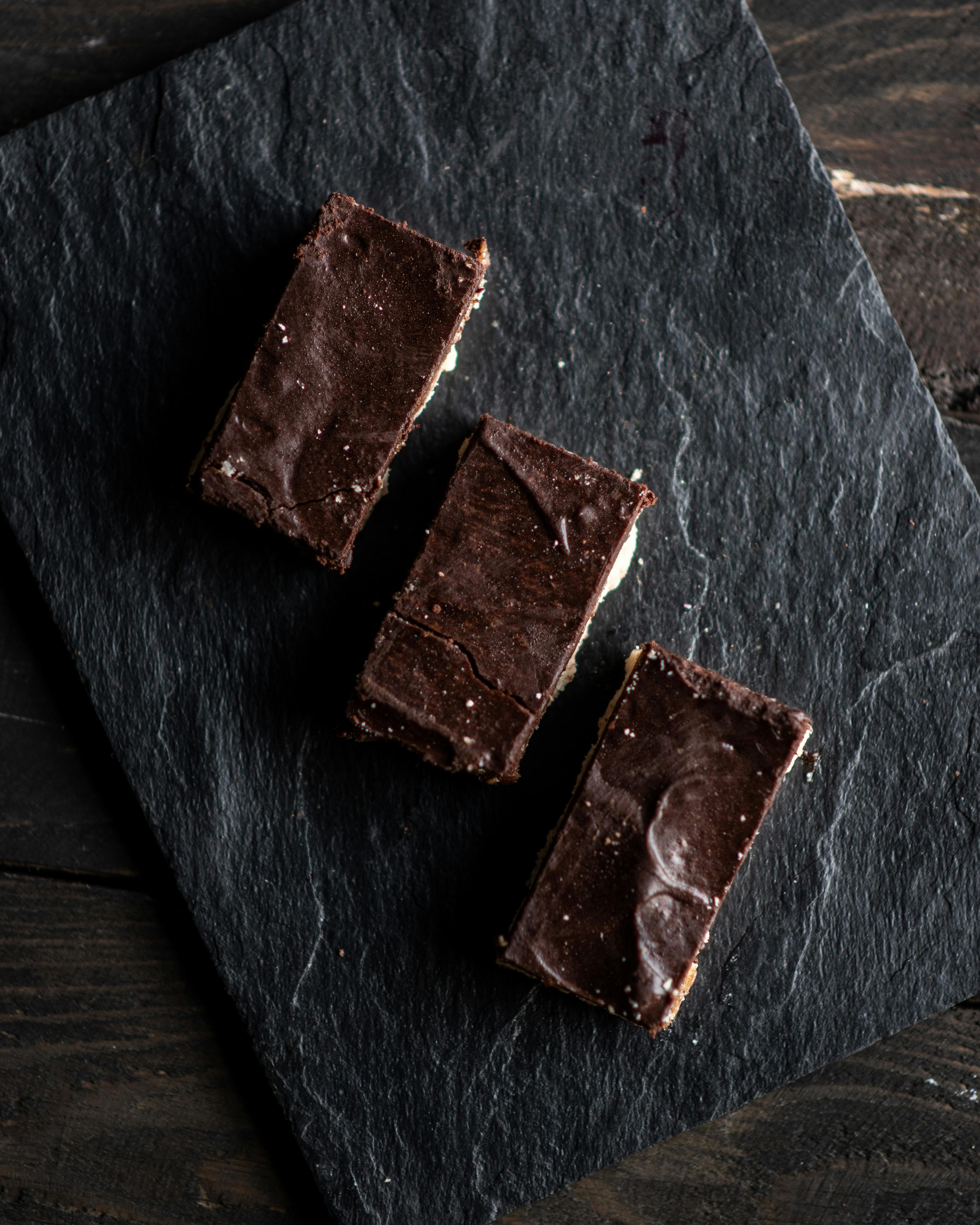
No. It is not true that no one under 80 eats Nanaimo Bars. The better answer is that Nanaimo Bars are an older Canadian classic that still has a meaningful place among younger and middle-aged Canadians, even if they enjoy it more occasionally or in updated versions.
If anything, the dessert now lives in two worlds at once. It is both a nostalgic family square and a recognizable Canadian icon that still appears in stores, cafes, cookbooks, and online recipes. That is not the profile of a dessert abandoned by everyone except the very old.
So your friend gets points for comic timing, not accuracy. Nanaimo Bars are not dead, and they are not reserved for octogenarians. They are simply one of those enduring sweets that survive because tradition, taste, and national identity continue to meet in one very rich square.




Leave a Reply