
Snack debates usually sound playful, but they reveal real differences in how countries develop products for local tastes. In Canada, criticism of American snacks often comes down to flavor balance, ingredients, and portion size, not just patriotism.
Candy bars and sweetness
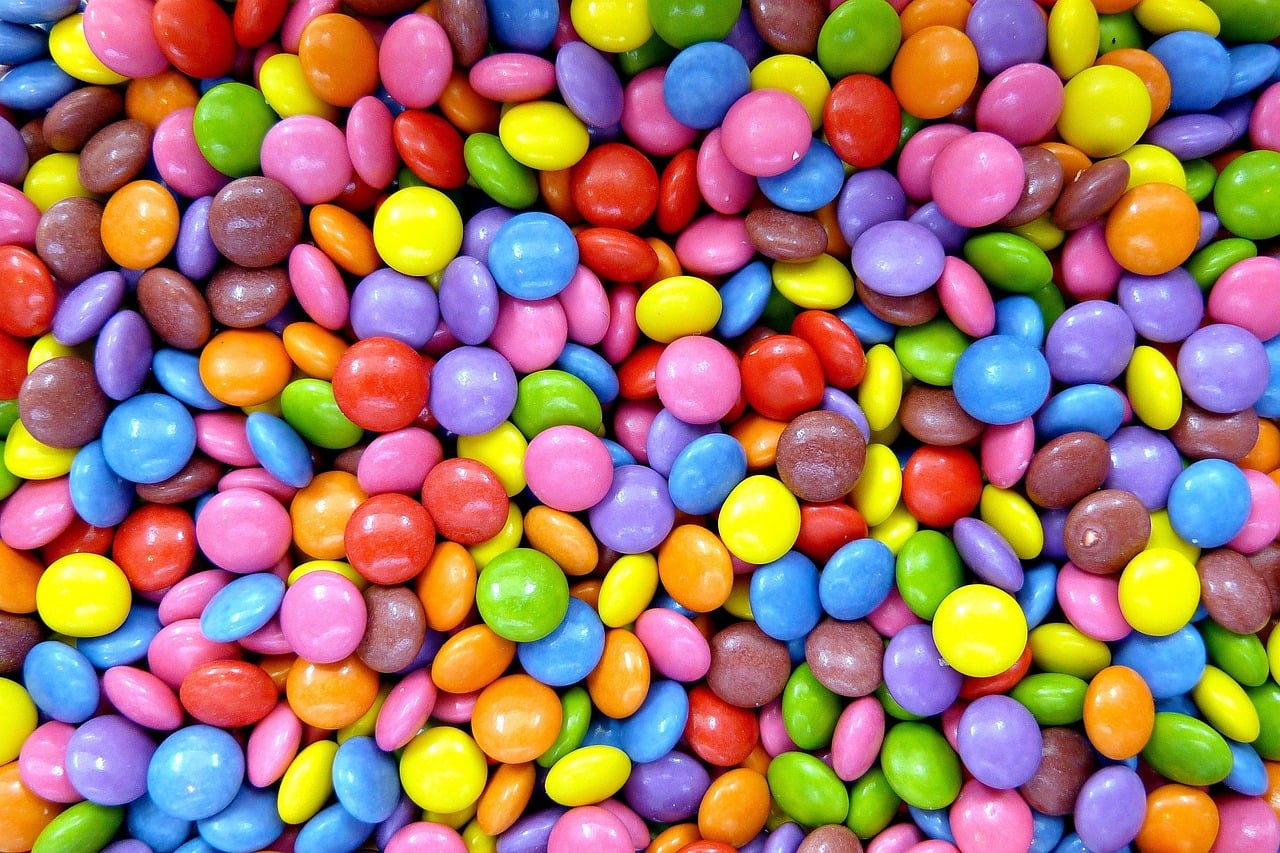
For many Canadian shoppers, the first surprise in American candy bars is intensity. Chocolate snacks sold in the United States often lean harder into sweetness, with caramel, nougat, peanut butter, and cookie pieces layered into one bar. That can make the first bite exciting, but it also means the sugar level builds fast.
Taste differences are not imagined. Food companies routinely tailor recipes for different markets, and sweetness preference is one of the most common variables. A bar that feels rich and satisfying in one country can taste overdone in another, especially to people used to slightly milder chocolate profiles.
That helps explain why American candy bars are often described in Canada as busy rather than balanced. The issue is not always quality. It is the feeling that every flavor is turned up at once, which can flatten the chocolate itself.
Breakfast cereal as a snack
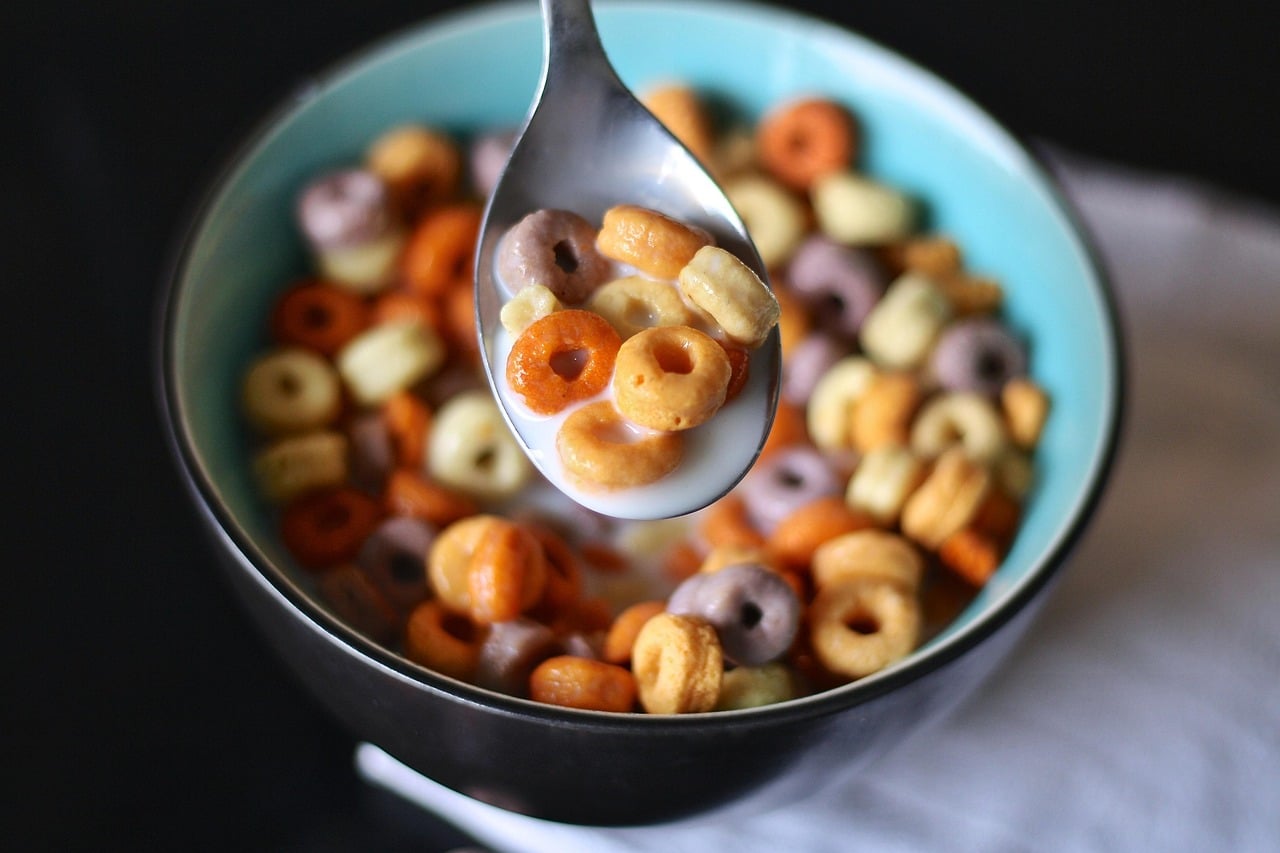
A bowl of cereal often doubles as a snack, and this is one category where American formulas can feel especially bold. Bright colors, marshmallow pieces, frosting flavors, and dessert-style branding are far more common in the United States. For some Canadians, that moves cereal away from comfort food and closer to candy.
Nutrition conversations also shape perception. Products aimed at children in the U.S. have long drawn attention for high sugar content and cartoon-forward marketing. Even when buyers know exactly what they are getting, the overall effect can still feel excessive compared with plainer, grain-driven options.
The result is a gap between novelty and repeat appeal. A sugary cereal may be fun to try once, but that does not guarantee people will want a second box. Canadians who criticize these snacks often point to that difference between curiosity and everyday enjoyment.
Cheese snacks and powdered flavor

Cheese crackers, puffs, and chips are another dividing line. American versions often use a stronger powdered coating, with salt and artificial cheese flavor designed to hit immediately. That punchy style can be satisfying in small amounts, but it can also become tiring halfway through the bag.
This is where texture matters as much as taste. A light puff or crisp cracker can carry a lot of seasoning, and companies use that contrast deliberately. The coating dissolves fast, so the first impression is flavor, not the grain or corn base underneath.
Canadian criticism of these snacks usually comes down to aftertaste. Many people enjoy the opening crunch, then lose interest when the flavor turns chalky or overly salty. In other words, the complaint is often about finish, not first bite.
Peanut butter cups and richness
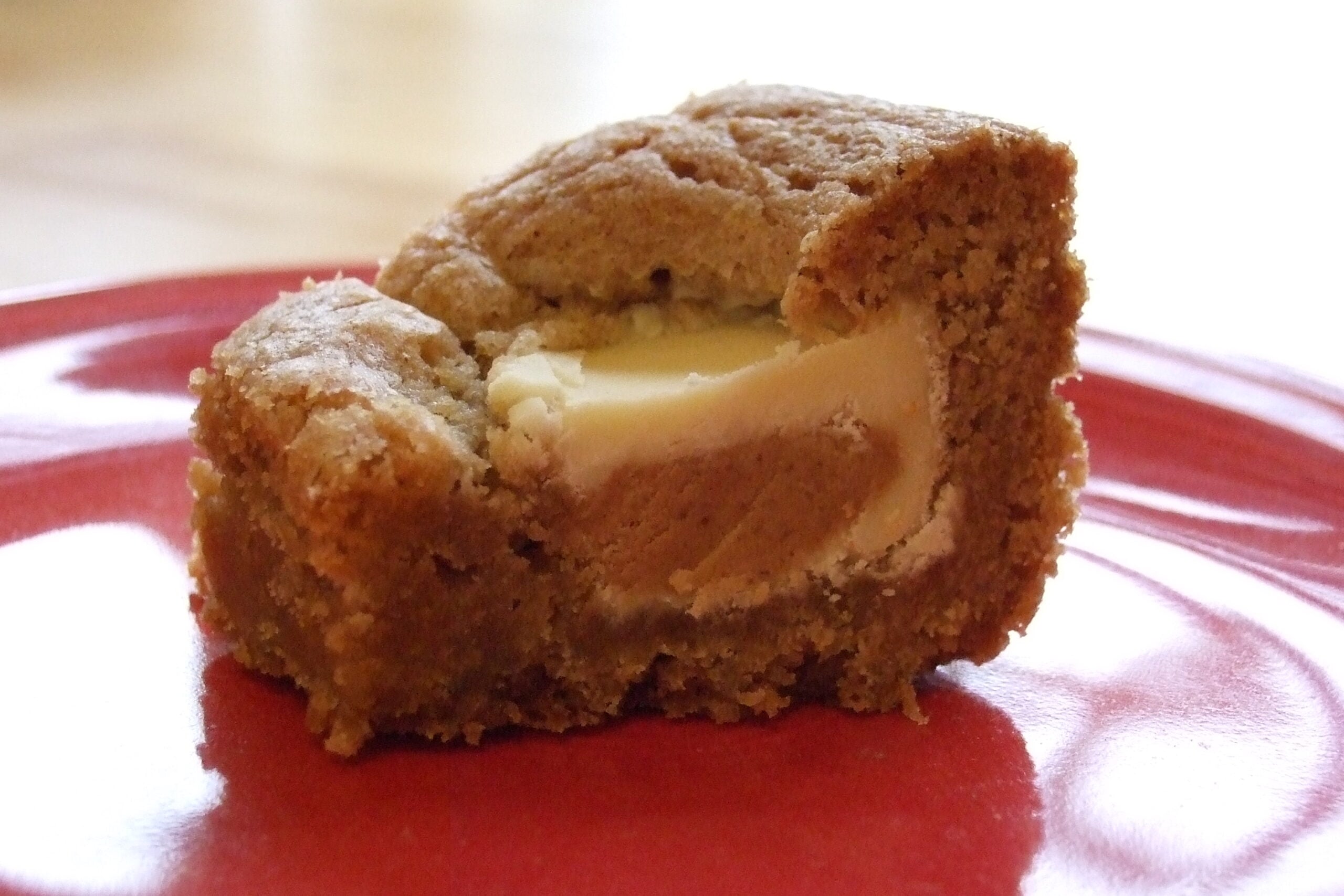
Peanut butter cups are popular on both sides of the border, yet they still divide snack fans. American versions often emphasize creamy filling, sweetness, and a soft texture that blends quickly in the mouth. For some Canadians, that combination reads as comforting. For others, it feels heavy after just one piece.
The chocolate layer plays a big role here. If the shell is sweet and the filling is also sweet, there is little contrast to keep the flavor moving. That can make the snack feel less like chocolate with peanut butter and more like sugar with peanut butter notes.
Supporters would call that indulgent. Critics tend to call it one-note. Either way, peanut butter cups show how a very successful American snack can still miss with people who prefer sharper contrast and a less dessert-like finish.
Soda paired with salty snacks
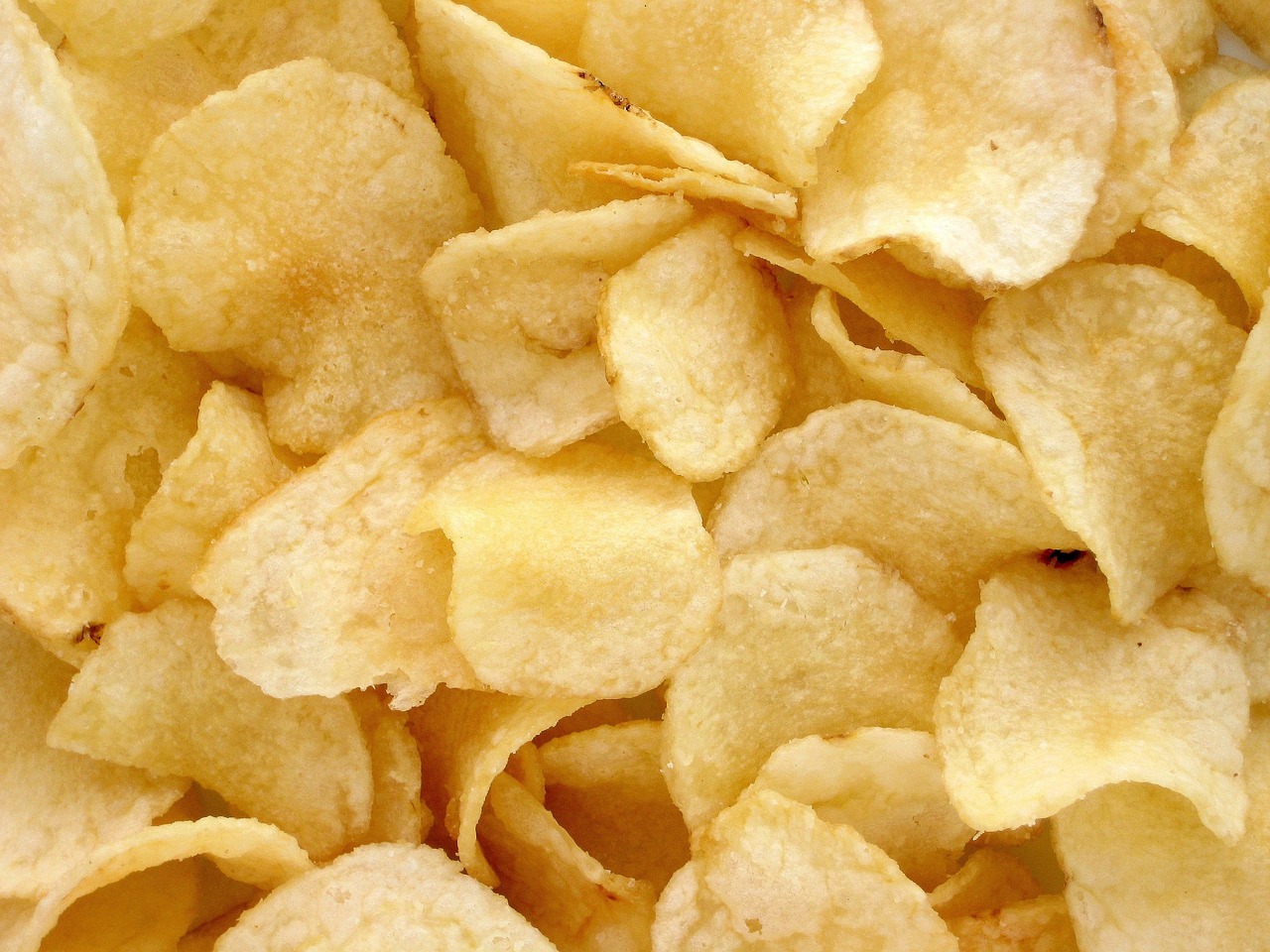
Sometimes the complaint is not about one snack alone, but the whole American snack pattern. Salty chips, neon cheese crackers, and very sweet soda create a flavor cycle built on extremes. Each item pushes the next, which can make the overall experience feel louder than satisfying.
Portion size adds to that impression. Convenience stores and warehouse retailers in the United States are known for large single-serve bags, fountain drinks, and combo deals. For Canadians used to somewhat more restrained formats, the scale can shape taste before the first bite even happens.
That matters because eating is sensory and cultural at the same time. A snack that arrives in a giant portion with an extra-sweet drink may be judged as excessive even if the product itself tastes fine. Context changes flavor more than people think.
Novelty snacks versus everyday snacks
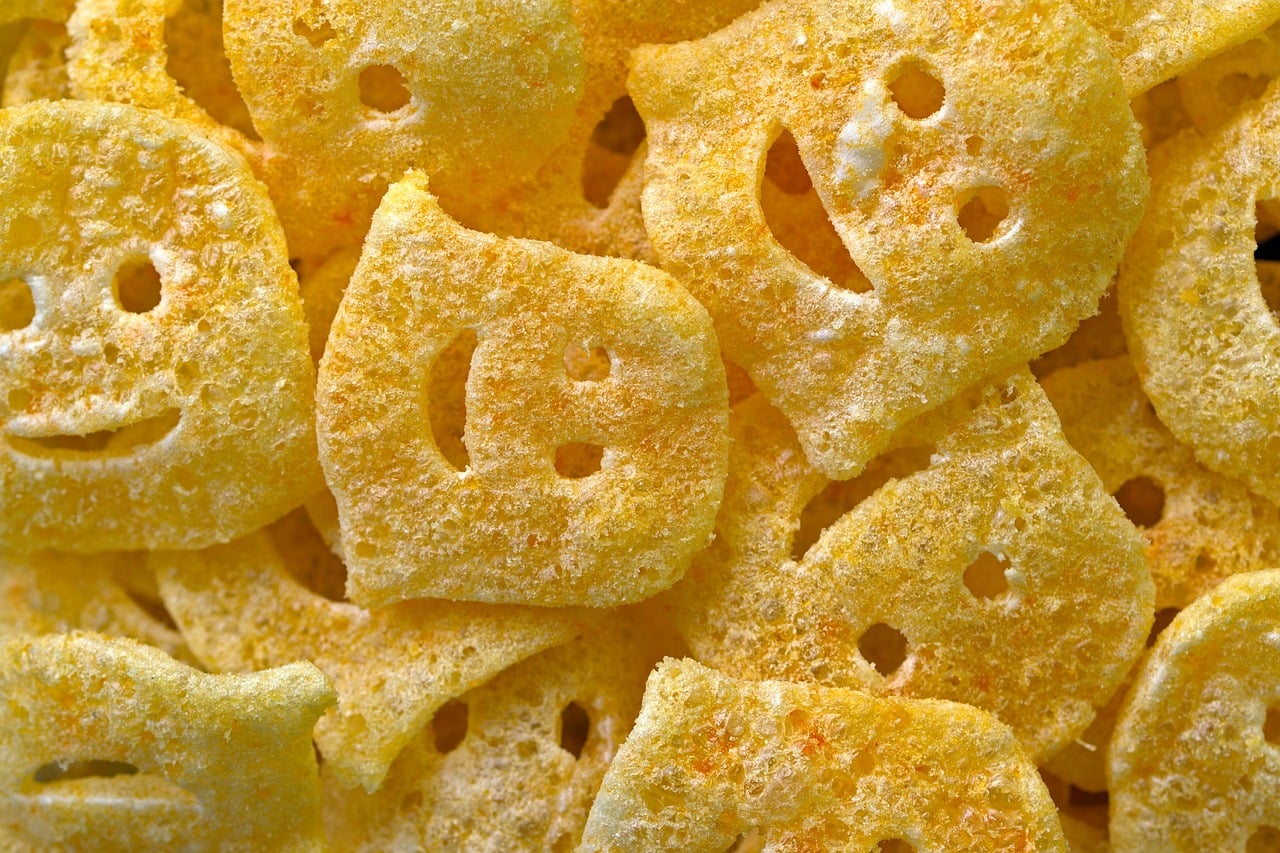
The fairest way to read this debate is that many American snacks are built to stand out, not to disappear into daily routine. Limited editions, mashups, extra-stuffed fillings, and seasonal colors are common U.S. strategies. They create buzz, but they can also make products feel more like stunts than staples.
Canadian tastes are not simple or uniform, and plenty of Canadians genuinely love American snacks. Still, the recurring criticism follows a clear pattern. People tend to reject products that seem too sweet, too artificial, too salty, or too large to finish comfortably.
So do Americans snacks taste bad to Canadians. Not universally. But when Canadians say they do not, they are often responding to a specific style of food design, one built around maximum impact rather than balance.




Leave a Reply