
Fresh food is now rising above Montreal's streets. What started on a single roof has matured into a city-serving farm network with year-round reach.
From a flagship roof to a citywide system

The story begins with the success of large-scale rooftop greenhouse farming in Montreal, where commercial growers proved that unused urban roofs could become productive agricultural land. Instead of treating rooftops as dead space, operators turned them into controlled growing environments capable of supplying lettuce, herbs, tomatoes, and cucumbers close to where people live. That changed the local conversation around food production.
As demand grew, expansion followed. The network now spans six sites, creating a distributed production model rather than relying on one flagship greenhouse. That matters because multiple sites reduce risk, improve delivery efficiency, and allow operators to tailor production to neighborhood demand, retail partners, and seasonal conditions across the metropolitan area.
This six-site structure also signals that rooftop farming in Montreal is no longer a novelty. It has become infrastructure. In practical terms, that means regular harvest schedules, long-term supply agreements, and a measurable role in the city's broader fresh food ecosystem.
Why Montreal can grow food through winter
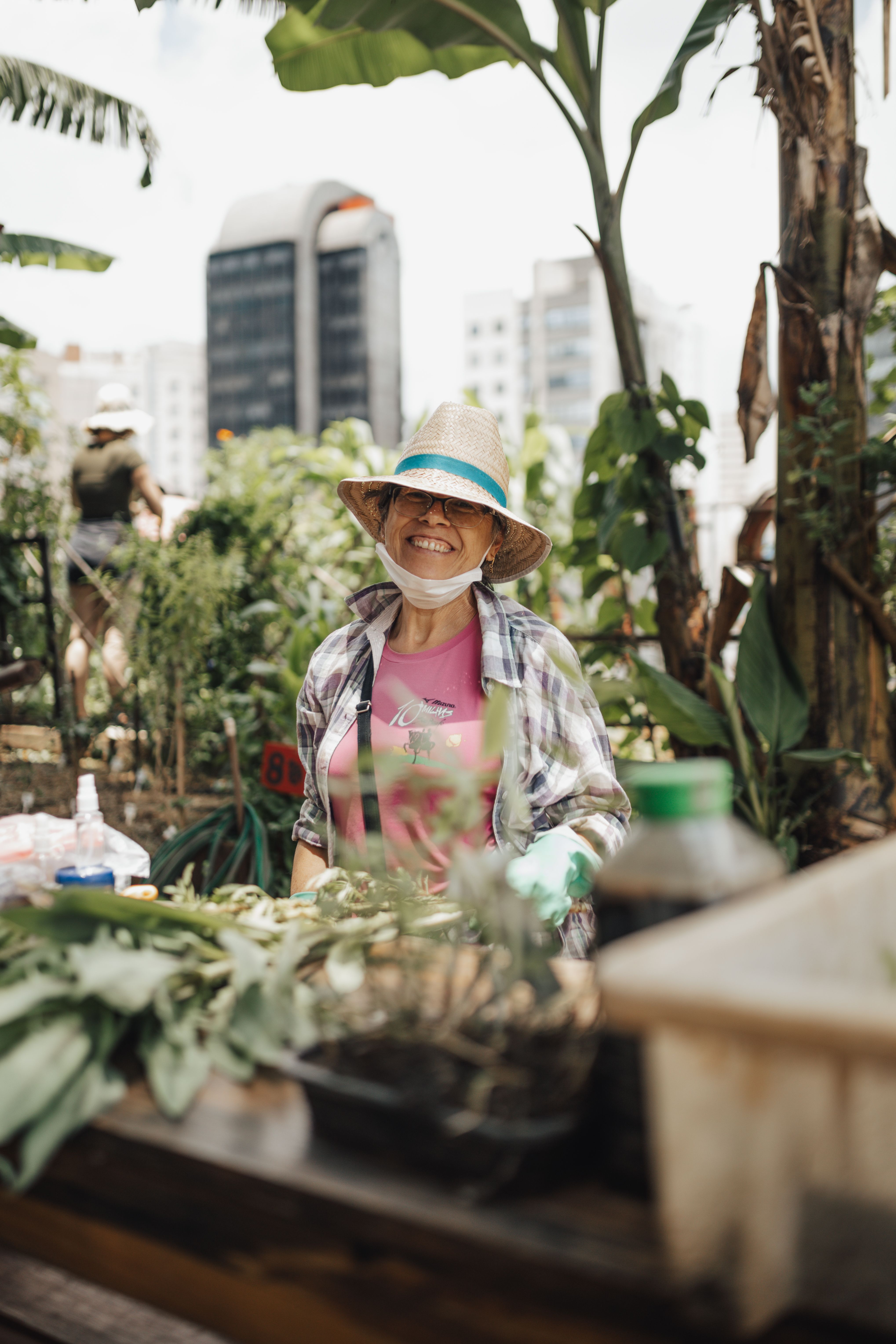
Cold weather usually defines the limits of Canadian farming, but rooftop greenhouses are designed to weaken that barrier. By using enclosed structures, climate control systems, and hydroponic production methods, Montreal growers can maintain output through snow, wind, and short daylight periods. The result is steady harvests when conventional regional fields are frozen.
A major advantage comes from building design itself. Rooftop greenhouses often benefit from residual heat rising from the structures below, which helps reduce heating needs compared with isolated rural greenhouses. According to reporting on urban agriculture economics in Canada, that energy relationship has been one of the strongest arguments for city-based greenhouse farming.
Year-round production also stabilizes supply for grocers and households. Instead of seeing local produce disappear for months, buyers can continue purchasing greens and other vegetables grown within the city. That shortens the distance between harvest and shelf, often preserving freshness while cutting transport dependence during winter.
What these farms are actually producing

Leafy greens remain the backbone of most rooftop farm operations because they grow quickly, sell consistently, and fit hydroponic systems well. Montreal's rooftop growers have also expanded into herbs, tomatoes, peppers, and specialty items that command premium prices. That variety helps farms diversify revenue while serving both everyday cooking needs and restaurant demand.
The network model improves crop planning. One site can emphasize salad greens, another can focus on fruiting vegetables, and another can test specialty lines for local chefs or neighborhood markets. This kind of distributed specialization is common in efficient greenhouse systems because it balances yield, labor, and market responsiveness more precisely.
For consumers, the value is simple and visible. Produce harvested in the city can arrive at stores quickly, often with better shelf life than goods shipped long distances. In food terms, the farms are not replacing rural agriculture, but they are filling a very important gap in fresh, local, high-frequency supply.
The business case behind rooftop agriculture

Urban farming succeeds only if the numbers work, and Montreal's six-site network suggests that operators have moved beyond pilot-project economics. Revenue comes from produce sales, branded local products, direct retail partnerships, and the premium many shoppers place on nearby, traceable food. Scale across several rooftops also spreads fixed costs in a way a single site cannot.
There are still major expenses. Greenhouse construction, engineering, heating, labor, and maintenance all require serious capital, especially in a northern climate. Yet larger networks gain purchasing power, operational consistency, and data from multiple sites, which can improve yields and reduce waste over time.
The broader economic effect reaches beyond the farm gate. Rooftop agriculture creates skilled urban jobs in horticulture, logistics, maintenance, and food distribution. It also keeps more food spending circulating within the local economy instead of sending those dollars entirely to distant suppliers.
How the network supports a more resilient city

A city that can produce some of its own food is better positioned for supply disruption. Extreme weather, transport bottlenecks, and price volatility have exposed the fragility of long food chains in recent years. Montreal's rooftop farm network does not solve every vulnerability, but it adds a practical layer of local resilience.
There is also an environmental case. Shorter transportation routes can lower freight-related emissions, while productive roofs can improve the use of built space in dense neighborhoods. Some rooftop systems also support water efficiency through recirculating hydroponics, an important advantage as agriculture faces increasing pressure to use resources more carefully.
Just as important is the civic effect. Visible food production inside the city reconnects residents with how vegetables are grown. In a dense urban environment, that cultural shift can matter almost as much as the harvest itself because it builds public support for smarter land use and more localized food systems.
What Montreal's model could mean for other cities
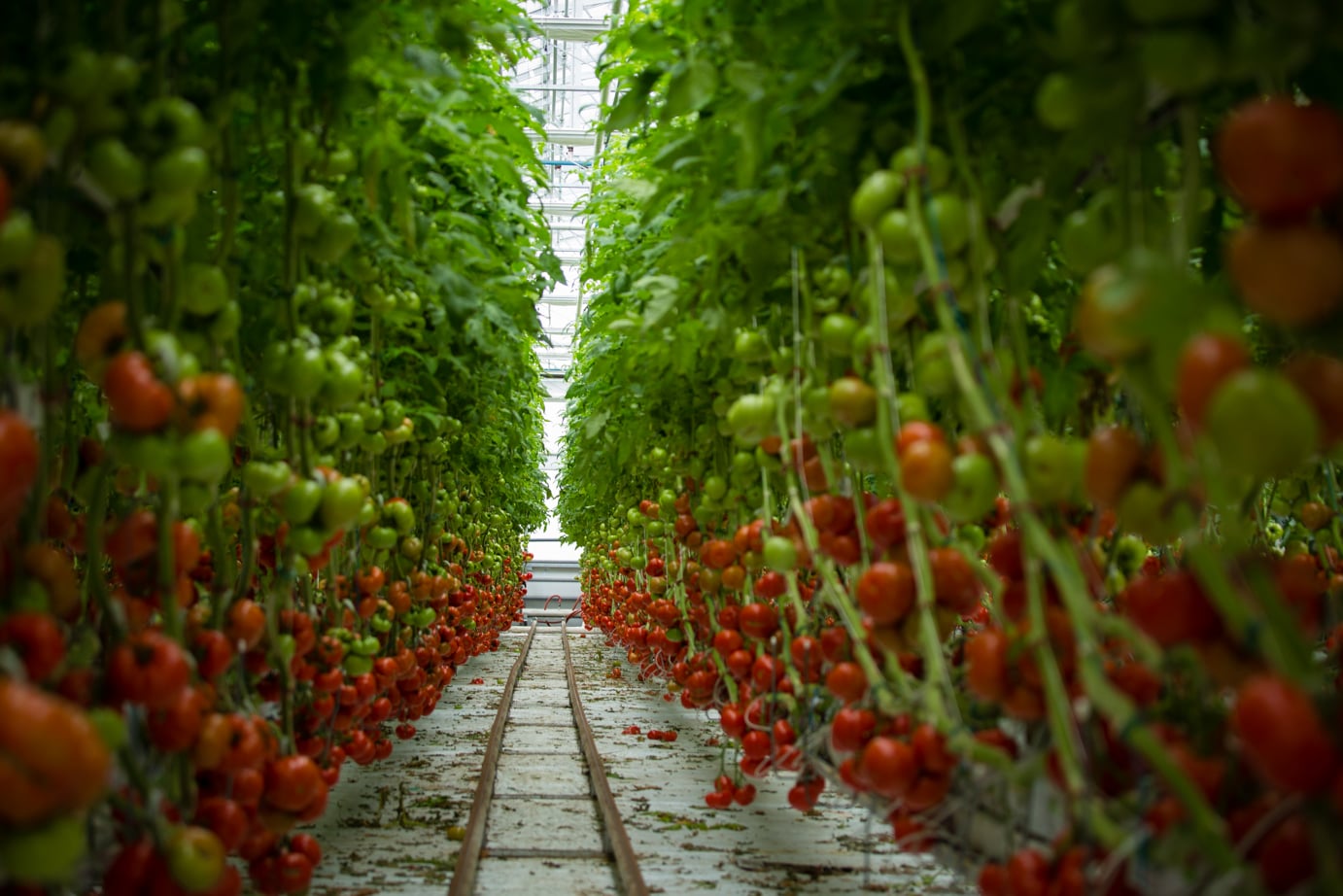
Montreal offers a strong example for cold-climate cities that assume year-round urban farming is too difficult or too expensive. The six-site network shows that with the right building stock, engineering, and market demand, rooftop agriculture can scale into something commercially relevant. That lesson is likely to interest planners, developers, and food retailers well beyond Quebec.
Not every city can copy the model exactly. Roof strength, zoning, energy costs, and consumer price tolerance all shape whether expansion makes sense. Still, the underlying idea is highly transferable: put food production closer to consumption and use underutilized urban surfaces more intelligently.
The bigger takeaway is not just about greenhouses. It is about treating food security as part of city design. Montreal's rooftops are proving that urban agriculture can move from inspiring concept to dependable system, one harvest at a time.




Leave a Reply