
Some of Canada's most iconic foods did not appear out of nowhere. They were built by immigrants who carried methods, spices, and survival instincts into a new country.
The deli counter story behind Montreal smoked meat

Montreal smoked meat is often framed as a purely local classic, yet food historians generally trace its commercial breakthrough to Romanian Jewish immigrant Benjamin Kravitz, who opened B. Kravitz Delicatessen in Montreal in 1909. He sold hand-cured beef brisket seasoned with Old World spices and prepared in a style related to cured meats familiar in Eastern Europe. That matters because it places smoked meat not in myth, but in a specific migration story.
Kravitz's product landed in a city already being reshaped by Jewish immigration. Families brought expertise in kosher butchery, curing, pickling, and bread baking, all of which helped create the deli culture Montreal would later celebrate. The brisket was salted, spiced, cured, smoked, then steamed before slicing, producing a texture distinct from both American pastrami and corned beef. Over time, local taste made it unmistakably Montreal.
Today, institutions such as Schwartz's dominate public memory, and rightly so for preserving and popularizing the dish. But origin stories often flatten once a food becomes famous. In this case, the immigrant deli owner at the beginning of the chain deserves more than a footnote, because his arrival and enterprise explain how a regional icon took shape.
Pierogi became prairie comfort food through Ukrainian settlement
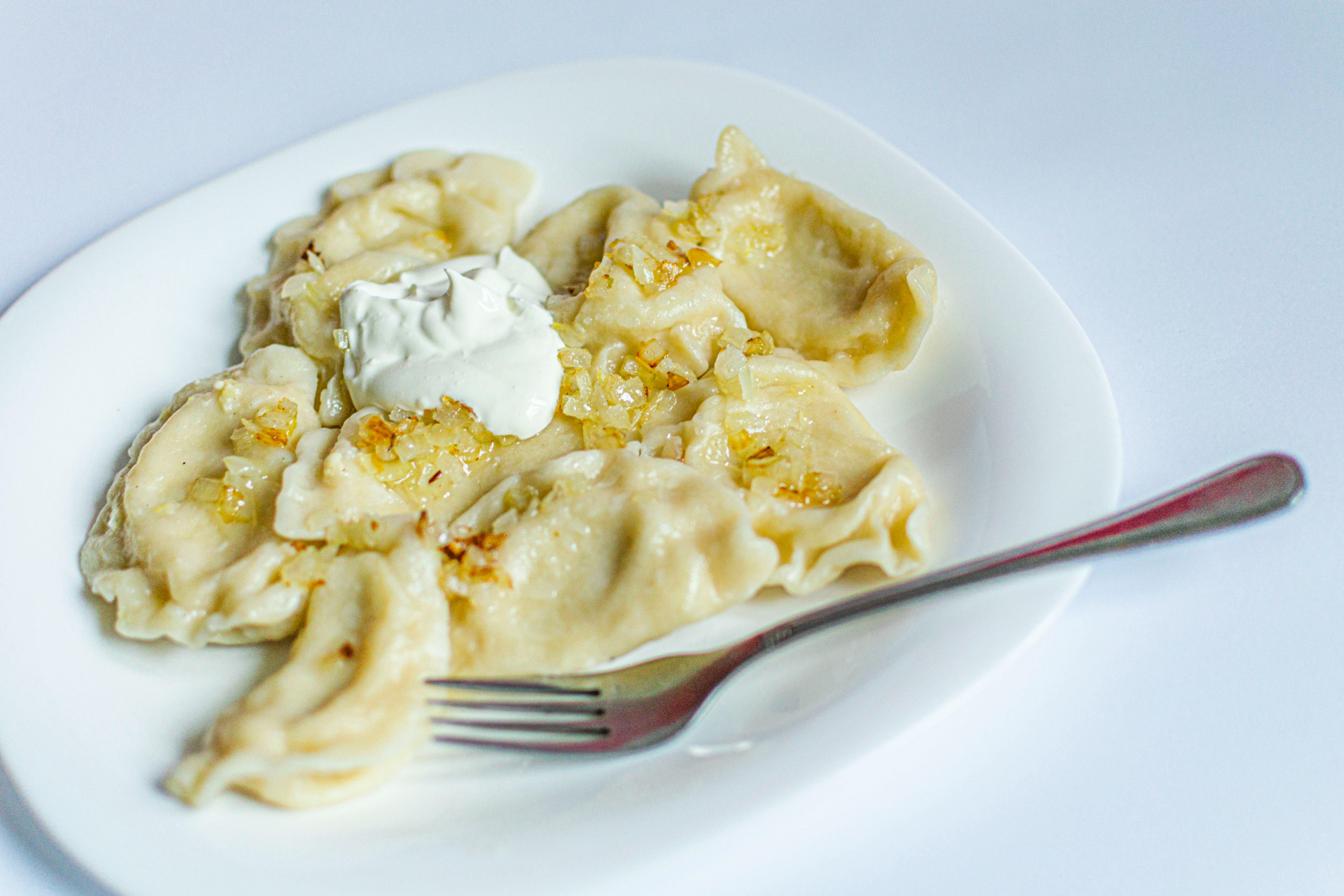
Few foods now feel more at home in church basements, community halls, and prairie family dinners than pierogi. Yet their place in Canada came through major waves of Ukrainian and Eastern European immigration beginning in the late 19th century, especially into Manitoba, Saskatchewan, and Alberta. Settlers brought dumpling traditions because they were practical, filling, and adaptable to harsh conditions.
In Canada, pierogi changed while staying recognizable. Traditional fillings such as potato, cheese, sauerkraut, and cabbage remained common, but local ingredients and farm life encouraged variation. They were easy to prepare in large batches, freeze in cold weather, and stretch across large households with limited cash. That made them more than comfort food. They were efficient immigrant foodways at work.
By the mid-20th century, pierogi had moved beyond ethnic enclaves into the mainstream. They appeared at fundraisers, diners, and supermarket freezers, often without much mention of the communities that normalized them. Their success reflects how immigrant cooking can become "Canadian" once repeated enough, even when the people who introduced it are quietly erased from the label.
The Halifax donair was created by a Greek restaurateur

The donair is now so tied to Halifax that it can seem indigenous to the city's late-night culture. In fact, its local form is widely credited to Greek immigrant Peter Gamoulakos, who adapted the Turkish and Greek vertical spit traditions in the 1970s for Maritime customers. Lamb was replaced with spiced beef, and the sauce shifted dramatically toward condensed milk, vinegar, and garlic.
That adaptation was not a betrayal of tradition. It was a classic immigrant business move. Restaurateurs often adjust recipes to local expectations, ingredient costs, and customer habits, and the donair is a textbook case. Gamoulakos reportedly found that sweeter flavors and beef sold better, so he built a hybrid food that kept the structure of Old World street meat while becoming distinctly Nova Scotian.
The result spread fast through pizza shops and takeout counters. By 2015, Halifax had officially recognized the donair as the city's official food. Public affection is enormous, but many people still know the donair mainly as a local party meal rather than as an immigrant-created adaptation. Its success, like smoked meat's, comes from cultural translation.
Ginger beef was born in Calgary's Chinese restaurant scene

Ginger beef sounds old enough to be ancestral, but most food scholars identify it as a modern Canadian Chinese creation that emerged in Calgary in the 1970s. It is commonly linked to chef George Wong, whose Silver Inn helped popularize deep-fried strips of beef tossed with ginger and a sweet-savory sauce. The dish reflects both Cantonese technique and Canadian market reality.
Chinese restaurateurs in Canada had long been forced to improvise. Discrimination, exclusion laws, and limited ingredient access pushed many kitchens to create dishes that would appeal to non-Chinese diners while preserving familiar cooking logic. Ginger beef fits that history exactly. Crisp texture, bold sauce, and affordable ingredients made it legible to mainstream customers without abandoning wok-based methods.
Today, ginger beef appears on menus far beyond Alberta, often beside other Canadian Chinese standards. Yet the dish is still too rarely discussed as part of the immigrant struggle and ingenuity that defined Chinese food in Canada. It is not just a tasty regional specialty. It is evidence of adaptation under pressure, turned into lasting culinary influence.
The Nanaimo bar carries layered immigrant influences

The Nanaimo bar is usually presented as a simple British Columbia invention, and its exact single inventor remains unclear. Still, its genealogy runs through immigrant baking traditions rather than isolated local genius. No-bake layered squares combining crumbs, custard filling, chocolate, and pantry staples reflect strong British dessert habits, while postwar packaged ingredients show North American adaptation shaped by settlement and trade.
Its rise in mid-20th-century community cookbooks is revealing. Those books were often assembled by church groups, women's auxiliaries, and neighborhood organizations built by immigrants and their descendants. Recipes moved hand to hand, changing names and proportions as they traveled. In that sense, the Nanaimo bar is less a lightning-bolt invention than a community confection formed inside migrant domestic culture.
Credit gets blurry when foods emerge collectively, but immigrant influence should not disappear just because no single founder signed the recipe card. British, Scottish, and other European baking customs deeply informed how Canadians used biscuits, custard powder, cocoa, and coconut. The Nanaimo bar became local through repetition, yet its building blocks were imported in both taste and tradition.
Butter chicken poutine proves the story is still unfolding
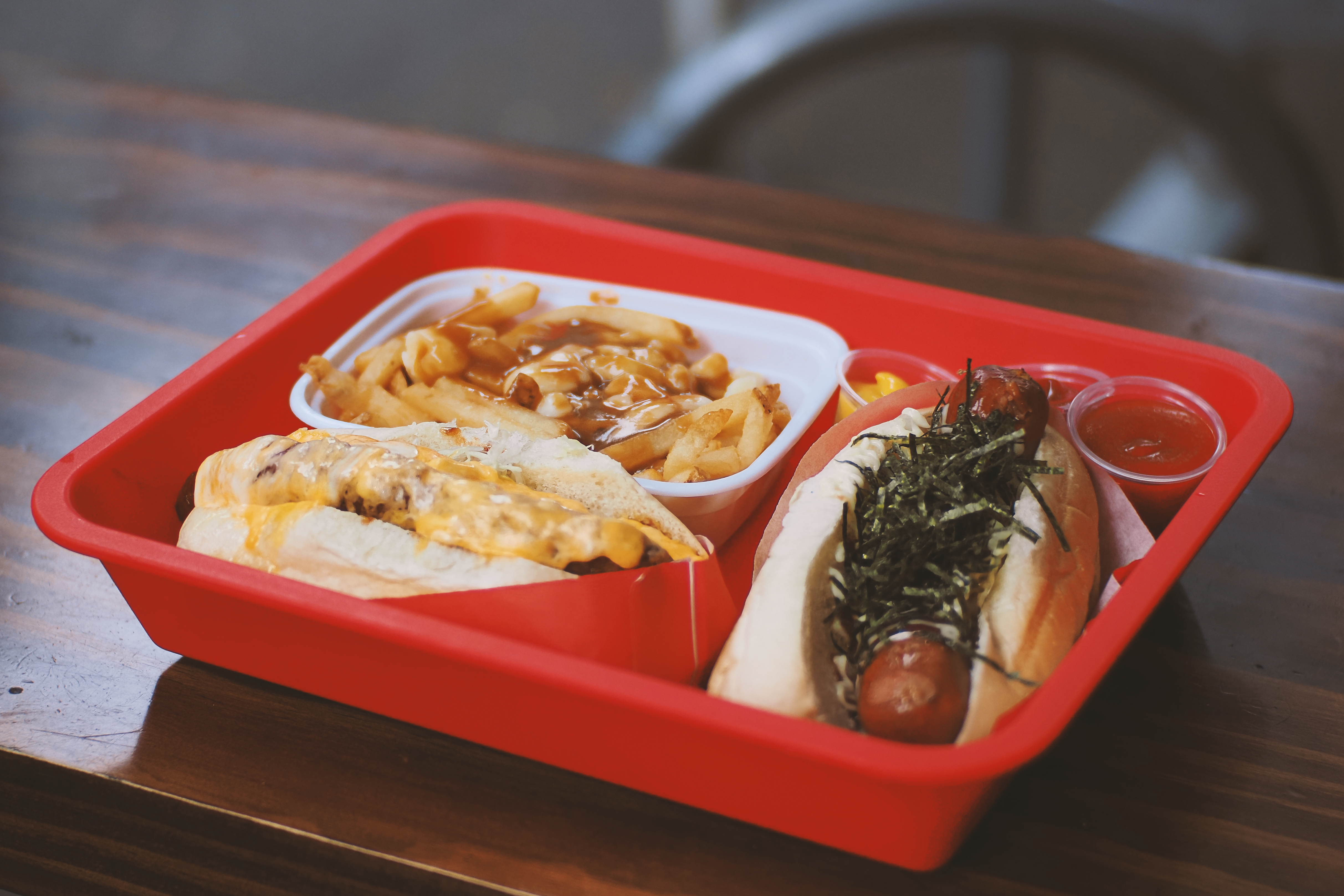
Not every immigrant-rooted Canadian food is old enough to feel historic. Butter chicken poutine, now common in urban restaurants and fast-casual chains, shows that the process is ongoing. It joins Quebec's poutine structure with a sauce inspired by one of the best-known South Asian restaurant dishes in Canada. The idea works because immigrant cuisines are not side notes. They are central to current Canadian eating.
This kind of crossover can be easy to dismiss as gimmickry, but that misses the larger point. Canada's food identity has always been hybrid, negotiated, and commercially inventive. South Asian immigration has transformed grocery shelves, school lunches, and restaurant districts in cities from Brampton to Surrey. When those flavors enter a national comfort food, the result reflects demographic reality more than novelty.
Seen together, smoked meat, pierogi, donair, ginger beef, Nanaimo bars, and butter chicken poutine tell the same story. Canadians often celebrate dishes only after immigrant origins fade into the background. Giving proper credit does not make these foods less Canadian. It explains, more accurately, how Canada actually tastes.




Leave a Reply