
Food rules can reveal a lot about a country under pressure. In World War I, Canada and its allies turned ordinary meals into part of the war effort.
Meatless Fridays in Canada Became a Patriotic Duty

In wartime Canada, skipping meat was not treated as a personal health choice. It became a public act tied to loyalty, sacrifice, and support for troops overseas.
By 1917 and 1918, governments across the British Empire were urging families to conserve key staples. In Canada, Meatless Fridays were promoted so beef, pork, and bacon could be redirected to soldiers and to Britain, which depended heavily on imported food.
The campaign worked through newspapers, civic groups, churches, and women's organizations. Housewives were encouraged to replace roasts with fish, eggs, beans, cheese, and soups, proving that domestic cooking had become part of national policy.
Wheatless Bread and Flour Rules Changed the Daily Loaf

Bread sat at the center of wartime food policy because wheat mattered strategically. Canada was one of the Empire's great grain producers, yet even here people were told to use less white flour at home.
The goal was not simply to avoid hunger. Officials wanted premium wheat shipped abroad, especially to Britain and Allied armies, while civilians were pushed toward substitutes such as barley, oats, rye, cornmeal, and potato flour.
Bakers and households were urged to stretch flour and reduce waste. In many places across North America and the wider Allied world, so-called war breads appeared, darker and denser than prewar loaves, reflecting how military logistics could alter even the most familiar food.
Sugar Controls Reached Kitchens, Cafés, and Preserving Season

Sugar became a flashpoint because it was both a staple and a shipping problem. Wartime transport shortages, submarine warfare, and military demand made a once-routine ingredient politically sensitive.
In Canada, Britain, and the United States, officials pushed households to cut back sharply. People were urged to sweeten less, limit desserts, and think twice before using large amounts of sugar in jams, cakes, and preserves unless absolutely necessary.
Restaurants and hotels also faced pressure to reduce portions and curb waste. The message was clear and easy to understand: every spoonful saved at home could help stabilize supply chains already strained by war, poor harvests, and disrupted global trade.
Pork, Bacon, and Fats Were Treated as Military Supplies
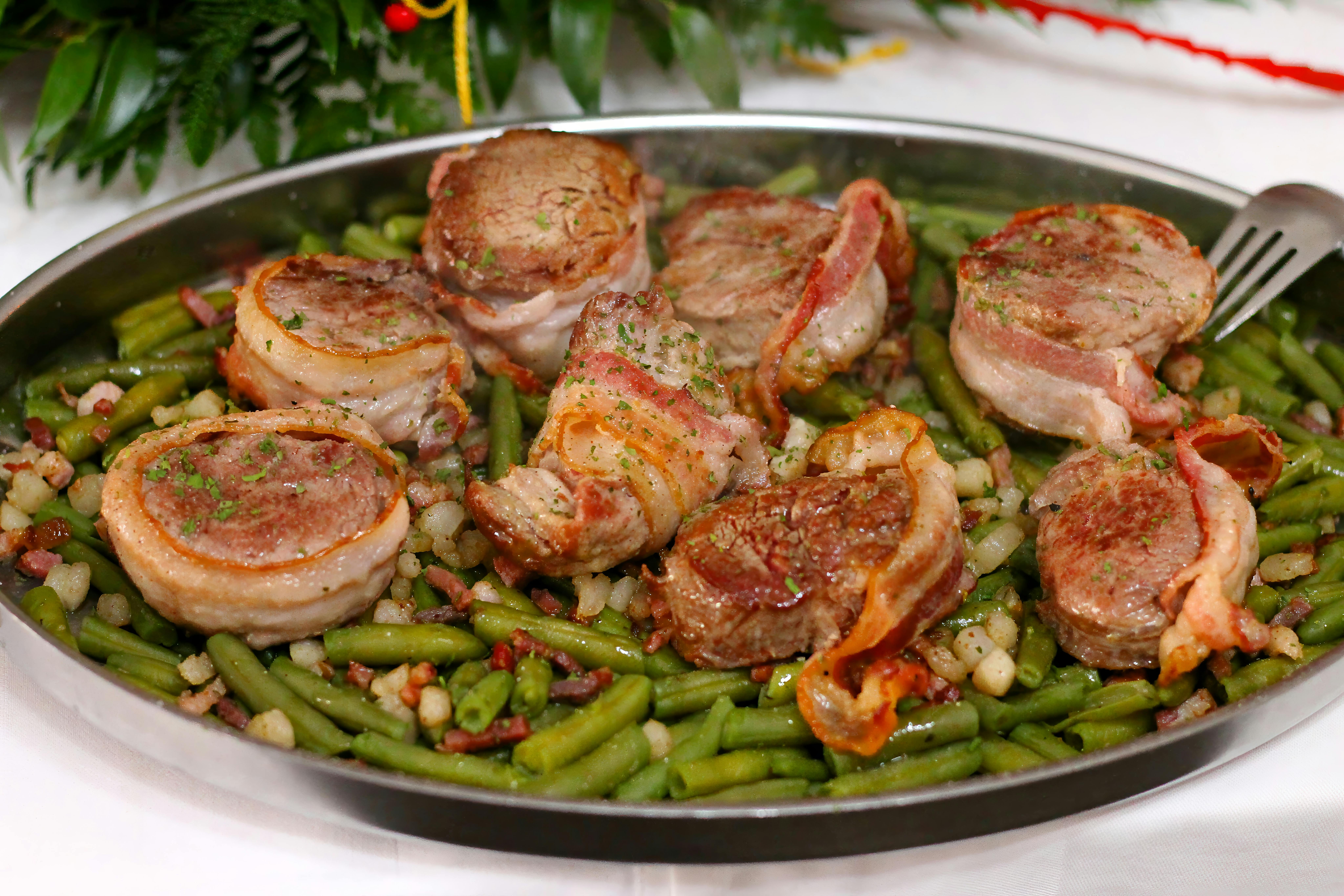
Some foods were more than groceries. Pork products and cooking fats were viewed as compact, durable, high-calorie supplies that could be shipped efficiently to troops and civilians in Europe.
That is why wartime campaigns often singled out bacon, lard, and dripping for special conservation. Posters and public notices urged families not to waste fry fat, not to overserve meat, and not to discard scraps that could still be used in cooking.
This reflected hard military math. Armies needed foods that traveled well, stored safely, and delivered energy, and preserved pork fit that need better than many fresh items. What looked like kitchen thrift was actually tied to battlefield provisioning.
Hotels, Restaurants, and Public Eaters Faced Rules Too

Wartime food control did not stop at the family table. Public dining rooms became visible targets because officials believed savings there could influence both supply and public behavior.
In several Allied countries, restaurants were asked or required to reduce portion sizes, limit multi-course meals, and observe meatless or wheat-saving practices. The idea was partly practical and partly symbolic, since visible restraint encouraged citizens to accept sacrifice as normal.
These policies also exposed class tensions. Reformers criticized lavish dining while ordinary families were being told to stretch soup, save drippings, and bake with substitutes, turning wartime food rules into a broader debate about fairness, discipline, and shared national duty.




Leave a Reply