
It turns out the warning was not exaggerated. A huge international study now gives new weight to advice Canadians have been hearing for years.
The scale of the evidence is hard to ignore

The new analysis, published in Family Medicine and Community Health, examined data from nearly 8.8 million adults across the Americas, Europe, Asia, and Oceania. Follow-up periods ranged from two to 32 years, giving researchers a broad view of how dietary patterns may shape long-term health. Studies this large matter because they reduce the chance that results are driven by one country, one age group, or one short-term trend.
What stands out most is how little extra ultra-processed food it took to see a measurable change in risk. For every additional 100 grams consumed per day, researchers found an association with a 14% higher risk of cardiovascular events, a 4% higher risk of cancer, a 3% higher risk of death from any cause, and a 2% higher risk of metabolic syndrome or diabetes. That amount is roughly a small bag of chips, a candy box, or a single-serve sweet snack.
This is not proof of direct cause and effect, because the research is observational. But when a signal appears across millions of people and multiple health outcomes, experts pay attention. It is the kind of evidence that helps move dietary advice from common sense to public-health urgency.
What counts as ultra-processed food
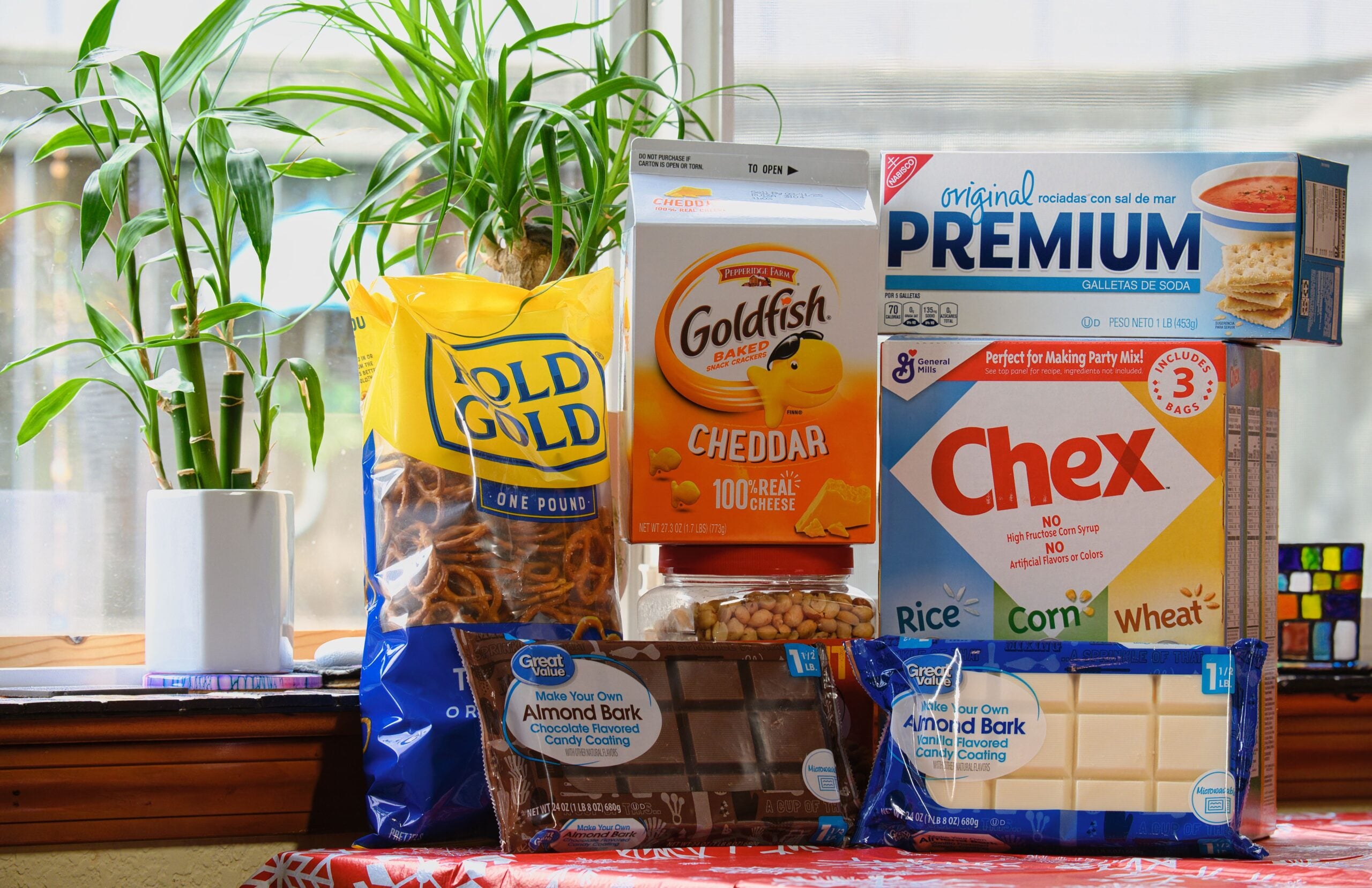
Ultra-processed foods are not simply foods that have been cooked, frozen, or canned. They are industrially formulated products made with ingredients and additives that are rarely used in home kitchens, including flavor enhancers, emulsifiers, sweeteners, and colorings. Common examples include sugary drinks, packaged snacks, processed meats, candy, instant desserts, and many ready-to-eat convenience meals.
The issue is not just convenience. These products are often engineered to be hyper-palatable, easy to overeat, and less filling than whole foods. They also tend to be high in sodium, refined starches, added sugars, and unhealthy fats while being low in fiber and other nutrients that support fullness, digestion, and metabolic health.
That helps explain why ultra-processed foods can quietly dominate a day's eating pattern. A sweet coffee drink in the morning, packaged crackers in the afternoon, and processed frozen dinner at night may not feel extreme. Yet together they can displace fruits, beans, vegetables, nuts, fish, and whole grains that nourish the body far more effectively.
Why Canada's Food Guide looks smarter than ever
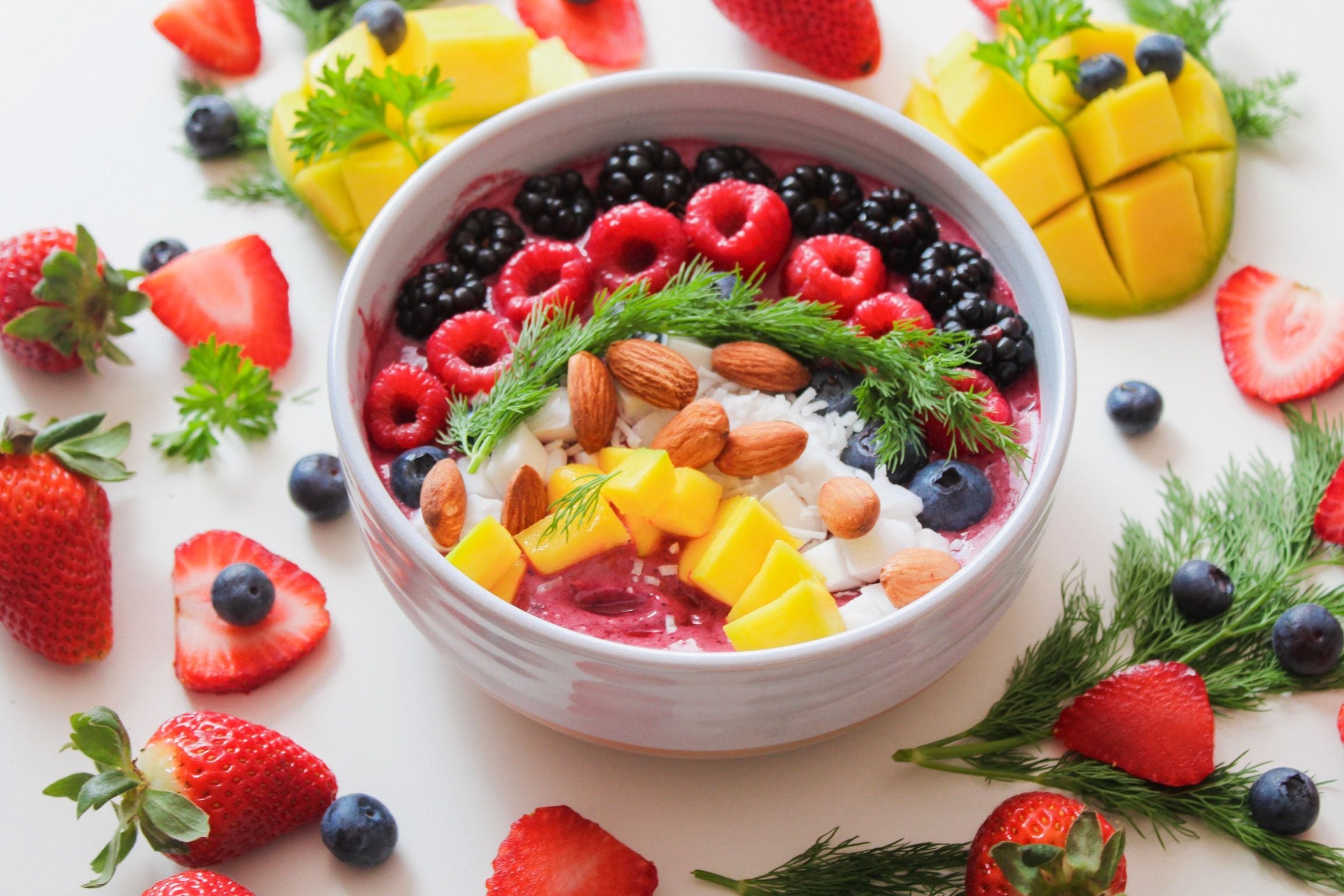
Canada's Food Guide has steadily shifted away from nutrient-counting and toward food patterns. Its central message is simple: choose vegetables and fruits, whole grains, and protein foods, especially plant-based options, while limiting highly processed foods high in sodium, sugars, or saturated fat. The new study strongly supports that broader approach.
Rather than treating food as a set of isolated numbers, the guide focuses on what regularly appears on the plate. That matters because health risks often come from patterns, not single indulgences. One snack cake is not the issue. A routine built around packaged, industrial food is.
The guide also recognizes a basic truth of eating behavior. When minimally processed foods fill more of the day, ultra-processed foods naturally fill less. This replacement effect may be one of the most practical reasons public-health guidance works better when it emphasizes what to eat more often, not just what to avoid.
The health risks go beyond weight gain

Many people still think ultra-processed foods are mainly a weight problem. The newer evidence suggests something much broader. In the analysis, people with the highest intake also faced higher risks of digestive disease, depression or anxiety, obesity, cancer, and cardiovascular events compared with those consuming the least.
That wider pattern fits with what many nutrition scientists have suspected. Diet can affect inflammation, blood sugar control, gut health, appetite regulation, and even mental well-being. Ultra-processed foods may influence several of these pathways at once, which is one reason they are increasingly linked with clusters of chronic conditions rather than just one disease at a time.
Researchers behind the study specifically noted that these illnesses often appear together as multimorbidity. In plain language, poor diet does not always create one isolated problem. It can help set the stage for several related issues that gradually reinforce each other over time.
What experts say people should do instead
Registered dietitian Kelly Springer, who was not involved in the study, offered advice that is both practical and realistic. She emphasized that people do not need to ban every processed product forever. The more useful goal is to make sure real food stops getting crowded out by packaged substitutes.
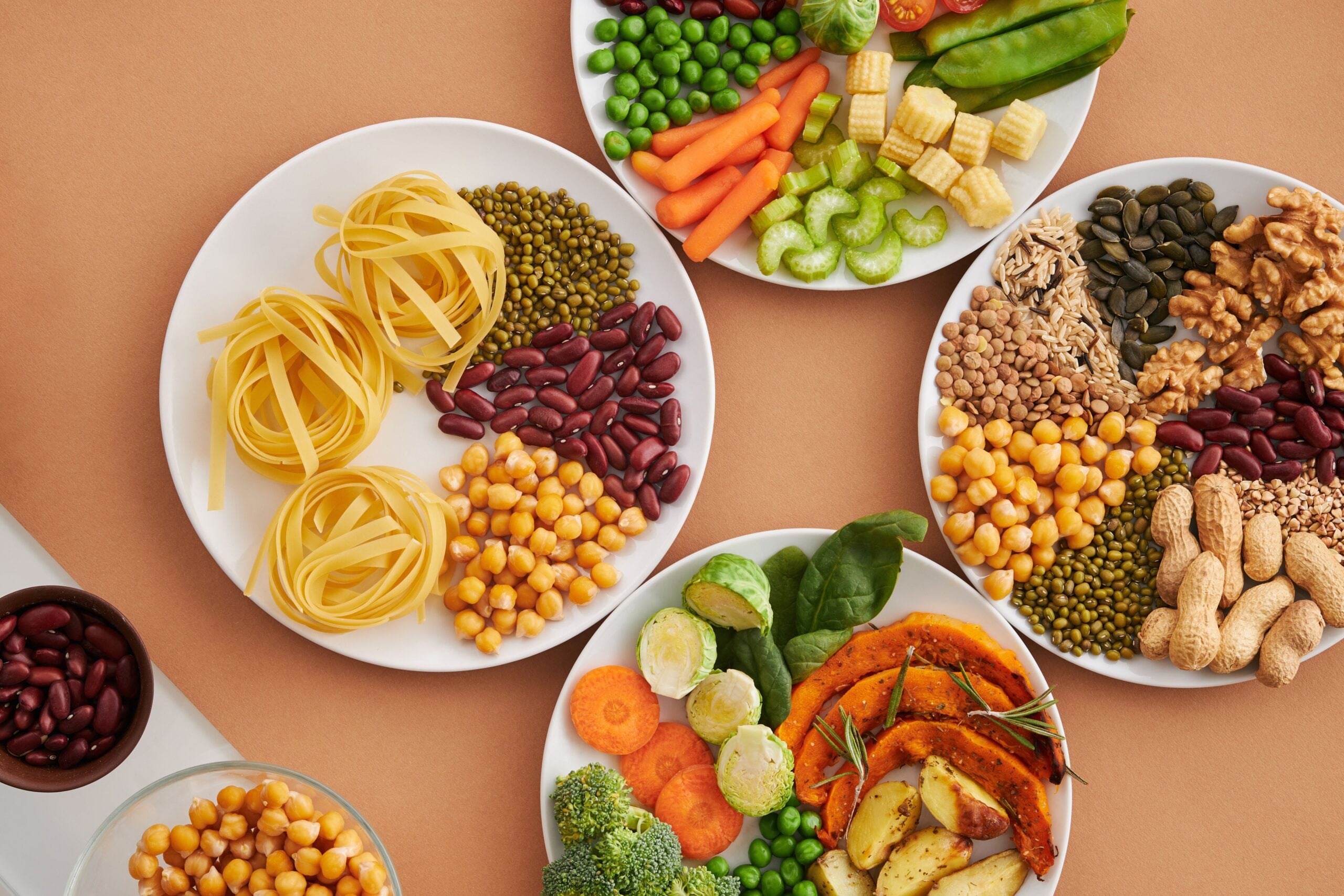
Her strategy starts with adding protein and fiber to meals and snacks. That can mean an apple with peanut butter, nuts with sliced cucumbers, or meals built around beans, chicken, tuna, vegetables, fruit, and whole grains. These foods tend to keep people fuller longer and reduce the pull of convenience snacks later in the day.
This matters because ultra-processed foods often creep in through repetition, not excess at one sitting. A sweet drink here, a vending-machine snack there, and a quick packaged dessert after dinner can become a daily habit. Changing that pattern usually works better than chasing perfection.
The takeaway is caution, not panic

No serious nutrition expert would claim this study means one cookie will harm your heart. Observational research cannot prove that ultra-processed foods directly caused the outcomes, and self-reported diet data is never perfect. Other lifestyle factors, including exercise, sleep, income, and smoking, can also affect disease risk.
Still, limitations do not erase the main lesson. When a major body of evidence points in the same direction, it is wise to respond with caution. This study strengthens the case that regularly eating more ultra-processed food is associated with poorer health across multiple systems of the body.
The most sensible response is not fear, but recalibration. Build meals around foods that look like food: vegetables, fruit, legumes, eggs, yogurt, fish, oats, nuts, and whole grains. Canada's Food Guide has been pointing there all along, and now one of the biggest studies yet says it was right to do so.




Leave a Reply