
Maple Leaf Foods turned in a profitable quarter, but the numbers tell a more nuanced story. Strong poultry demand helped carry results even as price increases weighed on parts of the business.
Profit held up, but not at last year's pace

Maple Leaf Foods reported a second-quarter profit of $40.8 million for the period ended June 30. That worked out to 33 cents per share, compared with $57.8 million, or 47 cents per share, in the same quarter a year earlier.
The decline in year-over-year profit shows that higher costs are still shaping food companies' earnings. Even when revenue rises, inflation in fuel, ingredients, packaging, and logistics can pressure margins and reduce the bottom-line benefit of higher selling prices.
Still, Maple Leaf remained profitable while growing sales modestly. Total sales reached $1.02 billion, up from $1.00 billion, a 1.6 per cent increase that suggests the company is managing a difficult consumer environment better than many businesses exposed to discretionary grocery spending.
Prepared foods felt the impact of price increases

The softer part of the quarter came from prepared foods, which account for roughly 60 per cent of Maple Leaf's revenue mix. Sales in that segment fell two per cent after the company raised prices earlier in the year to offset higher raw materials costs and broader inflation.
Chief executive Curtis Frank said the company expected some sales pressure after implementing those increases. According to management, that kind of demand pullback is common in consumer packaged goods, where shoppers often respond quickly when familiar products become more expensive.
This is especially true in categories where consumers can trade down, switch brands, or simply buy less. Prepared foods often face intense competition from private labels and store promotions, so even a disciplined pricing strategy can lead to lower volumes in the short term.
Poultry became the standout performer
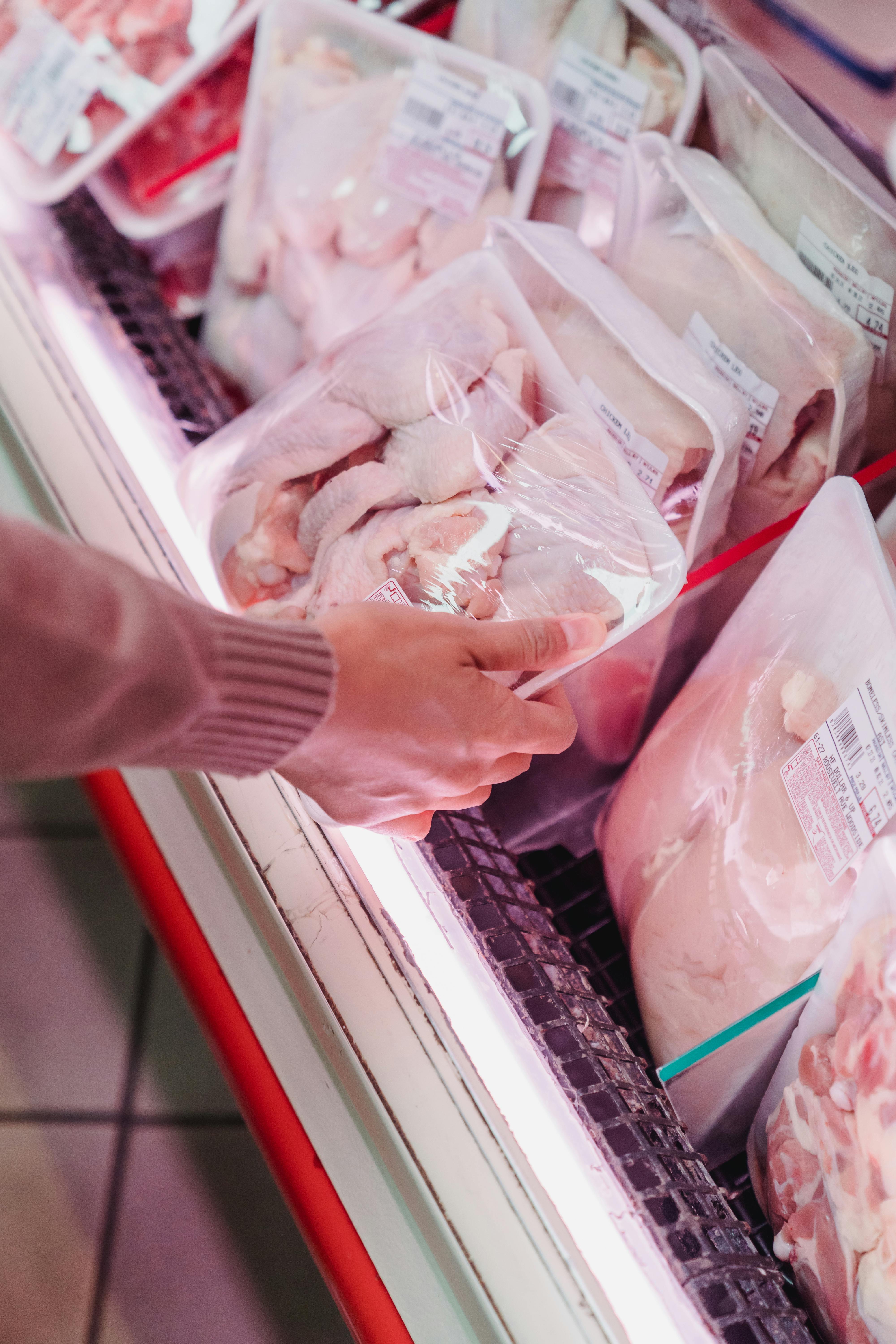
If prepared foods were under pressure, poultry was the quarter's clear bright spot. Maple Leaf said poultry sales rose 7.1 per cent, supported by higher volumes, a better channel mix, and pricing.
That combination matters because it suggests gains were not driven by price alone. Higher volumes indicate healthy customer demand, while improved channel mix points to stronger performance in more profitable or strategically valuable sales channels.
For a major food producer, poultry can provide both scale and resilience. Demand for fresh and value-added chicken products tends to remain relatively steady, and strong execution in that business can help stabilize results when branded packaged foods face consumer resistance.
Protein snacks are emerging as a growth engine

One of the more interesting themes in the quarter was Maple Leaf's emphasis on protein snacks. Management described healthy protein snacking as a durable consumer trend, and the company is building around that insight with products such as Mighty Protein Meat Sticks and a newer protein snack kit.
Distribution is a big part of that strategy. Maple Leaf said it has secured partnerships with 1,500 gas stations and convenience stores, giving the company access to high-traffic locations where portable snack foods often perform well.
This is a practical example of meeting consumers where they shop. Rather than relying only on the supermarket aisle, Maple Leaf is pushing into grab-and-go channels that fit changing eating habits, particularly among busy commuters and consumers looking for higher-protein options.
Product expansion shows where management sees demand

The company is not stopping with meat sticks and snack kits. Management also pointed to plans to expand charcuterie offerings and add more breakfast products, including egg white bites and egg white sandwiches.
That product roadmap reflects a broader shift in food demand toward convenience, portability, and protein-rich meals. These are categories where consumers may still be willing to spend, even when they become more selective in other parts of their grocery basket.
It also shows a company trying to balance near-term pricing pressure with longer-term brand development. When volume weakens in mature categories, innovation becomes one of the clearest ways to protect shelf space and create new reasons for consumers to buy.
What the quarter says about Maple Leaf's outlook

On an adjusted basis, Maple Leaf earned 44 cents per share, up from an adjusted profit of 33 cents per share a year earlier. That improvement suggests the underlying operating picture may be firmer than the headline decline in net profit initially implies.
The quarter ultimately highlights a split business environment. Prepared foods are facing the predictable consequences of higher prices, while poultry and newer protein-focused offerings are showing better momentum and helping offset weakness elsewhere.
For investors and consumers alike, the message is straightforward. Maple Leaf is navigating inflation by raising prices, leaning on strong poultry demand, and investing in growth categories that match current eating habits, a strategy that appears to be working, even if unevenly.




Leave a Reply