
A familiar grocery trip in Manitoba now comes with a notable twist. Liquor Mart has opened a new concept store inside a Save-On-Foods, giving shoppers a fresh look at how beverage alcohol retail may evolve in the province.
A New Retail Format Arrives
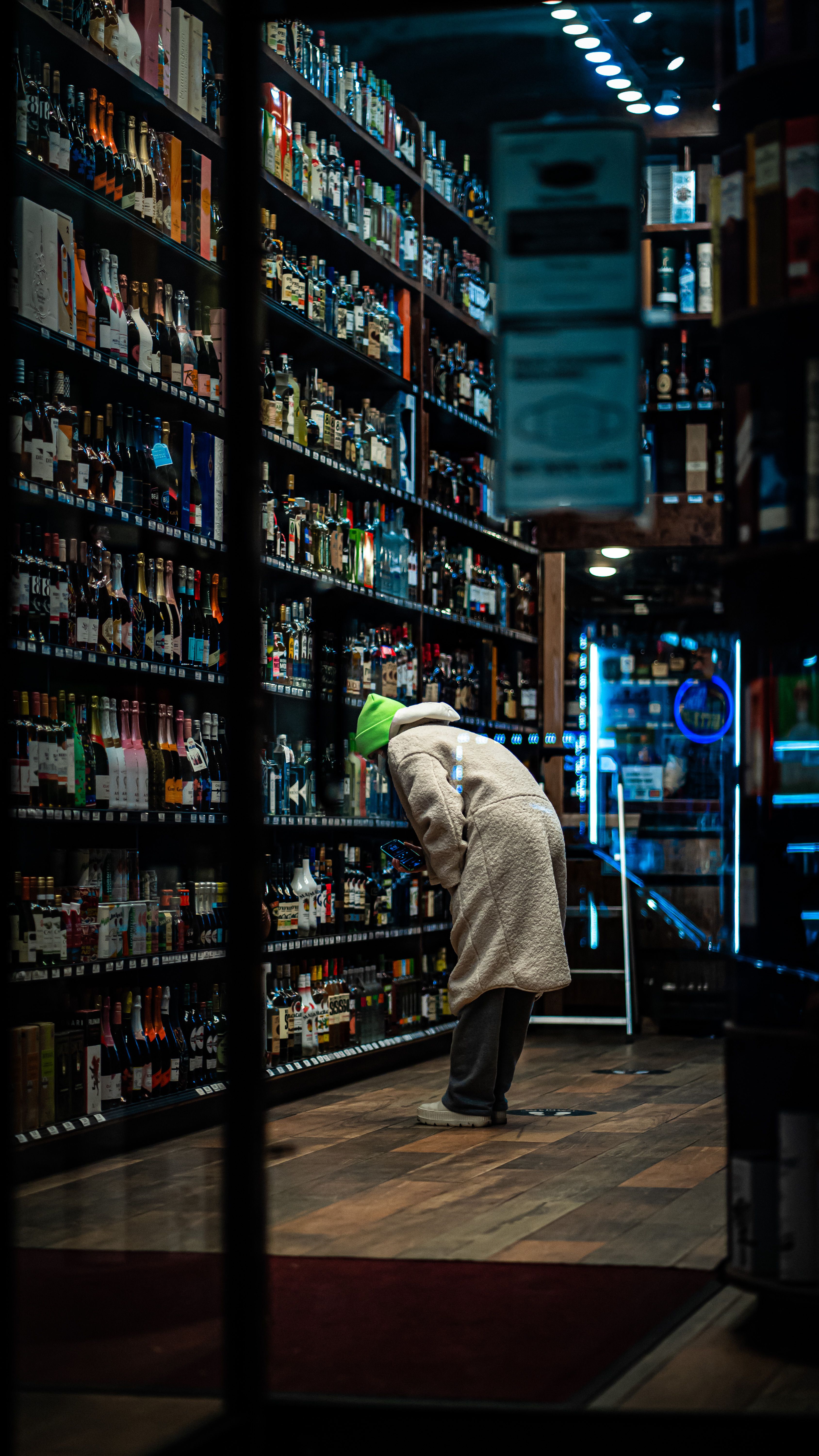
At its core, this opening is about convenience, but it is also about testing a smarter retail format. Manitoba Liquor & Lotteries has taken the Liquor Mart brand into a Save-On-Foods environment, creating a store-within-a-store model that feels more integrated with everyday shopping.
This matters because Manitoba's liquor system has traditionally been defined by standalone Crown-operated outlets and carefully controlled private partnerships. By placing a concept store inside a busy grocery setting, the retailer is responding to how people actually shop today, with efficiency, accessibility, and one-stop trips becoming more important.
The concept format also gives Manitoba Liquor & Lotteries a live market laboratory. It can study traffic flow, basket size, product preferences, and customer behavior in a way that a traditional standalone site may not capture as clearly.
Why the Save-On-Foods Location Makes Sense

The choice of Save-On-Foods is not accidental. Grocery stores generate regular, repeat foot traffic, and that makes them valuable partners for adjacent retail concepts that benefit from convenience and impulse purchasing without fully relying on destination shoppers.
For Liquor Mart, being located inside or alongside a major food retailer creates natural shopping overlap. Customers planning dinners, holiday gatherings, or weekend events often think about wine, beer, or spirits at the same time they buy groceries, making the pairing commercially logical.
There is also a broader competitive angle. Across Canada, several provinces have experimented with grocery-linked alcohol sales in different forms, and retailers have learned that proximity can be just as important as price when it comes to consumer choice.
What Shoppers Can Expect In-Store

This is not simply a shelf of bottles near the checkout. A concept Liquor Mart typically suggests a more curated footprint, with a layout designed for quicker navigation, popular products up front, and a product mix shaped around local demand and occasion-based shopping.
Shoppers can likely expect strong representation in core categories such as wine, domestic beer, ready-to-drink beverages, and mainstream spirits. These are the products that move quickly and align with the needs of customers who are adding alcohol to an existing grocery trip rather than making a special outing.
At the same time, the Liquor Mart identity remains important. The store is expected to preserve age verification, controlled access, staff oversight, and the professional retail standards associated with Manitoba's public liquor system.
What It Means for Manitoba's Liquor Strategy
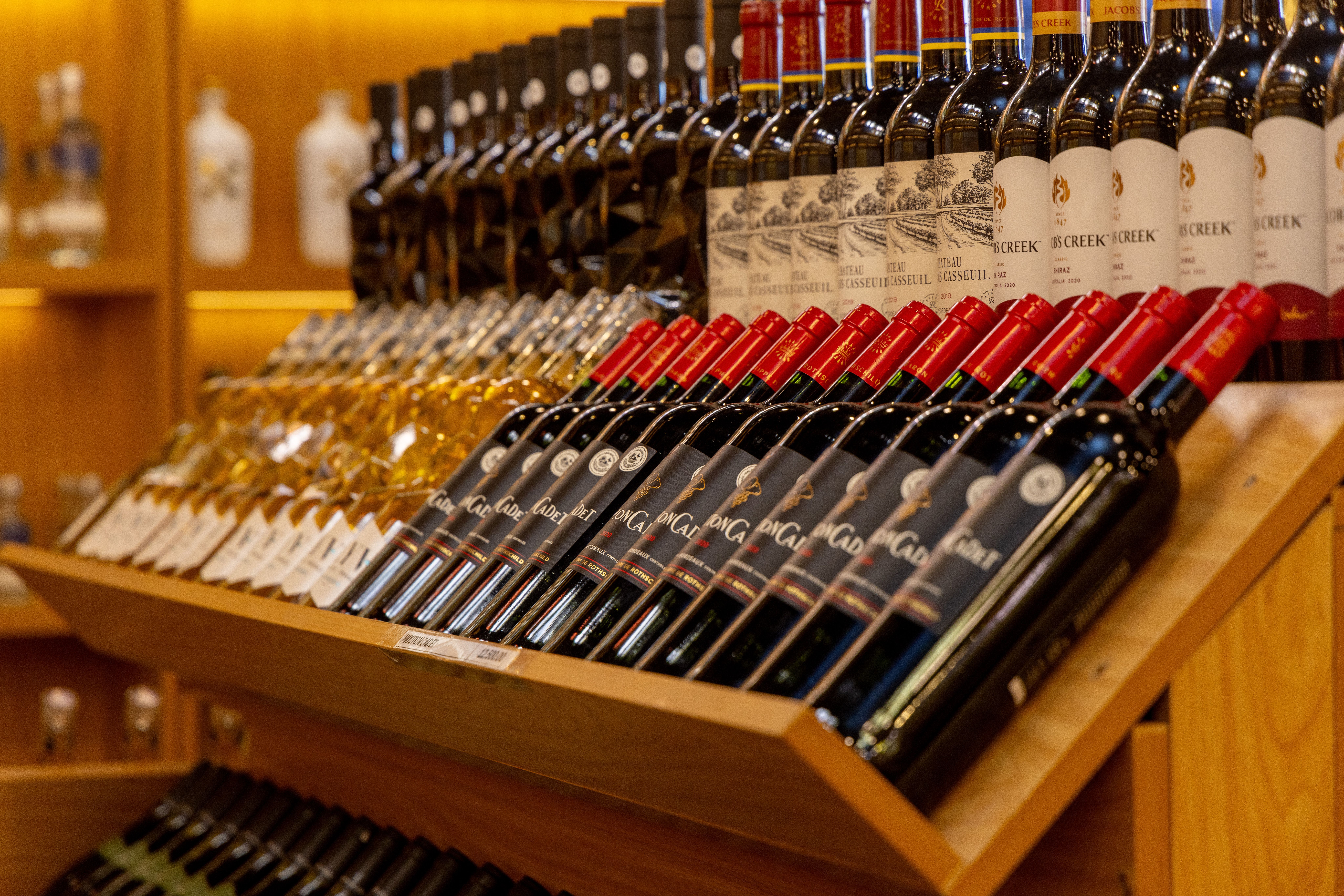
This opening says a great deal about where Manitoba's liquor retail strategy may be headed. Rather than abandoning the Crown model, Manitoba Liquor & Lotteries appears to be refining it, using flexibility in format while keeping centralized control over pricing, compliance, product assortment, and responsible sales.
That distinction is important in public policy terms. The province can pursue convenience and modernization without fully moving to an open private market, which has long been a politically sensitive issue in alcohol retail across Canada.
In practice, the concept store could become a template for future expansion if results are strong. A successful pilot would give decision-makers evidence that smaller, strategically placed outlets can complement larger full-service Liquor Marts instead of replacing them.
The Business and Community Impact
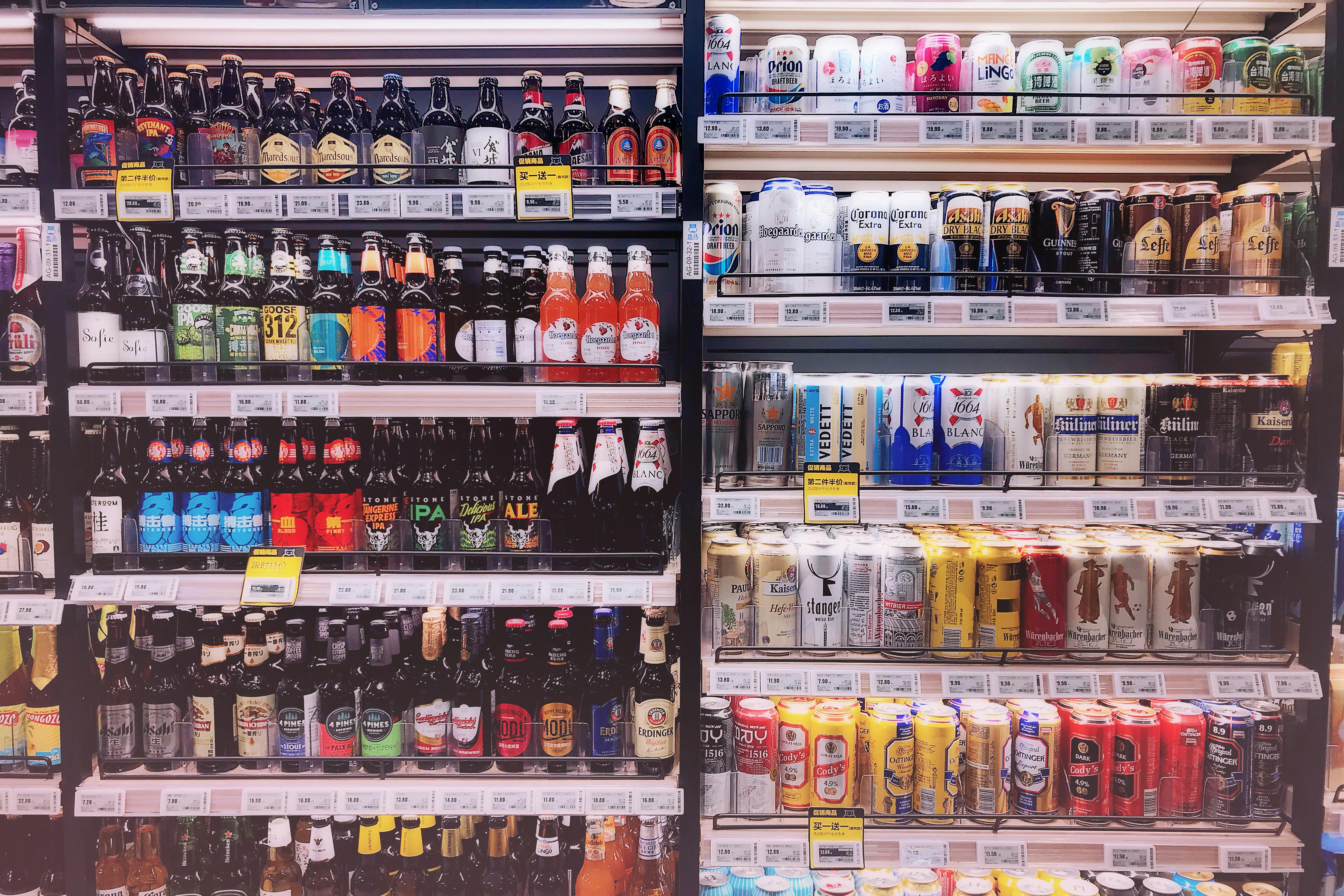
Every new format in alcohol retail has ripple effects beyond the checkout counter. For Save-On-Foods, the presence of a Liquor Mart can increase trip appeal and help position the store as a more complete shopping destination in a competitive grocery environment.
For Manitoba Liquor & Lotteries, the upside includes stronger visibility, new customer capture, and potentially better productivity from high-traffic real estate. Smaller concept stores may also offer more efficient staffing and inventory management than large-format locations, depending on the product mix and operating model.
From a community perspective, the key issue will be balance. Residents often welcome added convenience, but they also expect strict oversight, thoughtful store design, and responsible retailing practices that fit the neighborhood.
Why This Opening Could Shape What Comes Next

What makes this launch especially significant is that it may influence future decisions far beyond a single location. If customer response is positive, Manitoba could see more grocery-adjacent liquor outlets, especially in growing suburban areas where shoppers value speed and consolidated errands.
Retail analysts often point to convenience as one of the strongest drivers of modern consumer behavior, and this concept fits that trend neatly. It meets people where they already are, while keeping the trusted Liquor Mart framework intact.
In that sense, the new store is more than a novelty. It is a practical retail experiment with policy, commercial, and customer-service implications, and Manitoba will be watching closely to see whether the concept earns a wider role.



Leave a Reply