
Lobster's status in Atlantic Canada changed so completely that it can feel hard to believe now. For families who lived through it, the story is not about fashion alone, but about work, scarcity, and how a food once treated as second-rate became a symbol of celebration.
Lobster in the lunch pail
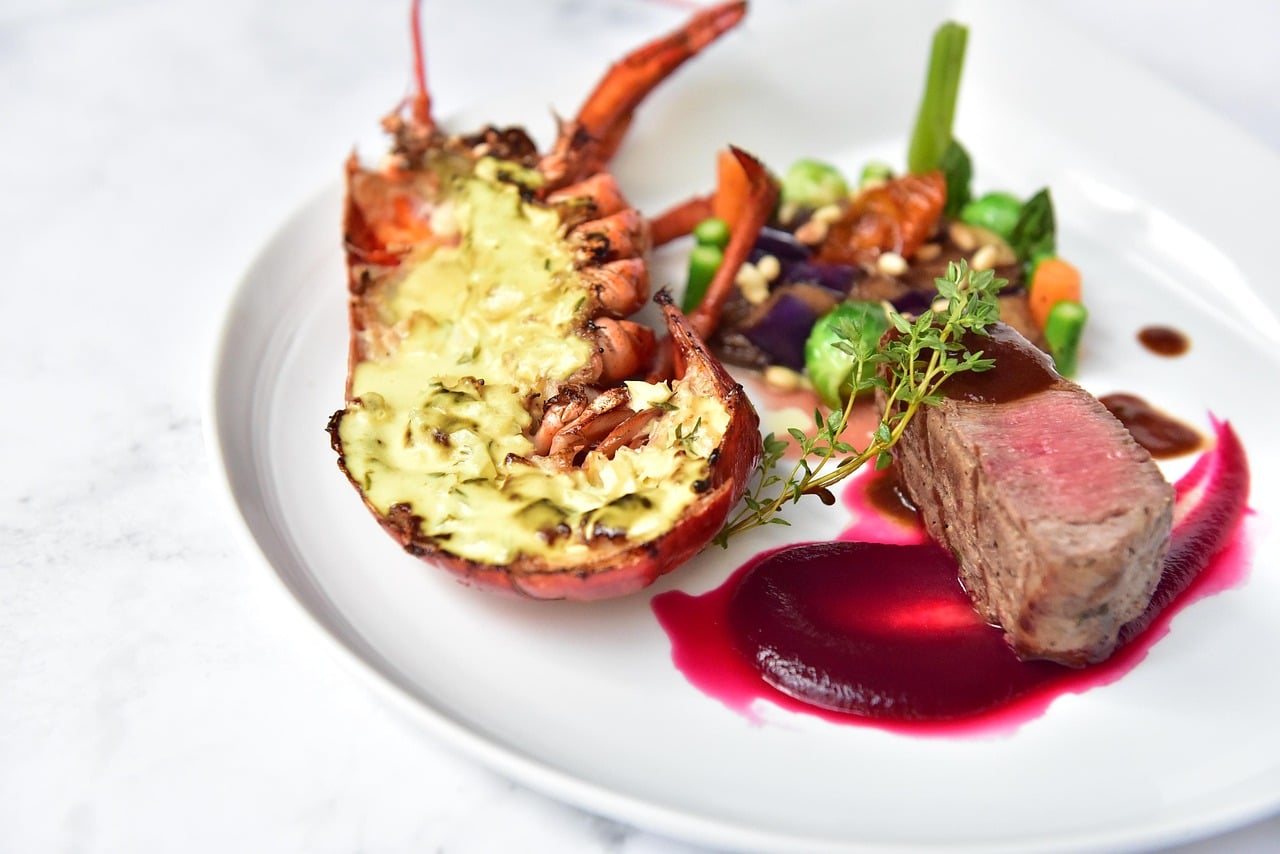
For some children in Atlantic fishing families, lobster was not a treat. It was the food available at home when cash was tight, meat was costly, and cod was too valuable to keep because it had to be sold. That meant lobster sandwiches could end up in a school lunch, even when children knew other students might look down on them for it.
The embarrassment made sense in its time. Lobster had a reputation as poor people's food in parts of Atlantic Canada, tied closely to households that lived by the water and used what they could catch nearby. What feels luxurious today once signaled that a family had few other options.
Food for servants and prisoners

Lobster carried social stigma long before it became fashionable. In both Canada and the northeastern United States, it was widely seen as a cheap, plentiful food that people with money did not need to eat often. Historical accounts describe lobster being fed to prisoners, apprentices, and servants because it was abundant and inexpensive.
That old reputation shaped how people thought about it in Atlantic Canada. A lobster meal did not necessarily suggest comfort or status. Instead, it could suggest rough times, coastal labor, and a diet built around what was easy to gather locally, not what people most wanted to serve guests.
Why cod was too valuable to eat
The contrast with cod helps explain lobster's low standing. Cod was a major commercial fish, and for many Atlantic households it represented income, not dinner. When a family depended on the fish trade, selling cod brought in money that could cover necessities, while eating too much of it at home meant using up something that might otherwise be exchanged for cash.
Lobster sat on the other side of that equation. In many periods it was so plentiful that it did not command the same respect in local kitchens. Families often kept the food that had less market value and sold the catch that could support the household.
Canning changed lobster's fortunes
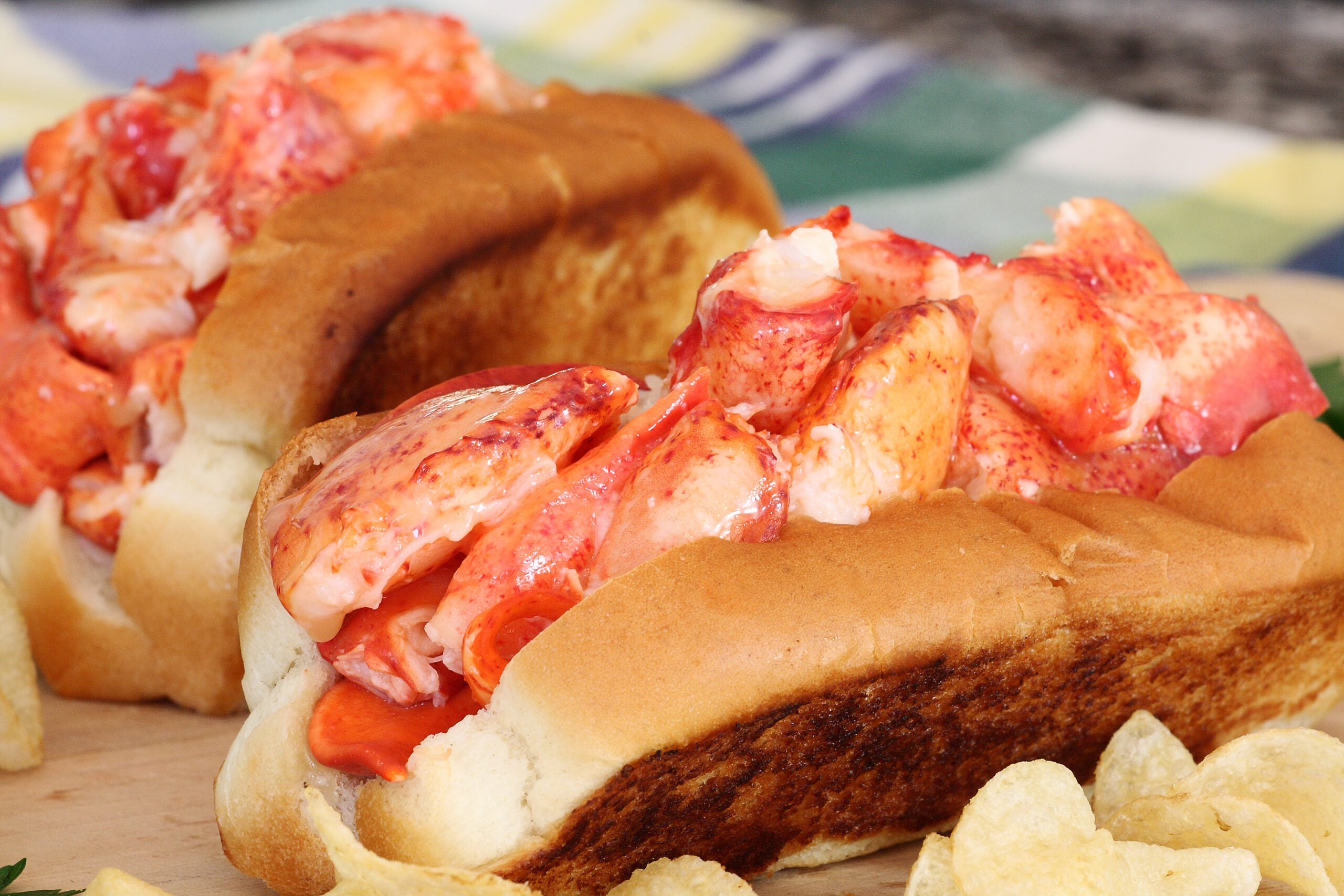
One of the biggest shifts came when lobster became easier to process and ship to wider markets. The growth of the canning industry in the 19th century turned a highly local, perishable food into a product that could travel. That mattered because lobster no longer had to be eaten mainly near the shore where it was caught.
As demand expanded beyond fishing communities, lobster's image slowly improved. A food that had once been too common in coastal areas began reaching diners who saw it less as survival food and more as a specialty. Distance helped create prestige, and new markets helped create higher prices.
From common catch to expensive dinner
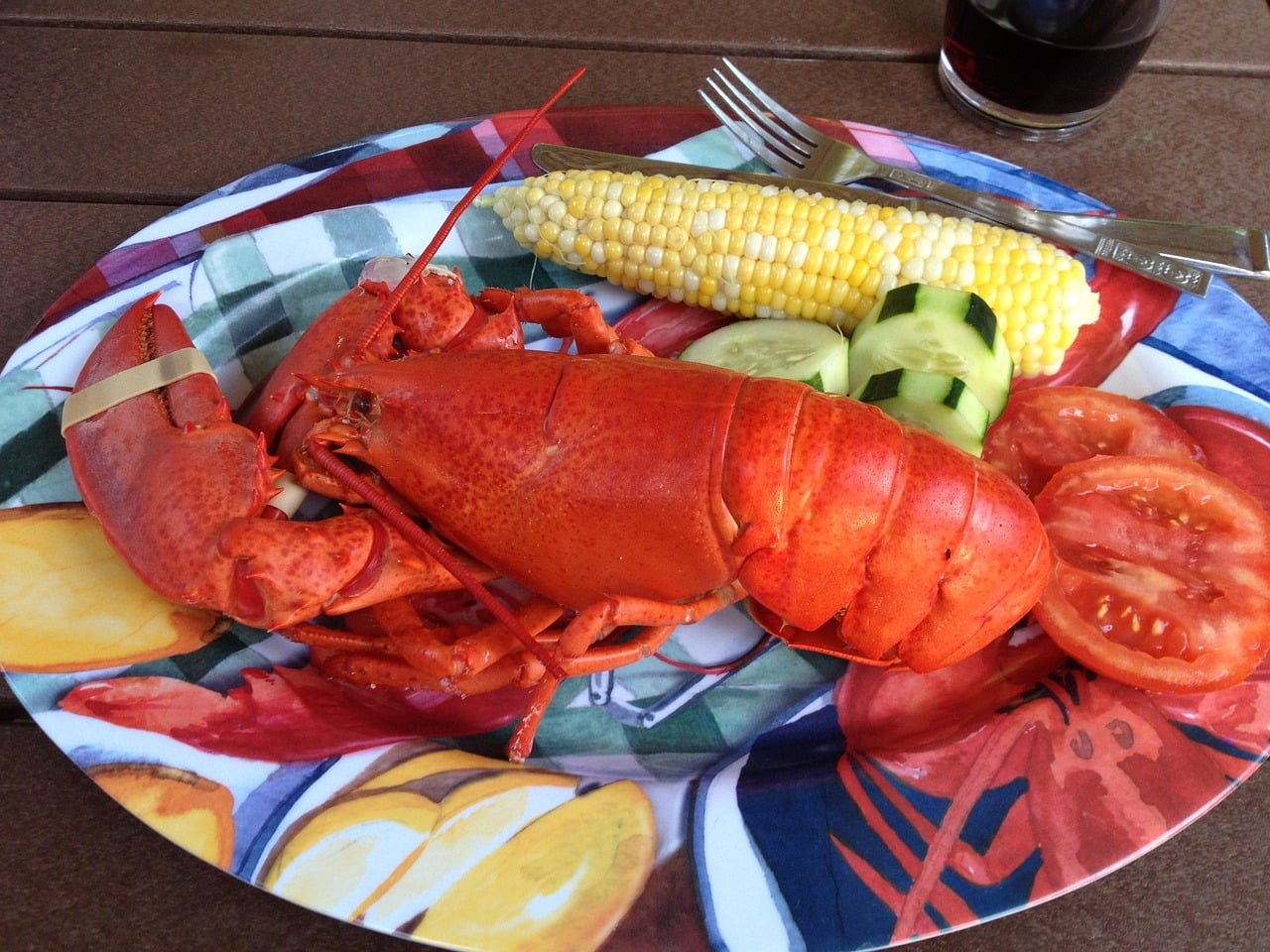
The modern menu tells the story in the clearest possible way. Lobster is now one of the most expensive items in many Canadian restaurants, especially when served as a full dinner. In Halifax and other Atlantic cities, a meal for two can cost far more than the kind of everyday food budget many households try to maintain for a week.
That reversal is striking because the ingredient is tied to the same region where it once carried shame. The species did not change, but the market did. So did ideas about rarity, indulgence, and what counts as a meal worth paying extra for.
A living memory of both eras

What makes this history especially powerful is that, for some Atlantic Canadians, it is not distant folklore. It lives in family memory, in stories about school lunches, hard winters, and the need to sell the best catch while keeping cheaper food for home. Older generations can remember when lobster meant necessity, not celebration.
That is why lobster's rise says more than a simple tale of changing taste. It reveals how food status can flip when economics, trade, and culture all move together. In Atlantic Canada, one of the country's most expensive menu items was once a sign that a family was getting by as best it could.




Leave a Reply