
A chain cheeseburger sounds simple, but the gap between average and excellent is surprisingly wide. After tasting seven sit-down versions, two landed firmly at the bottom for reasons that became obvious after the first few bites.
How I judged these seven chain cheeseburgers
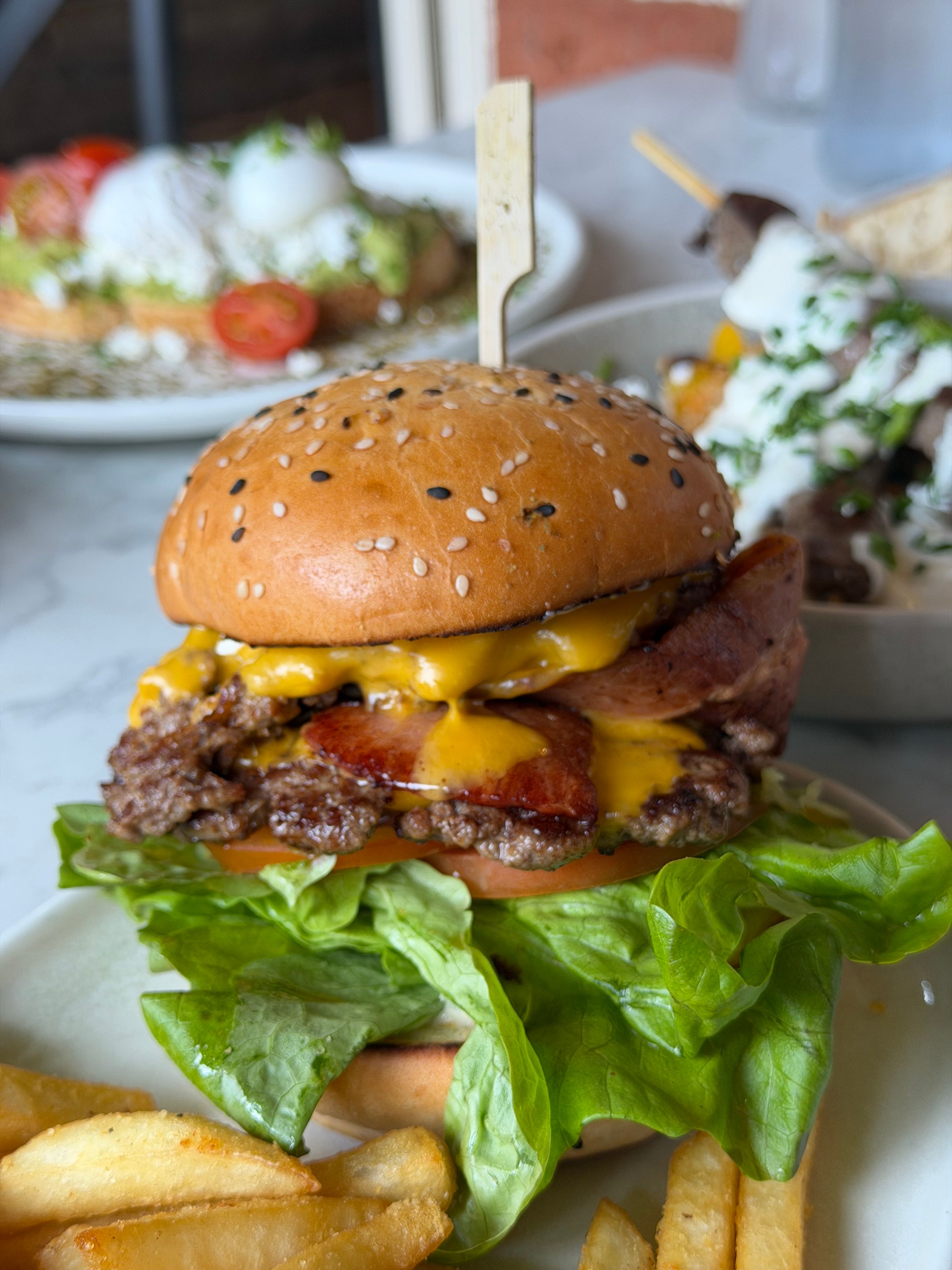
A fair burger ranking starts with consistency. I focused on national sit-down chains and kept the build as plain as possible so the fundamentals could speak for themselves.
Each burger was judged on beef quality, seasoning, doneness, bun structure, cheese melt, and whether the pickles, ketchup, and mustard improved or distracted from the whole. Ordering burgers this way removes the cover that bacon, sauces, or fried toppings often provide.
That method matters because burgers are about balance, not excess. Restaurant analysts and menu developers often point to repeatability as the hallmark of a strong chain item, and cheeseburgers are one of the clearest tests of that principle.
The two worst burgers were held back by the basics
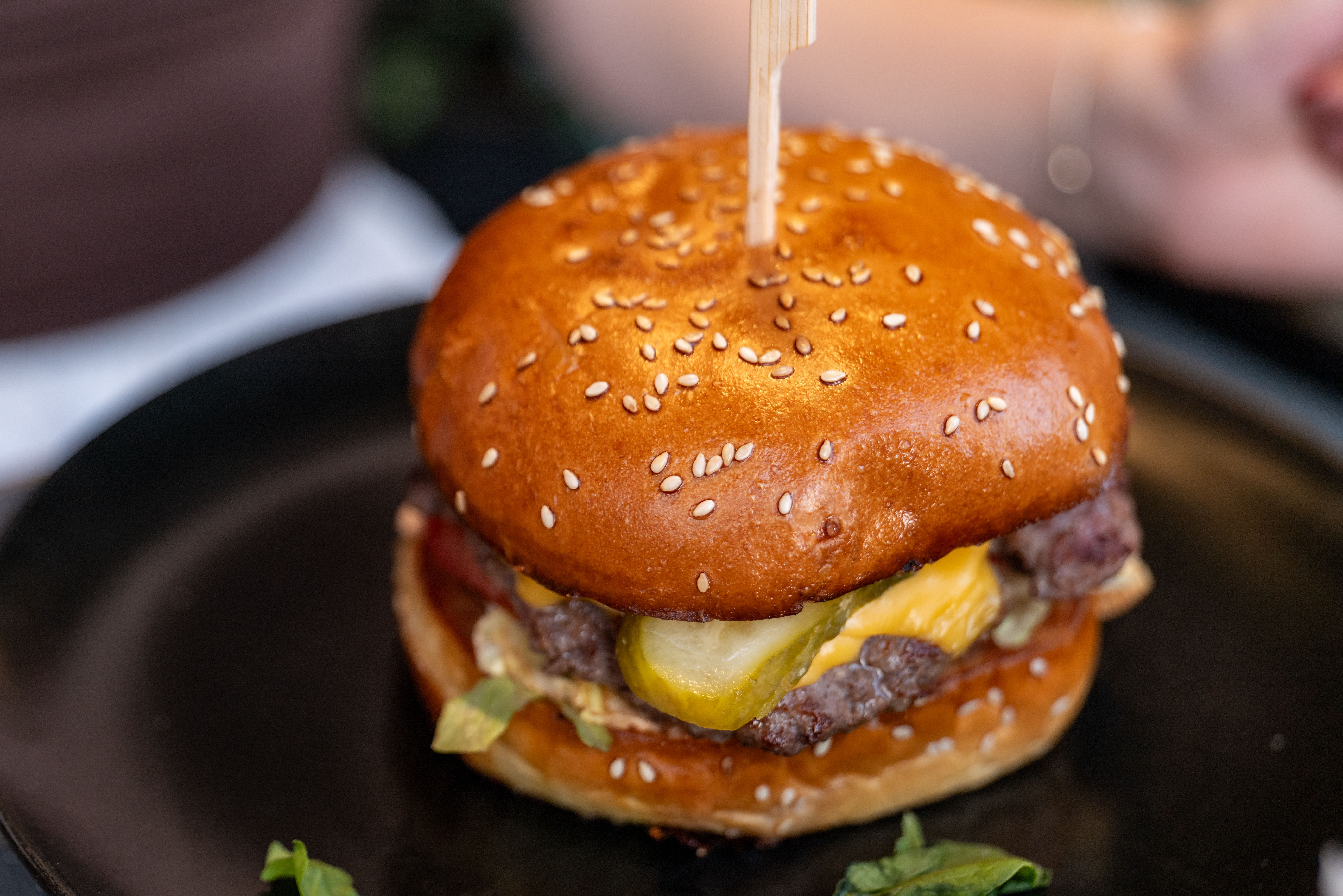
The bottom two burgers did not fail because they were offensive. They failed because they were forgettable, and in a category built on comfort and craveability, that is almost worse.
IHOP finished last. Its burger suffered from a dry, underwhelming patty and a bun that felt too thick and stiff for the amount of meat inside. The ratio was off, so each bite leaned more toward bread than beef, which made the whole burger feel flat.
Bob Evans ranked just above it. The seasoning was better, and the double cheese helped, but the patty was thin and the overall build lacked personality. It was serviceable and fairly priced, yet it never escaped the feeling of being a backup order at a restaurant better known for breakfast.
Why IHOP and Bob Evans missed the mark
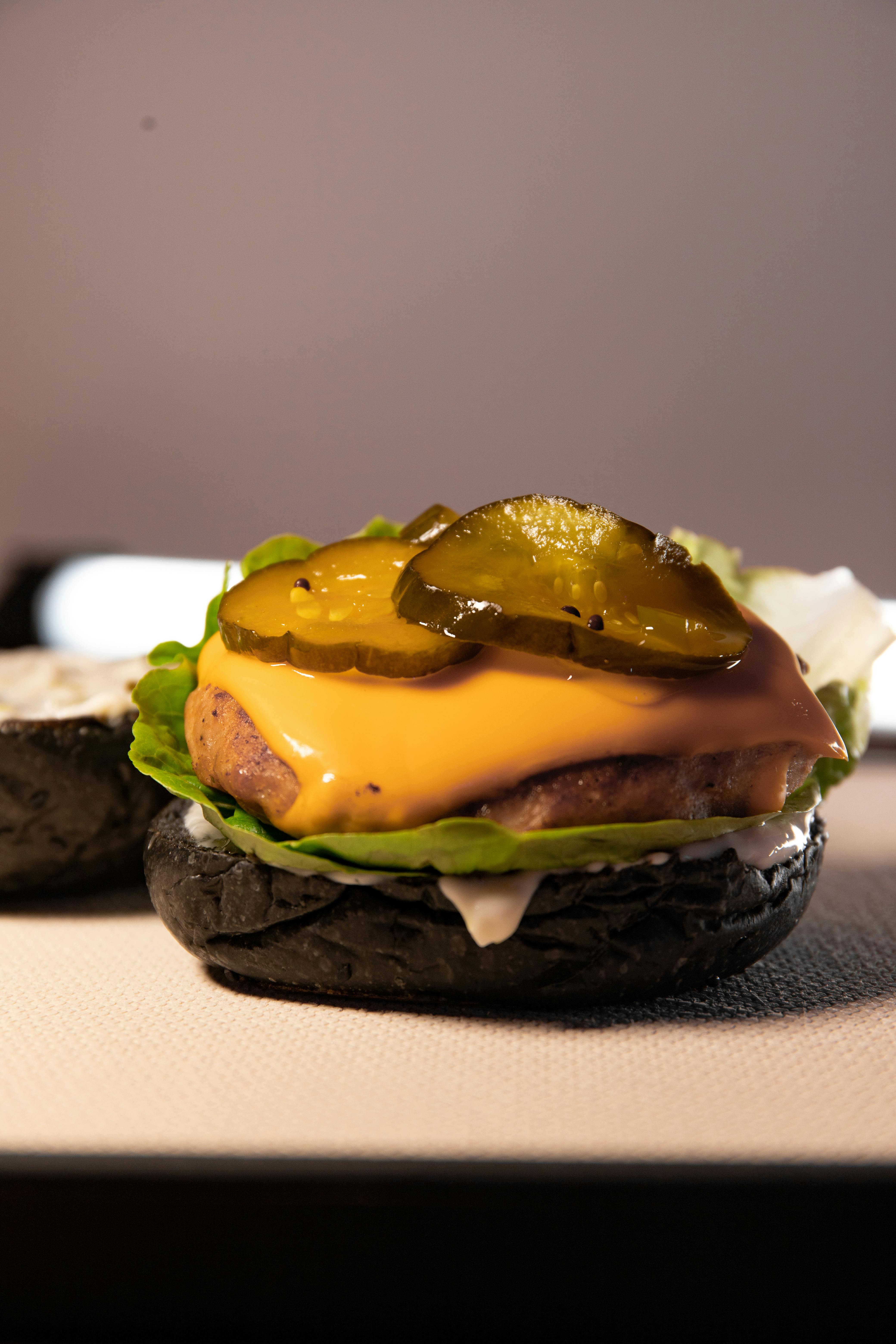
The issue with IHOP was not simply that it is breakfast-focused. Plenty of chains outside burger specialists still turn out solid versions, but this one lacked the moisture, beef flavor, and texture needed to justify ordering it over the restaurant's core menu.
A good cheeseburger needs some contrast. You want a juicy center, a bit of crust, a soft but resilient bun, and toppings that cut through richness. IHOP's version did not bring that contrast, so every element felt muted rather than coordinated.
Bob Evans had a better sense of structure, especially with the pickles and cheese, but the burger never developed momentum. The thin patty limited the meaty depth, and the experience stopped at "acceptable," which is not enough in a field where several chains did notably more with similar ingredients.
The middle of the pack got some important things right
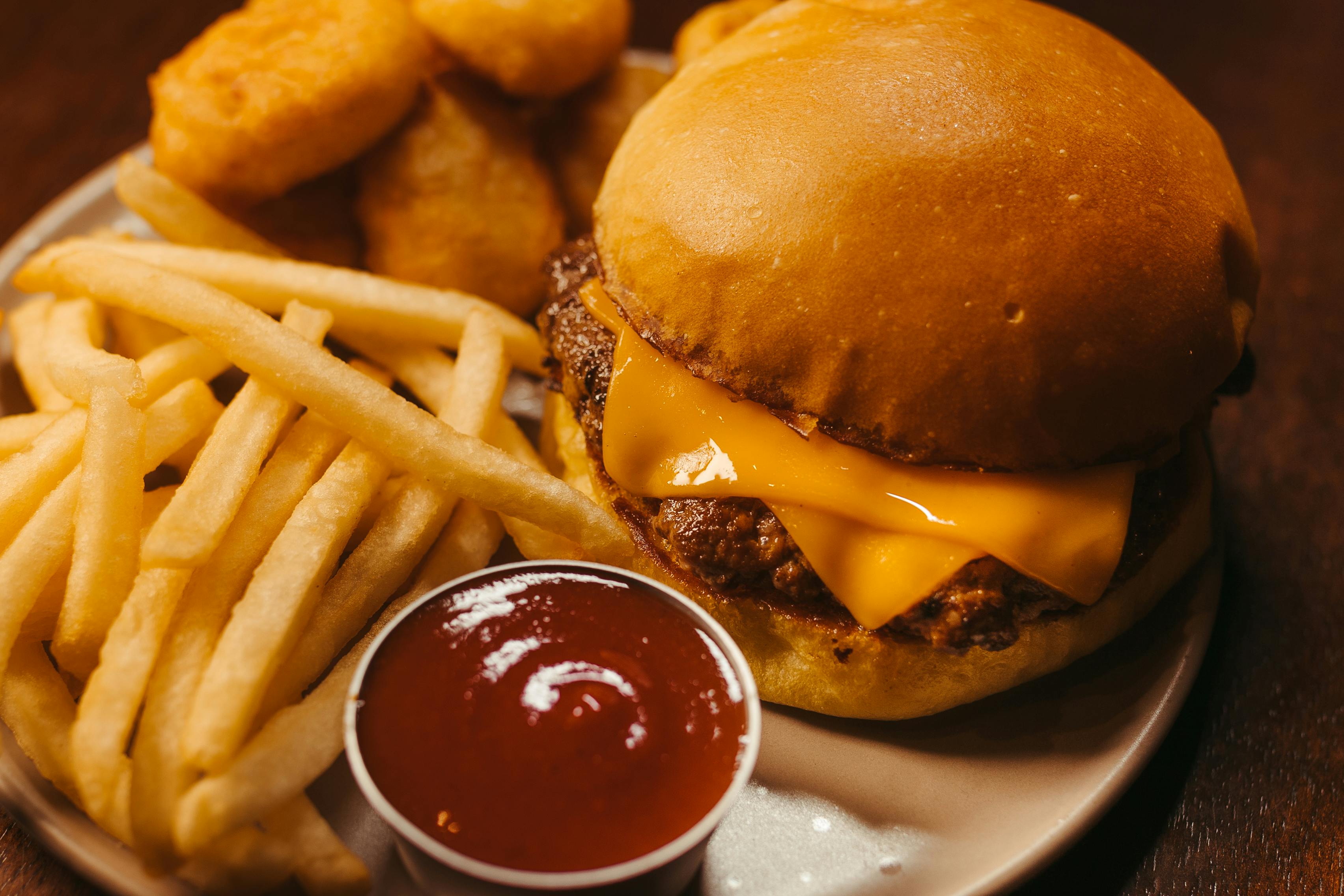
Texas Roadhouse, Applebee's, and Outback Steakhouse filled the middle spots, though for very different reasons. None were disasters, but each had a clear limitation that kept it from the top tier.
Texas Roadhouse offered a burger that was slightly charred and greasy, which can work when backed by strong seasoning. Here, though, the flavor did not have the punch expected from a steakhouse brand, and the missing standard condiments made it feel oddly unfinished.
Applebee's performed better because the patty had real savory character, aided by the chain's bar-and-grill seasoning and gooey American cheese. Outback was even more cohesive, with a thicker juicy patty and a satisfying steakhouse profile, even if no single component was truly standout.
The best burgers showed what chain dining can still do well
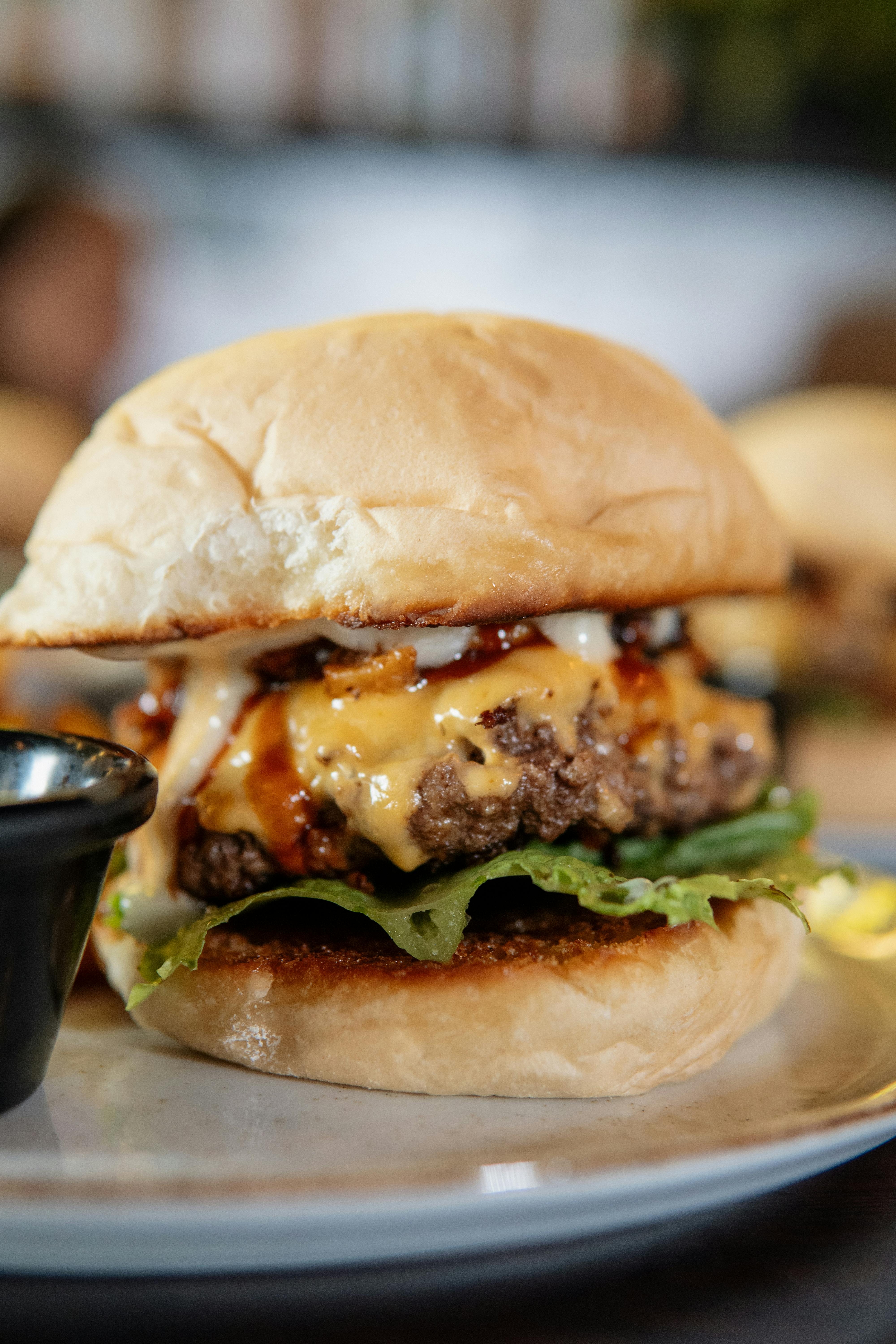
The top two proved that chain burgers can be far more than menu filler. Chili's and LongHorn Steakhouse both delivered burgers that felt carefully built rather than mechanically assembled.
Chili's impressed with texture and value. Its Big QP had tender beef, fresh pickles, and enough ketchup and mustard to brighten the richness without burying the meat. It did not taste luxury-grade, but it absolutely tasted like a burger designed by people who understand what guests actually want.
LongHorn Steakhouse took first because it came closest to steakhouse quality in burger form. The patty was large, juicy, and well-cooked, and the extra cheese never overwhelmed the smoky beef. Every bite felt balanced, which is the hardest thing for a big restaurant burger to achieve consistently.
What this ranking says about ordering burgers at chains
This tasting reinforced a useful rule for diners. A chain can have a famous name and still offer a mediocre cheeseburger if the kitchen treats it like a side option instead of a signature item.
The worst two burgers, IHOP and Bob Evans, were not terrible in an absolute sense. They were simply outclassed by competitors that paid closer attention to texture, seasoning, and proportion. That distinction matters because most diners are not just buying calories, they are buying satisfaction.
If you are ordering a cheeseburger at a sit-down chain, look for restaurants with a strong beef identity or a track record with bar food. Based on this tasting, breakfast-centered chains were the least convincing, while steakhouse and grill concepts generally handled the classic far better.

Leave a Reply