
Toronto promised endless local favorites, but the meals that stayed with me most were dishes carrying the tastes of other Canadian provinces. In a city built by migration, these foods showed how regional traditions travel, adapt, and still keep their core identity.
Montreal-style bagels

Toronto has no shortage of bagel shops, but Montreal-style bagels stand apart the moment you see them. They are smaller, denser, and baked in wood-fired ovens, which gives them a glossy crust and a gentle smokiness.
The style is closely linked to Montreal's Jewish baking tradition. A key detail is the dough, which is typically sweetened with malt or honey, then boiled before baking. That process creates the chew people expect.
In Toronto, these bagels often show up sesame-coated and still warm from the oven. They are easy to mistake for a side snack, yet they can steal a whole breakfast. One bite explains why a food tied so strongly to Quebec has built such a loyal following far from its original home.
Poutine
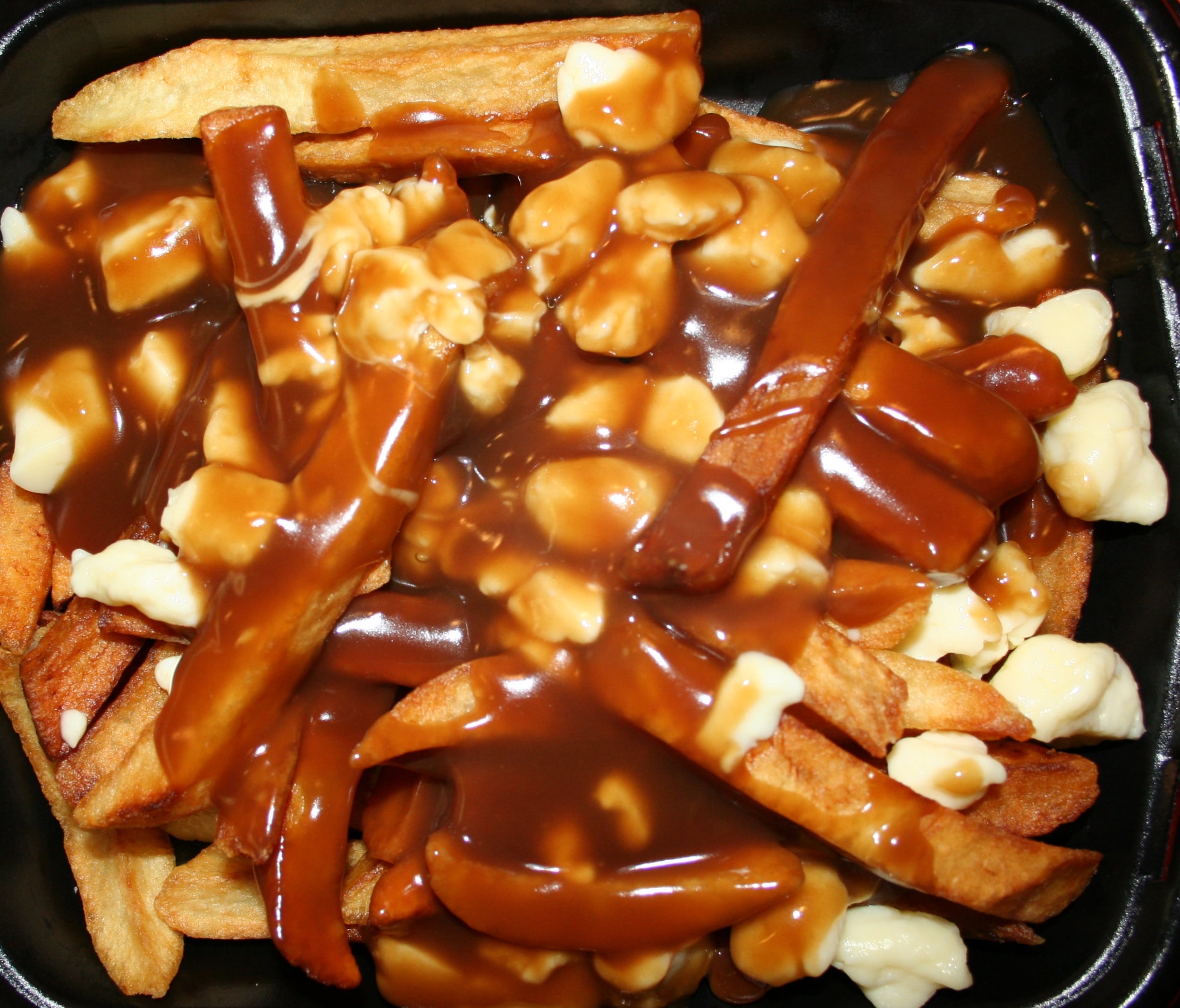
Poutine may now appear on menus across Canada, but its roots are in Quebec, where the classic version is straightforward: fries, fresh cheese curds, and hot brown gravy. The dish depends on balance, not extras.
The cheese curds matter most. In a proper poutine, they should hold their shape briefly under the heat and deliver the slight squeak that fans look for. That texture is part of what separates a true version from loaded fries.
Toronto restaurants often add toppings like smoked meat or pulled pork, but the strongest plates usually keep the focus narrow. When the fries stay crisp under the gravy, the appeal becomes obvious. It is rich, messy, and far more precise than it first appears.
Halifax donair
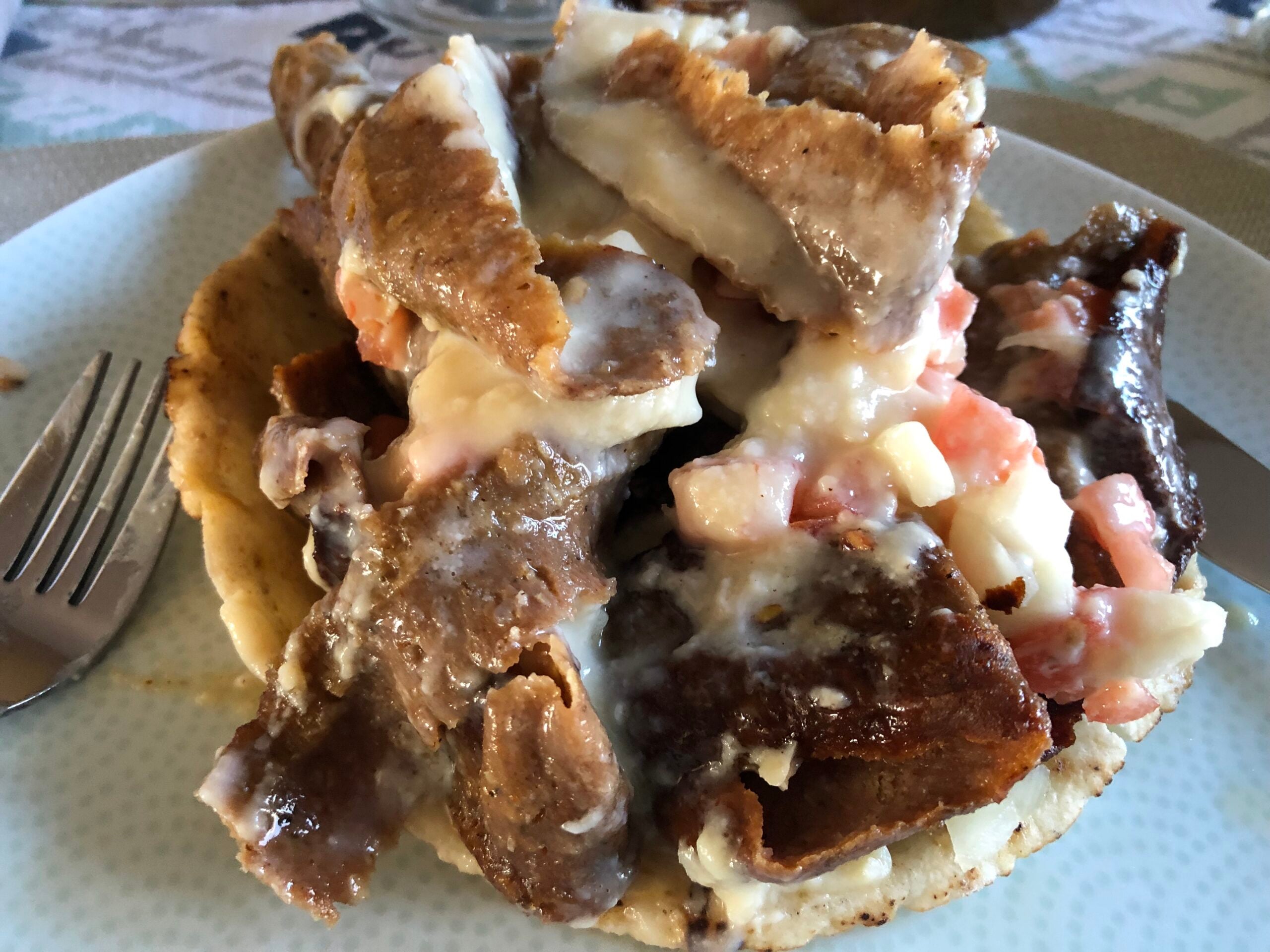
The Halifax donair arrived in Toronto with a reputation and a very specific identity. Unlike many doner-style wraps, the East Coast version is defined by spiced beef, diced tomatoes, onions, and a sweet garlic sauce.
That sauce is what makes the dish instantly recognizable. It is creamy and sugary rather than sharp or tangy, and it changes the whole flavor profile. Instead of tasting like a generic late-night wrap, a real donair tastes distinctly Nova Scotian.
In Toronto, the donair feels perfectly suited to a city that welcomes strong food personalities. It is handheld, filling, and unapologetically messy. More importantly, it carries a sense of place, which is why a food so tied to Halifax can stand out even in one of Canada's busiest dining scenes.
Tourtière
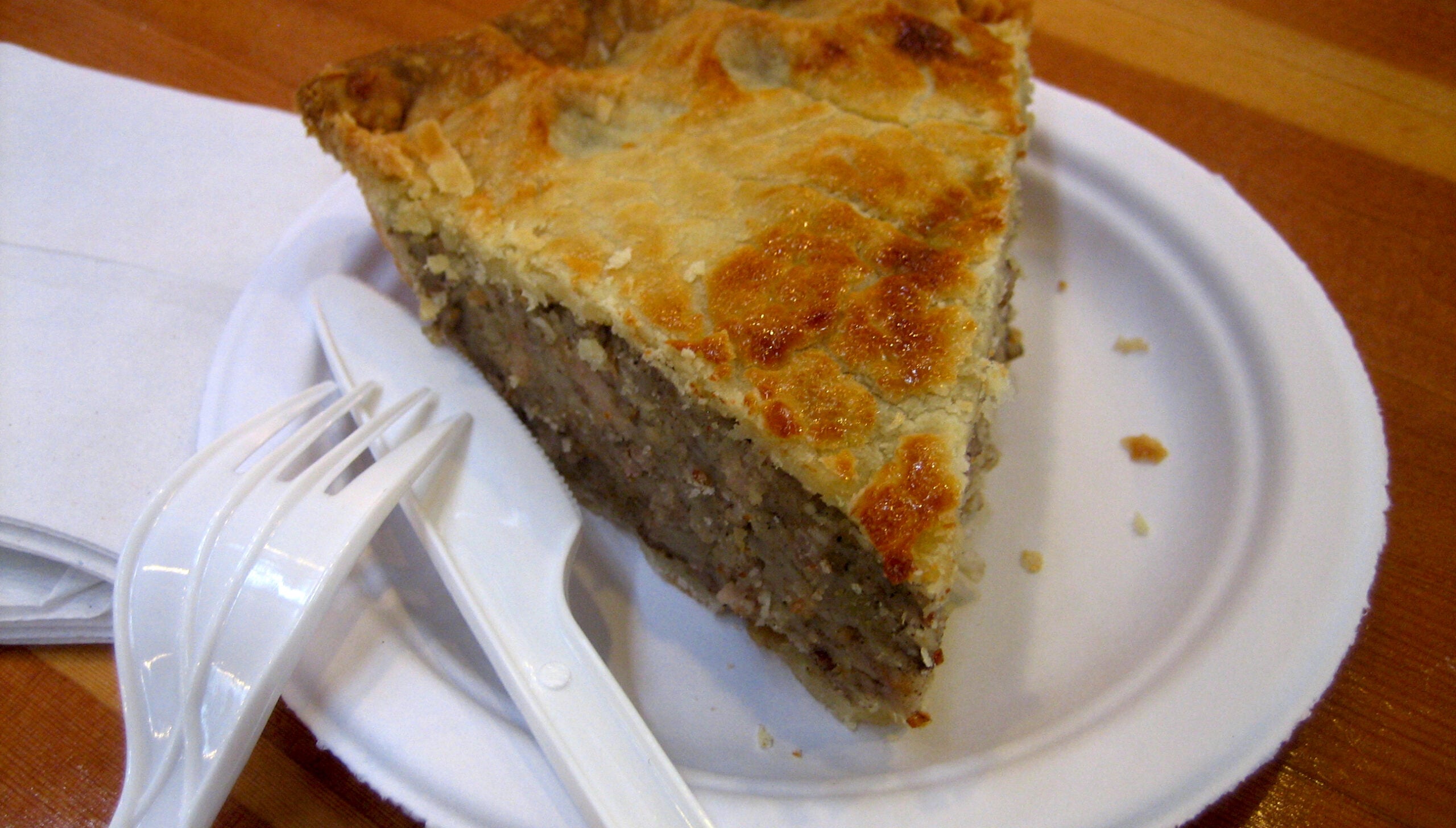
Tourtière brings Quebec comfort food into sharp focus. This meat pie is most often associated with holiday tables, but it has moved well beyond seasonal eating and found year-round fans in cities like Toronto.
The filling varies by region and family tradition. Some versions use pork, while others include combinations of meats and warm spices. The pastry matters as much as the filling, because a flaky crust gives the rich center contrast.
Served with ketchup, chutney, or a simple salad, tourtière can be far more versatile than visitors expect. In Toronto, it often appears in bakeries and French Canadian kitchens that treat it with care. Its appeal is easy to understand: it is practical, deeply savory, and built from ingredients that speak clearly for themselves.
Split pea soup
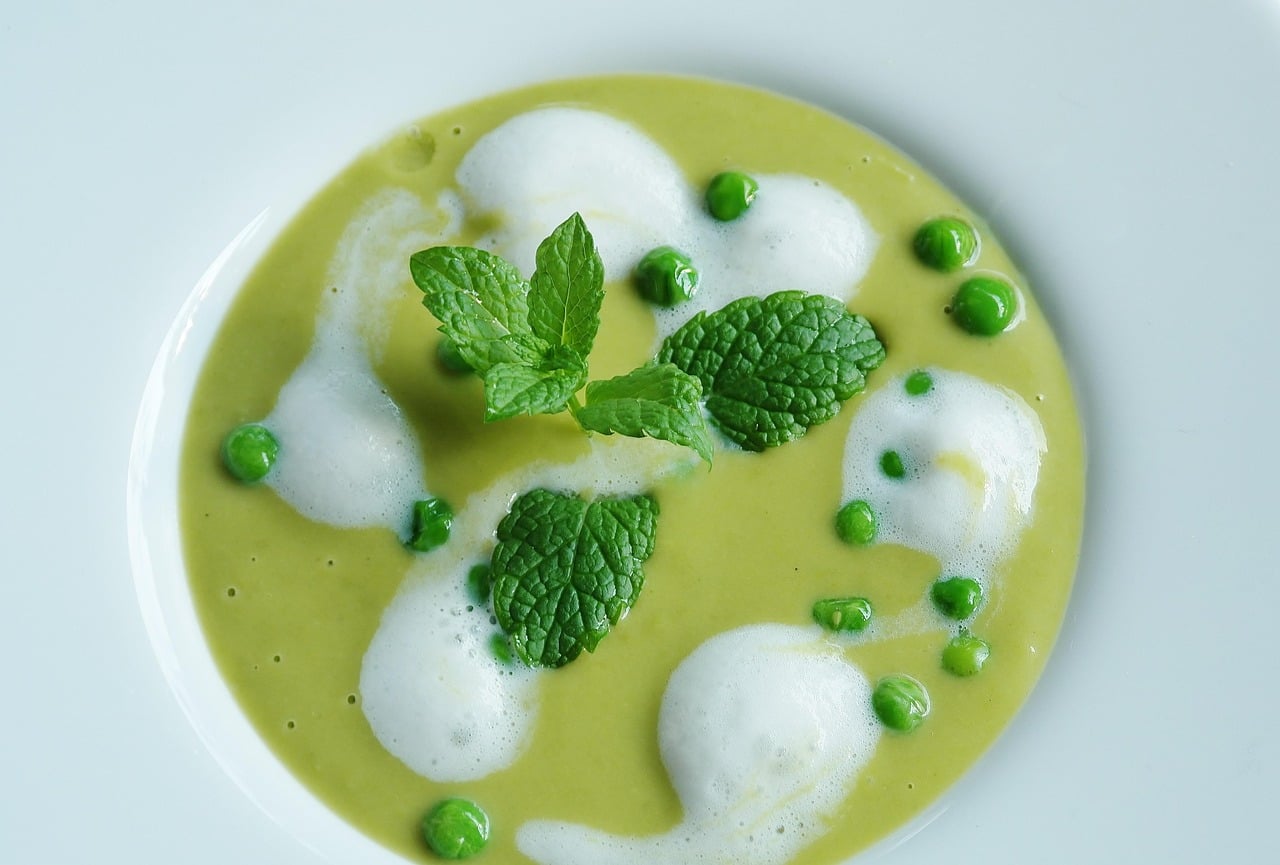
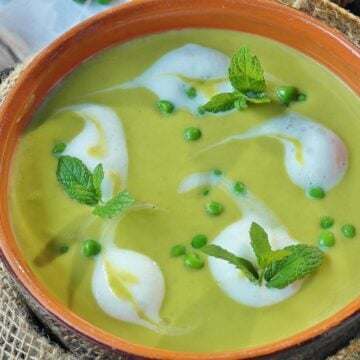
Split pea soup does not usually get top billing on a food trip, which is exactly why it can surprise you. In the French Canadian tradition, this thick soup has a long history as a filling, economical dish built for cold weather.
Yellow peas are the foundation, often joined by onion, herbs, and salt pork or ham for depth. The result is hearty without needing much decoration. A bowl can feel simple at first, then reveal a slow, smoky richness.
Toronto's colder months give this Quebec favorite the perfect setting. It also fits the city's appetite for foods that carry memory and migration in equal measure. Among flashier menu items, split pea soup succeeds by being direct, comforting, and rooted in a clear regional tradition.
Jiggs dinner
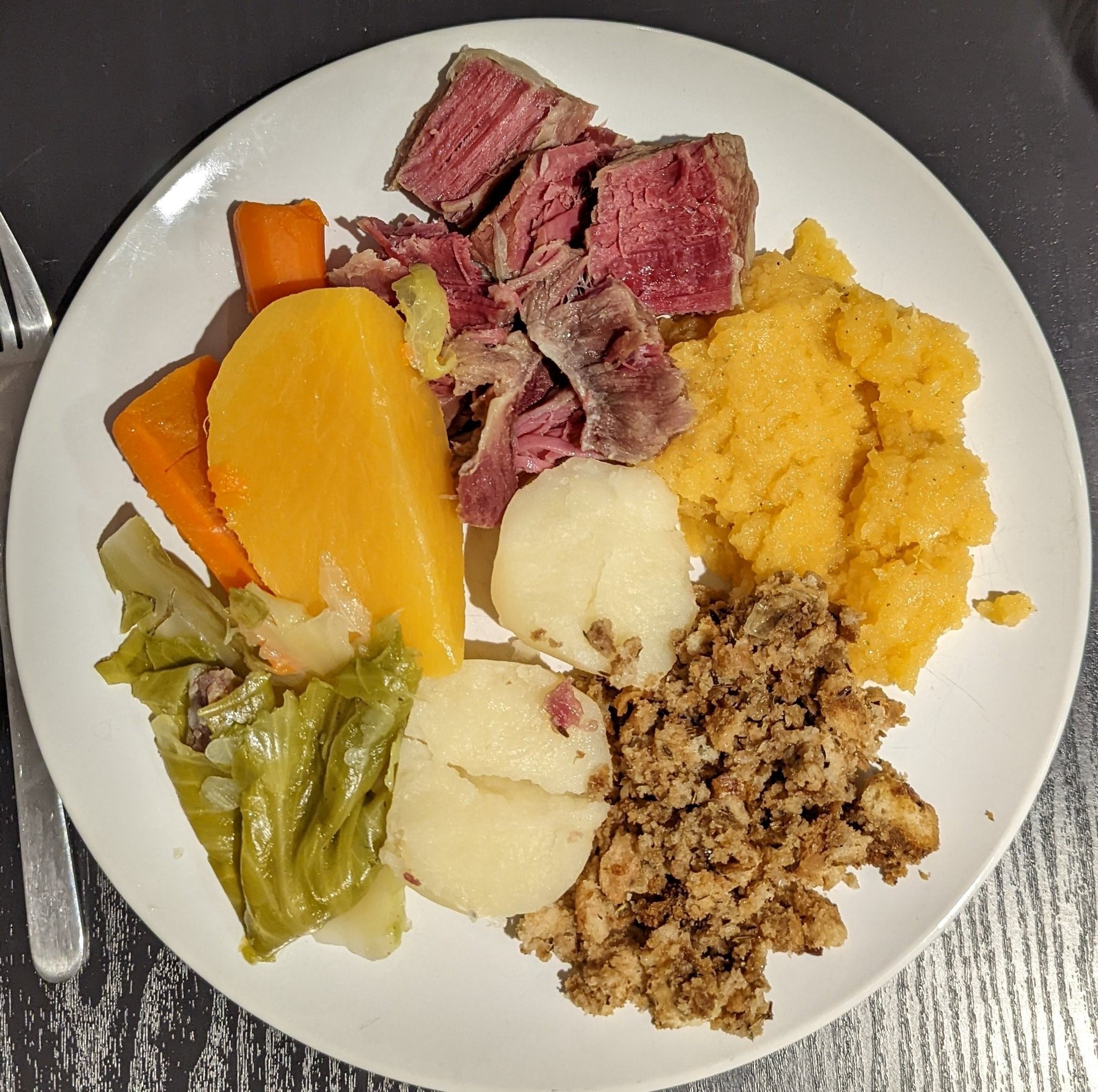
Jiggs dinner is one of the clearest expressions of Newfoundland and Labrador cooking to appear in Toronto. At its heart, it is a boiled meal of salt beef served with vegetables, often including cabbage, carrots, potato, and turnip.
The dish reflects preservation methods that mattered deeply in Atlantic life. Salt beef was practical and dependable, and the meal built around it became a Sunday tradition for many families. Its value was never in fancy presentation.
What makes Jiggs dinner memorable in Toronto is how fully it resists restaurant trends. It is humble, substantial, and tied to routine rather than novelty. That sincerity gives it real power. In a city where food can sometimes chase spectacle, this plate wins by offering history, comfort, and a strong sense of home.
Flapper pie

Flapper pie brings Manitoba into the conversation through dessert. The classic version combines a graham cracker crust, a custard filling, and a layer of meringue, creating a pie that is gentle rather than showy.
It became especially associated with the Prairie provinces in the early 20th century, when home bakers relied on accessible pantry ingredients. That background helps explain its lasting appeal. The dessert feels familiar, but its texture gives it personality.
In Toronto, where dessert menus often lean heavily on chocolate or oversized pastries, flapper pie can feel refreshingly restrained. The custard is smooth, the crust adds a little crunch, and the meringue keeps things light. It proves that regional Canadian sweets do not need excess to leave a lasting impression.
Saskatoon berry pie
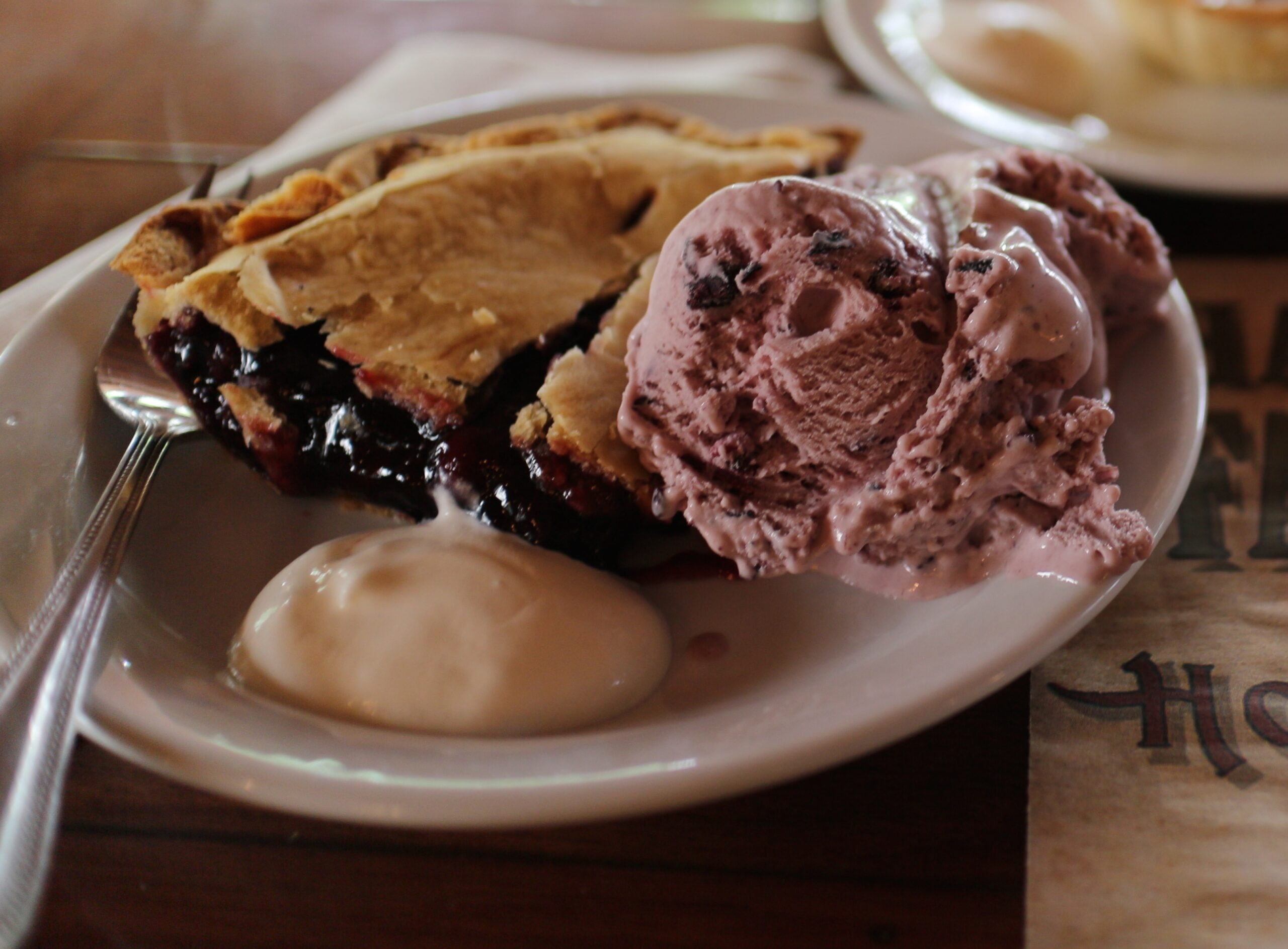
Saskatoon berry pie carries the Prairie provinces onto the plate in a way that feels both rustic and precise. Saskatoon berries are native to parts of Western Canada and bring a flavor often described as sweet, nutty, and slightly almond-like.
That profile makes the pie distinct from blueberry or blackberry versions. The filling has depth, and it pairs especially well with a sturdy pastry shell that can hold the juices without turning soft too quickly.
In Toronto, the pie stands out because the fruit itself still feels specific to another landscape. It evokes open Prairie growing regions more than dense urban streets. That sense of geographic distance is part of the appeal. Each slice tastes like a regional specialty that kept its identity intact after crossing the country.
Alberta beef
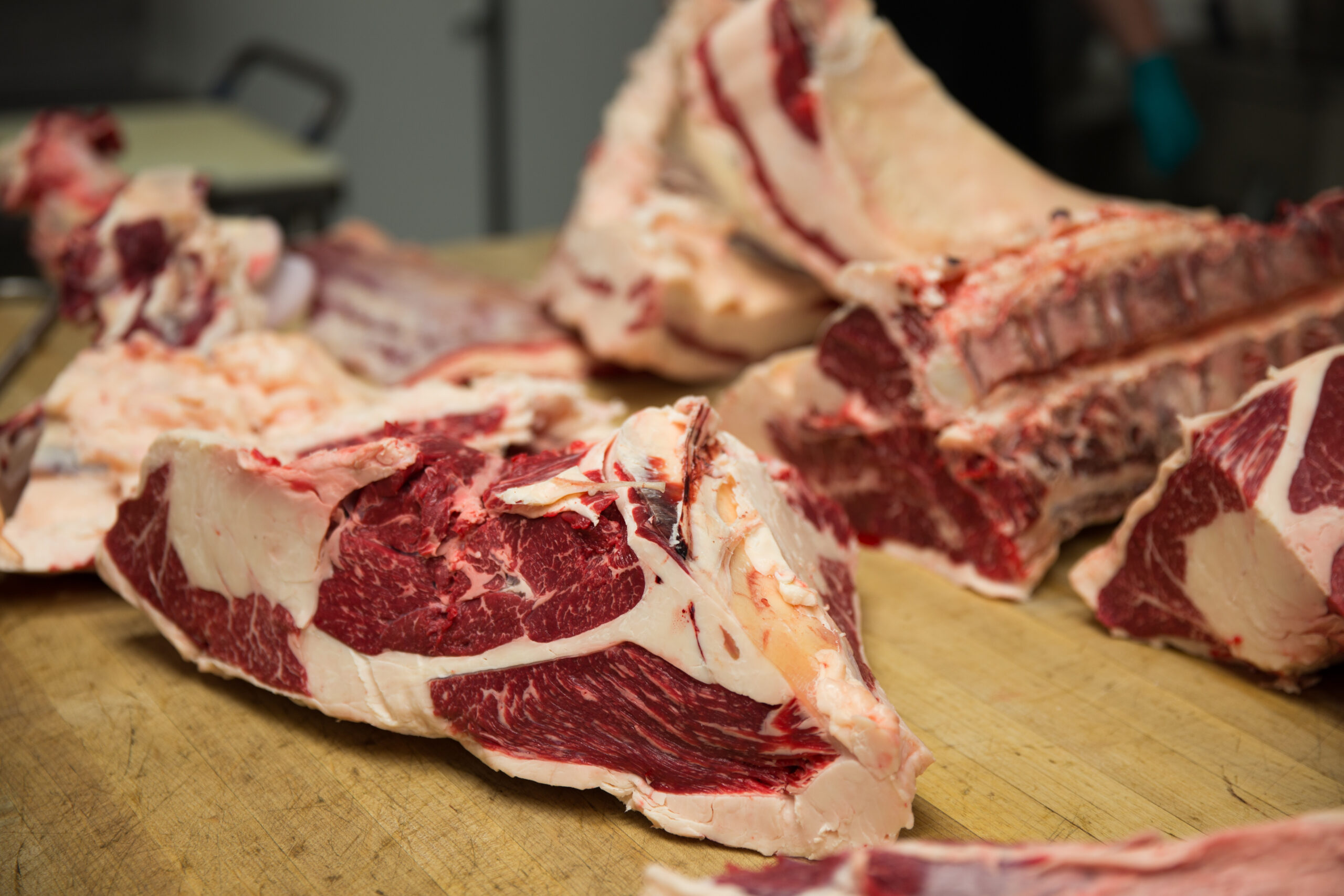
Not every standout provincial food in Toronto arrives as a prepared dish. Alberta beef often appears as the core ingredient in steaks, burgers, or roast dinners, bringing one province's ranching reputation directly to the table.
Alberta has long been associated with cattle production, and that reputation shapes how diners read a menu. When a restaurant names the province, it is signaling a certain standard of quality and richness before the plate even lands.
In Toronto, that label carries weight because it connects urban diners to a very different food economy. It suggests grasslands, feedlots, and a supply chain larger than the city itself. The result is more than branding. For many people, Alberta beef remains one of the clearest examples of how regional Canadian identity travels through food.
Garlic fingers
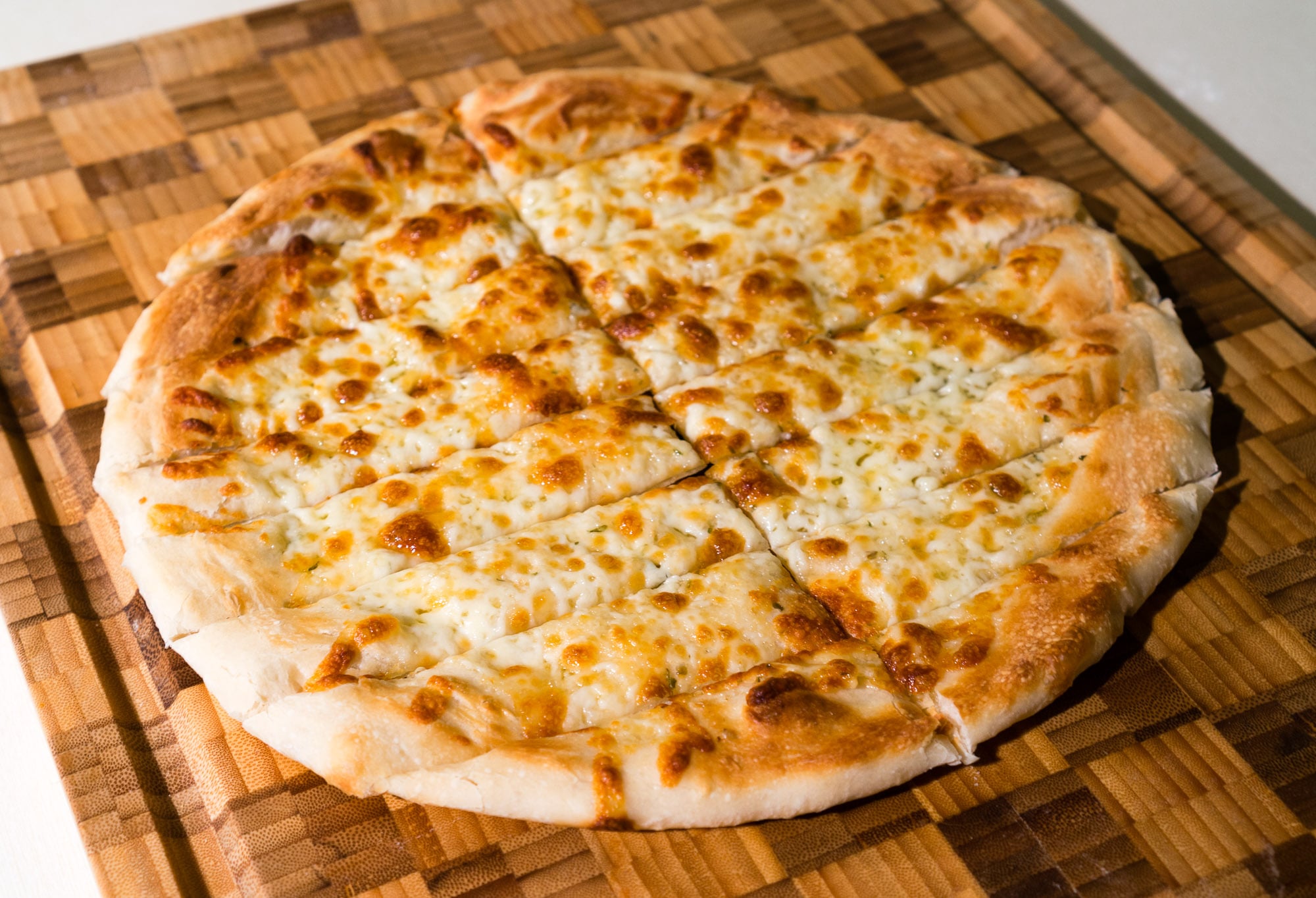
Garlic fingers are one of Atlantic Canada's most persuasive contributions to casual eating. Popular in Nova Scotia and nearby provinces, they resemble pizza in shape but swap tomato sauce for butter, garlic, and often cheese, then get cut into strips.
They are usually served with donair sauce, which gives them a sweet, creamy dip unlike the marinara many diners might expect. That pairing is central to the experience. Without it, the dish loses part of its regional personality.
In Toronto, garlic fingers work because they are easy to share and easy to understand, yet still different enough to feel new. They close the meal on a smart note, too, because they remind you that simple comfort food can carry just as much regional meaning as more famous dishes.



Leave a Reply