
Avocados are too expensive to leave to chance. I stopped waiting for perfect ripeness and built a simple system that gives me usable avocados almost every day.
I buy for a schedule, not for tonight
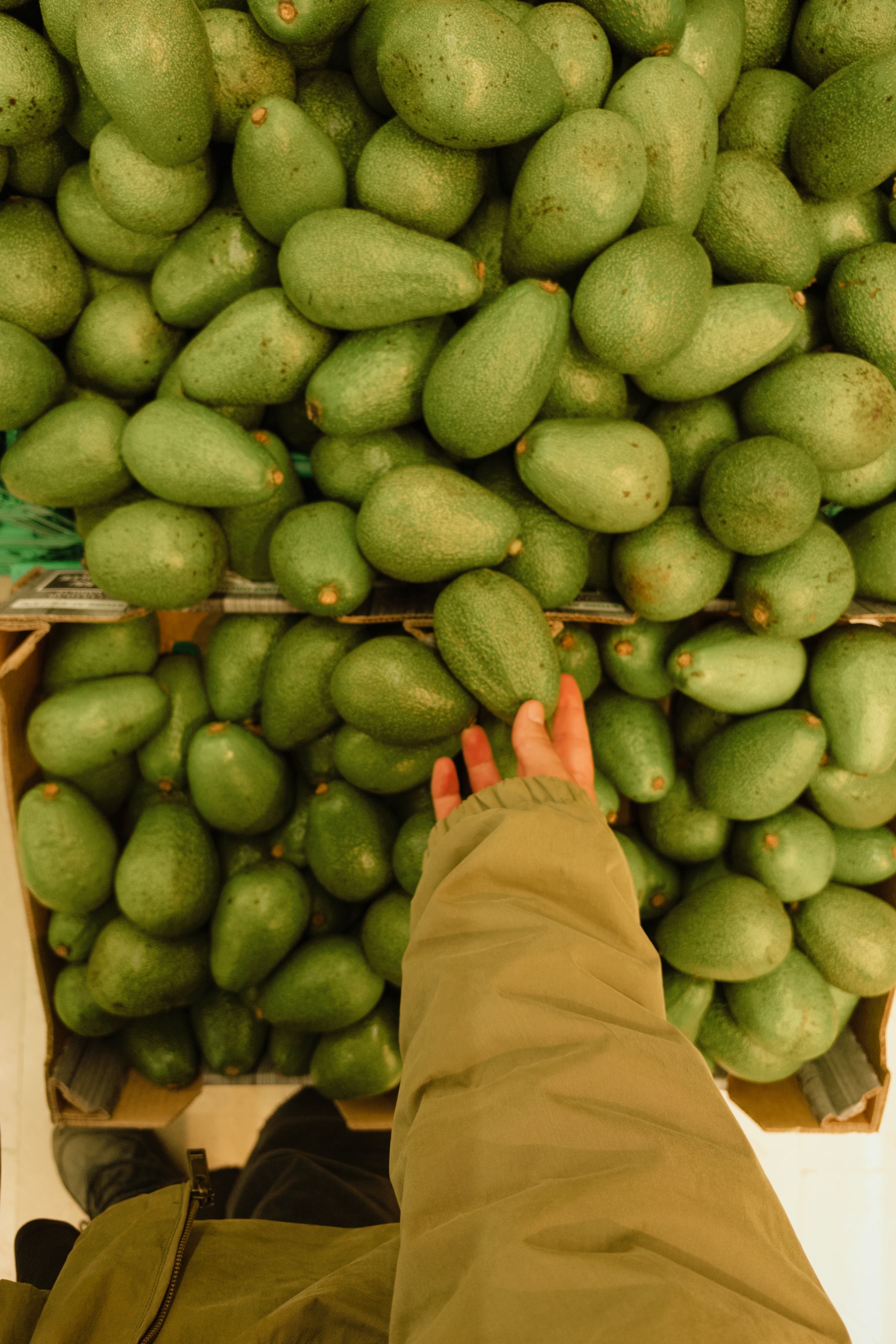
Most people shop for avocados as if every one should be ready the same day. That is usually why they end up with fruit that is either hard as a rock or brown inside by the weekend.
I buy in stages instead. I choose one avocado that yields slightly near the stem for immediate use, two firm-ripe ones for the next 2 days, and several hard green ones for later in the week. This staggered approach mirrors how produce managers stock fruit for rolling demand.
The benefit is consistency. Hass avocados, the variety most Americans buy, continue to ripen after harvest because they are climacteric fruit, meaning they respond to ethylene gas. When you understand that timing matters more than luck, shopping gets much easier.
I control ripening with the counter and the fridge
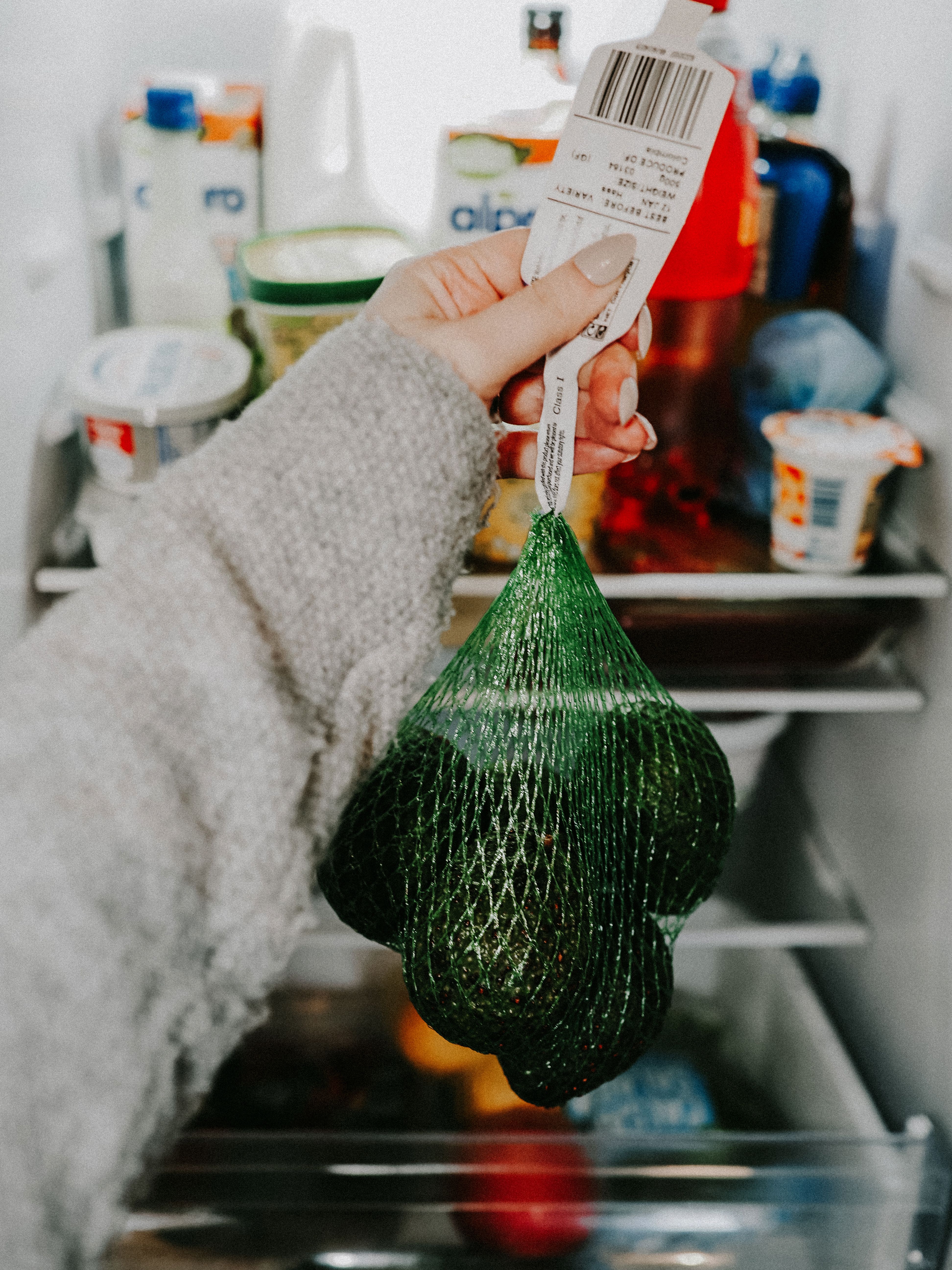
Here is the simplest rule I follow: hard avocados stay on the counter, ripe avocados go straight into the refrigerator. That one habit prevents most waste.
At room temperature, avocados keep producing ethylene and softening. In the refrigerator, that process slows dramatically, often buying you several extra days of good texture. According to guidance widely used by produce handlers, cold storage does not improve a hard avocado, but it does preserve one that has already reached peak ripeness.
So instead of waiting and hoping, I move each avocado based on feel. If it gives gently in the palm without collapsing, I chill it. If it feels very firm, I leave it out and check again the next day.
When I need one faster, I trap ethylene on purpose
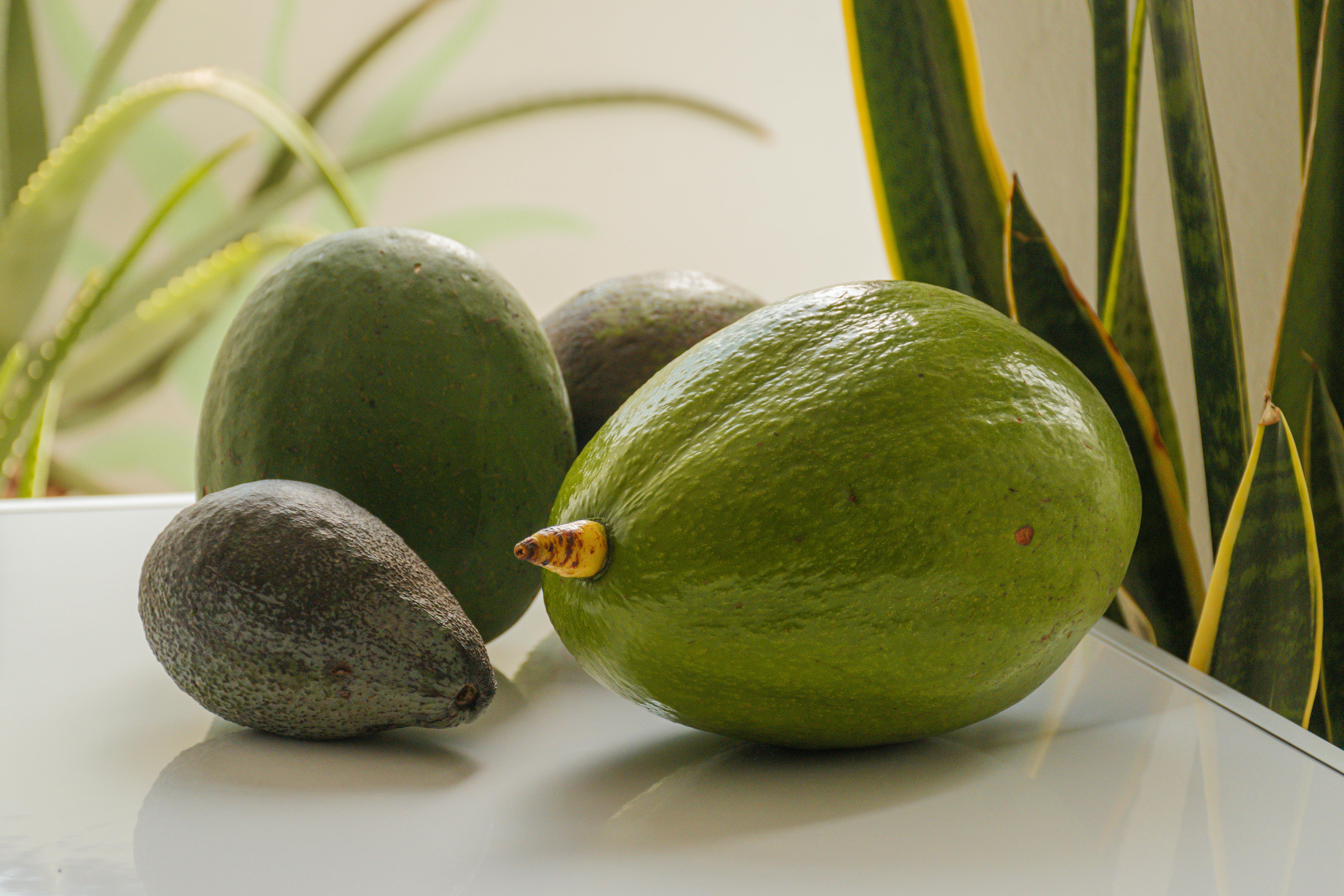
Sometimes dinner plans change and I need a softer avocado within 24 hours. In that case, I use a paper bag with a banana or apple, both of which release ethylene naturally.
The bag works because it concentrates that gas around the fruit. A warmer kitchen also helps, though too much heat can create uneven ripening and off flavors. In most homes, this method can noticeably speed softening by the next day, especially for avocados that have already begun maturing.
I avoid common shortcuts that promise instant ripeness. Baking avocados or microwaving them can soften the flesh, but that is not true ripening. The creamy texture, nutty flavor, and better mouthfeel develop through natural enzymatic changes, not just heat.
I use the stem test and hand feel, not color alone

A dark peel can be misleading. Some avocados look nearly black while still firm, while others soften before their color fully changes.
The best test is gentle pressure in your palm, not your fingertips, which can bruise the fruit. A ripe avocado should feel slightly soft and even, without sunken spots. If one side feels mushy, the inside may already be overripe.
I also check under the small stem cap when possible. If it lifts easily and shows green underneath, the avocado is usually in good shape. Brown under the cap can signal overripeness, while a cap that will not lift often means the fruit still needs time.
I match the avocado to the recipe
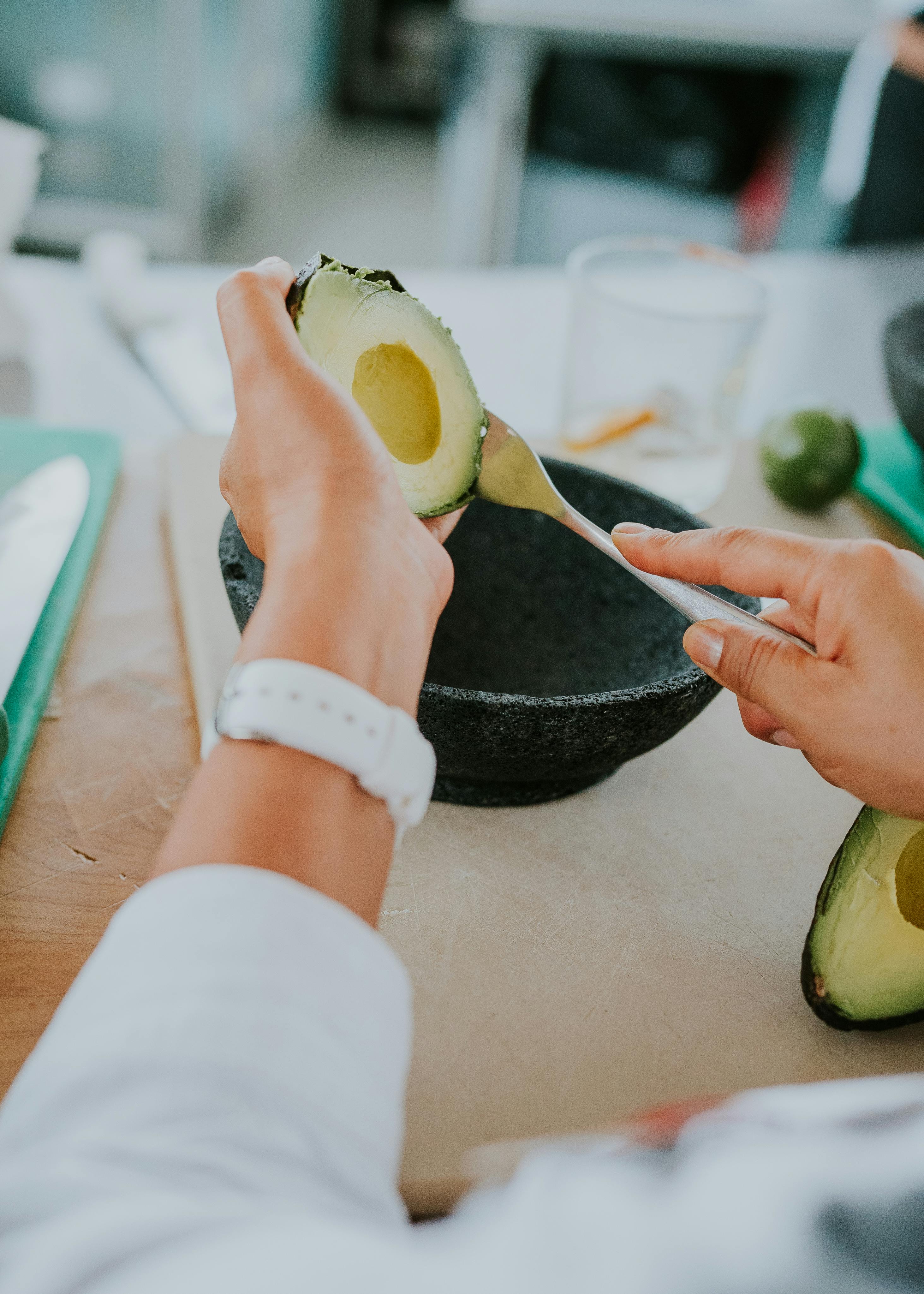
Not every avocado needs to be perfectly creamy. Slightly firm avocados are excellent for slicing into salads, grain bowls, tacos, and sandwiches because they hold their shape better.
For guacamole, toast, dressings, and chocolate mousse, I use softer fruit with a richer texture. This recipe-first mindset matters because it expands the window in which an avocado is useful. What feels underripe for mash can be ideal for neat slices.
That shift alone cuts food waste. Home cooks often reject avocados that are still perfectly usable simply because they are not ready for one specific dish. I treat texture as a tool, not a pass-fail test.
I always have a backup plan for cut avocados
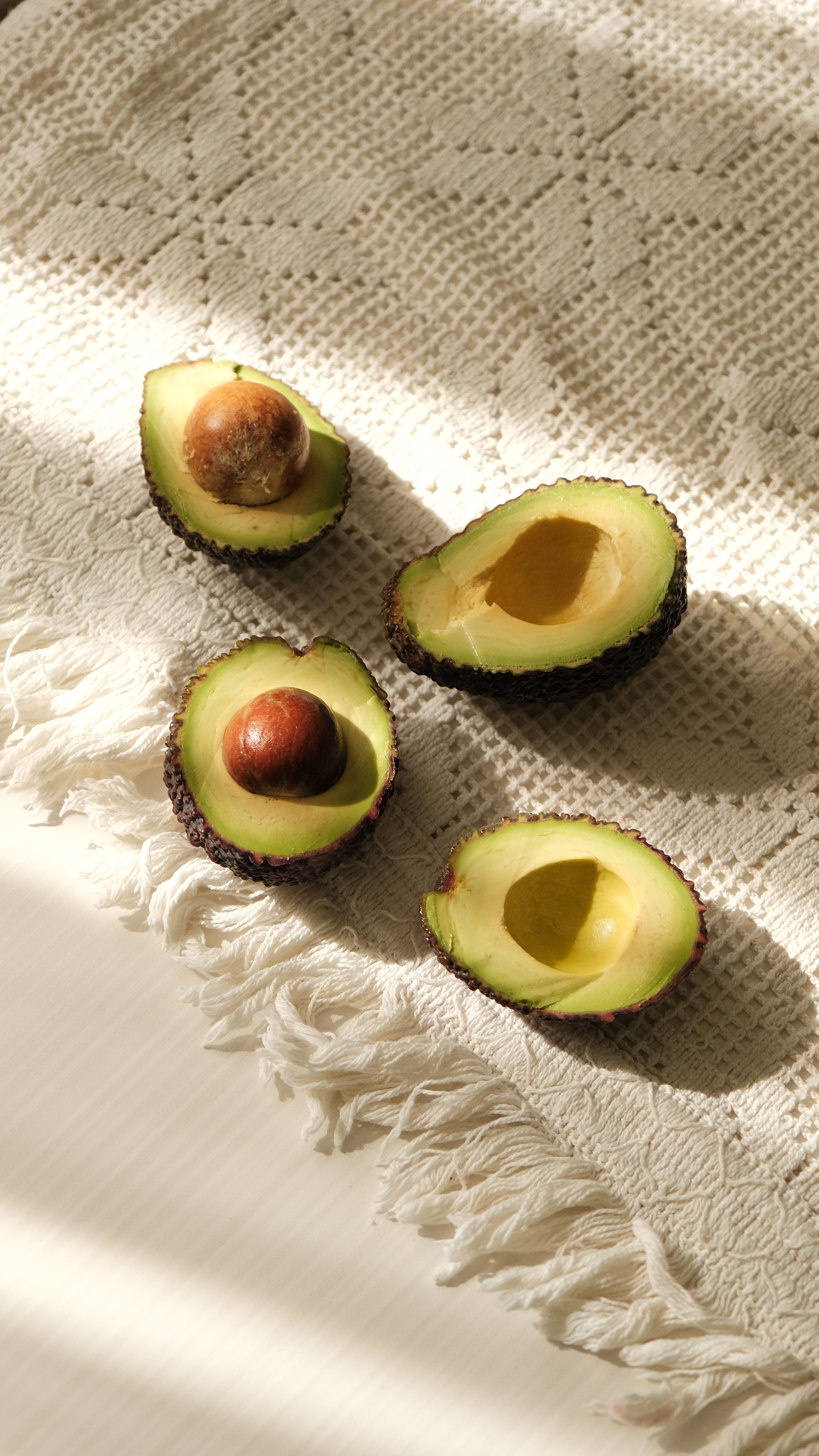
A half avocado does not need to become tomorrow's disappointment. I brush the cut surface lightly with lemon or lime juice, press plastic wrap directly against it, and refrigerate it in an airtight container.
The acid helps slow browning, though exposure to oxygen is the bigger issue. Keeping the surface tightly covered matters more than dramatic kitchen tricks. Leaving the pit in can protect only the area it actually covers, not the whole half.
If an avocado gets too soft, I do not throw it out automatically. Very ripe flesh still works in smoothies, salad dressings, baked goods, and mashed spreads. The real secret is not waiting for avocados to ripen. It is managing them so they are ready when you are.


Leave a Reply