
One week, 10 pizza chains, and far too many breadsticks later, a clear pattern emerged. Some chains overdelivered, but two of the biggest names were surprisingly underwhelming.
How I judged 10 major pizza chains in one week

A pizza chain can win on convenience and still lose badly on food quality. To keep the comparison fair, I ordered a similar baseline meal from each chain: a standard cheese or pepperoni pizza, one side when available, and delivery or carryout depending on what each brand is known for most. That helped separate branding from the actual eating experience.
I focused on five factors that regular customers care about most: crust texture, sauce balance, cheese quality, topping distribution, and overall value. Price mattered, but not as much as consistency. If a pizza cost a little more and tasted fresh, balanced, and properly baked, that counted in its favor.
The 10 chains included Domino's, Pizza Hut, Papa Johns, Little Caesars, Marco's Pizza, Papa Murphy's, California Pizza Kitchen, Sbarro, Chuck E. Cheese, and Jet's Pizza. Some are delivery giants, while others lean on take-and-bake or mall-style slices. That variety made the comparison more useful because the disappointment factor came from performance versus expectation.
What the better chains got right
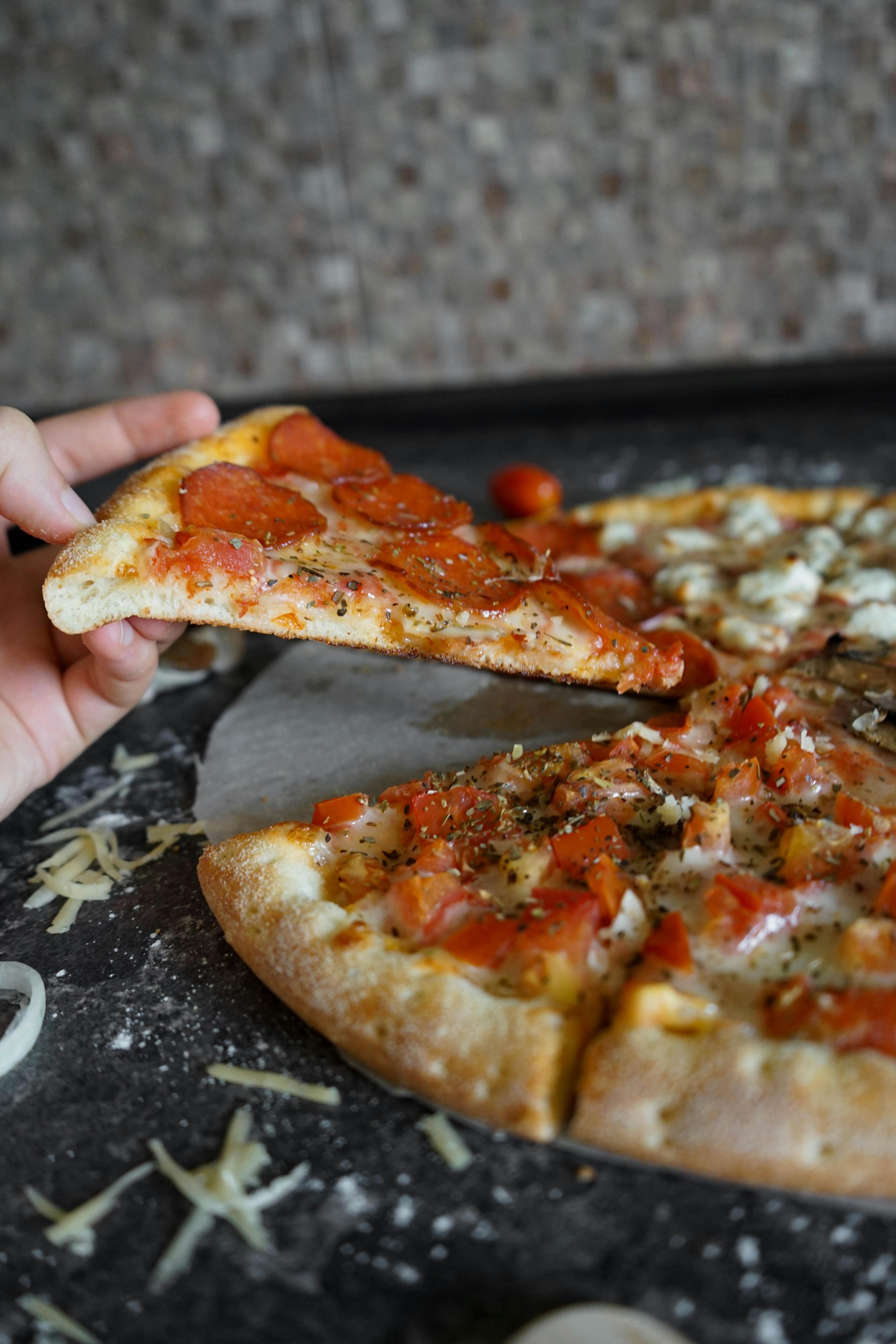
The strongest chains understood a basic truth: pizza does not need to be fancy, but it does need to be coherent. Jet's Pizza stood out with a crisp, airy crust and a generous cheese layer that still let the sauce come through. Marco's also impressed by tasting closer to a neighborhood pizzeria than a national chain usually does.
Domino's deserves credit for consistency. Its pizzas arrived hot, evenly baked, and better seasoned than many people remember from the brand's weaker years. According to the company's own public turnaround story, recipe changes helped revive customer sentiment, and the current product reflects that effort in a noticeable way.
Even Little Caesars, which often gets dismissed because of its low price point, delivered exactly what it promised. The pizza was not elite, but it was hot, filling, and reasonably balanced for the cost. In a lineup like this, meeting expectations cleanly can be more impressive than aiming high and missing.
The first big disappointment: Pizza Hut

Pizza Hut was the most surprising letdown because its reputation still carries weight with a lot of customers. The chain built its name on indulgence, thick crust appeal, and that distinct pan-pizza identity. What arrived, however, felt tired rather than indulgent, with a crust that was greasy on the bottom and oddly dry along the edge.
The sauce lacked brightness, which made the whole pie feel heavy after only a slice or two. Cheese coverage was decent, but the texture turned rubbery quickly as the pizza cooled. That matters because a good chain pizza should still eat well ten or fifteen minutes later, especially in real-world takeout conditions.
Value also hurt Pizza Hut's standing. The price landed well above budget competitors, but the quality did not justify the gap. In consumer testing by firms like YouGov, brand familiarity often stays strong even when satisfaction slips, and this felt like one of those cases where nostalgia may be doing more work than the food itself.
The second big disappointment: Chuck E. Cheese

Chuck E. Cheese entered the week with a built-in excuse because it is not trying to be a premium pizza brand. Still, a major chain serving families at scale should be able to deliver a solid basic pie. Instead, this was the weakest overall pizza I ate, with a flat flavor profile and a crust that seemed engineered more for speed than enjoyment.
The sauce was sparse and bland, leaving the cheese to carry the bite almost alone. That would be manageable if the cheese were rich or stretchy, but it tasted processed and one-note. Toppings did not help much either, as distribution was uneven and several slices looked noticeably underdressed.
This is where context matters. Parents may not be visiting Chuck E. Cheese for culinary excellence, but food is still part of the bill and part of the promise. Compared with lower-priced competitors that produced more satisfying pizzas, this one felt less like a compromise and more like an afterthought.
Why these chains fell short compared with the rest

The core issue with both disappointing chains was not one catastrophic flaw. It was the stacking effect of multiple small misses. When crust, sauce, and cheese all land at merely acceptable or below, there is no standout strength left to carry the slice. Pizza is simple food, so weak execution is hard to hide.
By contrast, the better chains each had a clear identity. Jet's had texture. Domino's had consistency. Marco's had freshness. Even value-focused brands had a lane and stayed in it. Pizza Hut and Chuck E. Cheese felt less certain, as though they were relying on recognition, habit, or captive audiences more than a product that truly holds up.
That distinction matters in a crowded market. The U.S. pizza category is fiercely competitive, and chains now face pressure not only from one another but from regional operators, grocery take-and-bake options, and fast-casual flatbread brands. Customers have too many decent alternatives for mediocrity to coast on legacy appeal alone.
The final takeaway after a very cheesy week

Eating pizza every day quickly teaches you that chain success is rarely about one magical ingredient. It comes down to repeatable systems that protect flavor, texture, and value at scale. The best brands in this test did not necessarily make the most exciting pizzas, but they made the most dependable ones, and that matters more for most customers.
The two most disappointing chains were Pizza Hut and Chuck E. Cheese, though for different reasons. Pizza Hut disappointed because it failed to live up to a strong legacy and premium-ish pricing. Chuck E. Cheese disappointed because even within modest expectations, the pizza felt forgettable and poorly assembled.
If you are choosing from major pizza chains today, the safest strategy is to reward the brands that know exactly what they are and execute it well. Familiarity alone is no longer enough. In a category built on comfort food, customers can forgive simplicity, but they rarely forgive a bland, overpriced, or badly balanced slice.


Leave a Reply