
Food debates are rarely fair, and this one is no exception. When Canadians single out one province for having the "worst" food, Newfoundland and Labrador often comes up first, not because it lacks food traditions, but because its best-known dishes are intensely regional, highly practical, and easy to mock if you did not grow up with them.
Jiggs dinner
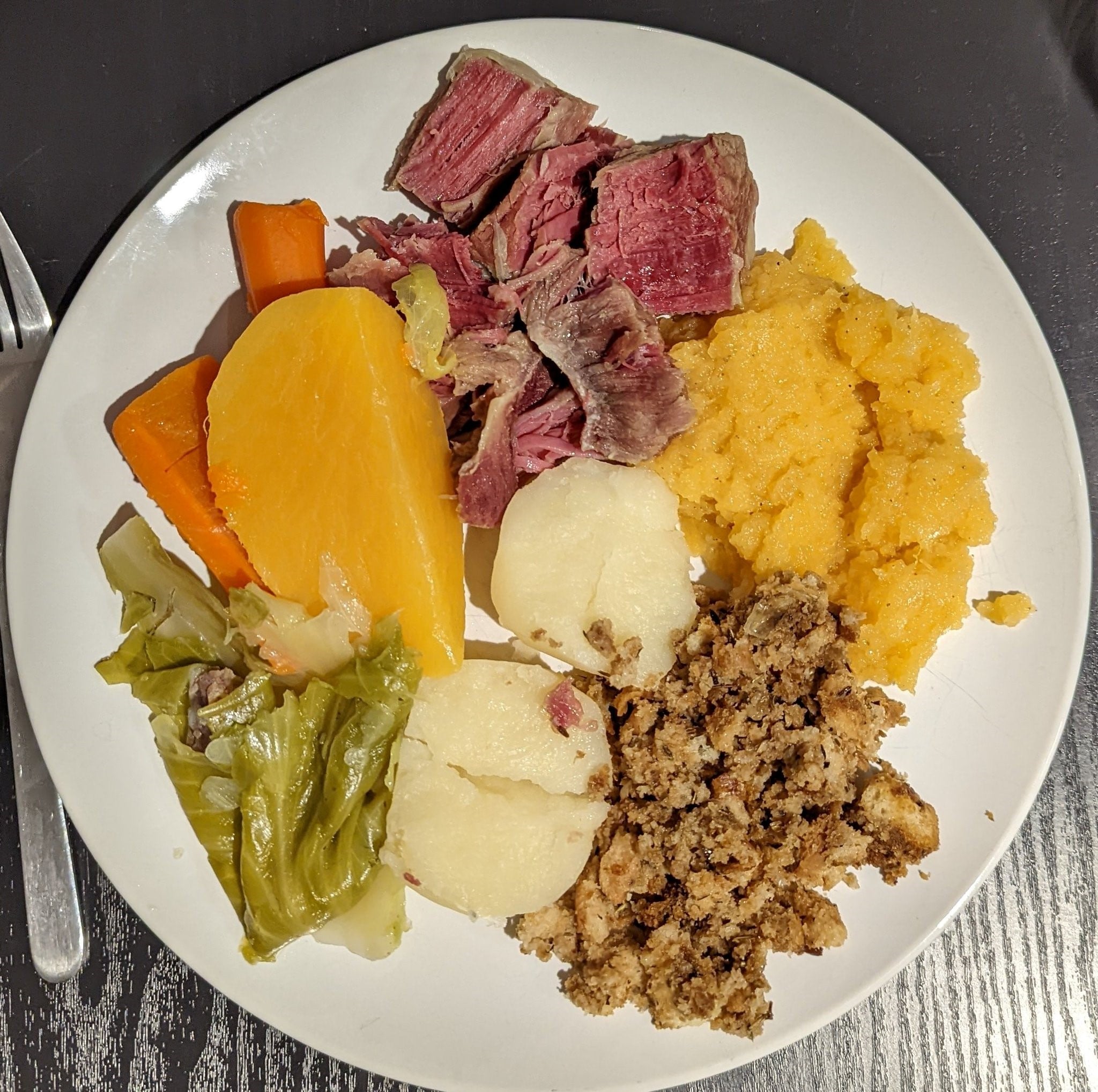
If one plate explains the province's reputation, it is Jiggs dinner. This is a boiled meal built around salt beef, cabbage, potatoes, turnip, carrots, and yellow split peas, often served with pease pudding and sometimes figgy duff, a boiled dessert.
Its roots are practical, not flashy. Newfoundland and Labrador developed foodways around preservation, shipping, and long winters, so salt meat and sturdy vegetables made sense. To outsiders, the muted colors and soft textures can read as bland, but the dish is really about thrift, comfort, and feeding a household with ingredients that kept well.
Cod tongues
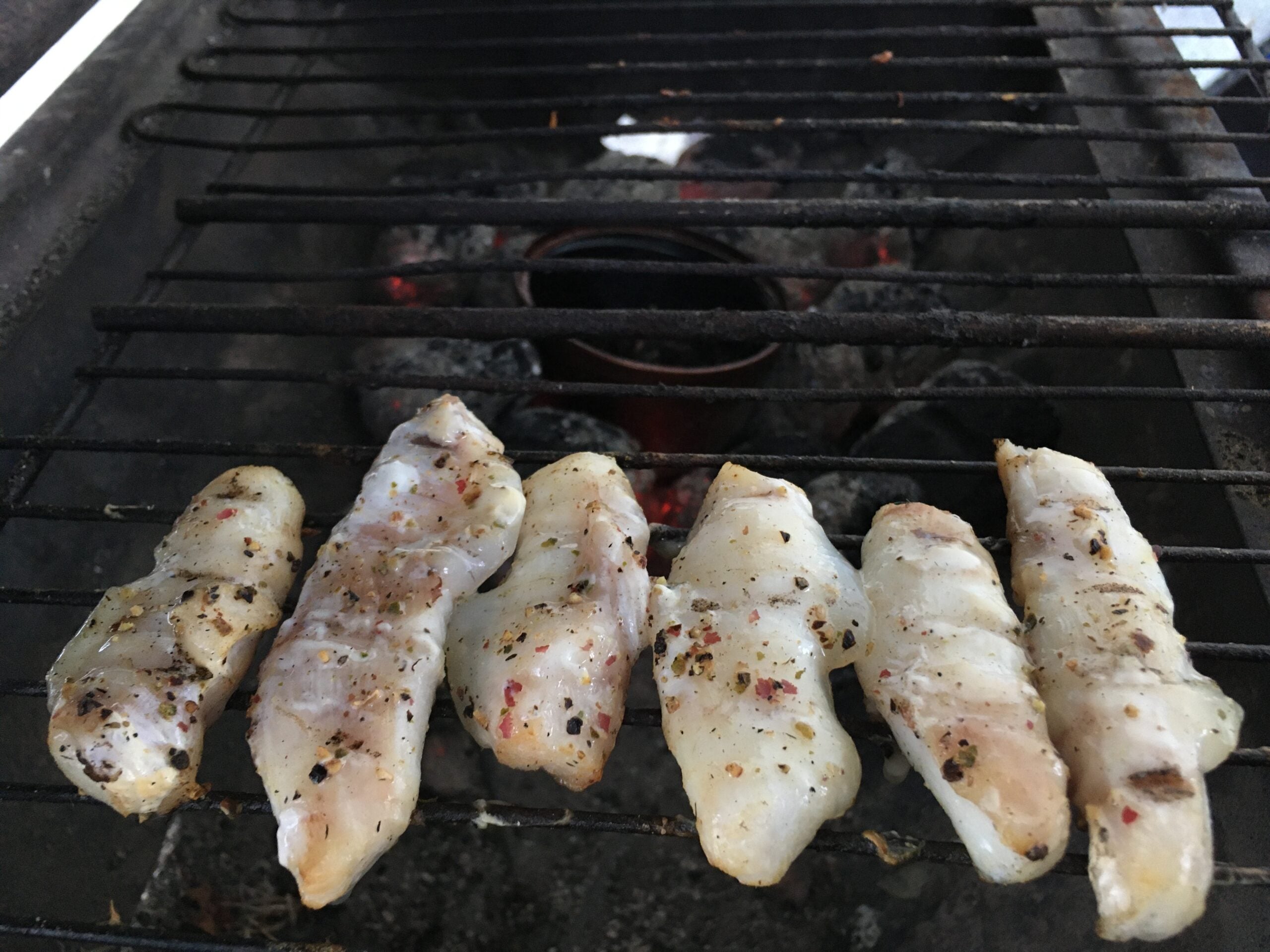
Few dishes trigger stronger reactions than cod tongues. Despite the name, they are not actually tongues in the way many people imagine, but a small piece cut from the fish's throat area, traditionally fried, often with scrunchions, which are crisp bits of salt pork.
This is exactly the kind of food that gets a province mocked in national conversations. Yet cod tongues come from a deep no-waste fishing culture, where valuable protein was not discarded. For locals, they are familiar and savory. For skeptics, the name alone is enough to make the case against Newfoundland and Labrador, even before the plate hits the table.
Fish and brewis
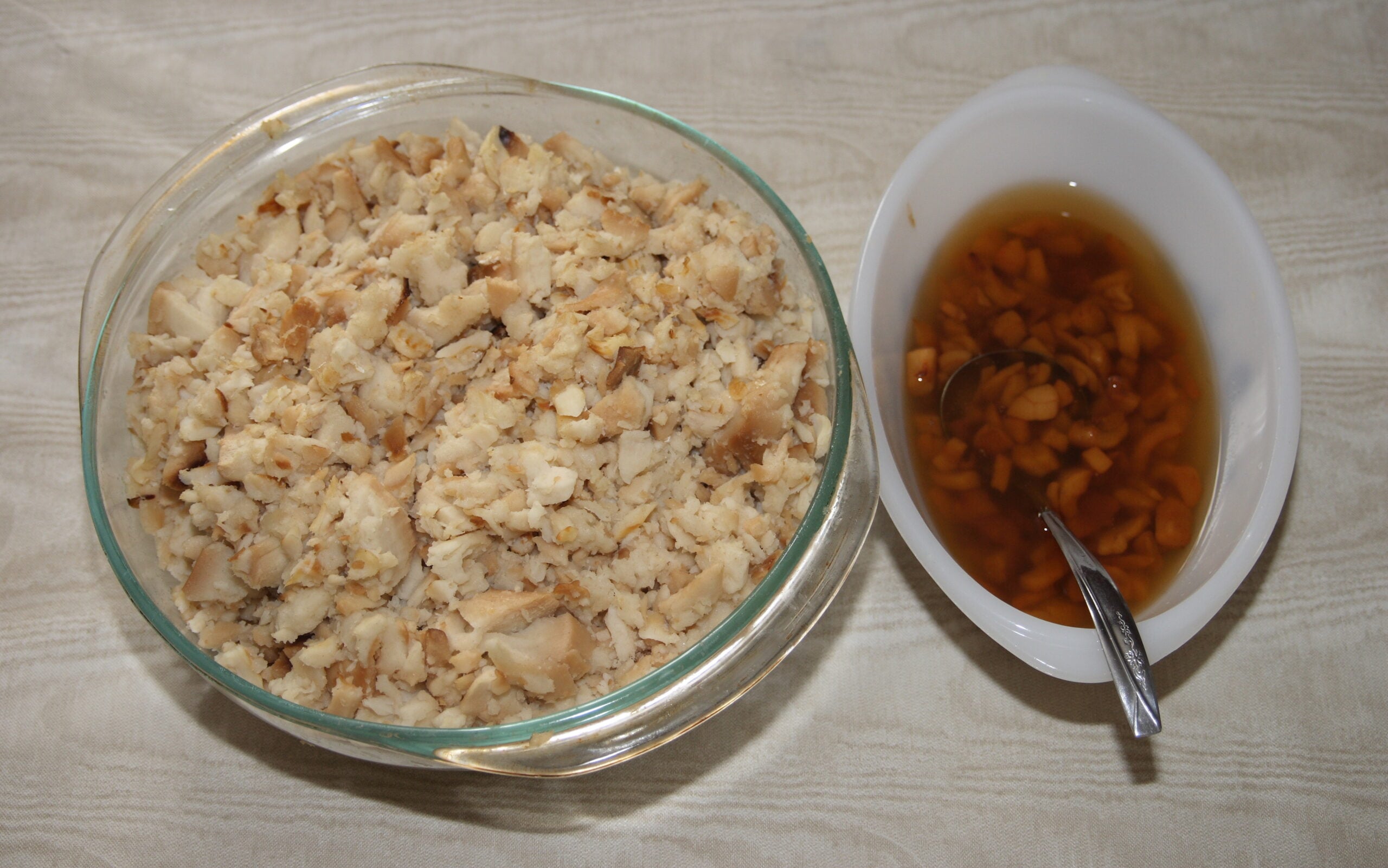
At first glance, fish and brewis can look like a challenge rather than a meal. The dish combines hard bread, also called hard tack, with salted cod, then gets finished with scrunchions and rendered pork fat.
The reason it persists is simple: it reflects the pantry of an Atlantic fishing economy. Hard bread lasted, salted cod traveled, and pork added richness. Critics often point to its heavy texture and plain appearance when arguing that the province deserves its rough reputation. Supporters see something else, a direct line to coastal survival, family tables, and a cuisine shaped by necessity rather than trend.
Toutons
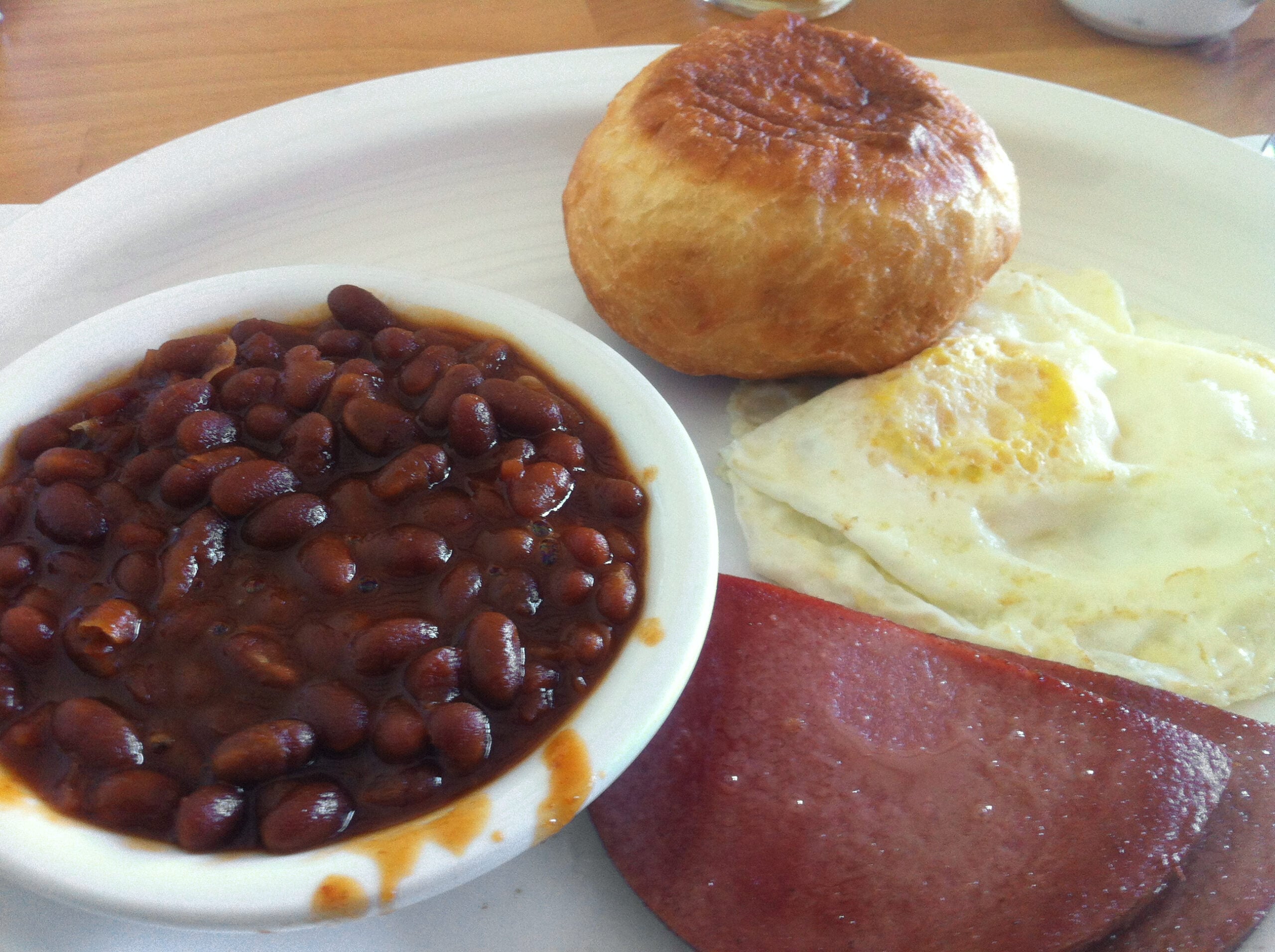
Not every famous Newfoundland food is severe. Toutons are pieces of bread dough, usually pan-fried until golden, then served with butter, molasses, or syrup, and they are among the province's most approachable traditional foods.
Even so, toutons still reveal why the province gets misunderstood. They come from making use of leftover bread dough, which fits the same resourceful pattern seen across older Newfoundland cooking. To some outsiders, they can seem overly simple, like a breakfast built from scraps. In practice, that simplicity is the point, and it is one reason many visitors end up liking this part of the food culture more than they expected.
Seal flipper pie
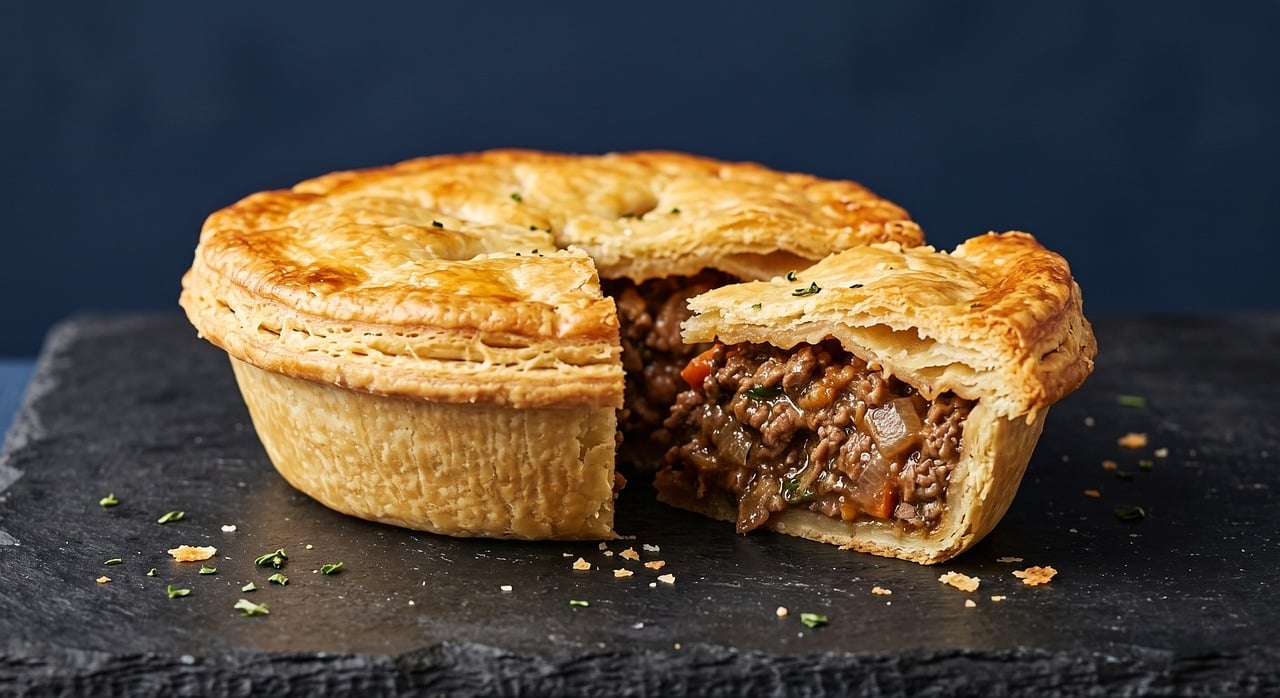
If there is one dish that hardens opinions fast, it is seal flipper pie. The dish is exactly what it sounds like, a pastry pie made with seal flippers, and it remains one of the most controversial foods associated with Newfoundland and Labrador.
For critics, this is where culinary discomfort turns into outright rejection. For defenders, it is a traditional food tied to coastal life, seasonality, and older hunting practices. The backlash often says less about cooking skill than about modern distance from subsistence food traditions. In a province where survival once depended on using what was available, the dish follows a logic that is historical before it is provocative.
A reputation built on context
The case against Newfoundland and Labrador usually comes down to visibility. Its most talked-about foods are preserved, boiled, fried, or built from parts many modern diners rarely encounter, which makes them easy targets in casual debates about "bad" provincial food.
But that reputation misses the larger point. These dishes were shaped by isolation, climate, the cod fishery, and the need to waste little. Judged by trend-driven restaurant standards, they can seem stark. Judged by history and function, they make perfect sense. That does not mean everyone has to like them, only that calling them the country's worst says more about cultural distance than quality alone.
Leave a Reply