French fries do not need to be restaurant-only indulgences. With a few dietitian-backed techniques, homemade fries can deliver the crisp texture people love while keeping oil, calories, and portion size more manageable.
Why homemade fries can be a smarter choice

French fries have long been treated as nutritional villains, yet the potato itself is not the problem. Potatoes naturally provide potassium, vitamin C, and carbohydrates that fuel the body efficiently. The nutritional issue usually comes from the frying process, especially when potatoes sit in hot oil long enough to absorb large amounts of fat. That is why dietitians often focus less on banning fries and more on changing how they are prepared.
Recent food science research has added a useful twist to that conversation. A study highlighted by Prevention, published in Current Research in Food Science, examined a combination method that used both microwaving and frying. Researchers found that this approach could cut oil absorption by as much as 33% while still producing a crunchy result. For home cooks, that finding matters because it suggests texture and taste do not always have to be traded for a slightly healthier outcome.
According to registered dietitian Jessica Cording, one reason the method helps is that less oil in the potato means fewer calories from fat. Keri Gans, another dietitian quoted in the reporting, noted that even small reductions in saturated fat intake can be beneficial over time for heart health. That does not transform fries into a health food, but it does make homemade preparation a place where meaningful improvements can happen without making the food unrecognizable.
Making fries at home also gives you control over the oil, the salt, and the portion. Restaurants often use deep fryers repeatedly throughout the day, and portions tend to be oversized. At home, you can use fresher oil, choose a cooking fat with a better fatty acid profile, leave the skins on for more fiber, and serve fries as part of a meal instead of the meal itself. That level of control is exactly why dietitians often prefer home preparation over takeout when fries are on the menu.
The science behind crisp fries with less oil
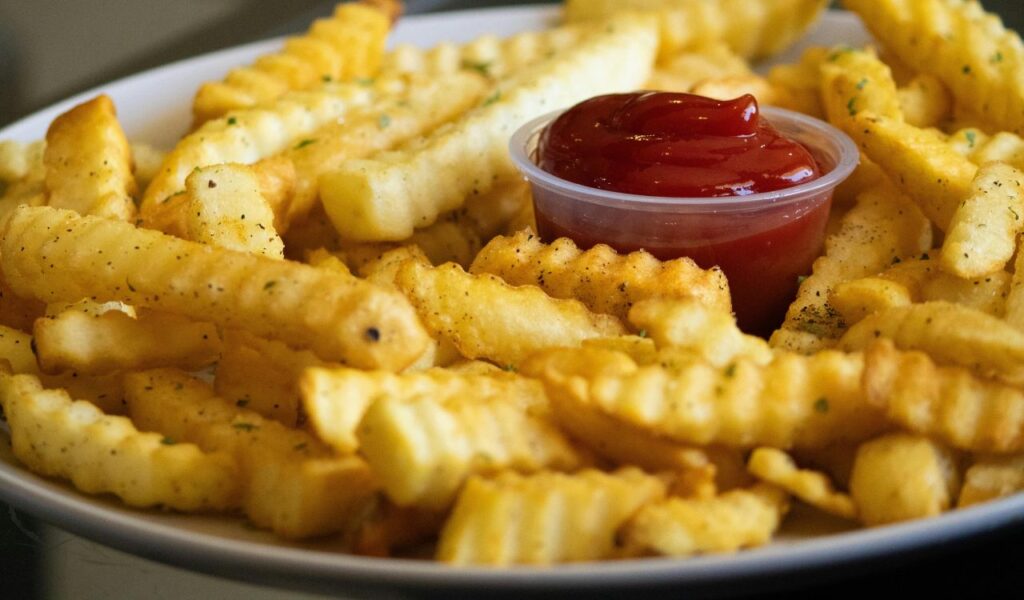
The best homemade fries come from understanding what happens inside the potato during cooking. Early in the frying process, the tiny pores in the potato are still full of water. Because those spaces are occupied, oil has limited room to enter. As cooking continues, however, water evaporates and leaves behind empty channels. That creates negative pressure that draws oil into the fry, which is one reason fries become richer and more calorie-dense the longer they fry.
Microwaving changes that process in an important way. The research summarized in Prevention explained that microwave energy causes water molecules inside the potato to move rapidly and produce more vapor. That increased vapor can limit oil absorption because it helps push moisture outward and shortens the time the fries need to spend in hot oil. In practical terms, less time in oil usually means less oil absorbed.
Texture is where many healthier fry methods fail, but this mixed approach performed better than microwaving alone. Microwaved potatoes by themselves often turn soft or leathery rather than crisp. When the microwave step is followed by a brief fry, however, the potato can develop a thicker crust while maintaining a fluffy interior. Sandra Zhang of Tufts Medical Center explained that this shorter frying window may preserve crispness while reducing total oil content, which is the central advantage of the method.
There are still limits worth understanding. Albert Matheny pointed out that when oil is heated intensely, oxidation becomes a concern. Oxidized oils can contribute to free radical formation, which is associated with cell damage and chronic disease risk. That does not mean a home fry session is dangerous, but it does support a balanced approach: use clean oil, avoid overheating, and do not assume that lower-oil fries are automatically a wellness food. Dietitians are clear on this point. Better fries are still fries, just made with more thoughtful technique.
How dietitians recommend preparing fries at home
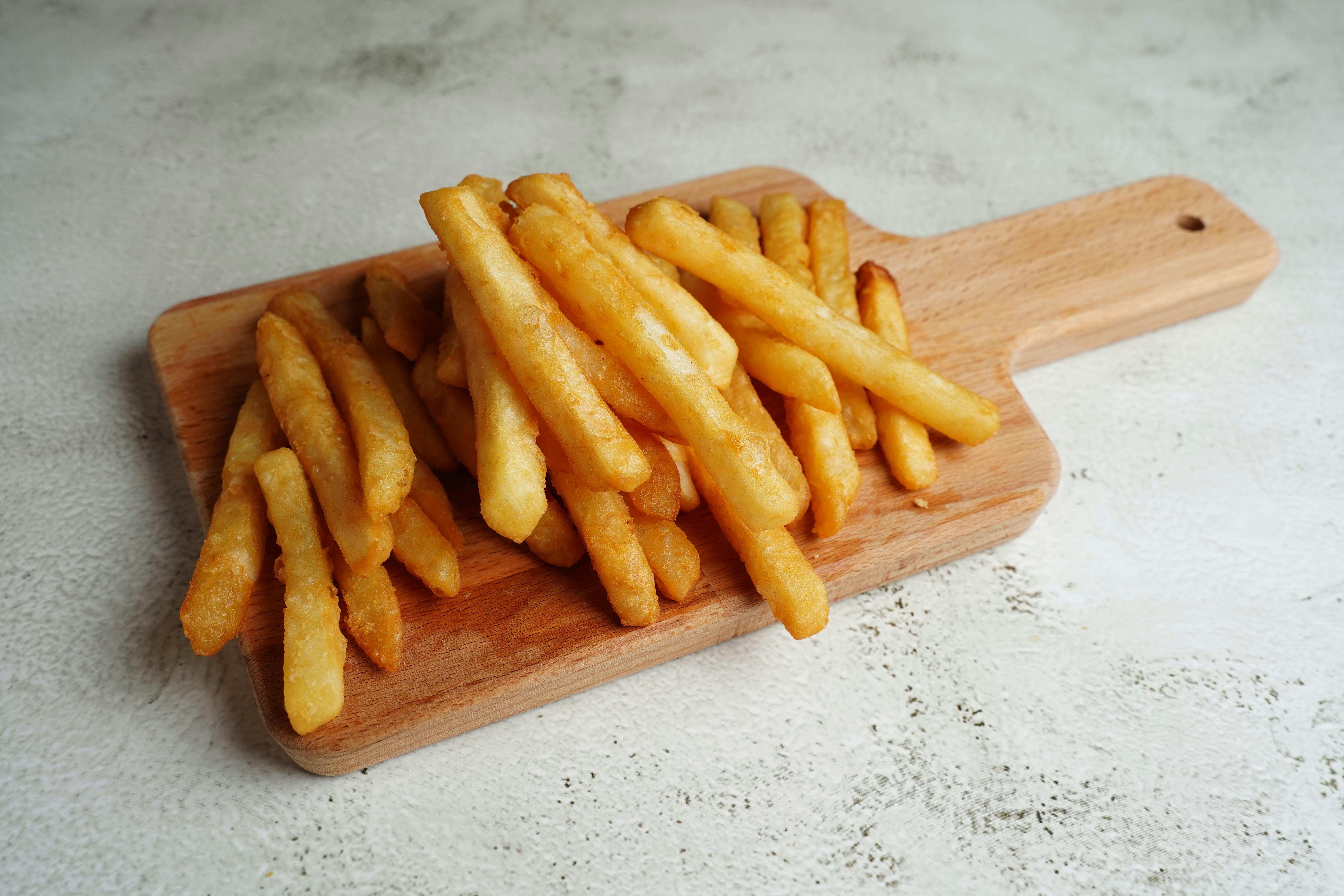
A strong batch of homemade fries starts before any heat is involved. Choose firm potatoes with no green spots or soft patches. Russets are popular because their high starch and lower moisture content help create a crisp shell and fluffy center. Yukon Gold potatoes can also work if you prefer a creamier interior, though they generally produce a slightly less shattering crust than russets.
Next comes cutting and rinsing, two steps that matter more than many people realize. Slice fries to a consistent thickness so they cook evenly, ideally around ¼ to ½ inch thick. Rinse them after cutting to remove excess surface starch, which can otherwise make fries gummy or cause them to brown unevenly. Some cooks soak the potatoes in cold water for 20 to 30 minutes, then dry them thoroughly. That step can improve crispness because less surface moisture means better browning.
Dietitians also favor small adjustments that improve nutrition without changing the experience too much. Leaving the skins on increases fiber and can support fullness, as Keri Gans noted. Seasoning with measured amounts of salt instead of heavily salting after cooking helps keep flavor under control. If you are roasting or air frying, a small amount of olive oil or avocado oil is often recommended because both provide mostly monounsaturated fat and perform well in home kitchens.
For those who want to try the microwave-plus-fry method, the most practical version at home is simple. Cut, rinse, and dry the potatoes, then microwave them briefly until they are partially cooked but not falling apart. After that, finish them with a short fry in hot oil at about 350°F, similar to the method used in the study. The result should be a fry that reaches crispness faster than raw potatoes would. If deep frying feels like too much work, the same idea can inspire a lighter version: microwave first, then finish in an air fryer or a hot oven.
The best alternatives if you want fries more often
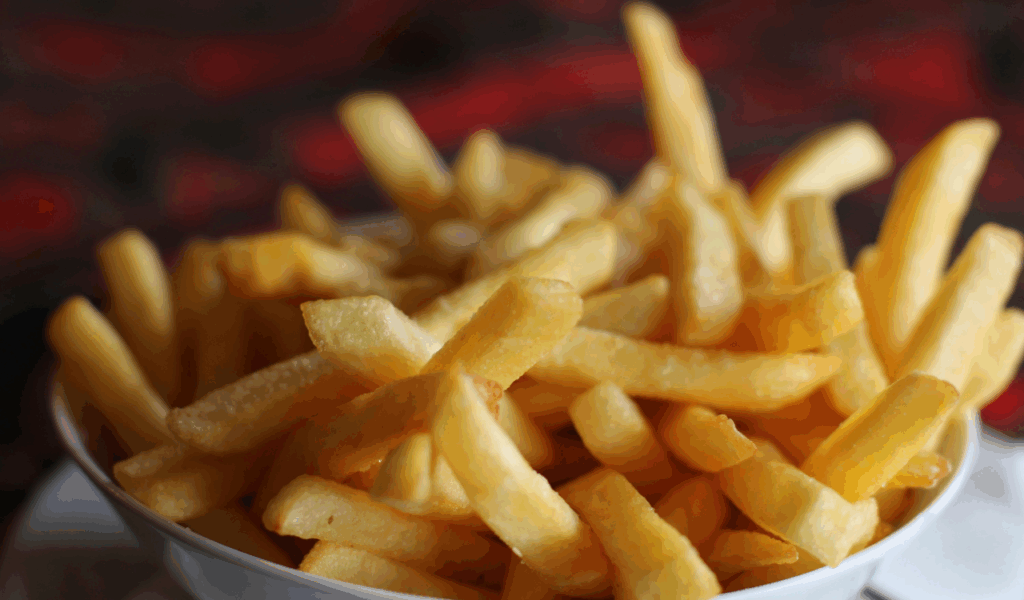
For many households, the real question is not whether fries can be healthier, but how to make them often enough to enjoy without turning them into a dietary problem. This is where air frying stands out. Dietitians frequently recommend air fryers because they mimic the crisping action of frying while using little to no additional oil. The circulating hot air dries the exterior quickly, helping potatoes brown and crisp with a fraction of the fat used in deep frying.
Frozen fries are a good example of this advantage in action. Sandra Zhang noted that many frozen potato products already contain some oil from processing, so extra oil may not be necessary in the air fryer. For home cooks, that makes portion control easier and cleanup faster. Air-fried homemade fries can also work well if the potatoes are lightly coated with oil, spread in a single layer, and cooked without overcrowding. Overcrowding traps steam and softens the exterior, which is one of the main reasons homemade fries disappoint.
Roasting is another dietitian-approved option, especially for people who value ingredient quality and simplicity over exact fast-food texture. Jessica Cording has recommended roasting sliced potatoes with olive oil or avocado oil and sea salt for a satisfying crispy, salty, starchy result. Roasting takes longer than air frying, but it allows for a deeply browned exterior and works well for larger batches. It also pairs easily with additions such as garlic, paprika, rosemary, or black pepper without increasing fat significantly.
The healthiest choice, of course, depends on frequency and context. If you make fries every day, roasting or air frying is a smart default. If fries are an occasional pleasure, having traditional fried fries sometimes is unlikely to derail an otherwise balanced diet. Christen Cooper made this point clearly: moderate amounts of foods you love are usually more realistic and sustainable than rigid restriction. That idea is consistent with what most dietitians teach. Better habits are built by improving patterns, not by demanding perfection from a single food.
How to serve fries in a more balanced way
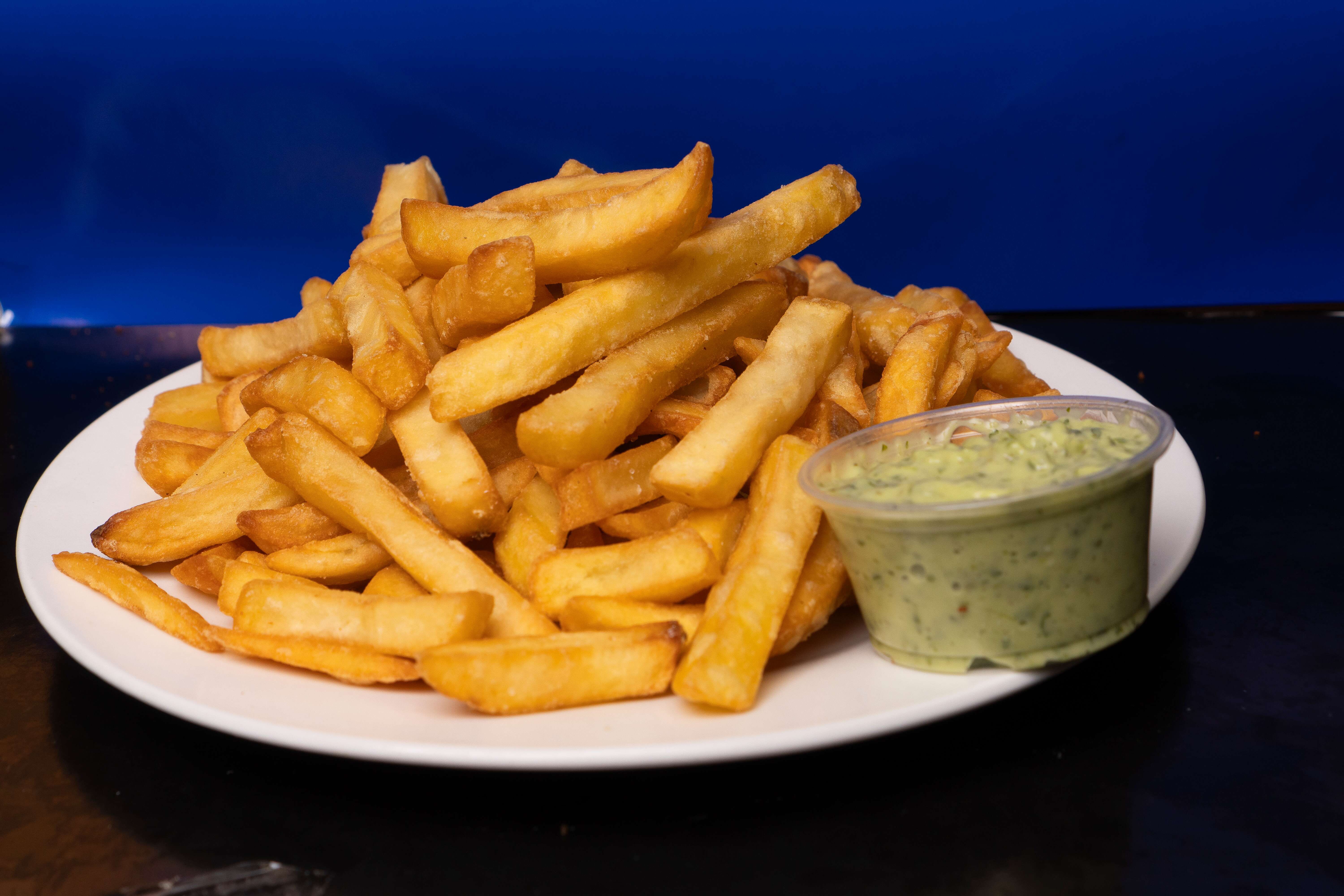
One of the easiest dietitian strategies has nothing to do with the potato itself. It is about what the fries are served with and how they fit into the meal. Fries are easy to overeat when they become the main attraction, especially alongside sugary drinks and oversized burgers. But when they are treated as one part of a meal, their role changes. A moderate serving next to grilled fish, a bean burger, roast chicken, or a hearty salad creates a more balanced plate.
Protein and fiber are especially useful companions because they increase satiety and help keep the meal from feeling nutritionally lopsided. A serving of homemade fries with salmon and green beans feels very different from a large basket of fries eaten alone. The same is true for a sandwich built on whole grain bread with lettuce, tomato, and lean protein. Dietitians often emphasize that pairing matters because fullness and blood sugar response are influenced by the composition of the whole meal, not just one side dish.
Portion awareness also matters more than many people expect. Homemade fries can feel healthier, which sometimes encourages larger servings. A practical approach is to portion the potatoes before cooking, plate them rather than eating from the pan, and season them thoughtfully. Dips deserve the same attention. Ketchup is fine in moderation, but large amounts of mayonnaise-based sauces can quickly add more fat and sodium than the fries themselves. Yogurt-based dips, mustard, or a small amount of ketchup can keep the meal lighter.
The big takeaway from dietitians is refreshingly realistic. Fries do not need to be demonized, and they do not need to be disguised as a superfood either. The best home method is the one that gives you the taste and texture you want while keeping oil, portions, and frequency in perspective. Whether you choose a microwave-assisted fry, an air fryer batch, or oven-roasted wedges with the skins on, the smartest homemade fries are built on balance, not guilt.