
Thanksgiving can leave a full fridge at home, but it also leaves extra food on grocery shelves. New data from FoodHero shows many Canadians now treat the week after the holiday as a practical time to buy discounted surplus food and stretch their budgets.
Surplus food shows up right after the holiday
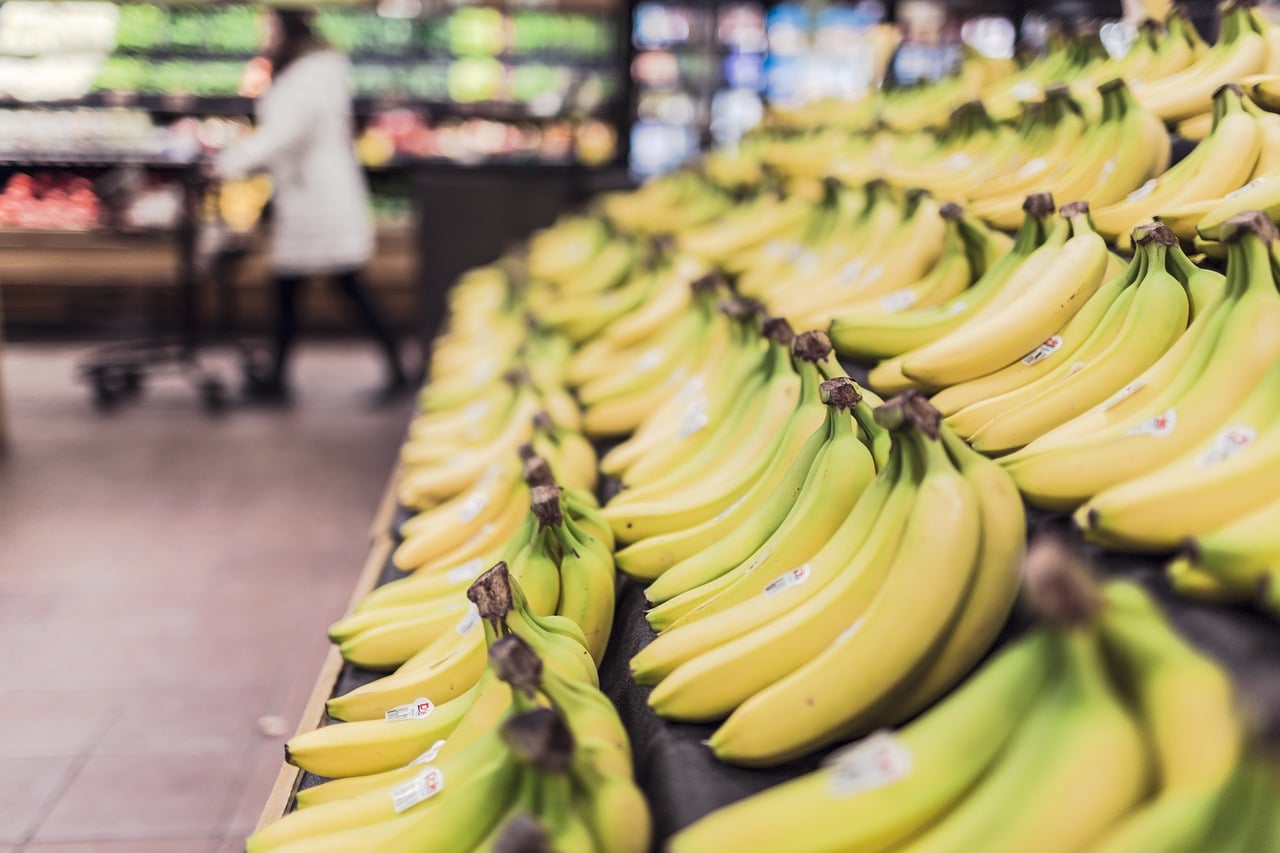
The first shift happens in stores, not kitchens. Grocers stock up for Thanksgiving so customers can find everything they need for big family meals. Once the long weekend ends, that planning can leave more surplus on shelves.
FoodHero said partner grocery stores listed near 10% more surplus food in the week after Thanksgiving than in the week before. That matters because a larger supply creates a clear savings window for shoppers using the app.
The company describes this week as the point when extra food and budget minded shoppers meet. It is a simple post holiday pattern, but the numbers suggest Canadians are learning to expect it and shop around it.
More shoppers join the hunt for lower priced groceries
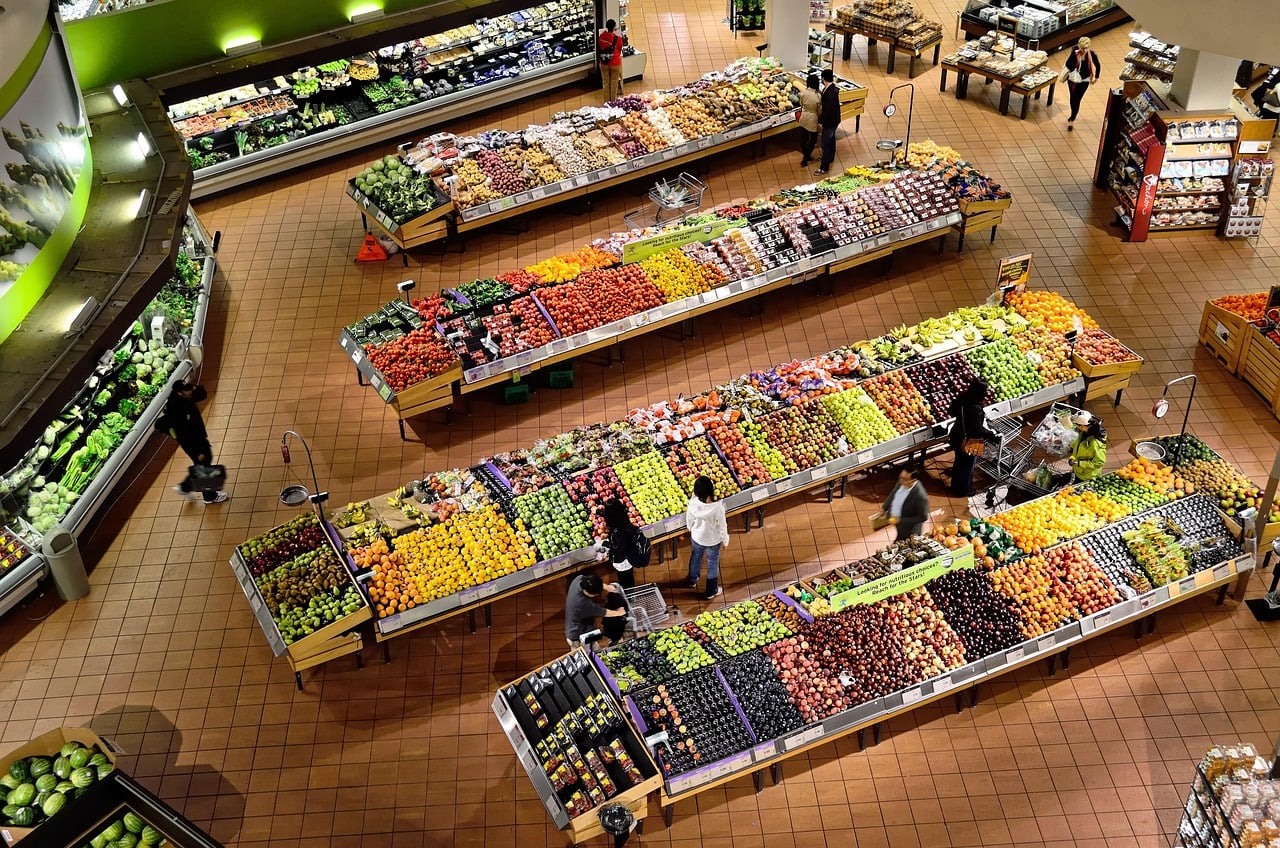
The second part of the story is demand. FoodHero recorded more than 8% more unique customers in the week after Thanksgiving than in the previous week, showing that the timing is drawing in more households.
That rise fits the financial mood after a holiday. FoodHero said families are often dealing with a tighter budget once celebrations are over, so discounted groceries become especially appealing in the days that follow.
Renaud LeBlanc, President of FoodHero, said more Canadians are catching on and turning the week after the holiday into a smart time to shop. His point reflects a larger consumer habit, using timing as a savings tool instead of treating grocery buying as the same every week.
Orders get bigger when the deals line up
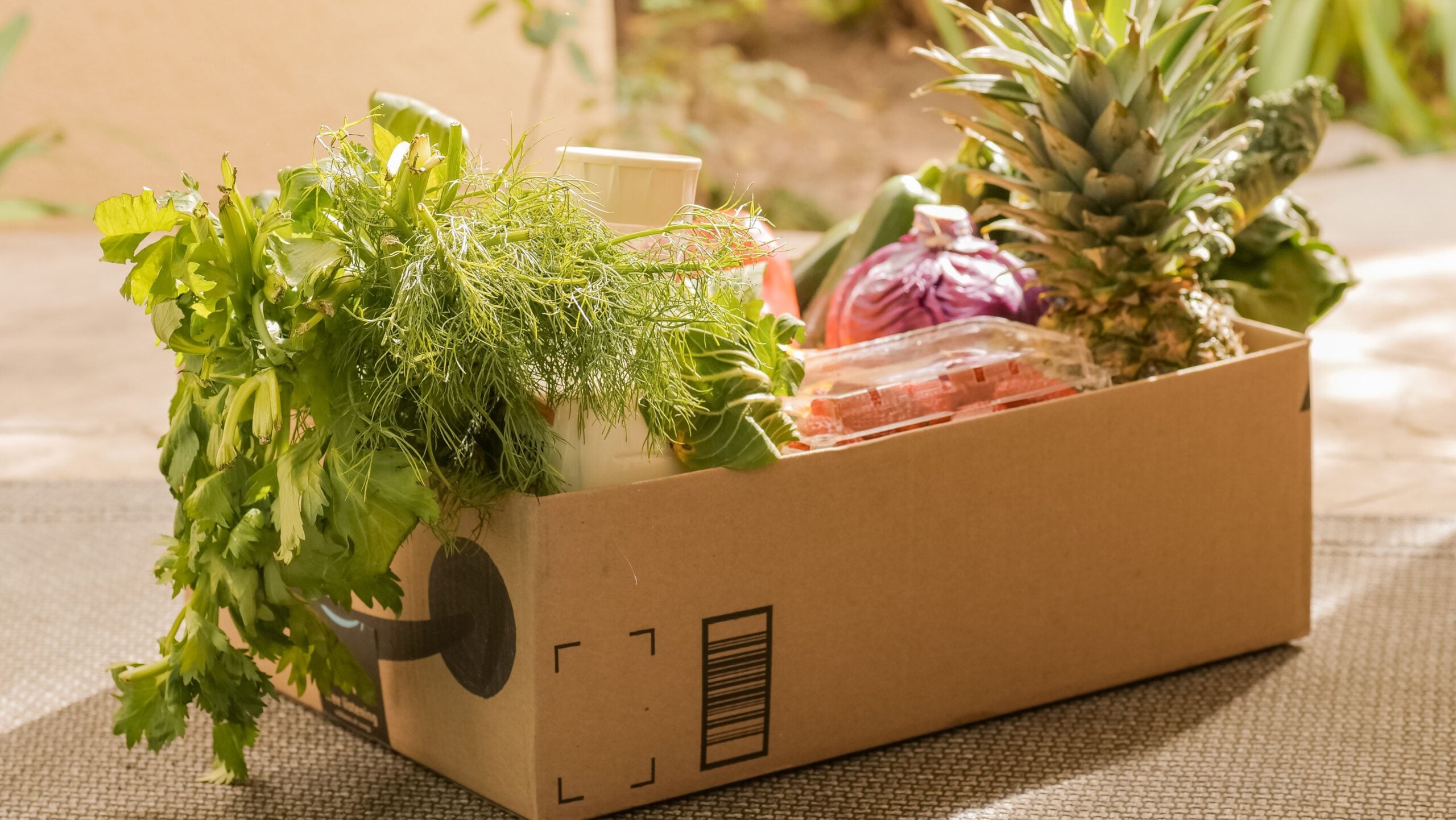
More people used the app, but they also bought more each time. Compared with the previous week, FoodHero recorded 9% more orders, and each order represents one in store pickup made through the app.
The biggest jump came in items sold. FoodHero said the week after Thanksgiving saw 14% more items sold, with each order including a few more items than usual. That suggests shoppers are not just browsing for one bargain, they are stocking up when they see value.
This is one of the clearest signs that the week functions as a savings moment. People appear ready to build fuller baskets when discounted surplus becomes easier to find in one place.
The app turns leftovers on shelves into planned pickups
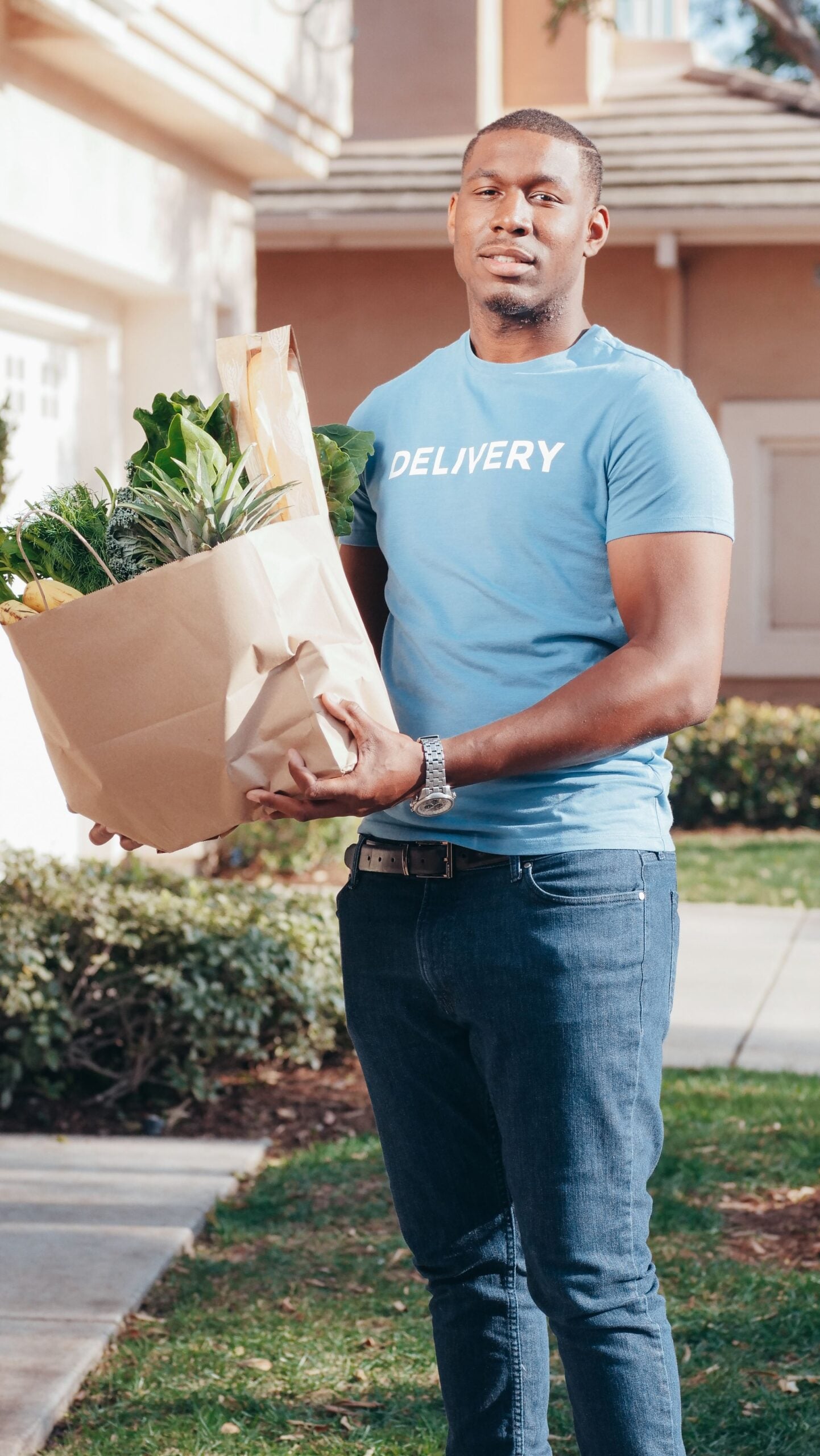
FoodHero's model is built around one idea: perfectly good food does not have to go to waste. Through the app, shoppers can find discounted surplus food from participating grocery stores nearby and pick it up in store.
That setup helps explain why the post Thanksgiving bump is so visible. Instead of relying on luck at a single store, customers can use a digital tool that makes surplus easier to spot and compare.
FoodHero was founded in Montreal by Jonathan Defoy and describes itself as a social impact technology company. Its mission is to reduce food waste while helping households save on grocery bills, a pairing that becomes especially relevant right after big food centered holidays.
Thanksgiving is not the only holiday creating this pattern
The Thanksgiving spike stands out, but FoodHero says the pattern is not limited to October. Outside the December holiday closures, only one other week in the past year saw a comparable increase: the week after Easter 2026.
That comparison is useful because it shows this is less about one specific menu and more about what major holidays do to grocery supply and household spending. Stores prepare for heavy buying, then deal with extra inventory once the rush passes.
For shoppers, the takeaway is straightforward. The days after a major holiday can bring an unusual overlap of fuller surplus listings and stronger motivation to save money, which is exactly the mix FoodHero says it sees on its platform.
A national habit is taking shape in 2026
The broader scale of the trend is already large. Since the beginning of 2026, Canadians have bought nearly 2.8 million kilograms of surplus food through FoodHero, which the company says is the equivalent of 3.1 million pumpkin pies.
FoodHero is now present in more than 1,100 grocery stores across the country. The company was also named to The Globe and Mail's Canada's Top Growing Companies ranking in 2025 and 2026, a sign that both shoppers and grocers are finding value in the model.
Put together, the week after Thanksgiving looks less like a one off bargain hunt and more like a repeatable routine. Canadians get lower prices, grocers move surplus food, and more perfectly good groceries avoid going to waste.



Leave a Reply