
Brown rice has a healthy reputation, but that does not make it risk-free. Eating it every day can be perfectly reasonable for many people, yet there are a few important downsides worth understanding.
Why brown rice is often seen as a healthy choice
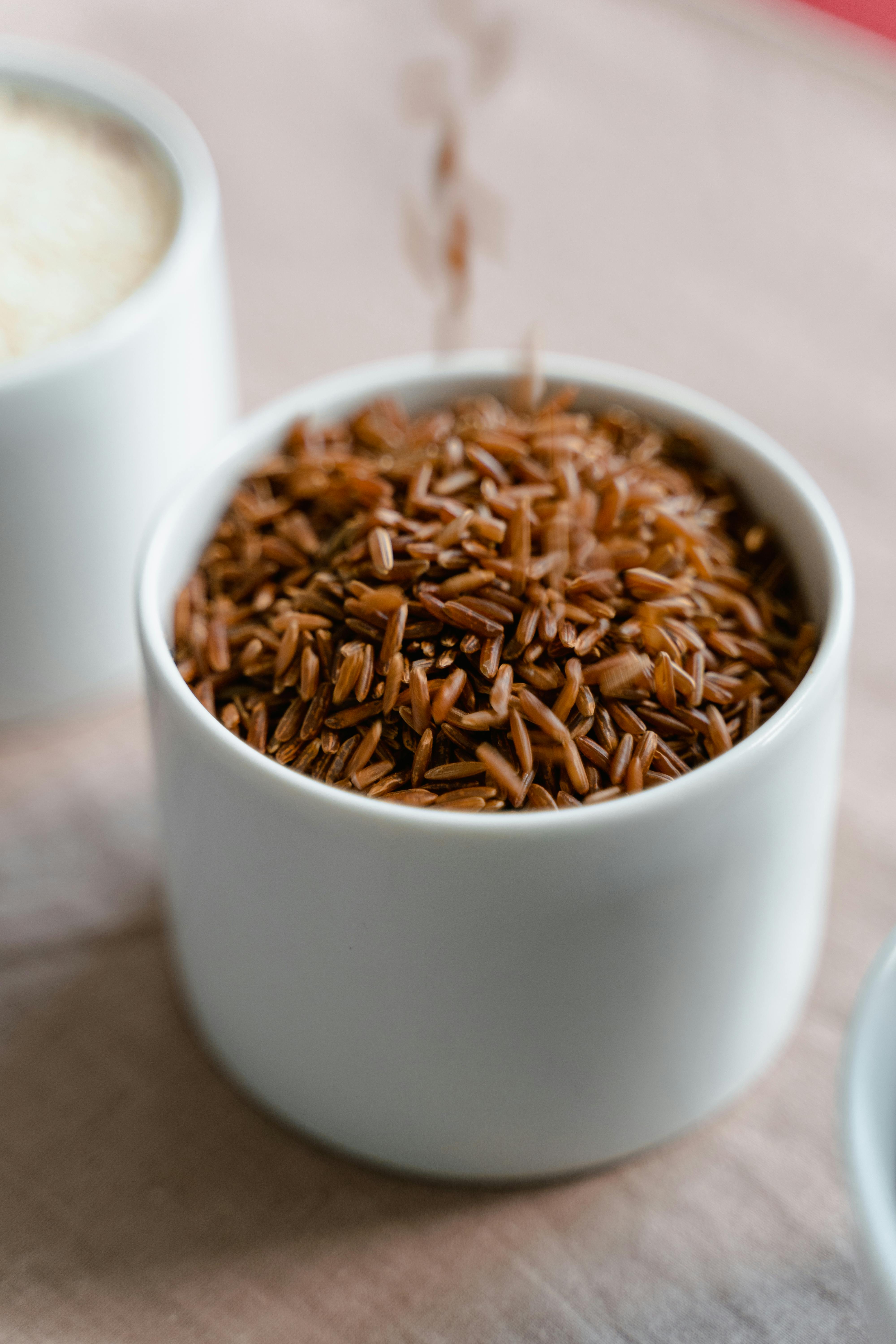
At first glance, brown rice earns its reputation honestly. Unlike white rice, it keeps the bran and germ, which means it contains more fiber, magnesium, B vitamins, and plant compounds. That extra fiber can support digestion, help you feel full longer, and modestly improve blood sugar control compared with more refined grains.
Nutrition experts often point out that whole grains are linked with better heart health and lower risk of chronic disease when they replace heavily processed carbohydrates. Brown rice can fit that pattern well. A typical serving gives steady energy, some protein, and useful minerals without being a highly processed food.
Still, "healthier than white rice" does not mean "ideal in unlimited amounts." Brown rice is nutritious, but it is not a complete food and should not crowd out beans, vegetables, fruit, nuts, dairy or fortified alternatives, and other whole grains. Daily use becomes less healthy when it turns into dietary monotony.
The biggest concern is arsenic, not calories
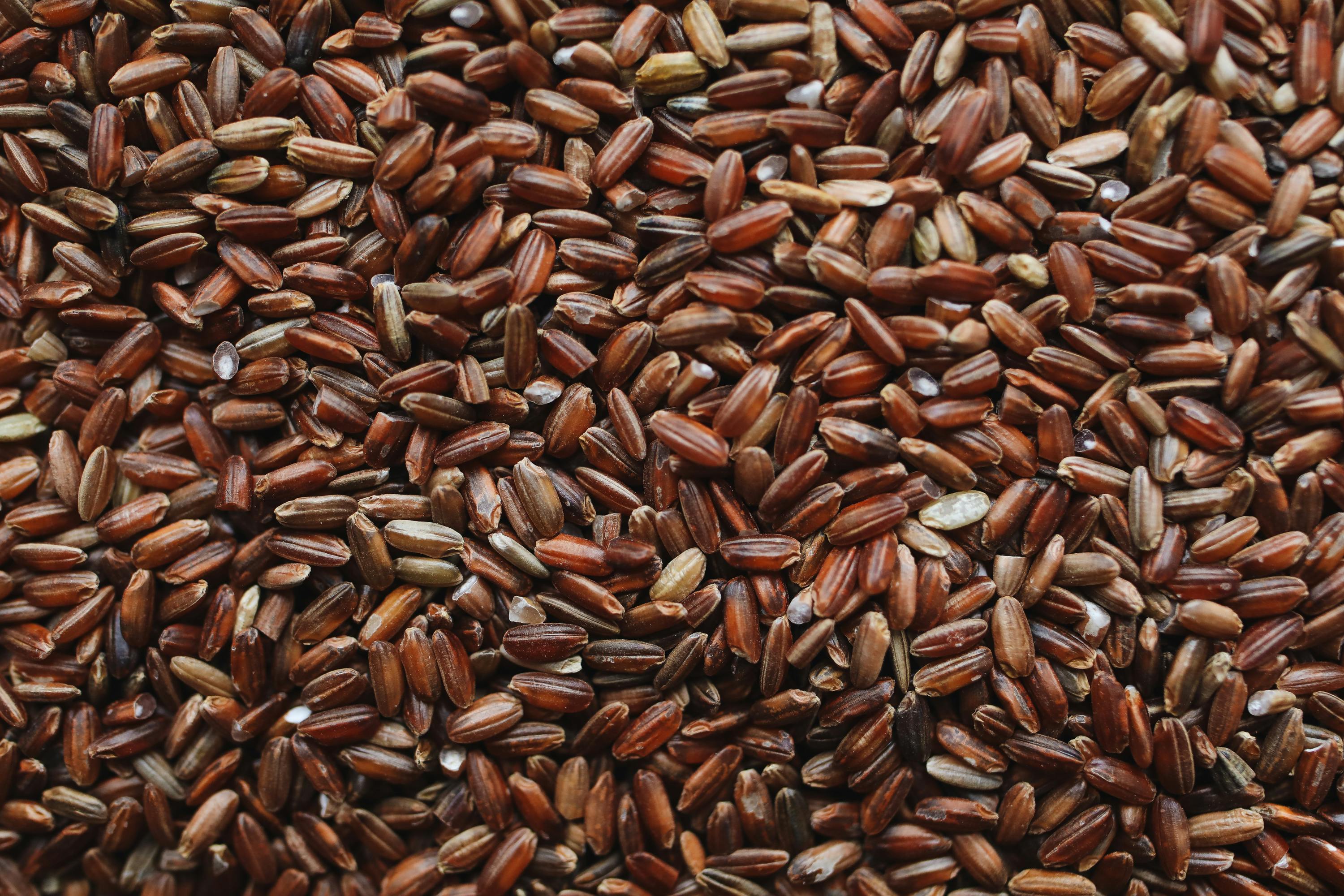
The issue that makes brown rice different from many other grains is arsenic. Rice tends to absorb more inorganic arsenic from soil and water than crops such as barley, oats, or quinoa. Because arsenic concentrates in the outer layers of the grain, brown rice often contains more of it than white rice.
That does not mean a bowl of brown rice is poisonous. The concern is long-term, repeated exposure over years, especially for people who eat rice daily and in large amounts. Public health agencies have noted that chronic arsenic exposure is associated with higher risks of certain cancers, cardiovascular problems, and adverse pregnancy and child development outcomes.
Risk also depends on where the rice was grown, how much you eat, and what else is in your diet. Someone eating modest portions a few times a week is in a very different category from someone eating multiple large servings every day. For infants, young children, and pregnant people, caution matters more because exposure during development is more sensitive.
Portion size and total diet change the picture

Here is where everyday eating habits matter more than fear. If brown rice is 1 part of a balanced plate with vegetables, legumes, fish, tofu, eggs, or lean meat, it is unlikely to be a major health problem for most adults. If it dominates lunch and dinner every day, the nutritional picture changes.
Large portions can push carbohydrate intake higher than some people realize. That may be unhelpful for those with diabetes, insulin resistance, or very low activity levels, even though brown rice generally has a lower glycemic impact than white rice. It is not a low-carb food, and "whole grain" does not cancel out quantity.
There is also the issue of digestive tolerance. The fiber in brown rice can be beneficial, but some people with irritable bowel symptoms, inflammatory bowel flare-ups, or sensitive digestion may tolerate white rice better. In that case, eating brown rice every day may be more irritating than protective.
Who should be more careful with daily brown rice
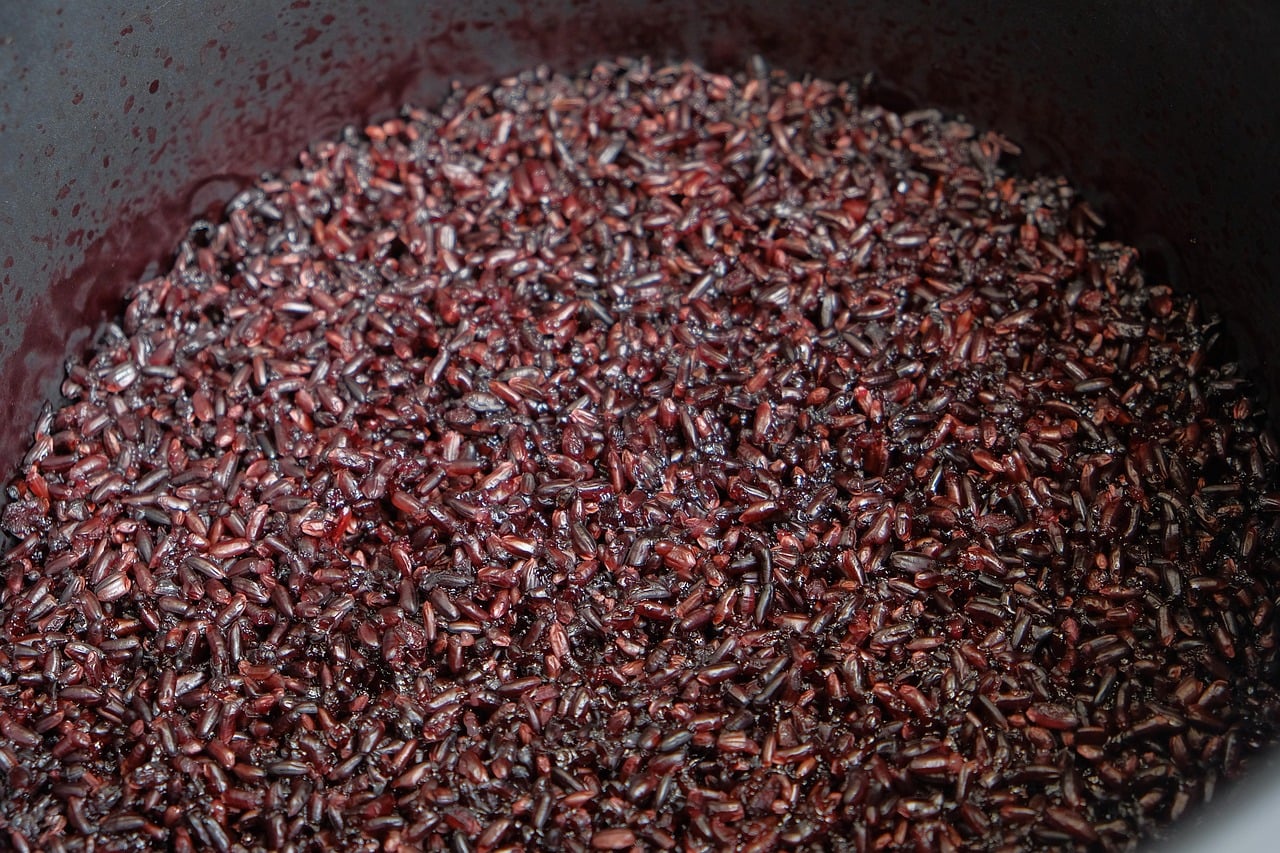
Some groups have stronger reasons to limit or vary their intake. Babies and toddlers can be more vulnerable to arsenic relative to body size, which is one reason pediatric nutrition guidance often encourages rotating grains instead of relying heavily on rice cereals or rice-based snacks.
Pregnant people may also want more variety, since reducing unnecessary arsenic exposure is sensible during pregnancy. People with celiac disease sometimes lean heavily on rice because it is gluten-free, but using quinoa, buckwheat, millet, certified gluten-free oats, and corn can reduce overdependence on one grain.
Athletes or highly active people may do well with daily brown rice if their total diet is diverse and energy needs are high. By contrast, someone eating it daily because it seems automatically "clean" or "safe" may miss the bigger picture. Health depends on the whole pattern, not one virtuous ingredient.
How to reduce the risks if you eat it often
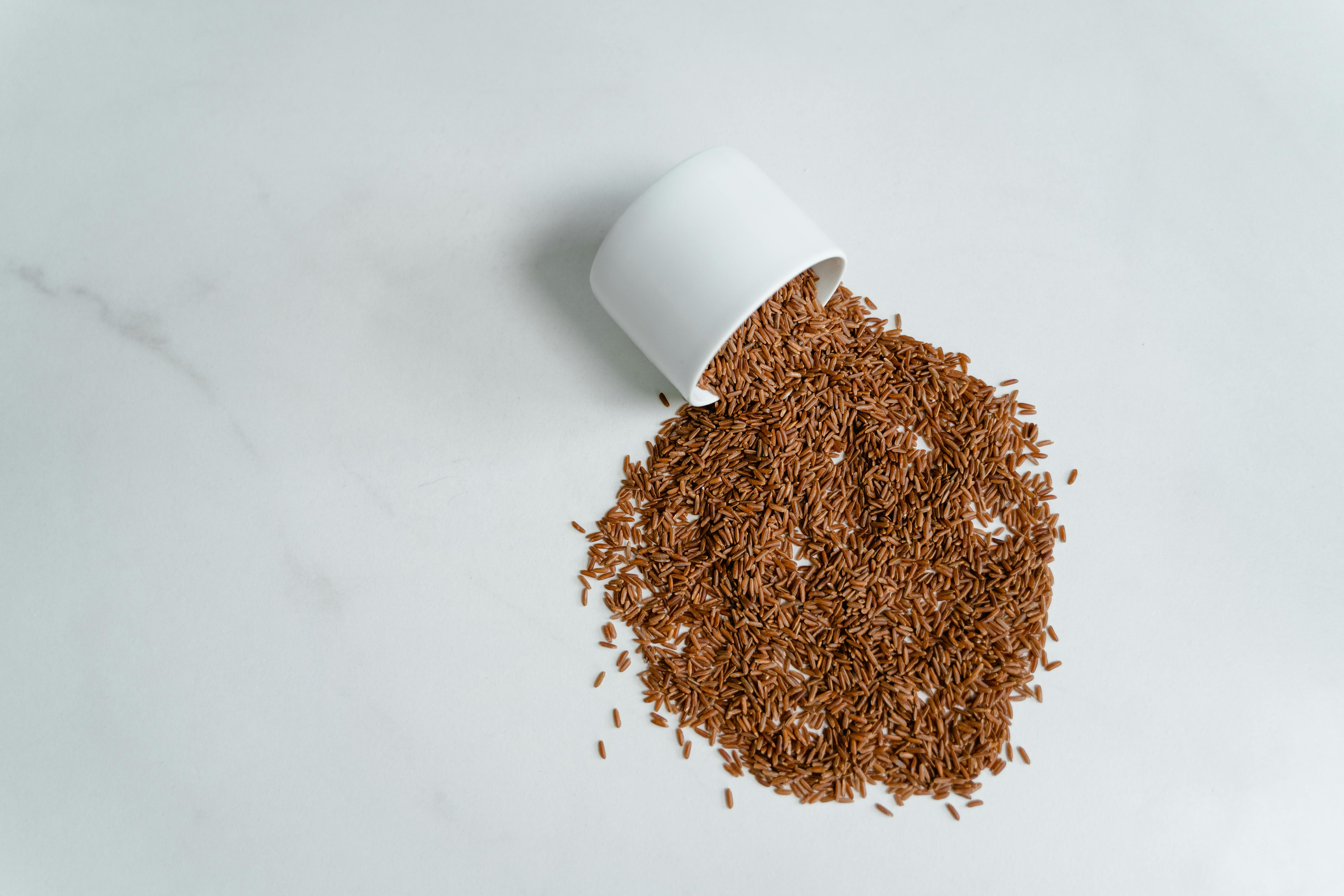
The good news is that you do not need to ban brown rice to be sensible. Variety is the first and strongest strategy. Rotating with quinoa, farro, barley, bulgur, oats, sweet potatoes, and beans lowers repeated arsenic exposure while broadening the nutrient mix.
Cooking method can help too. Rinsing rice thoroughly and cooking it in extra water, then draining the excess, can lower arsenic levels to some degree. Some research has found meaningful reductions with higher water ratios, although exact results vary by rice type and cooking approach.
It also helps to pay attention to product choice. Rice from different regions can differ in arsenic content, and basmati, sushi rice, or rice grown in certain areas may test lower than others in some surveys. The point is not perfection. It is reducing cumulative exposure in practical ways.
So, how bad is it really?
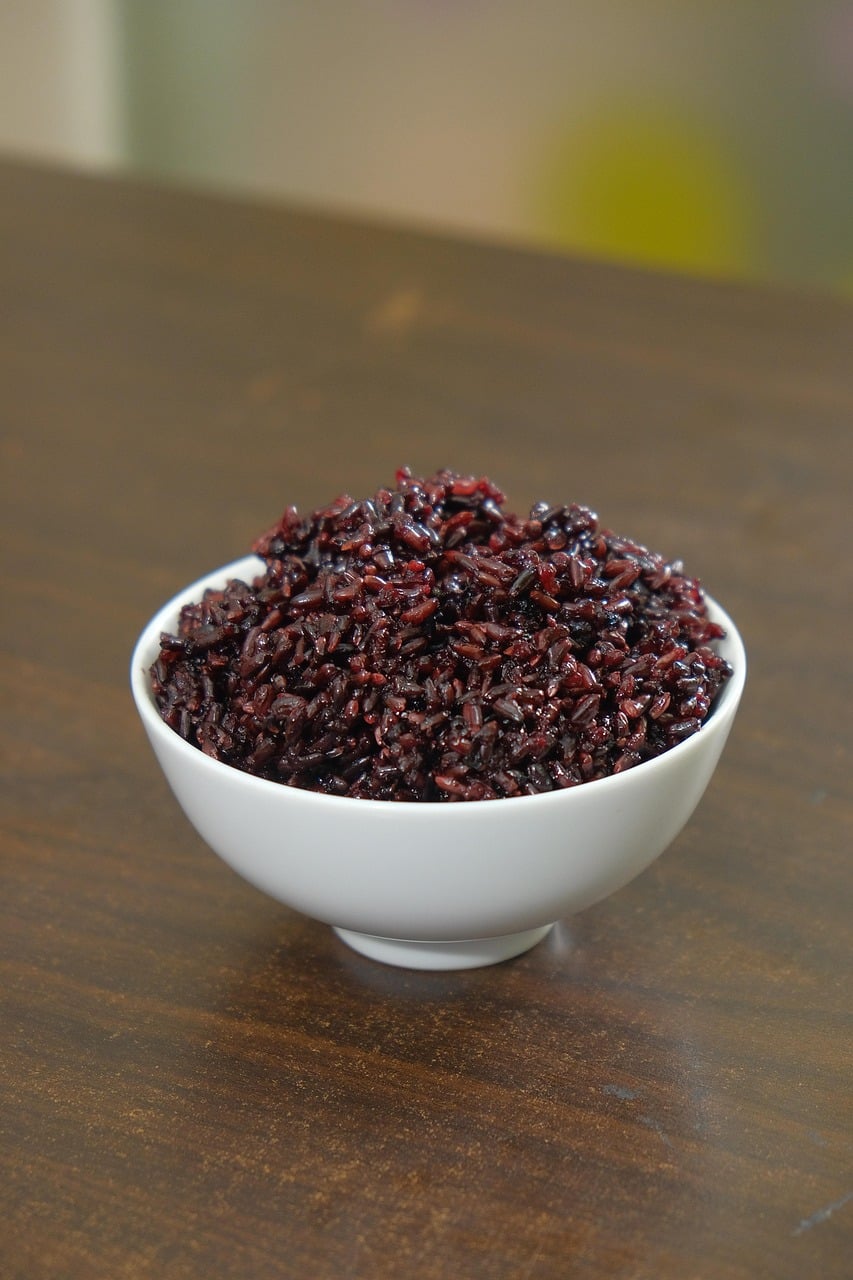
For most healthy adults, eating brown rice every day is not inherently bad, but it is also not the smartest default if it crowds out other grains and becomes a major daily staple. The main concern is long-term arsenic exposure, with secondary issues related to blood sugar, digestion, and dietary imbalance.
A practical rule is moderation. A reasonable serving as part of a varied diet is very different from building every meal around rice. If you love brown rice, keep it in the rotation, but do not let it be the only grain on your plate week after week.
In plain terms, daily brown rice is usually a manageable choice, not a nutritional disaster. But the healthiest approach is diversity, sensible portions, and attention to life stage and medical needs. In nutrition, repetition can be convenient, yet variety is often what protects long-term health.




Leave a Reply