
Airplane food has a bad reputation now, but for long stretches of aviation history it was designed to impress. From cold picnic boxes to caviar and multi course dining, the meal tray often reflected what airlines wanted passengers to feel about flying itself.
Boxed lunches in the early cabin era
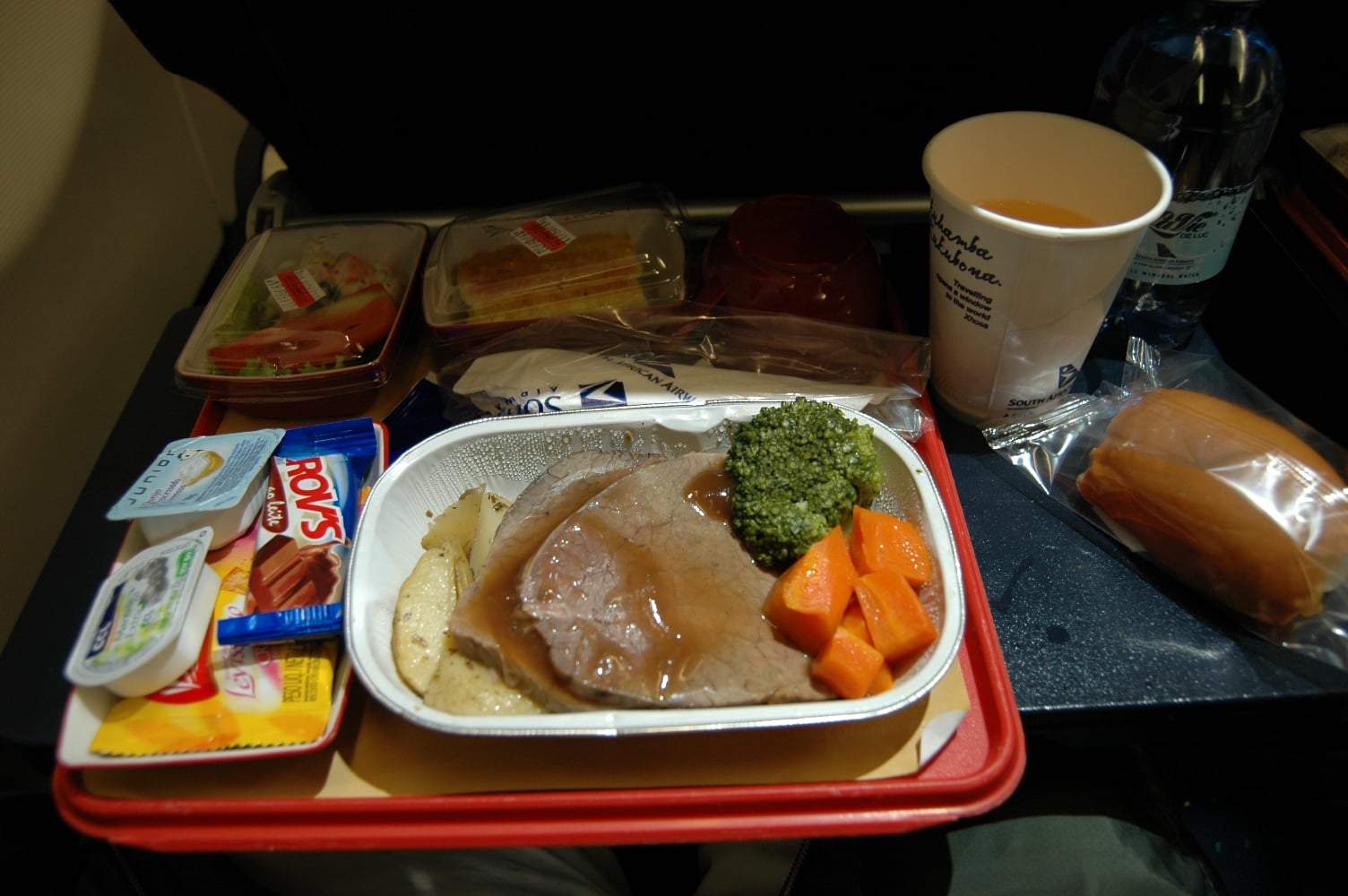
In the earliest decades of commercial flying, there was rarely a galley set up for hot cooking, so airlines leaned on something practical: boxed meals. Smithsonian Magazine notes that in the 1910s and 1920s, passengers on some routes received simple lunches with items like sandwiches, fruit and sweets, often packed before departure.
That sounds modest now, but it mattered because early flights were loud, bumpy and physically tiring. A prepared meal made air travel feel organized and civilized. The food also had to be easy to carry, easy to serve and safe to eat without much onboard equipment.
Those first boxes established a pattern that never fully disappeared. Even when airplane dining became glamorous, the central challenge stayed the same: serving appealing food in a cramped cabin, with limited space, changing temperatures and strict timing.
United's DC 3 changed the idea of an in flight meal
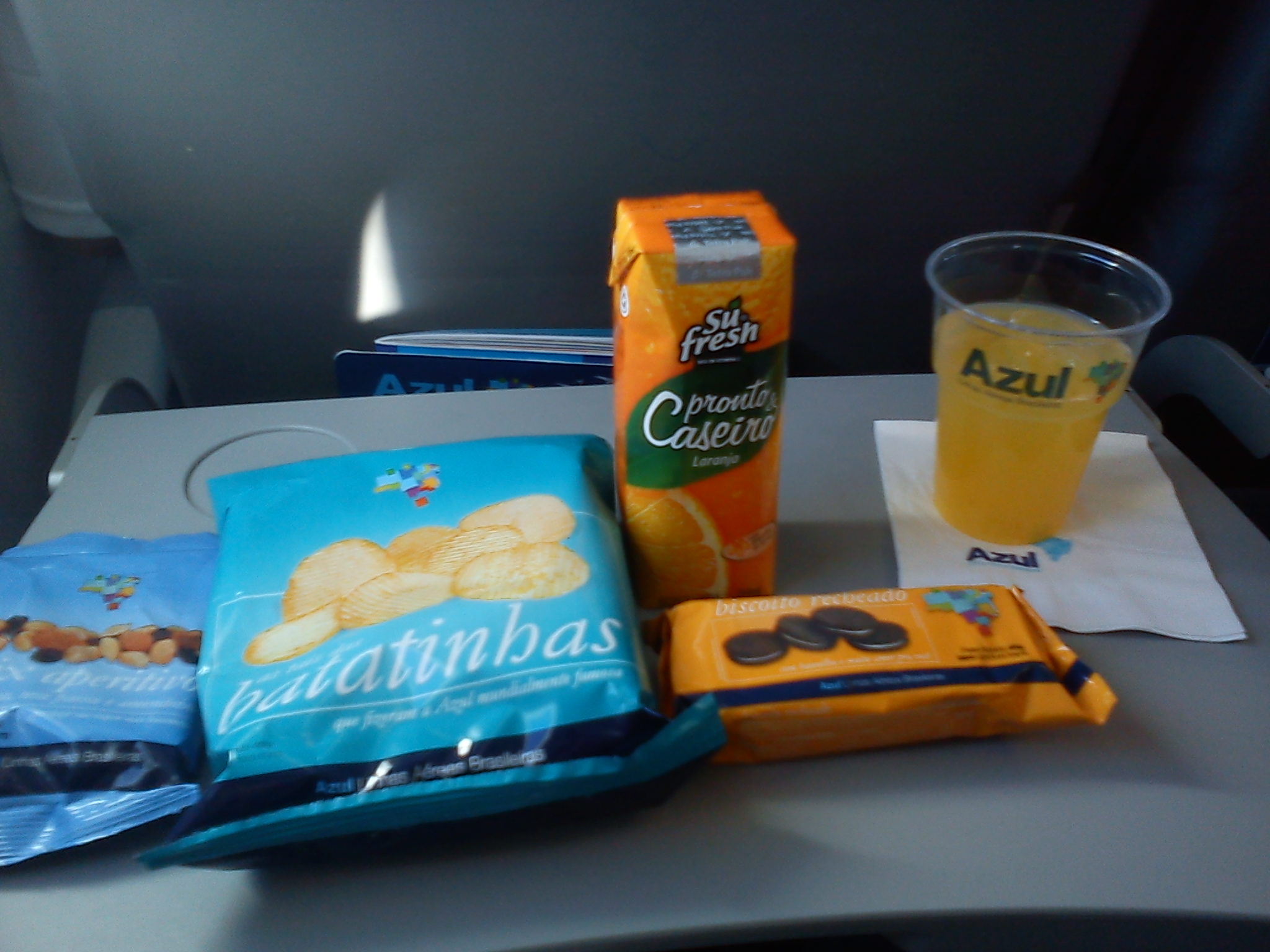
A major shift came in the 1930s, when airlines began serving hot food aloft instead of only handing out prepacked snacks. According to United Airlines history, stewardesses started preparing meals on board its Boeing 247 and later DC 3 aircraft, using compact galley equipment that made hot service more realistic on longer routes.
The DC 3 was especially important because it made passenger flying more commercially viable and more comfortable. As airlines competed for business, food became part of the sales pitch. A hot plate in the air suggested modern engineering, attentive service and a level of care that train travel had long claimed.
This was also the era when the cabin crew role became closely tied to hospitality. The meal was no longer just fuel. It was a performance of refinement, and that helped set up the much more luxurious airline dining that followed after World War II.
The Jet Age turned dinner into theater
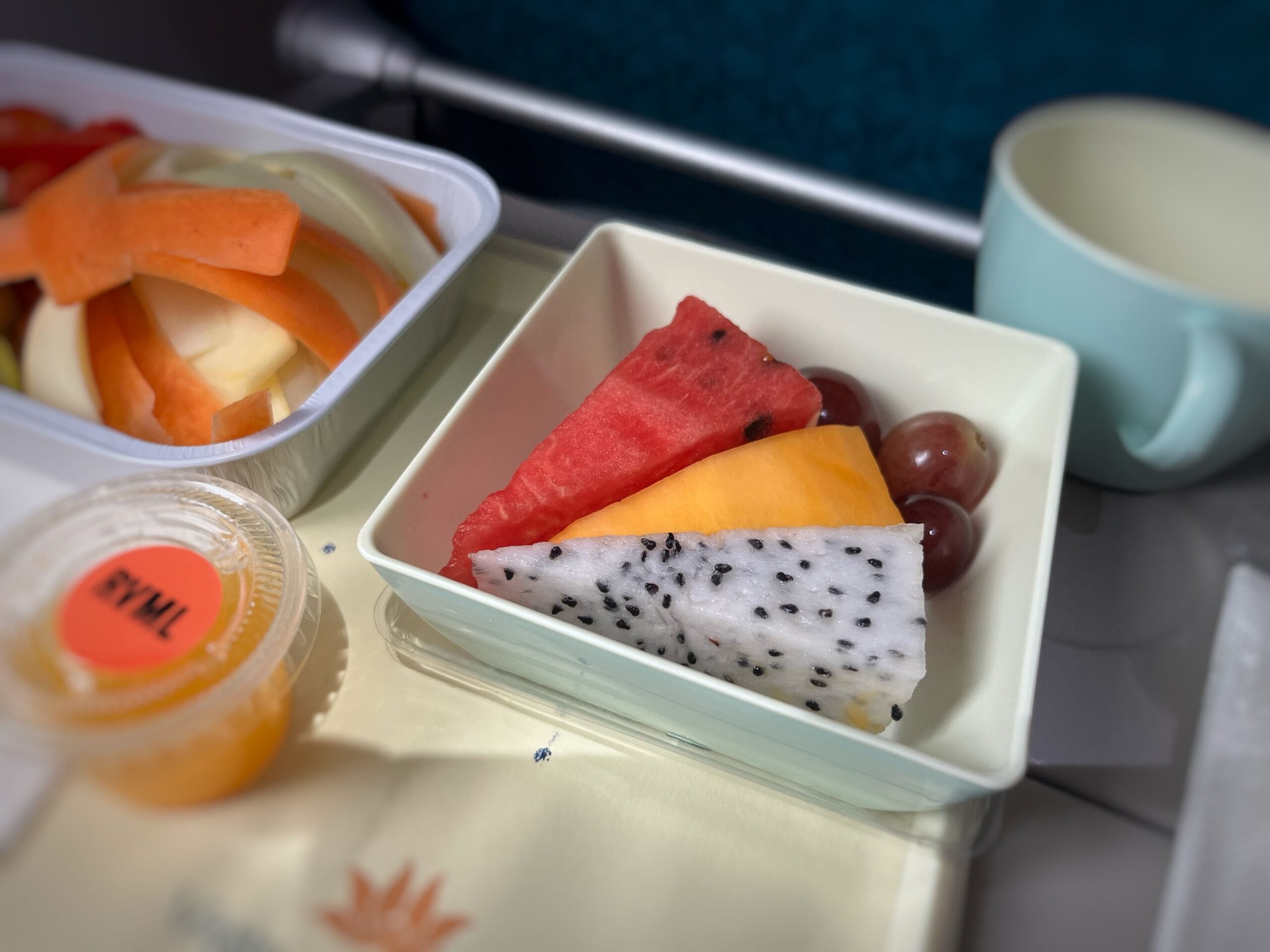
By the late 1950s and 1960s, flying had become an aspiration as much as a mode of transport. Pan Am and other international carriers promoted lavish meal service with linen, carved meats and polished tableware. The airline menu was part of the spectacle of the Jet Age, when carriers competed heavily on style.
Food historians and airline museums have documented menus from this period featuring dishes such as roast beef, lobster tails, Champagne and elaborate desserts, particularly in first class on long haul routes. Airlines understood that passengers were buying an experience that began long before landing.
Cabin design reinforced that message. Spacious seating, smoking lounges on some aircraft and formal service rhythms made the meal feel closer to a restaurant occasion than a tray handed out for convenience. In this period, airplane food became surprisingly fancy because the whole industry wanted flight to feel special.
Concorde made speed and luxury share a table
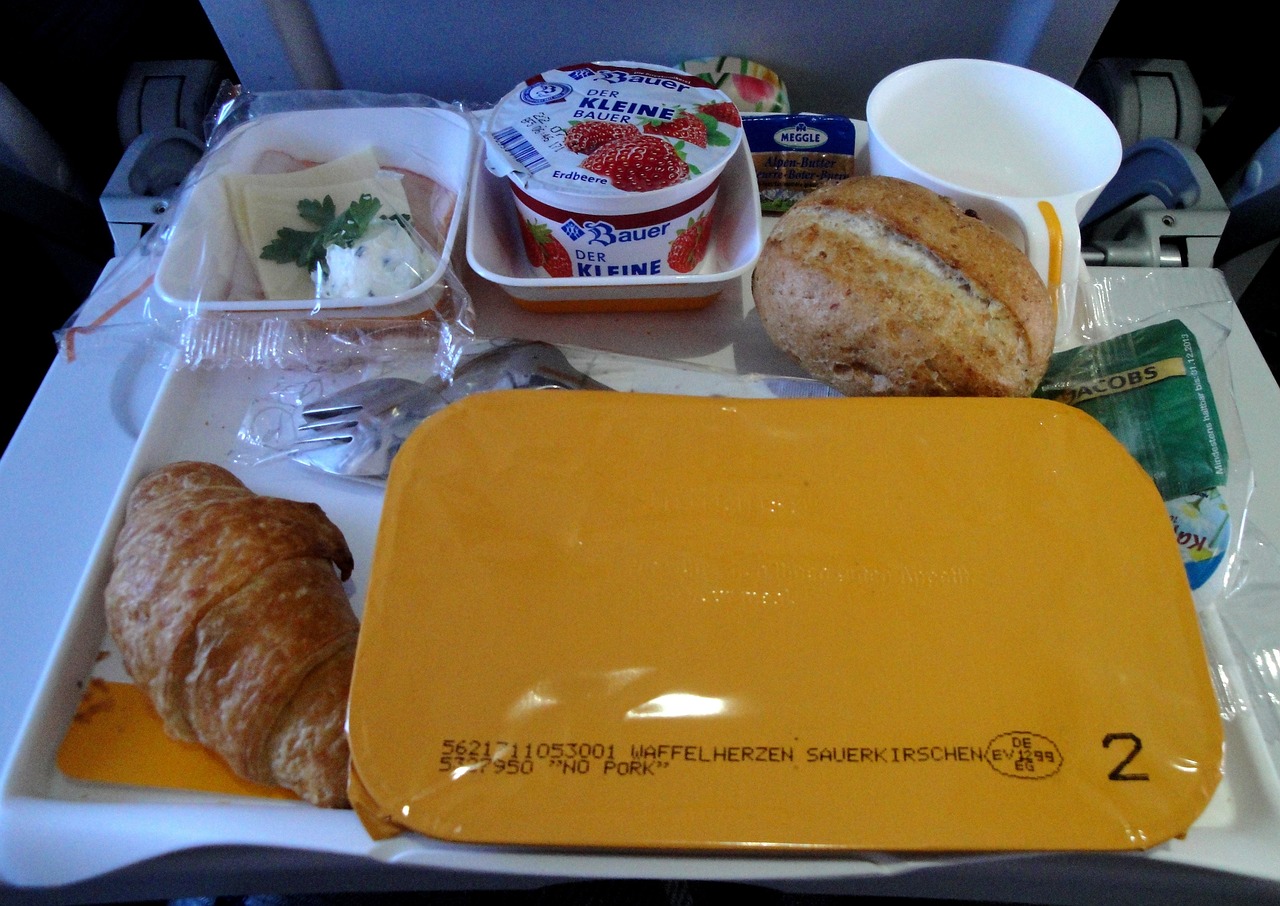
Concorde is usually remembered for crossing the Atlantic at extraordinary speed, but its food service was built to match its elite image. British Airways and Air France served premium passengers items associated with fine dining, including caviar, foie gras, smoked salmon and top tier wines and Champagnes on selected services.
Because Concorde carried relatively few passengers, airlines could deliver a more curated experience than on a packed wide body jet. Meals were served on china with silverware, and the pace of service was designed to feel controlled despite the short journey time. The point was not just eating well, but signaling exclusivity.
That made Concorde an important chapter in the history of airplane food. It proved that even a very short flight could support a luxurious meal if the brand depended on it. In other words, fancy food in the air was never only about hunger, it was about status.
Singapore Airlines and the chef led prestige meal
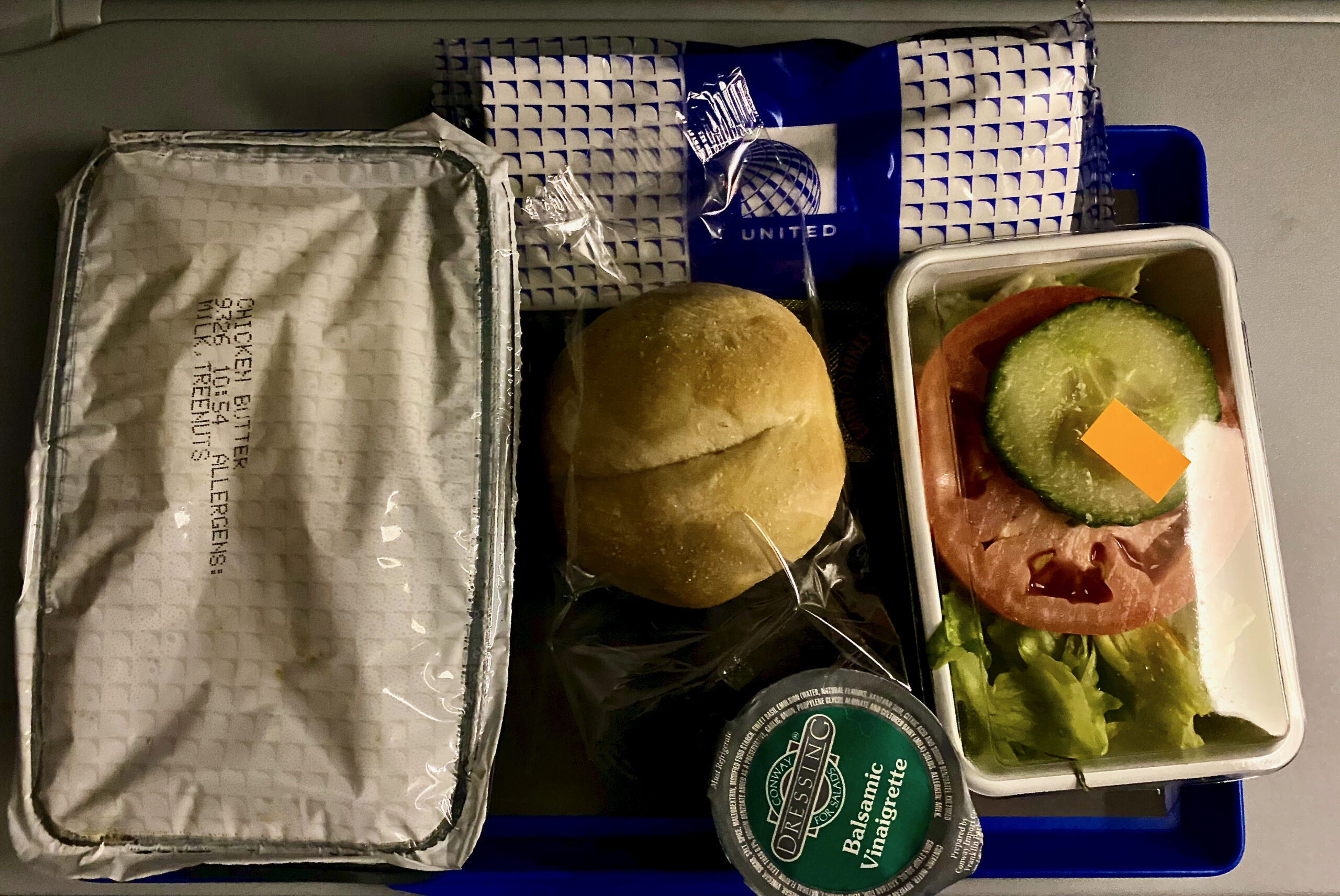
As competition shifted toward premium international travel, some carriers built culinary programs around famous chefs and detailed menu design. Singapore Airlines created its International Culinary Panel in 1998, bringing in notable chefs to help shape first class and business class meals across routes and cabin types.
That move reflected a broader change in airline food culture. Instead of treating meals as generic catering, airlines started presenting them as part of brand identity, much like hotel dining. Wine programs, route specific menus and upgraded table settings all signaled that food could still be a reason to choose one carrier over another.
Singapore Airlines also became known for dishes tied to place, not just luxury for its own sake. That mattered because passengers increasingly expected both comfort and authenticity. Fancy airplane food was no longer only French service and caviar, it could also mean thoughtful regional cooking delivered at 35,000 feet.
Today's luxury cabins still chase the golden age feeling

Modern airlines work under tighter economics and more complex security and catering systems than the carriers of the 1960s did. Even so, many premium cabins still borrow heavily from the old glamour playbook. Emirates, for example, has highlighted caviar service in first class, while several top carriers offer multicourse menus, on demand dining and sommelier selected wines.
There is also more science behind the plate now. Researchers have shown that altitude, cabin pressure and dry air can dull taste perception, which is one reason airlines often season food assertively. The fancy part is not just ingredients, but recipe design that survives reheating and still tastes balanced in flight.
That is the surprising through line in airplane food history. The setting changed, but the goal stayed recognizable: use a meal to make flying feel smoother, more memorable and more luxurious than the seat alone could manage.



Leave a Reply