
A warm meal at 2 a.m. used to mean a drive-thru or a convenience store. In more parts of Canada, it can now come from a sleek vending machine that knows what it needs to restock before anyone places an order.
Why hot food vending is gaining ground
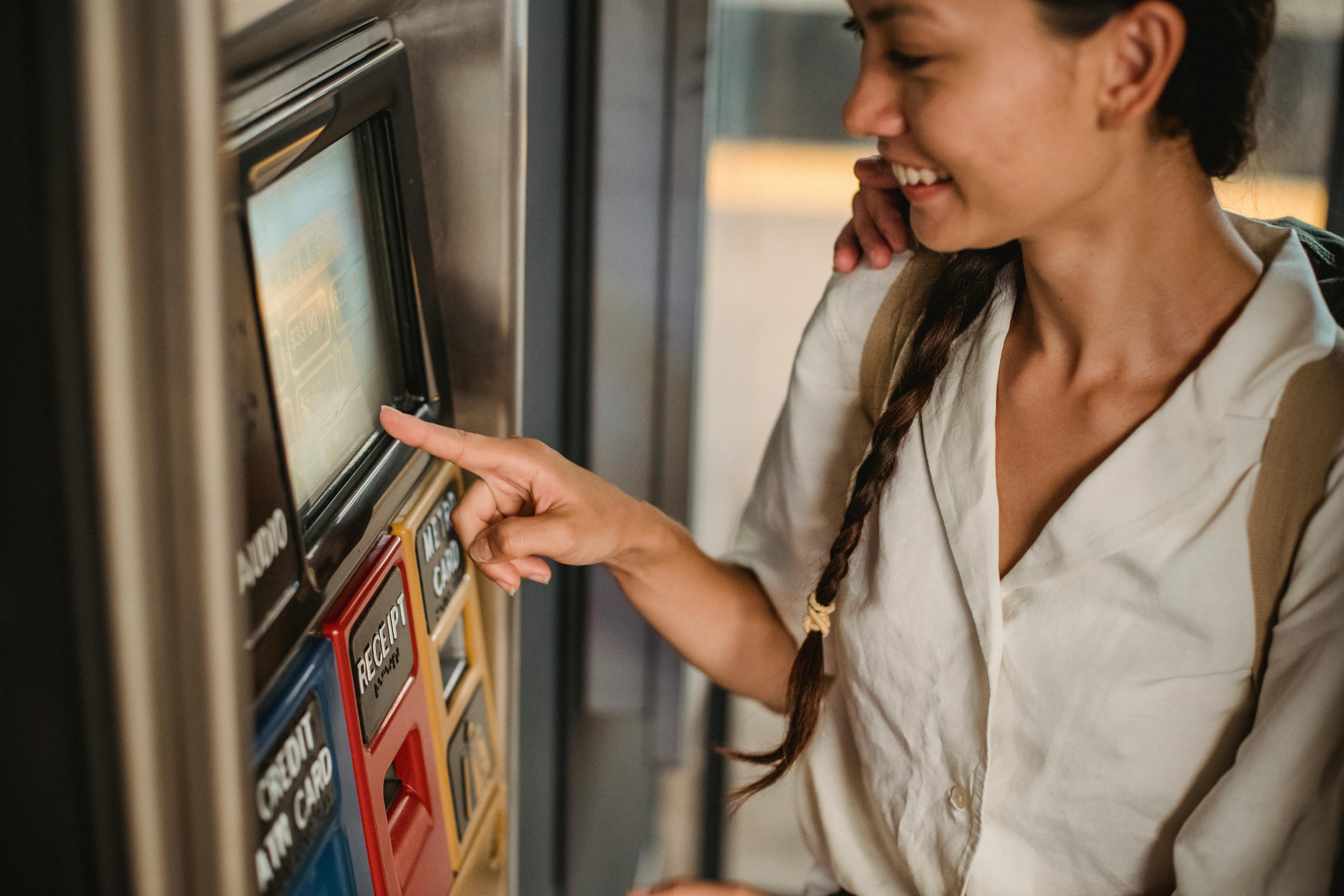
Convenience is the most obvious reason these machines are multiplying, but the deeper driver is a shift in where and when Canadians eat. Hospitals, university residences, office towers, and apartment lobbies all have periods when food service is limited, yet demand remains steady. A machine that serves hot pizza, pasta, rice bowls, or soups fills that gap without requiring a full kitchen team on site.
Labour costs also matter. Foodservice operators across Canada have spent the past few years dealing with staff shortages, wage pressure, and irregular operating hours. A smart vending unit does not replace restaurants, but it can extend food access in places where a staffed counter would be difficult to justify financially.
There is also a real estate advantage. Compared with a small quick-service outlet, a vending setup needs far less space, less equipment, and fewer utility upgrades. That makes it appealing for property managers who want an amenity without a major build-out.
The technology behind the glass is doing the hard work
The meal may look simple to the customer, but the software layer is what makes the model practical. Modern hot food vending systems use sensors, connected payment tools, temperature monitoring, and AI-based inventory platforms that track what sells, when it sells, and how quickly each item should be replenished.
That data allows operators to forecast demand with surprising precision. If chicken bowls sell fastest on weekday evenings in a Toronto condo, or pizza slices spike after late hockey games near an arena in Alberta, the system can flag stocking patterns that improve availability while reducing spoilage.
AI also helps with food safety. Operators can monitor holding temperatures, expiration windows, and machine performance remotely. If a refrigeration or heating component drifts outside set limits, alerts can be triggered immediately, limiting both waste and health risk.
Where these machines are showing up first

The expansion is not happening evenly across the country. The earliest traction tends to appear in settings where people need food outside standard retail hours, especially in healthcare facilities, post-secondary campuses, and transportation points. These are places where foot traffic is predictable, but staffing a kitchen overnight is often impractical.
Residential towers are becoming another important test market. Developers and condo boards increasingly market convenience as part of the living experience, and a hot food vending machine in a lobby or shared amenity area can function like a compact 24/7 micro-cafeteria.
Workplaces are also part of the picture. Industrial sites, distribution centres, and large offices with rotating shifts can use hot food machines to support workers during early mornings, late nights, or break periods when nearby dining choices are limited.
What Canadians are actually buying
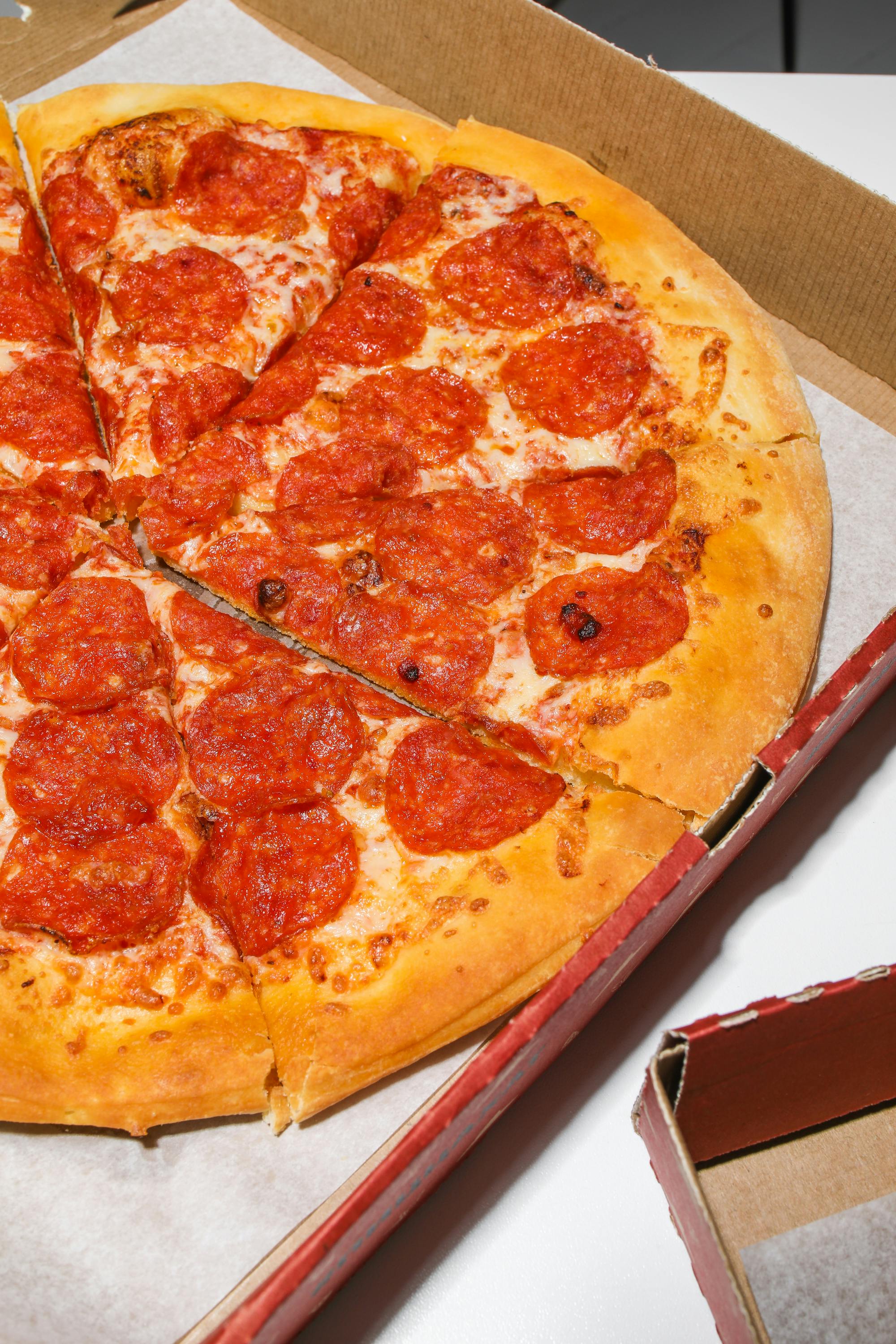
Forget the old image of shelf-stable snacks rotating behind dusty coils. The strongest-performing hot food machines are built around recognizable meals that feel close to quick-service restaurant standards. Pizza remains a headline item because it reheats well, travels easily through automated dispensing, and has broad appeal across age groups.
But the category is widening. Operators are testing breakfast sandwiches, mac and cheese, noodle bowls, grilled wraps, and culturally diverse options tailored to neighborhood demand. In multicultural urban centres, localized menus can make a measurable difference in repeat purchases.
Price sensitivity still matters. Consumers may accept a slight premium for late-night convenience, but only if the meal quality feels credible. That is why successful operators tend to focus on consistency, visible freshness, and packaging that keeps texture and temperature intact.
The business case depends on data, not novelty
The machines attract attention because they feel futuristic, but novelty alone does not sustain a rollout. The operators seeing the best results are the ones treating each machine like a small, data-rich retail outlet. They study transaction times, menu mix, refill intervals, and waste rates in order to improve margins location by location.
AI inventory systems are especially useful here because hot food has a short commercial window. Overstocking leads to disposal, while understocking means lost sales and frustrated customers. Better forecasting helps strike the balance, which is crucial when distributing fresh or semi-fresh meals across multiple sites.
There is also a supply chain benefit. Central kitchens and commissaries can prepare meals in batches, then allocate them more efficiently based on machine-level demand signals. That creates a tighter link between production, transport, and final sale.
What comes next for Canada's automated meal market

The next phase will likely be less about gimmicks and more about refinement. Expect better menu personalization, stronger allergen labeling, and improved interfaces that let users browse ingredients, nutrition, and wait times before purchasing. As machine hardware improves, the range of foods that can be dispensed hot and safely should broaden.
Regulation and public trust will remain important. Food safety standards in Canada are strict, and operators will need to prove that automated systems can maintain temperature control, sanitation, and product rotation as reliably as staffed environments.
If they do, hot food vending could become a normal part of Canadian foodservice rather than a curiosity. In a country where weather, distance, and off-hour demand often shape eating habits, a smart machine offering a dependable hot meal solves a very real problem.



Leave a Reply