
For decades, regular drinking was treated as normal in Canada. That assumption is now being challenged from several directions at once.
Health guidance has changed the conversation
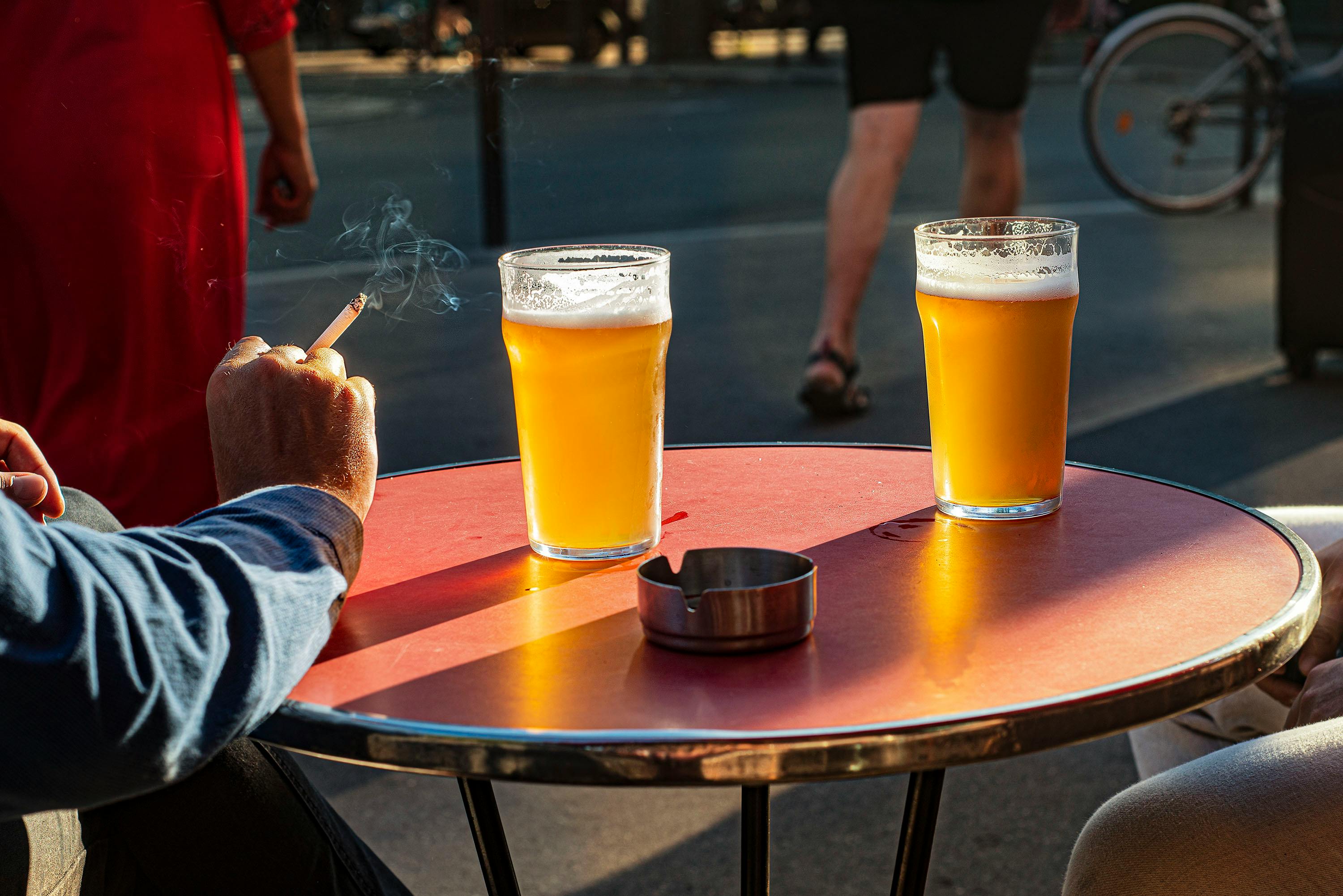
The biggest shift began when Canada's alcohol advice became much stricter. The Canadian Centre on Substance Use and Addiction said in updated guidance that no amount of alcohol is truly risk-free, and that health risks rise even at low levels.
That message landed differently from older public health campaigns. Instead of focusing mainly on extreme drinking, it reframed regular social drinking itself as a measurable health issue tied to cancer, liver disease, heart problems, and mental health harms.
For many Canadians, the practical effect is simple. A habit once seen as harmless, like a drink with dinner most nights, is now being viewed through the same risk-awareness lens that changed attitudes toward smoking, sugary drinks, and processed food.
Younger adults are rewriting social norms

A generational reset is also underway. Younger adults are generally drinking less often than previous age groups did at the same life stage, and surveys in Canada, the United States, and Europe have all pointed in a similar direction.
Part of that shift is cultural. Wellness, sleep quality, mental clarity, gym performance, and emotional regulation carry more social value today, while frequent drinking increasingly looks like a tradeoff rather than a default form of fun.
Social media has reinforced that change in a surprising way. While nightlife still thrives, many online communities normalize sober curiosity, temporary abstinence, and alcohol-free socializing, making it easier for people to say no without seeming antisocial or unusual.
Inflation is making alcohol harder to justify

There is also a blunt economic reason regular drinking may fade. Alcohol in Canada has become expensive, especially in restaurants, bars, and urban centres where taxes, operating costs, and minimum pricing rules push a casual night out into premium territory.
A few drinks with food can now cost what a full grocery run once did for some households. In periods of high housing costs, elevated interest rates, and persistent food inflation, alcohol becomes one of the easier recurring expenses to cut.
This matters because habits are often shaped by affordability. When regular drinking no longer feels routine from a budget standpoint, consumers begin reserving alcohol for special occasions, reducing both frequency and volume without needing a moral argument to do it.
Better alcohol-free options are changing behavior
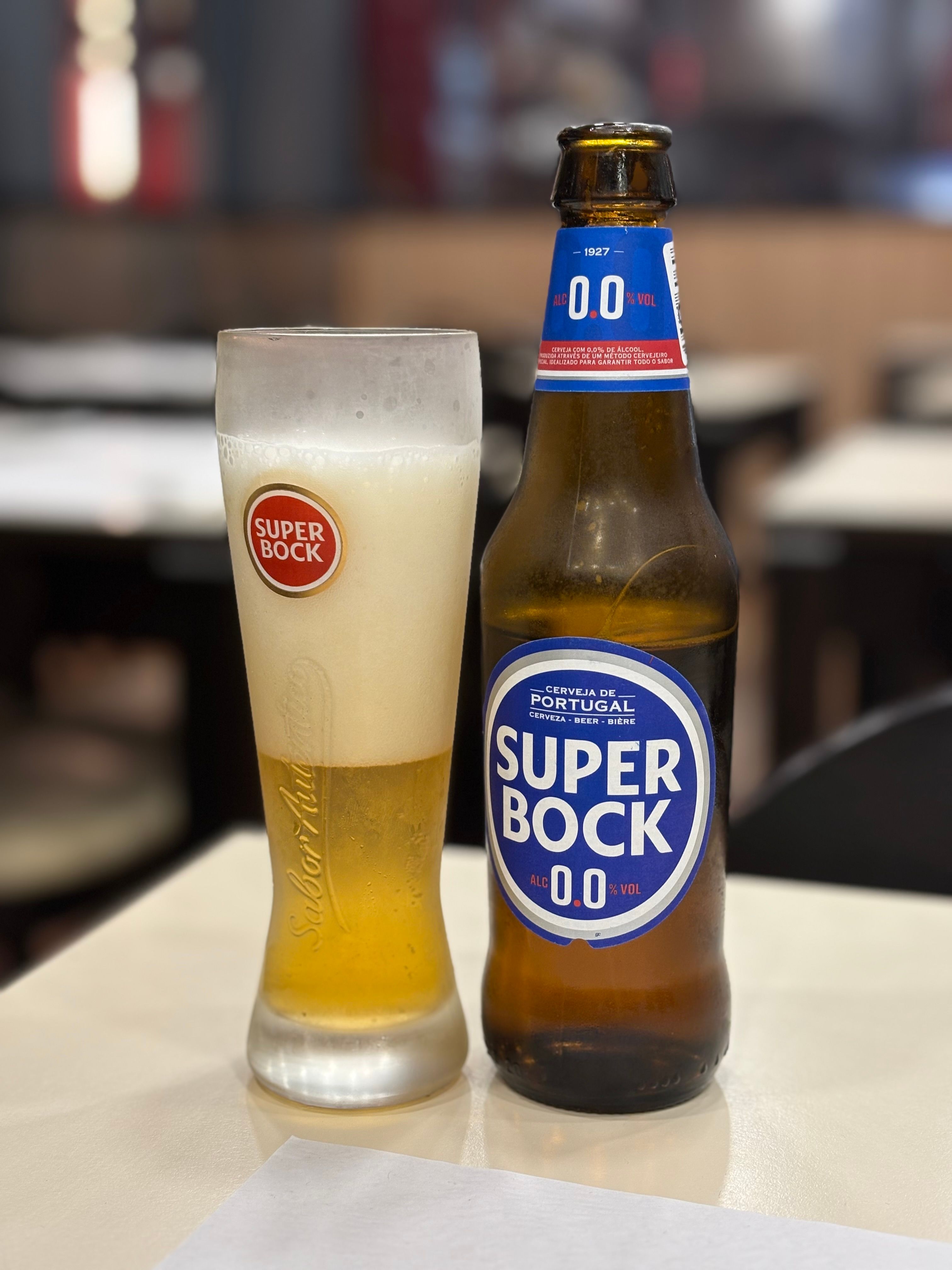
The old complaint about not drinking was that alternatives felt second-rate. That is no longer as true. Alcohol-free beer, zero-proof spirits, botanical canned drinks, and sophisticated mocktail menus have improved dramatically in taste, branding, and availability.
This changes more than product choice. It removes the social penalty of opting out, because people can still hold a drink that feels adult, celebratory, and intentional in settings that once revolved almost entirely around wine, beer, or cocktails.
Retailers and hospitality businesses have noticed. More Canadian bars, restaurants, and liquor-adjacent stores are giving shelf space and menu space to non-alcoholic options, which helps normalize moderation and gives consumers practical substitutes instead of abstract advice.
Policy pressure is likely to keep building

Another reason regular drinking may decline is that policy tends to follow health evidence, even if slowly. Warning labels, marketing restrictions, tighter retail rules, and stronger public education campaigns are all tools governments can expand when risks become harder to ignore.
Canada has already seen controversy around alcohol labeling and public guidance, and that debate is unlikely to disappear. If policymakers continue treating alcohol more like a regulated health product than an ordinary consumer good, daily drinking may lose more of its cultural protection.
The tobacco comparison is not exact, but it is instructive. Major social habits often weaken gradually, then suddenly, once medical evidence, consumer behavior, pricing, and regulation begin reinforcing the same message at the same time.
Drinking will remain, but regular drinking may not

None of this means Canadians will stop drinking altogether. Alcohol remains woven into celebrations, restaurants, sports viewing, holidays, and long-standing family and community rituals, and those patterns are too culturally rooted to vanish quickly.
What is changing is the baseline expectation. Drinking is becoming less automatic, less frequent, and more consciously chosen, especially as people weigh health risks, financial cost, next-day fatigue, and the growing appeal of alcohol-free alternatives.
That is why regular drinking in Canada could become a thing of the past. Not because one law or one trend will end it, but because nearly every major force shaping consumer behavior is now pushing in the same direction.




Leave a Reply