
Thanksgiving is still one of the most family-centered meals on the calendar, but the bill now tells a harder story. A full Canadian dinner for four costs about $32.48 in 2026, with several basic items rising much faster than most shoppers expect.
The full dinner total
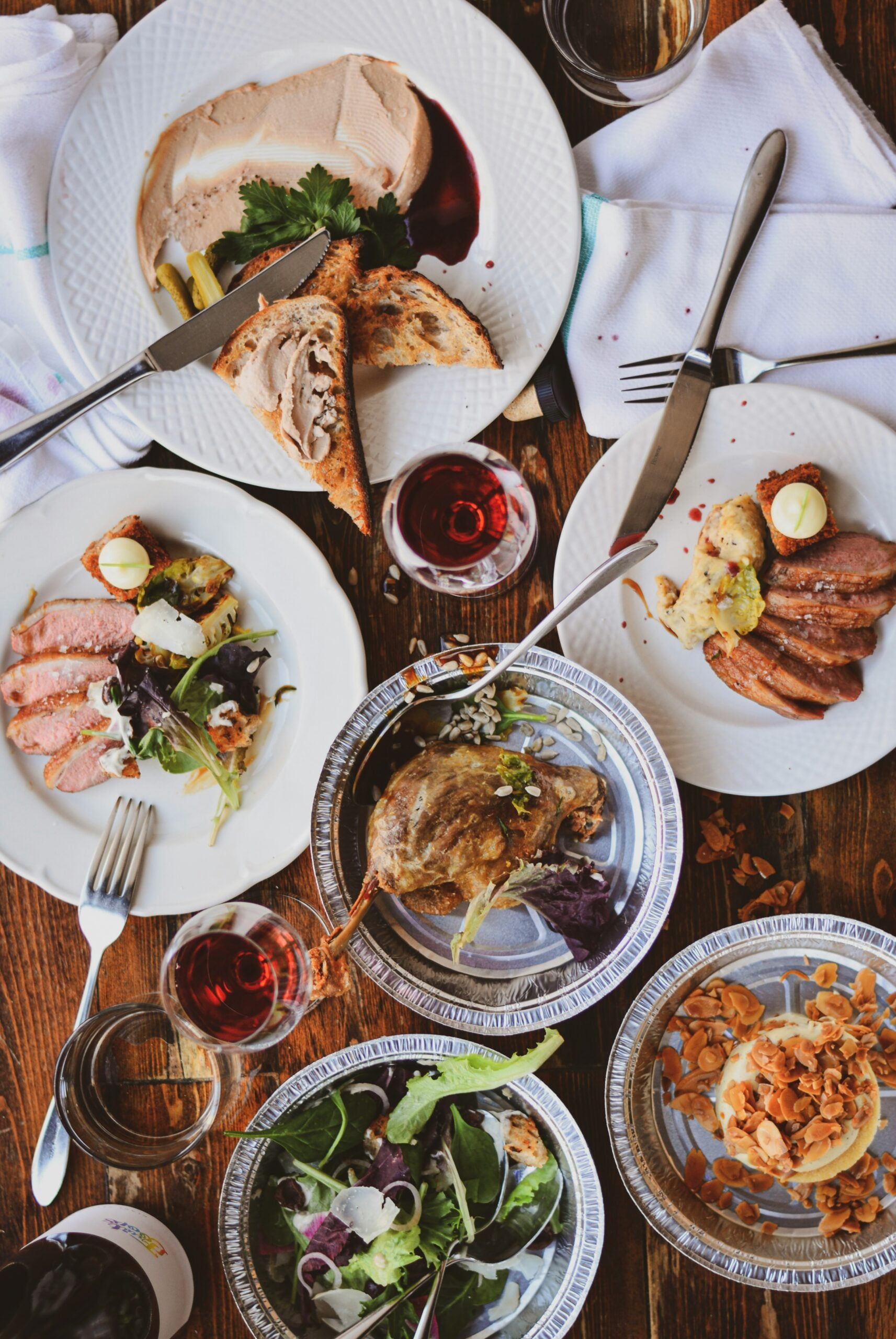
The headline number is straightforward: about $32.48 for a Canadian Thanksgiving dinner for four. That total captures the quiet shift many households have felt for years, where a meal built from familiar basics now demands noticeably more at the checkout.
What makes that figure land harder is the broader trend behind it. Overall food prices are 27% higher than they were five years ago, which means this holiday meal is not just expensive in isolation. It is part of a longer stretch of rising grocery costs that has changed how families plan, shop, and trim celebrations.
Turkey still anchors the table
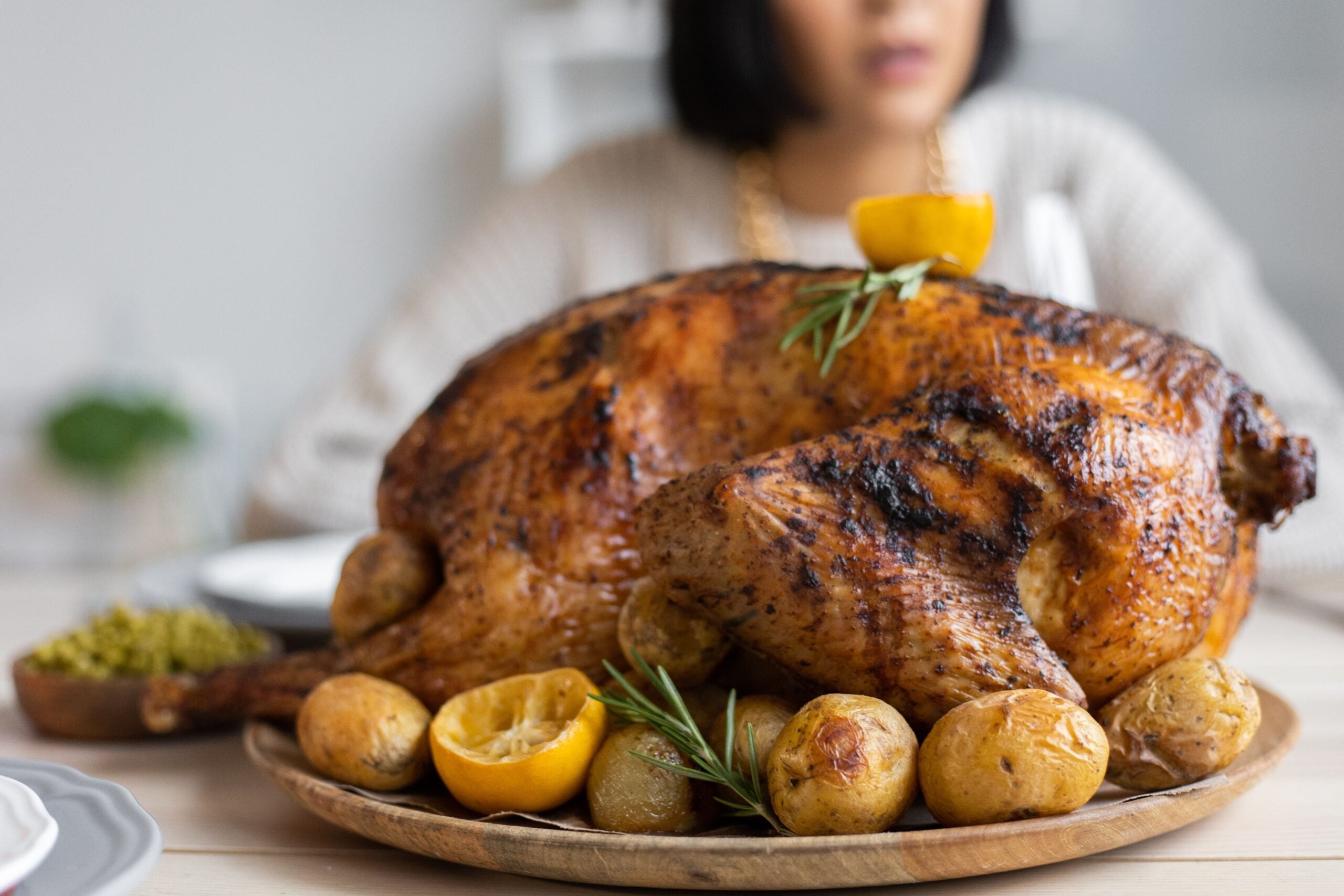
Turkey remains the centerpiece, and it is usually the item that defines the meal in people's minds. Even so, the bird is only one part of the final cost, and focusing on it alone can miss how side dishes and pantry staples now add up faster than expected.
For many shoppers, the real budgeting challenge is that Thanksgiving is a bundle purchase. You are not buying one main dish, but an entire spread at once. That makes even moderate increases across several categories feel much bigger by the time the full dinner reaches that $32.48 mark.
Potatoes show how fast basics move
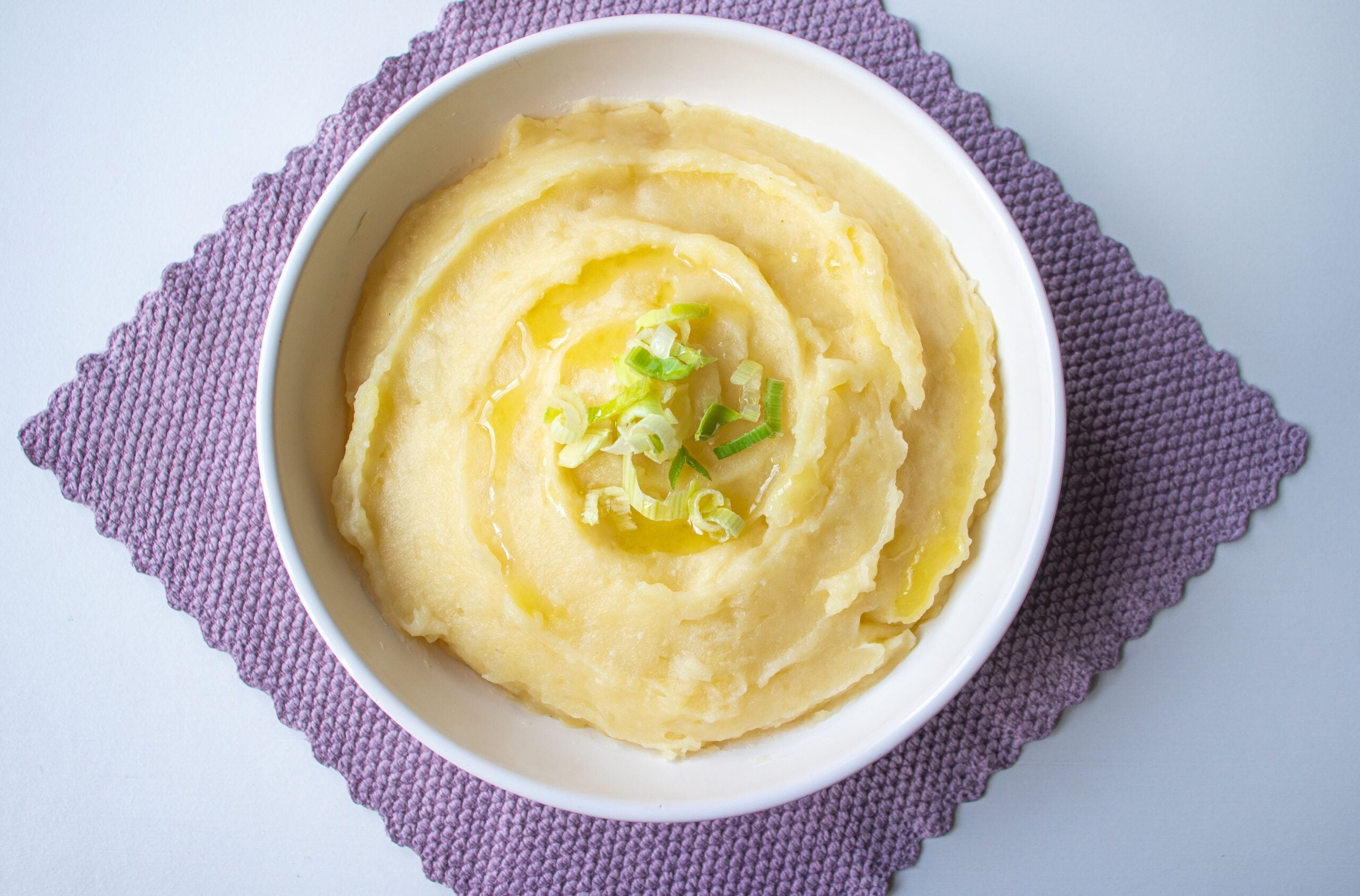
Potatoes are one of the clearest examples of how a low-cost staple can stop feeling cheap. A 10-pound bag has risen from $5.99 to $6.99, a jump that may look small at first glance but matters because potatoes are usually one of the most dependable budget items in the cart.
That one-dollar increase also reflects a wider problem for shoppers. When ingredients long seen as affordable start moving up, there are fewer easy places to save. A holiday meal depends on these basics, so higher potato prices can reshape the cost of the entire spread more than many premium items do.
Gravy has become a surprise pressure point
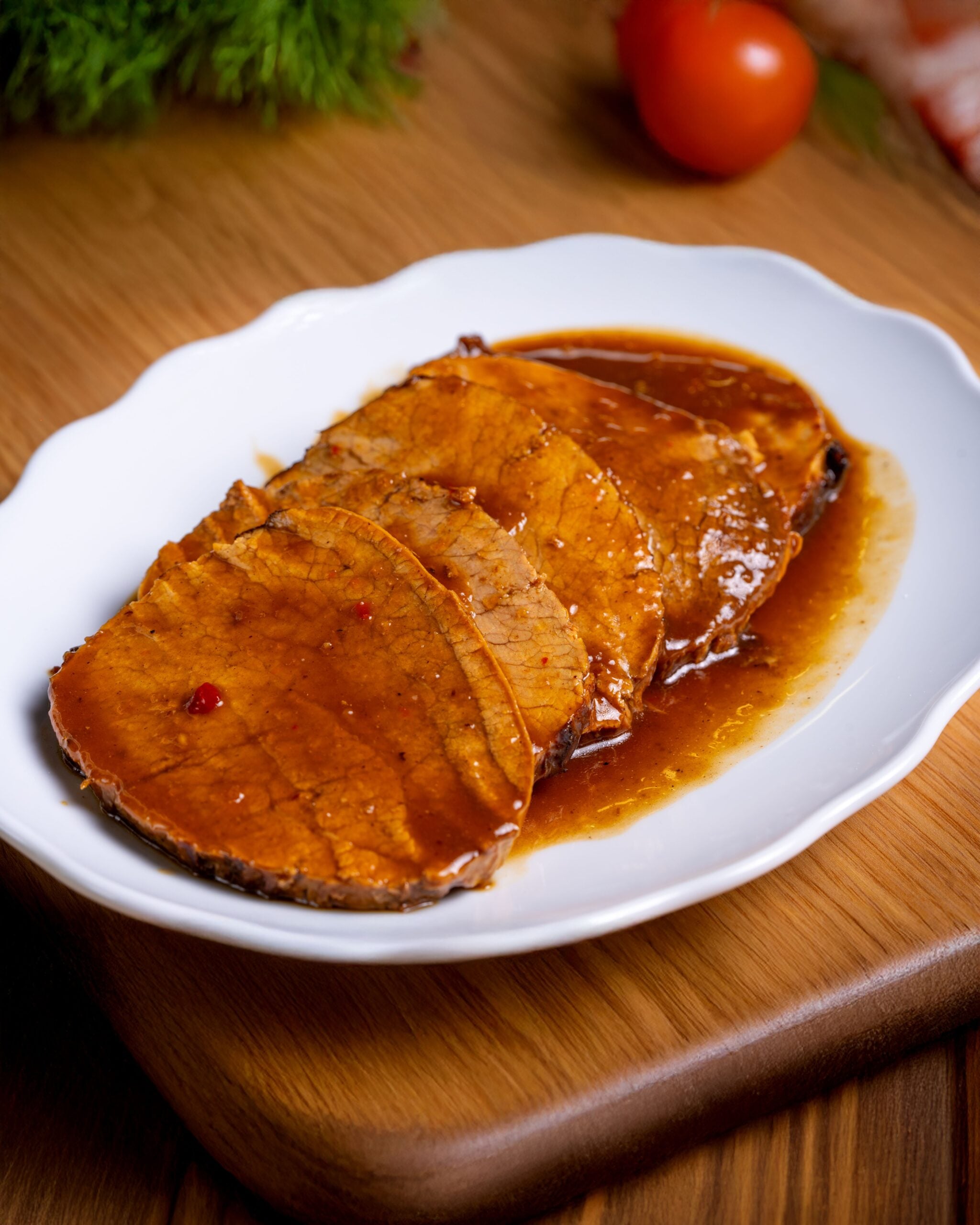
Gravy is not usually the first thing people blame for a pricier Thanksgiving, which is exactly why its increase stands out. The cost is up nearly 45%, turning a supporting player into one of the more striking examples of food inflation on the holiday table.
This matters because gravy is the kind of finishing item many families buy almost automatically. It is small, familiar, and easy to overlook. But when an everyday add-on climbs that sharply, it reveals how inflation is reaching beyond headline foods and into the details that make a traditional dinner feel complete.
Five years changed the holiday equation
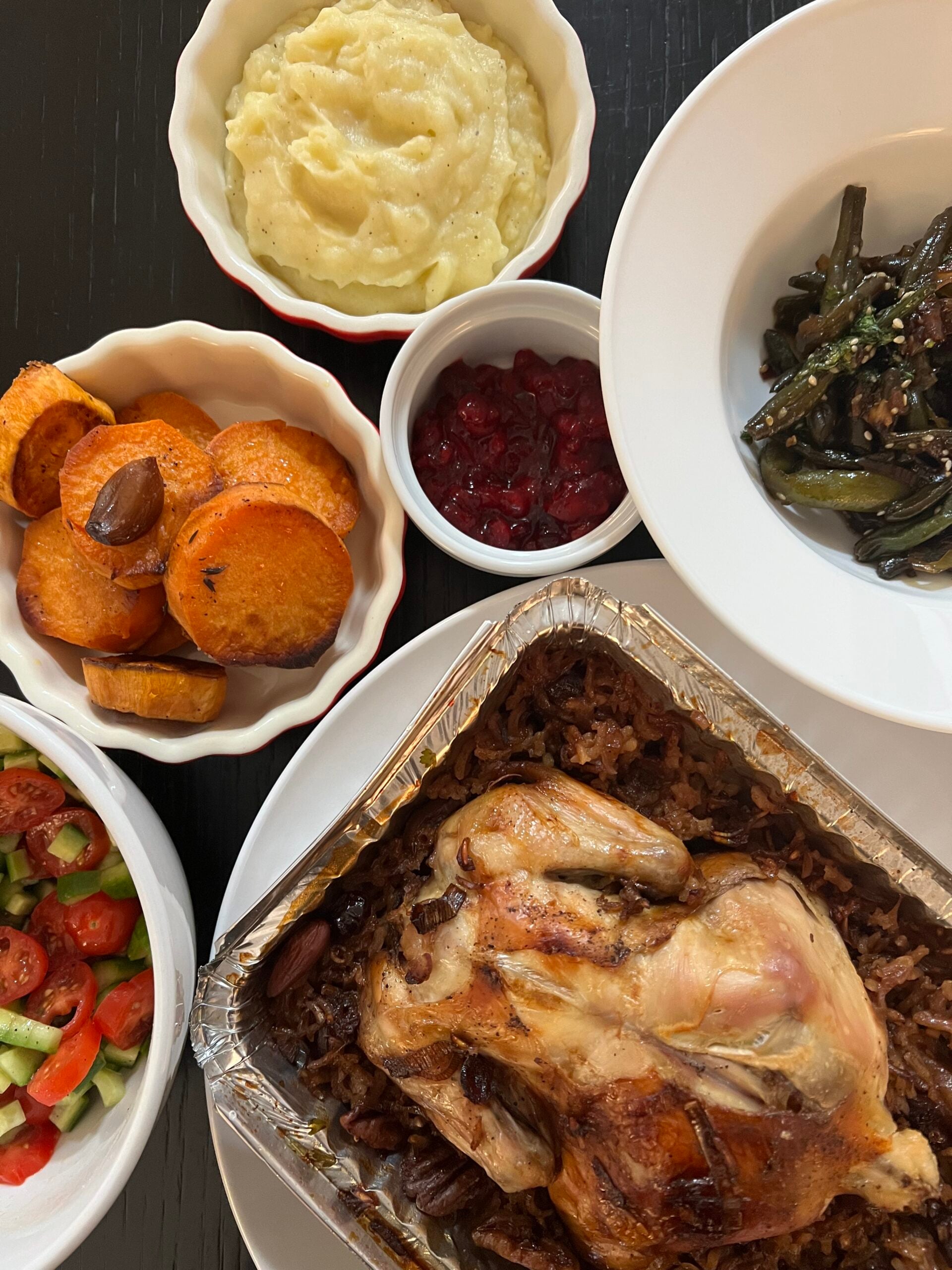
The bigger story is not one dramatic shortage or one luxury ingredient. It is the accumulation of steady increases over time. With food prices overall now 27% higher than five years ago, the cost of recreating a classic Thanksgiving meal has changed in a way that can feel gradual right up until the total is in front of you.
That is why this holiday hits differently than an ordinary grocery run. Thanksgiving concentrates many staples into one shop, so the effects of inflation become more visible. A dinner meant to feel familiar now doubles as a reminder that routine food spending has been reset at a higher level.
The family meal now comes with tradeoffs
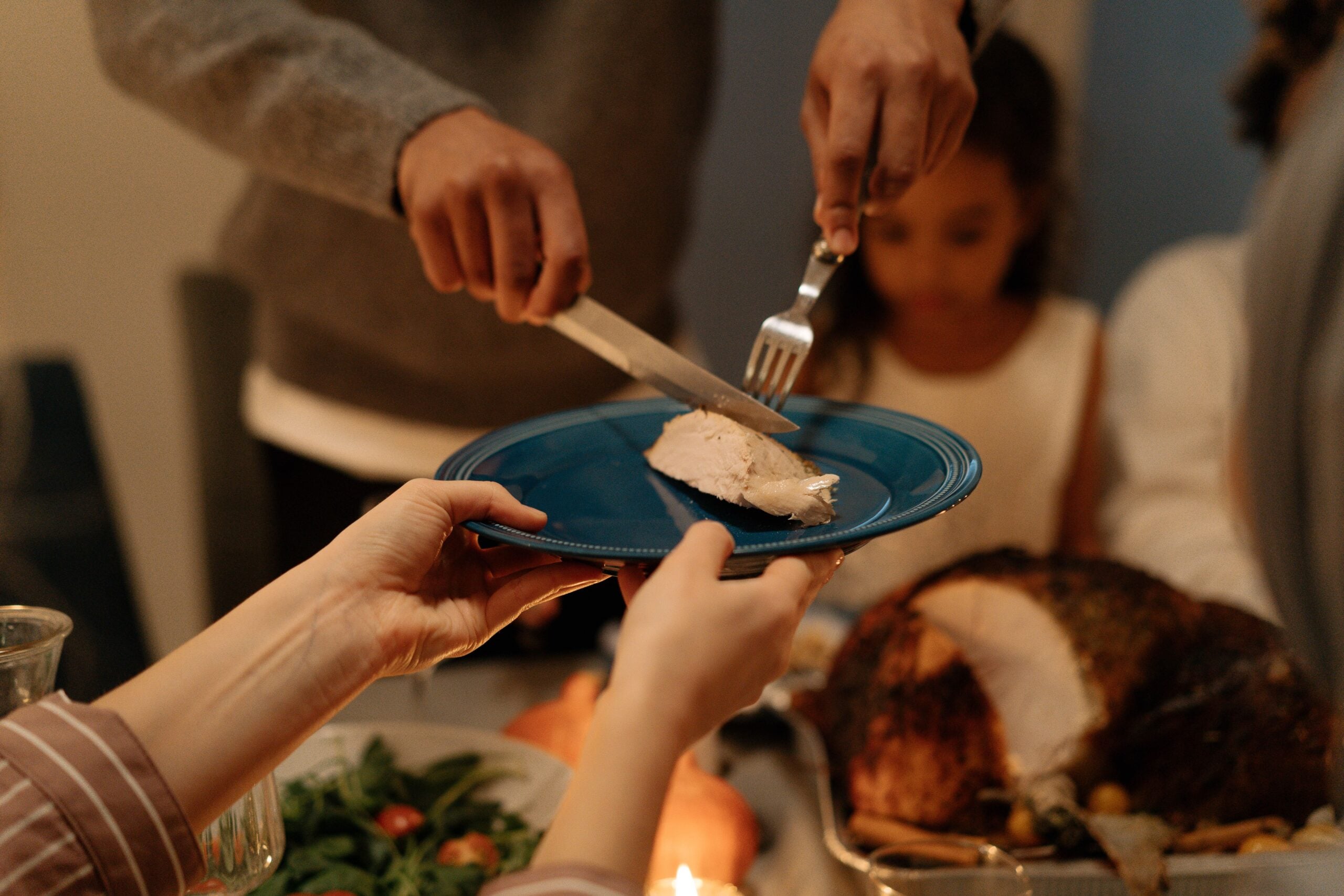
Thanksgiving has always been about gathering, abundance, and dishes that signal comfort more than luxury. That is what makes the current math uncomfortable. A meal built from ordinary grocery items now costs enough to force some households to scale back, swap ingredients, or rethink how many extras make it to the table.
The final total, about $32.48 for four, is not extravagant on paper. But paired with a near 45% jump in gravy, a rise from $5.99 to $6.99 for a 10-pound bag of potatoes, and food prices that are 27% higher than five years ago, it shows how one of the year's most family-focused meals has quietly become one of its most expensive.


Leave a Reply