
A food ingredient can be perfectly legal in one country and off-limits in another. That gap says as much about regulation and risk tolerance as it does about the chemical itself.
Why countries reach different decisions on food chemicals

Food regulation is not globally uniform, and that surprises many shoppers. Health Canada, the U.S. Food and Drug Administration, and the European Food Safety Authority often review similar evidence but can still reach different conclusions about what level of risk is acceptable in everyday foods.
Part of the reason is philosophical. European regulators tend to lean more heavily on the precautionary principle, meaning they may restrict an additive sooner when evidence is incomplete but worrying. Canada more often allows continued use while setting exposure limits, concentration caps, or labeling rules if officials judge the risk manageable.
There is also the issue of timing. Scientific reviews are updated at different moments, industry reformulation moves at different speeds, and political pressure varies by region. The result is a patchwork system where an ingredient can remain legal on Canadian shelves even after it has disappeared from products sold in Europe or other markets.
Potassium bromate remains a flashpoint in bread products

One of the most frequently cited examples is potassium bromate, a flour treatment agent used to strengthen dough and improve rise. It has long drawn scrutiny because international agencies have identified it as a possible human carcinogen based largely on animal evidence and concerns about residues when baking is incomplete.
The European Union, the United Kingdom, China, and several other jurisdictions have prohibited its use in food. In Canada, its status has narrowed over time, but it remains part of the broader conversation because regulators have historically managed it through conditions of use rather than the kind of blanket prohibition seen elsewhere.
Public health advocates argue this is exactly the kind of additive that exposes the difference between hazard and risk. Industry groups counter that when used properly, bromate is converted during baking and does not remain at meaningful levels. Critics respond that real-world manufacturing is not flawless, and safer alternatives already exist.
Brominated vegetable oil shows how rules can lag behind concern

Brominated vegetable oil, known as BVO, has been used in some citrus-flavored drinks to keep flavoring evenly distributed. The concern is not cosmetic. Bromine can accumulate in the body, and older toxicology literature linked high exposure to neurological, thyroid, and reproductive effects, prompting restrictions in a number of countries.
Japan and India moved against BVO years ago, and European authorities have not permitted it as a standard soft drink additive. In North America, it survived much longer in parts of the beverage market, even as major brands quietly reformulated because consumer attention intensified and cleaner labels became commercially valuable.
The BVO story matters because it shows that market pressure can move faster than law. Even when a product is still technically legal, manufacturers may exit the ingredient first. For consumers, that creates a confusing landscape where an additive is uncommon enough to seem banned, yet still permitted under existing rules.
Synthetic dyes remain controversial, especially for children
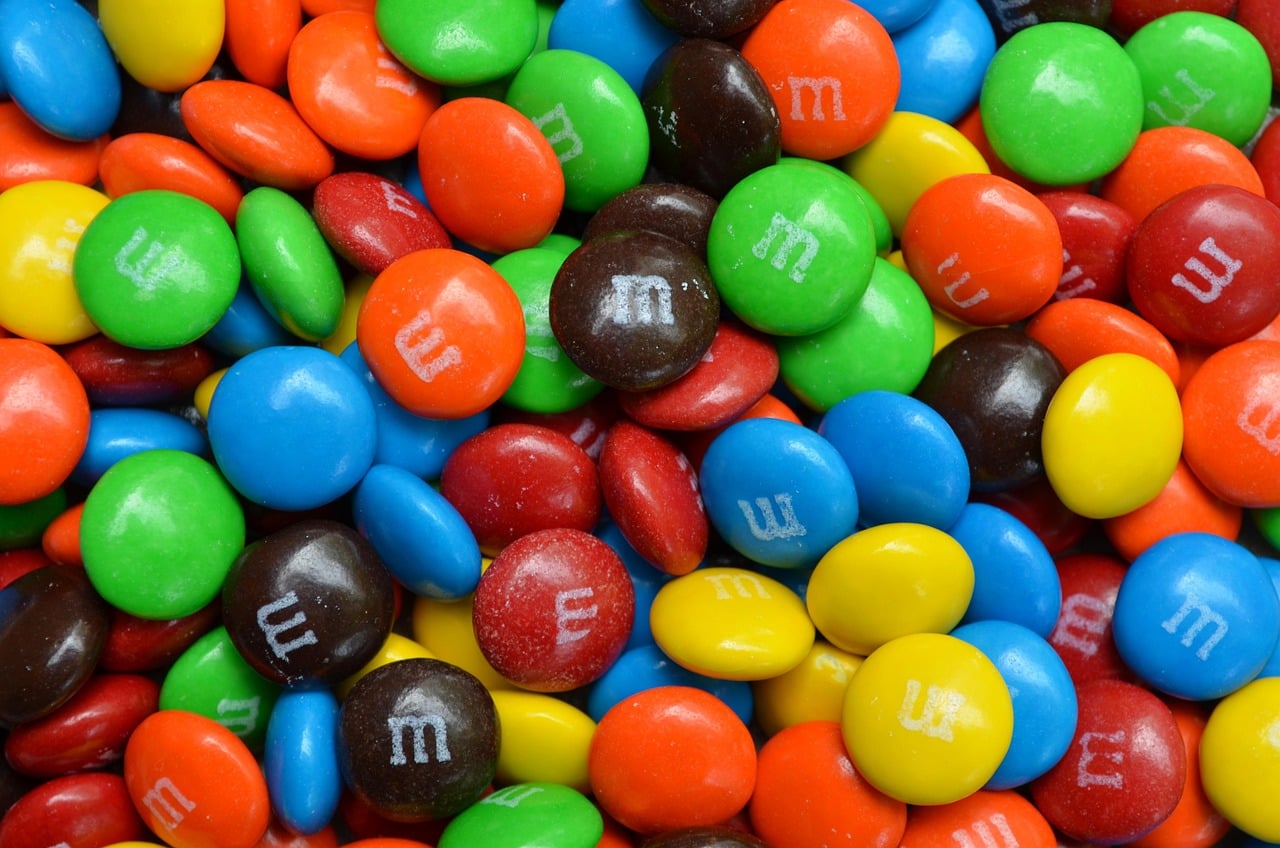
Artificial food dyes are another area where Canada's rules differ from stricter international approaches. Colors such as Allura Red, Tartrazine, and Sunset Yellow are still allowed in Canada, while some European countries require warning labels on foods containing certain dyes because of concerns about possible links to hyperactivity in susceptible children.
That concern gained public attention after influential research, including the Southampton study, found that mixes of some synthetic dyes and sodium benzoate were associated with increased hyperactive behavior in some children. Regulators did not all interpret the findings the same way, but the study changed the politics of food colorings almost overnight.
Canada has generally treated these dyes as acceptable within specified limits, and Health Canada has said the evidence does not support a broad ban. Still, many companies selling into multiple markets now use natural coloring alternatives in Europe while keeping synthetic versions elsewhere, a practical sign that global standards are far from aligned.
Titanium dioxide illustrates the science-versus-uncertainty divide

Titanium dioxide has been used to whiten candies, icings, sauces, and supplements. The debate intensified after European authorities concluded they could no longer rule out concerns related to genotoxicity, especially because very small particles may behave differently in the body than larger forms of the same substance.
That distinction matters. A regulator may accept a chemical's traditional use for decades, then revisit it when new particle-level evidence emerges. The European Union ultimately moved to ban titanium dioxide as a food additive, while other jurisdictions, including Canada for a period, continued to permit it as reviews and policy discussions evolved.
For ordinary consumers, titanium dioxide became a case study in scientific uncertainty. It was not a story of one dramatic poisoning event, but of regulators asking how much unresolved doubt is too much when a whitening agent is not nutritionally necessary. That question often drives modern food policy more than headline-grabbing toxicity claims.
What this means for Canadian shoppers now

The practical lesson is not that every approved additive is dangerous or that every foreign ban proves Canada is wrong. It is that food safety decisions involve judgment calls about evidence quality, exposure levels, vulnerable populations, and how much uncertainty a regulator is willing to tolerate before acting.
Consumers who want to limit controversial additives should read ingredient lists closely, especially on breads, candies, sodas, frostings, and brightly colored snacks. Products marketed as simpler or export-style formulations often avoid the chemicals that attract the most scrutiny, even when those substances remain legal under Canadian rules.
The bigger issue is transparency. When other countries ban or sharply restrict a food chemical that Canada still permits, people understandably want a clear explanation of why. Health Canada's challenge is not only to assess the science, but to communicate in plain language why a chemical remains lawful and what evidence could change that decision.




Leave a Reply