
Grocery shopping has become a source of stress for many Canadians, and recent survey findings suggest the strain is now hitting trust. As prices stay high and shoppers hunt harder for value, major food retailers are facing growing skepticism about how prices are set and whether customers are being treated fairly.
Trust is moving in the wrong direction
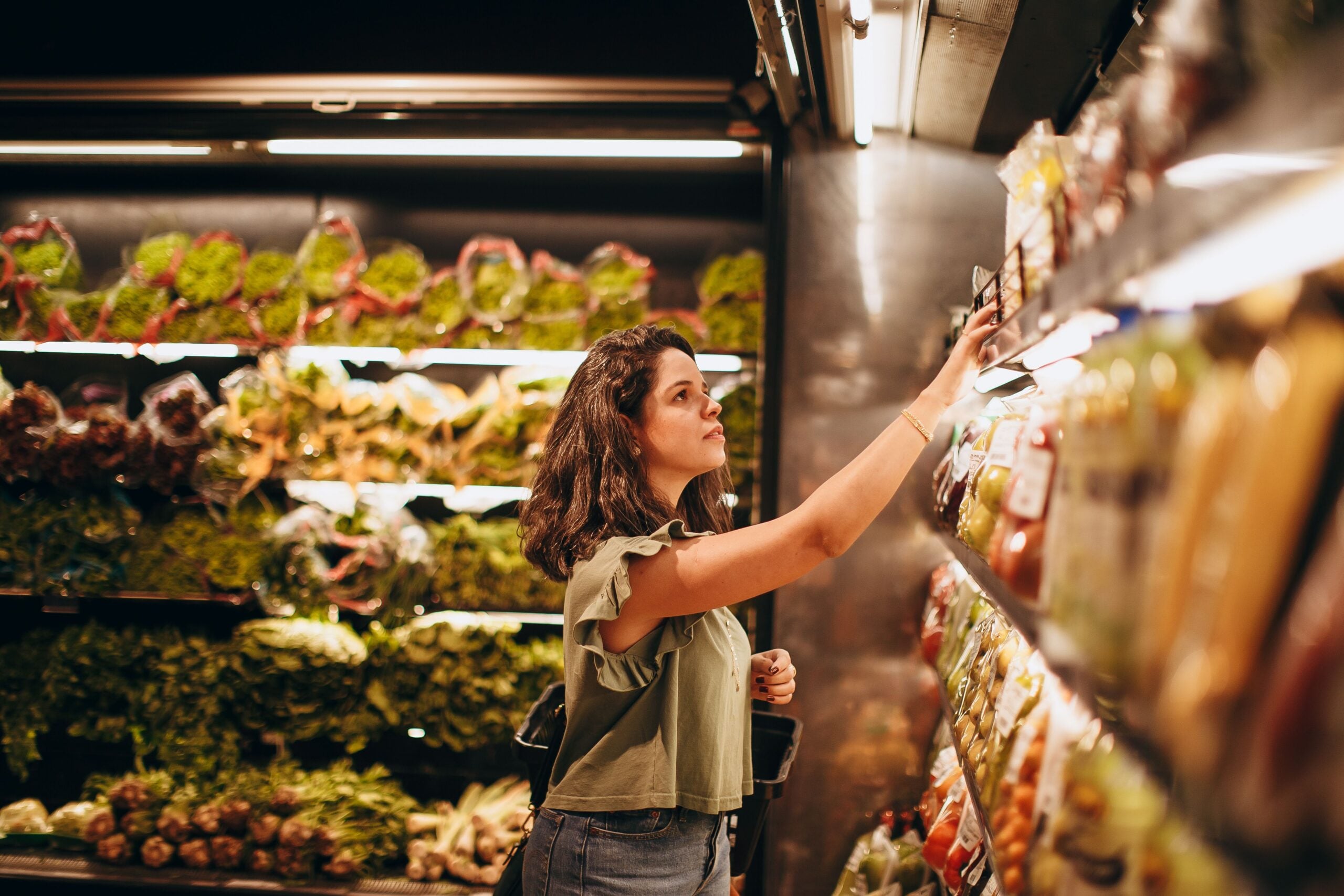
A clear signal comes from a Dalhousie University agri-food analytics survey released in 2024. It found that 62.4 percent of Canadians said they trusted the food retail industry, down from 67.2 percent a year earlier. That is still a majority, but the direction matters.
The same survey showed distrust climbing. In 2024, 28.2 percent said they did not trust the sector, up from 24.8 percent in 2023. Another 9.4 percent said they were unsure. For grocery chains, that kind of movement suggests confidence is getting softer, not stronger.
Prices are the biggest pressure point
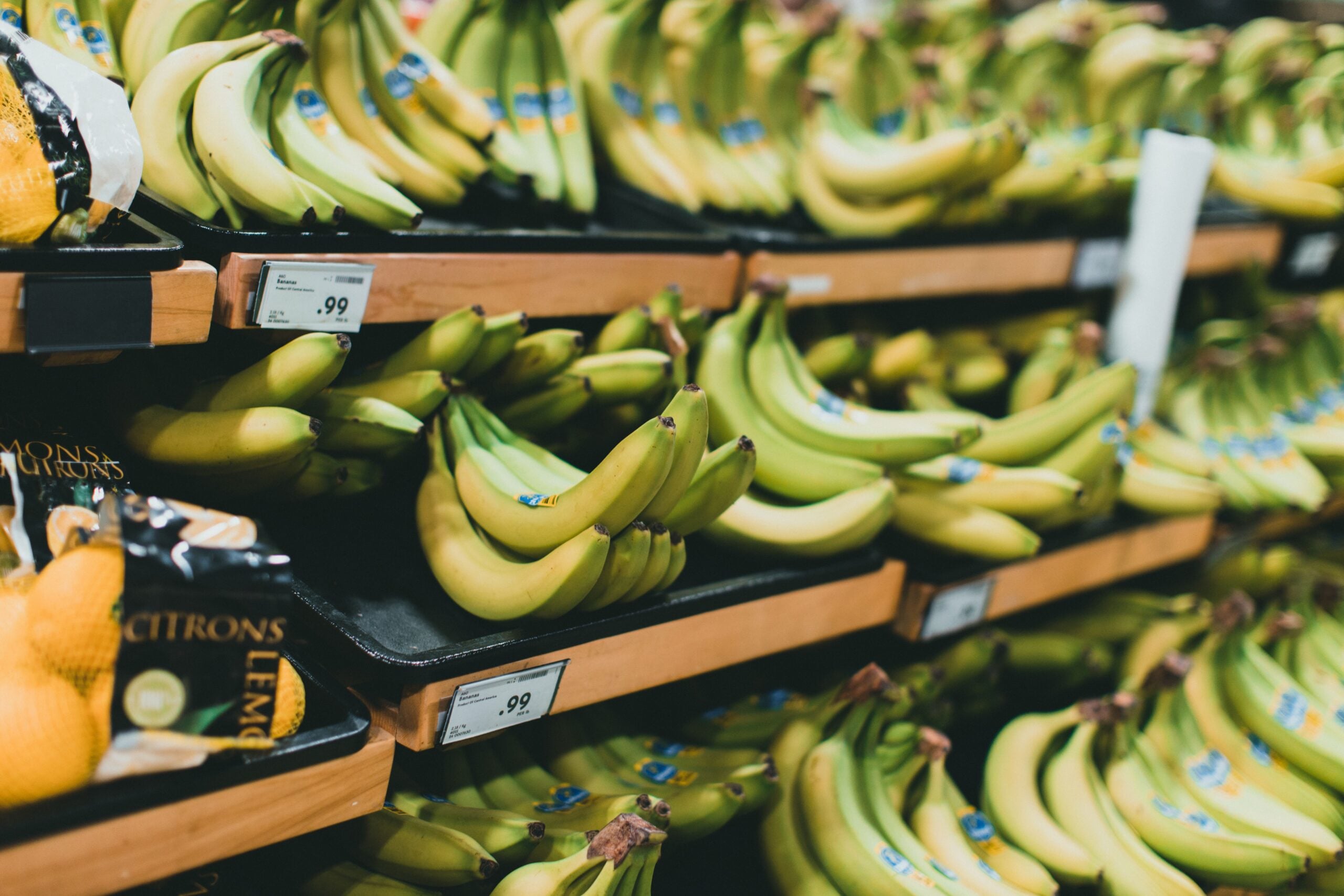
For many shoppers, trust and price are now tied together. The Dalhousie findings showed 85.1 percent of respondents believed grocery stores were making more money now than they were before the pandemic. That perception matters because it shapes how people interpret every shelf price and promotion.
The survey also found 76.5 percent believed grocers were not fully transparent about food pricing. When people feel they cannot clearly see why prices rise, suspicion fills the gap. Higher bills become more than a budget problem. They start to look like proof that the system is tilted against the customer.
Canadians are changing how they shop
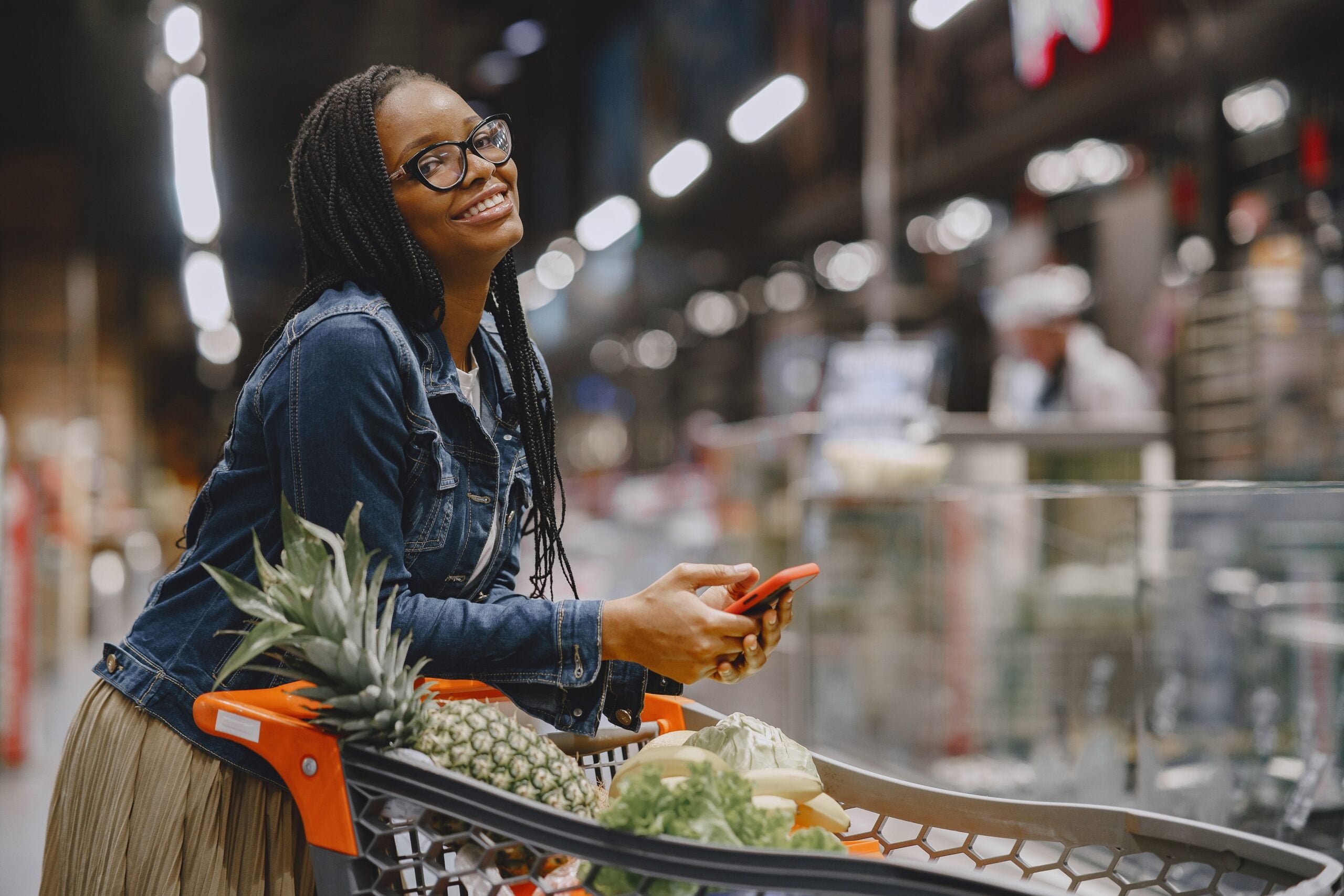
The strongest evidence may be behavioral, not just emotional. According to the same Dalhousie survey, 49.5 percent of Canadians said they had changed their primary grocery store in the last year to save money. That is a major shift in habit for a category where routines tend to stick.
Canadians also reported becoming more tactical. Shoppers are leaning harder on flyers, price comparisons, discount banners, coupons, loyalty offers, and store switching. When nearly half the country changes its usual place to buy food, it suggests frustration has moved beyond complaints and into daily action.
The code of conduct debate adds context
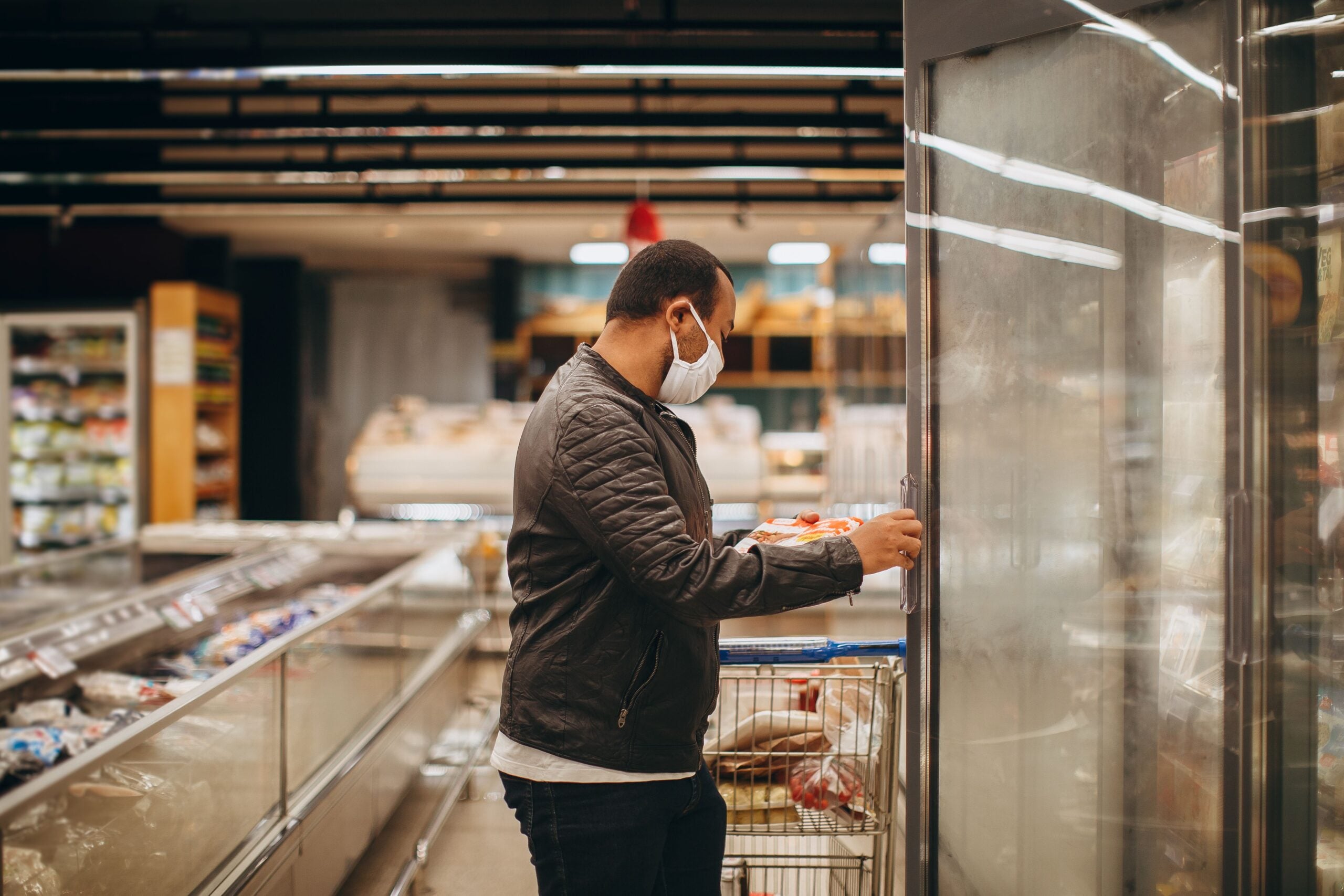
Another part of the trust story is transparency across the supply chain. In 2024, Canada finalized a voluntary Grocery Sector Code of Conduct after years of debate among retailers, suppliers, and industry groups. Supporters said the code could help create fairer, more predictable relationships between large grocers and suppliers.
That matters to consumers even if they never read the document. Public fights over fees, supplier pressure, and pricing practices can reinforce the sense that grocery costs are shaped behind closed doors. A code of conduct does not lower prices by itself, but it speaks to a broader demand for clearer rules and accountability.
Competition is part of the public mood
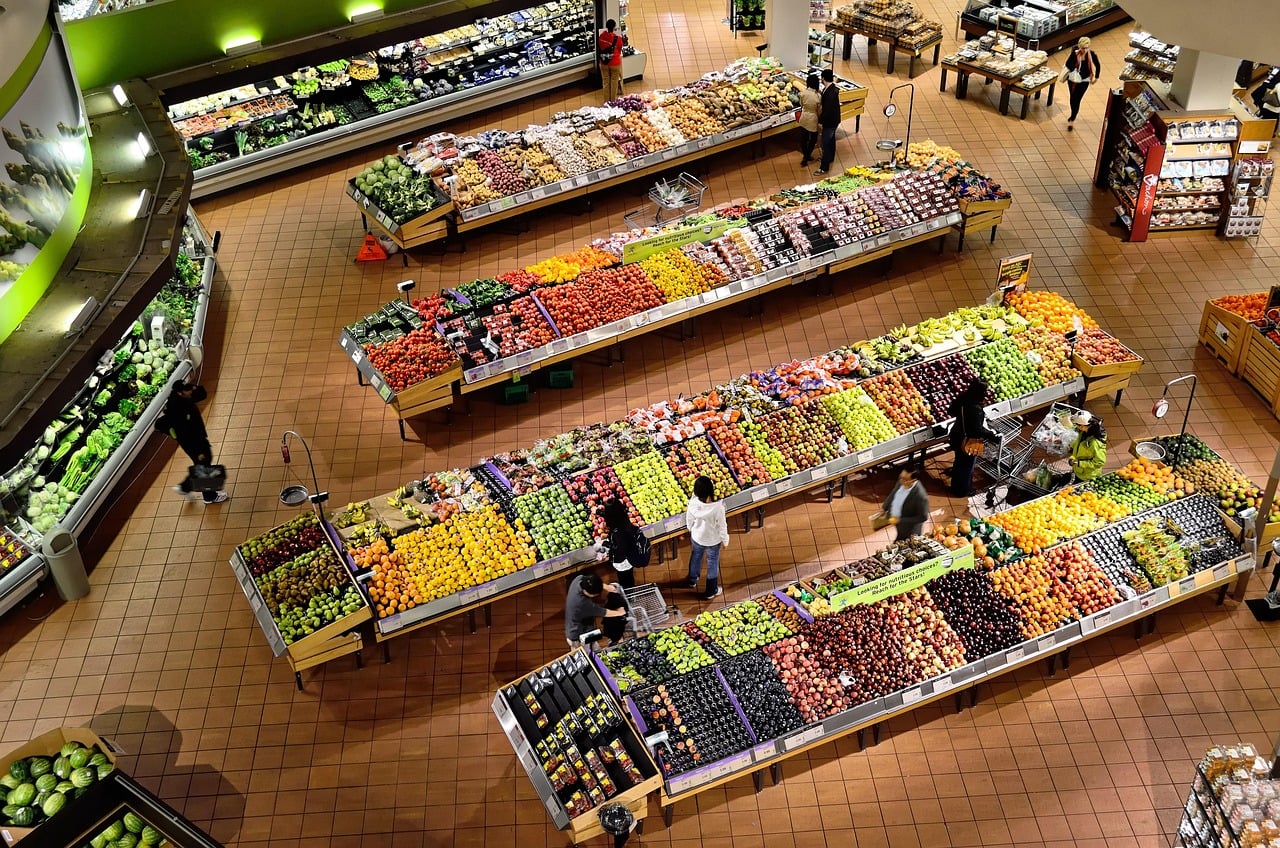
Trust has also been affected by concerns about concentration in the grocery business. Canada's market is dominated by a small group of large players, including Loblaw, Sobeys, Metro, Costco, and Walmart. When a handful of companies control so much shelf space, shoppers can feel they have limited power.
That concern has been amplified by political scrutiny and public debate over food inflation. Parliamentary hearings, headline coverage, and social media criticism have kept grocery pricing in the spotlight. Even when inflation slows, the memory of sharp increases can linger, especially if shoppers do not feel price relief at the checkout.
Shoppers still need grocers, but confidence is fragile
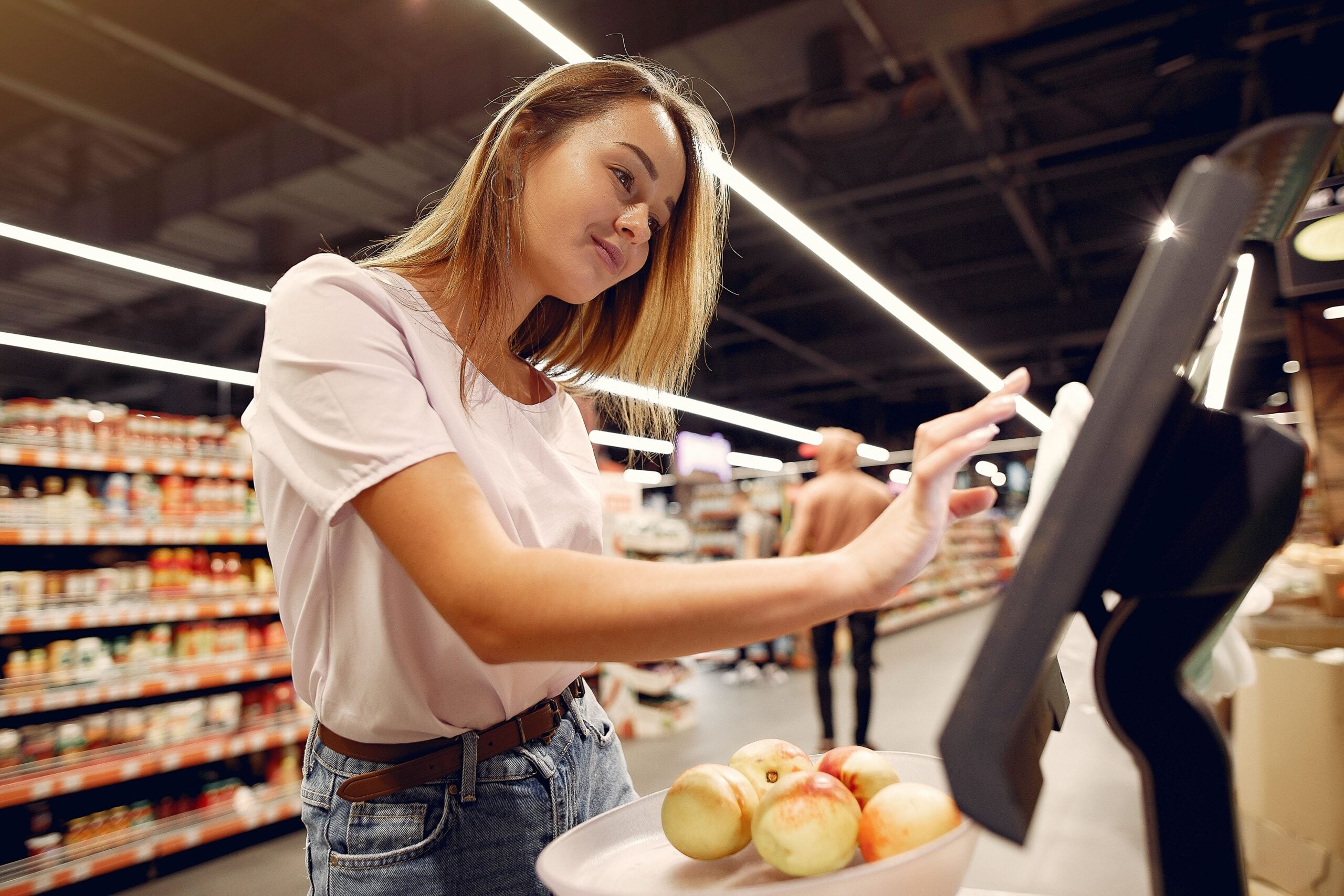
Canadians have not stopped using grocery stores, but the relationship looks more conditional than before. Most people still rely on the big chains for convenience, selection, and proximity. The issue is not abandonment. It is a weaker bond built on caution, comparison shopping, and lower goodwill.
The numbers point to a practical conclusion. Trust has not collapsed, but it has clearly eroded, and many Canadians now shop as if they expect less from major retailers. Until prices feel fairer and pricing feels clearer, grocery stores may keep customers, but not the confidence they once enjoyed.




Leave a Reply