
Canadians have been bracing for higher grocery bills for what feels like forever. Now, for the first time in months, many shoppers say they are finally seeing a little relief at the checkout.
A small drop, but an important shift

What makes this moment notable is not that groceries have suddenly become cheap again. It is that prices appear to have stopped climbing in the same relentless way that defined much of the past year. Statistics Canada has repeatedly shown food purchased from stores rising faster than many households could comfortably absorb, so even a slight decline carries weight.
Shoppers have been pointing to lower prices on pantry basics, produce specials, and more frequent in-store promotions. In many cases, the savings are modest rather than dramatic, but consumers tend to notice quickly when staples like bread, cereal, yogurt, and some vegetables stop rising week after week. That psychological break matters almost as much as the dollar amount.
Economists often caution that one softer month does not make a trend. Even so, a broad cooling in grocery inflation can signal that supply chains, transportation costs, and wholesale pricing are settling down. For families who have spent months changing shopping habits just to stay on budget, that is a meaningful development.
Why food prices may be easing now

A different tone is emerging in the food market because several inflation drivers have lost some intensity. Global shipping has become more predictable than it was during the worst supply bottlenecks, and fuel costs have not been pushing upward with the same force in every region. Those changes can lower the cost of moving food from producers to store shelves.
Seasonality is also playing a role. Fresh produce prices often soften when supply improves, especially as North American harvests pick up and imported dependency decreases in certain categories. When retailers can source more volume closer to home, the savings can sometimes filter through to consumers, particularly on fruits and vegetables.
Retail competition matters too. Canada's large grocers remain under intense scrutiny from shoppers and policymakers, and discount banners continue to attract price-sensitive households. In that environment, chains have strong incentives to expand promotions, emphasize private-label products, and hold the line on select essentials in order to protect customer loyalty.
Where Canadians are noticing the biggest changes
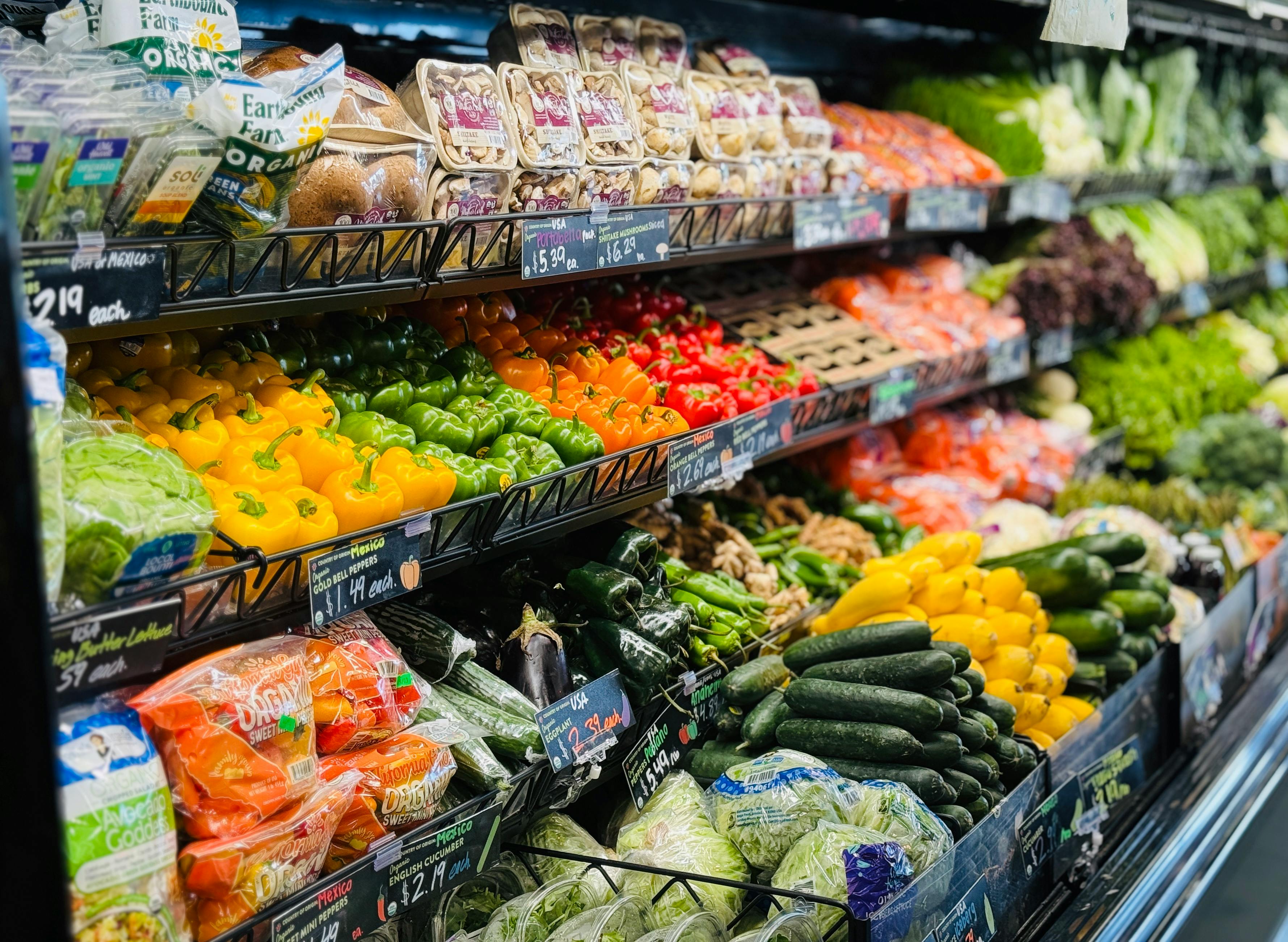
The clearest signs of relief are showing up in categories that swing with seasonal supply and retailer discounting. Produce is one of the most visible examples, with shoppers in some markets reporting better prices on lettuce, berries, tomatoes, and cucumbers than they saw earlier in the year. Dairy promotions have also become easier to find in some stores.
Packaged goods are a more mixed picture, but there are signs of stabilization. Items such as pasta, canned goods, breakfast foods, and snacks may still be expensive compared with pre-inflation norms, yet the pace of increase seems to be slowing. In practical terms, that means shoppers are less likely to be surprised by a familiar product suddenly costing another dollar more.
Meat remains one of the toughest categories for household budgets. Beef in particular is still under pressure because of herd reductions, feed expenses, and weather-related effects on supply. Chicken and pork can offer better value depending on the region, which is why many budget-conscious consumers continue to shift protein choices week by week.
Why relief still feels limited for many households

There is a simple reason the mood is cautious. A small monthly decline does not erase the cumulative increase Canadians have already absorbed over the past few years. If a cart that once cost $150 climbed to $200, a slight dip from there still leaves families paying far more than they did before inflation accelerated.
Income growth has not fully solved the problem. Many households are also juggling high rent or mortgage payments, elevated borrowing costs, and pricier utilities, so any grocery savings can be swallowed up elsewhere. For lower-income Canadians especially, food affordability remains one of the most immediate financial pressures in daily life.
Another factor is uneven pricing. A shopper may save on produce and breakfast items but still face steep prices in meat, baby formula, or household essentials. That unevenness is why many consumers say grocery bills feel volatile rather than truly lower, even when headline inflation data shows some improvement.
What experts are watching next
Analysts will be looking closely at whether this dip broadens across more categories or proves temporary. Weather disruptions, currency movements, and geopolitical shocks can all feed back into food prices quickly. Because Canada imports a significant share of certain foods, exchange-rate weakness can offset some of the gains from lower global commodity costs.
Another key indicator is retailer behavior. If major chains continue using aggressive promotions and loyalty offers, shoppers could see continued relief in the near term. If those promotions fade or suppliers push through new cost increases, the pause in grocery inflation may end as quickly as it began.
Central bank policy also shapes the backdrop. While interest rates do not directly price a loaf of bread, they influence consumer demand, business borrowing, and the broader inflation environment. A steadier economy with cooling inflation generally creates better conditions for food prices to normalize, even if that process remains gradual.
What this means for shoppers right now

For consumers, the practical takeaway is clear: this is welcome news, but it is not a return to old prices. Shoppers can benefit most by staying flexible, comparing banners, and leaning into sale cycles that are becoming a bit more favorable. Even a softer inflation environment still rewards careful planning.
Households are likely to keep using the strategies that helped them through the worst of the surge. That includes buying store brands, freezing discounted items, checking unit prices, and building meals around what is on sale rather than shopping from habit. Those behaviors are now deeply embedded in how many Canadians manage food spending.
Still, even modest relief can improve confidence. When consumers begin to feel that grocery prices are at least stabilizing, it changes how they plan the week and the month ahead. After a long stretch of frustration at the checkout, that small shift may be the first real sign that food inflation is finally losing momentum.




Leave a Reply