
Few snacks have a stranger backstory. The graham cracker started as a moral prescription, not a treat.
A cracker born from a preacher's warning

The graham cracker traces back to Sylvester Graham, a Presbyterian minister active in the early 1800s. He became famous for promoting strict habits he believed would preserve health, discipline, and moral purity.
Graham argued that rich food overstimulated the body and inflamed dangerous appetites. In his view, spicy meats, alcohol, refined flour, and indulgent desserts encouraged physical desire and weakened self-control.
His answer was a plain, coarse diet built around whole grains, vegetables, and simple preparation. What later became the graham cracker grew out of that larger program, which was less about pleasure than restraint.
Sylvester Graham's larger health crusade

Graham was not merely selling a recipe. He was leading a reform movement during an era when Americans were increasingly interested in temperance, dietary reform, hydrotherapy, and religious ideas about bodily discipline.
According to food historians, Graham believed the body and soul were tightly connected. If people ate bland, minimally processed food, he thought they would think more clearly, behave more ethically, and avoid what he saw as destructive sexual urges.
His followers, sometimes called Grahamites, embraced whole wheat bread made from coarsely ground flour now known as graham flour. That flour was central to his system because it retained parts of the grain removed by refined milling.
The original graham cracker was nothing like today's version
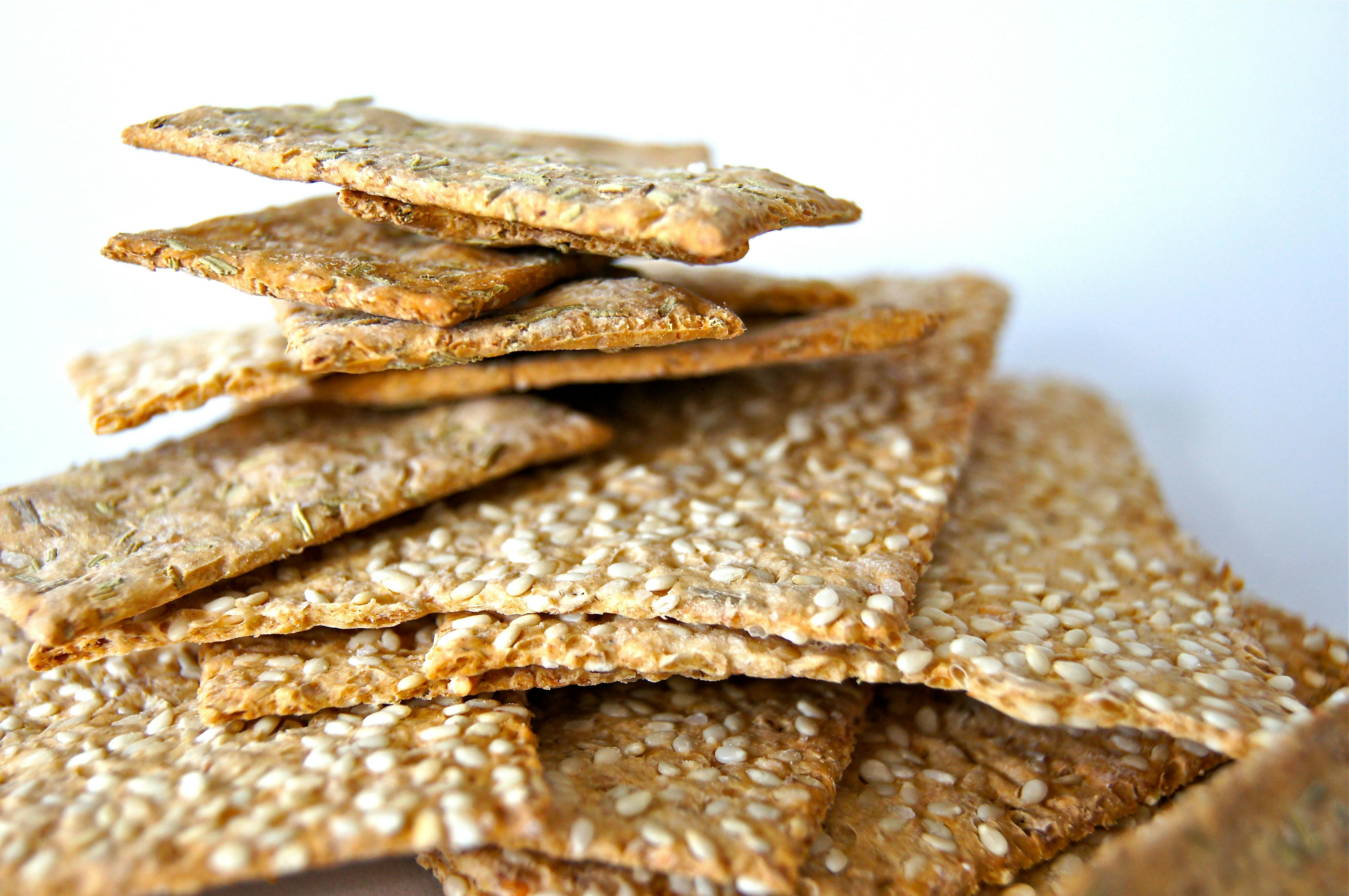
Modern graham crackers are sweet, crisp, and often flavored with honey or cinnamon. The earliest versions were much plainer, closer in spirit to hard biscuits or dense whole grain wafers than to a dessert ingredient.
They were intentionally unexciting. That was the point. Graham believed foods should nourish without stimulating excess pleasure, because pleasure itself could lead the mind and body toward indulgence.
This difference matters because it explains the historical irony. A product invented to discourage sensuality eventually became associated with pie crusts, s'mores, cheesecake bases, and lunchbox snacking.
Why suppressing desire seemed medically believable then
To modern readers, Graham's theory can sound bizarre or comic. Yet in the 19th century, many reformers sincerely believed diet strongly shaped moral character, emotional balance, and sexual behavior.
Medical knowledge was limited, and health advice often mixed religion, philosophy, and emerging science. Reformers warned against masturbation, overeating, strong drink, and luxurious living, often treating them as connected threats to individual and social order.
Within that climate, a bland whole grain cracker fit a wider ideology of self-denial. Graham's dietary teachings were extreme, but they did not seem isolated in a culture already primed for moralized health rules.
From austere health food to American comfort snack

Graham himself did not create the sugary commercial cracker sold in stores today. After his death in 1851, bakers and food companies adapted the concept, gradually turning graham-based products into something far more marketable.
By the late 19th and early 20th centuries, industrial food production made packaged crackers widely available. Manufacturers sweetened them, refined their texture, and repositioned them from reform food into a convenient household staple.
That transformation reflects a familiar pattern in food history. Products born in strict health cultures often get softened for mass appeal, especially when taste, portability, and branding matter more than the original philosophy behind them.
The legacy of Graham's idea still lingers

Sylvester Graham's broader beliefs are no longer accepted as serious sexual medicine. Still, his emphasis on whole grains and less refined flour anticipated parts of later nutrition thinking, even if his moral claims were deeply flawed.
His story also reveals how often Americans have linked food to virtue. From clean eating to detox trends, diets are still regularly sold as paths to purity, discipline, and better behavior, not just better health.
That makes the graham cracker more than a curious trivia fact. It is a reminder that everyday foods can carry hidden histories of fear, reform, commerce, and cultural change long after their original purpose disappears.




Leave a Reply