
Food names are supposed to help. In Canada, some of the most famous ones do the exact opposite.
Ginger beef started with texture, not spice

At first glance, ginger beef sounds straightforward: beef flavored prominently with ginger. Yet the Calgary-born Chinese Canadian dish was originally defined more by technique than by that ingredient. Food historians and restaurant accounts often trace it to the 1970s at the Silver Inn in Calgary, where chefs adapted northern Chinese methods for local tastes, creating crisp strips of beef in a sweet, sticky sauce.
Early versions emphasized deep-fried shredded beef, a glossy sauce, and a balance of sweetness, heat, and acidity. In many retellings from chefs connected to the dish's origin, ginger was light or even absent, especially compared with the amount diners would expect from the name. The title likely helped communicate "Chinese-style flavor" to customers more than it described a dominant ingredient.
That mismatch reveals how restaurant naming often works. A dish needs to sound familiar enough to order, memorable enough to market, and broad enough to survive variations. Today many recipes do include ginger, but the name still points to a culinary identity formed by adaptation rather than strict accuracy.
Sweetbreads are neither sweet nor bread
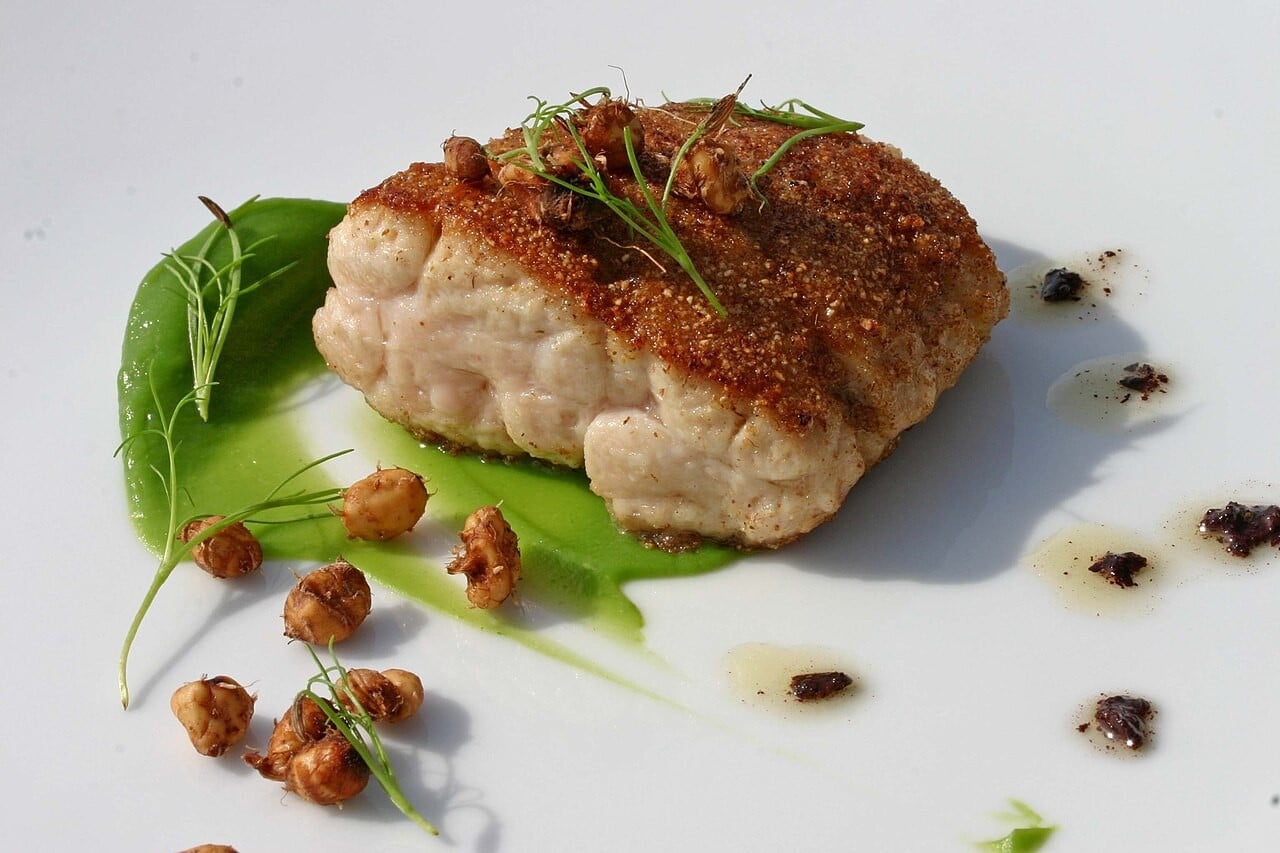
This may be the most notorious food name in the English language, and Canada never corrected it. Sweetbreads are organ meats, usually the thymus or pancreas of calves or lambs. They are delicate, rich, and prized in French cooking, especially in Quebec's restaurant tradition, but there is nothing sugary or bakery-like about them.
The "sweet" portion likely referred historically to mild flavor, while "bread" came from old usages tied to flesh or morsels rather than modern loaves. That older language survived long after its logic disappeared from everyday speech. By the time sweetbreads appeared on menus across Canada, the phrase already needed translation for most diners.
Chefs still keep the classic name because it signals refinement and continuity. In practice, though, it remains a small linguistic trap. Anyone expecting dessert or pastry gets an immediate lesson in how culinary vocabulary can outlive common sense.
Head cheese is meat jelly, not cheese
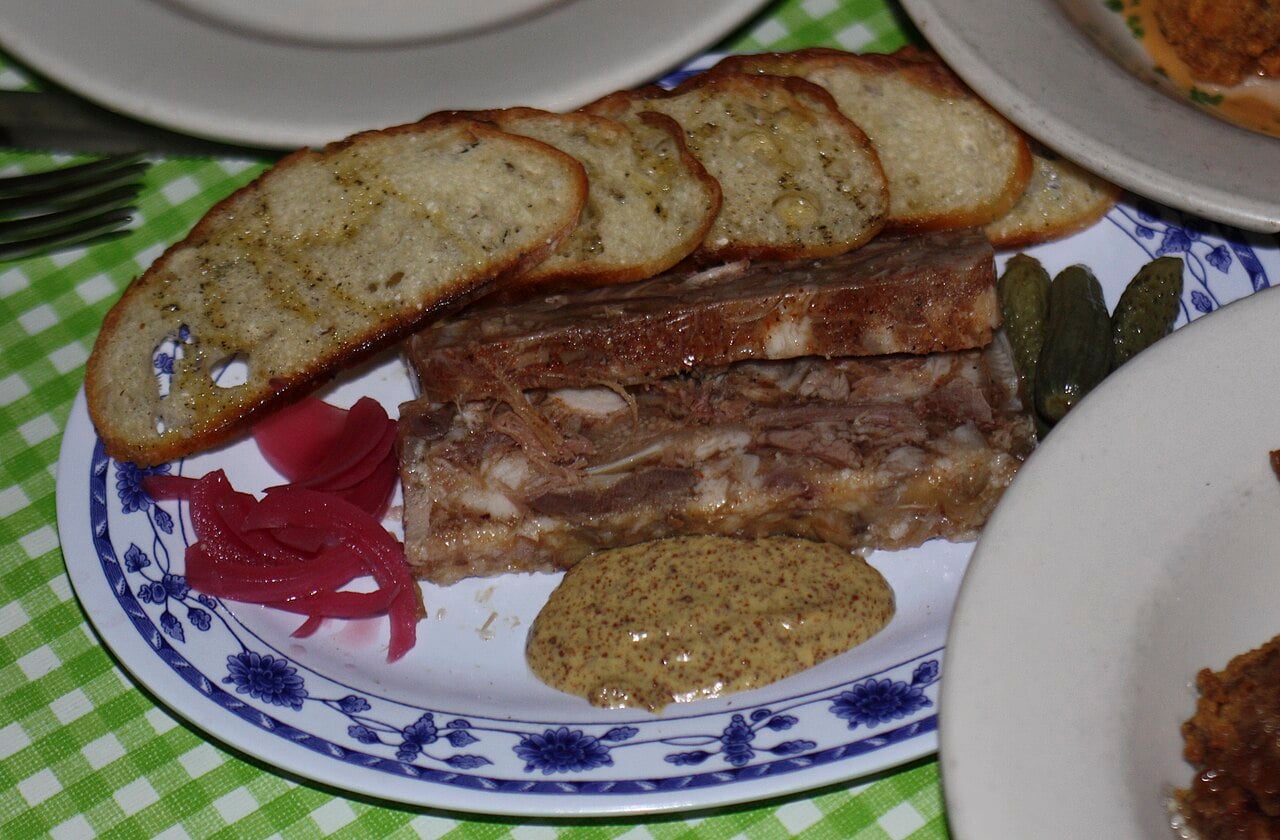
The first surprise in head cheese is that it contains no cheese at all. The second is that it can be excellent when made well. Found in parts of Ontario, the Prairies, and communities with strong Eastern European or German heritage, head cheese is a terrine made from meat from a pig's or calf's head, set in natural gelatin.
The "cheese" in the name comes from shape and slicing style, not dairy. Historically it was pressed into molds or loaves and cut into firm pieces, much like a cheese wheel or block. In farmhouse cooking, the dish reflected thrift, using collagen-rich cuts that transformed into something stable, portable, and flavorful.
Its confusing name shows how old food terms often describe appearance rather than ingredients. That made sense in earlier food cultures where people saw production up close. Modern shoppers, separated from those traditions, hear "cheese" and understandably imagine the wrong aisle entirely.
Butter tarts are not really about butter
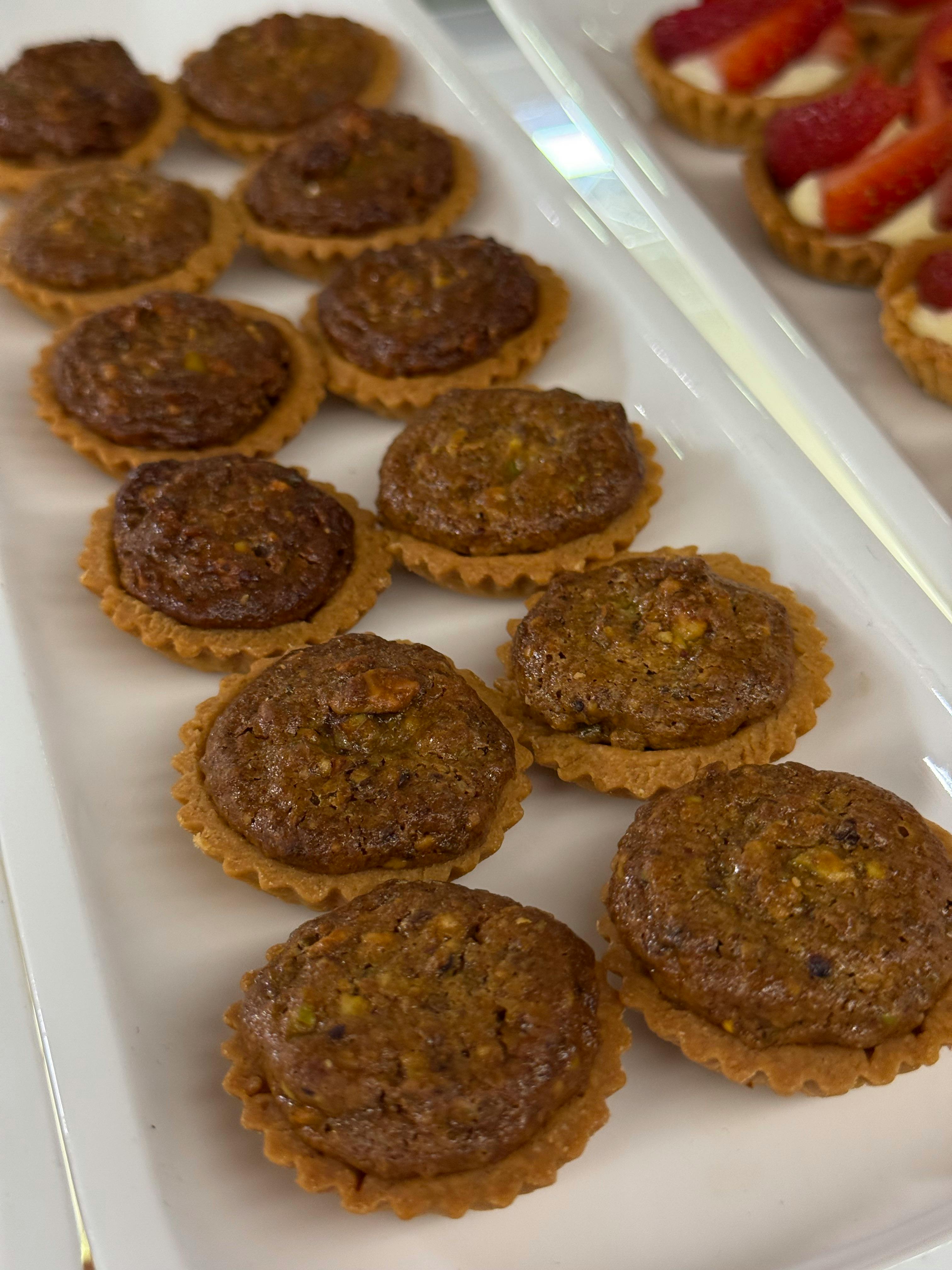
Butter tarts are a Canadian icon, especially in Ontario, but their name oversimplifies what matters most. The filling does contain butter, yes, but the tart's identity depends just as much on sugar, syrup, eggs, and texture. What people argue about is not the butter level but whether the center should be runny, firm, or somewhere between.
The name likely stuck because "butter" once suggested richness, quality, and indulgence. In older home baking, that was powerful shorthand. A butter tart signaled a treat made from valued pantry ingredients, even if butter was only one part of a larger filling chemistry that creates the tart's caramelized interior.
Regional debates make the label even less precise. Add raisins, pecans, or walnuts and people still call it the same thing. The tart's fame rests on its structure and cultural memory, not on a butter-forward flavor in the way the name implies.
Saskatoon berries are named after a place and vice versa
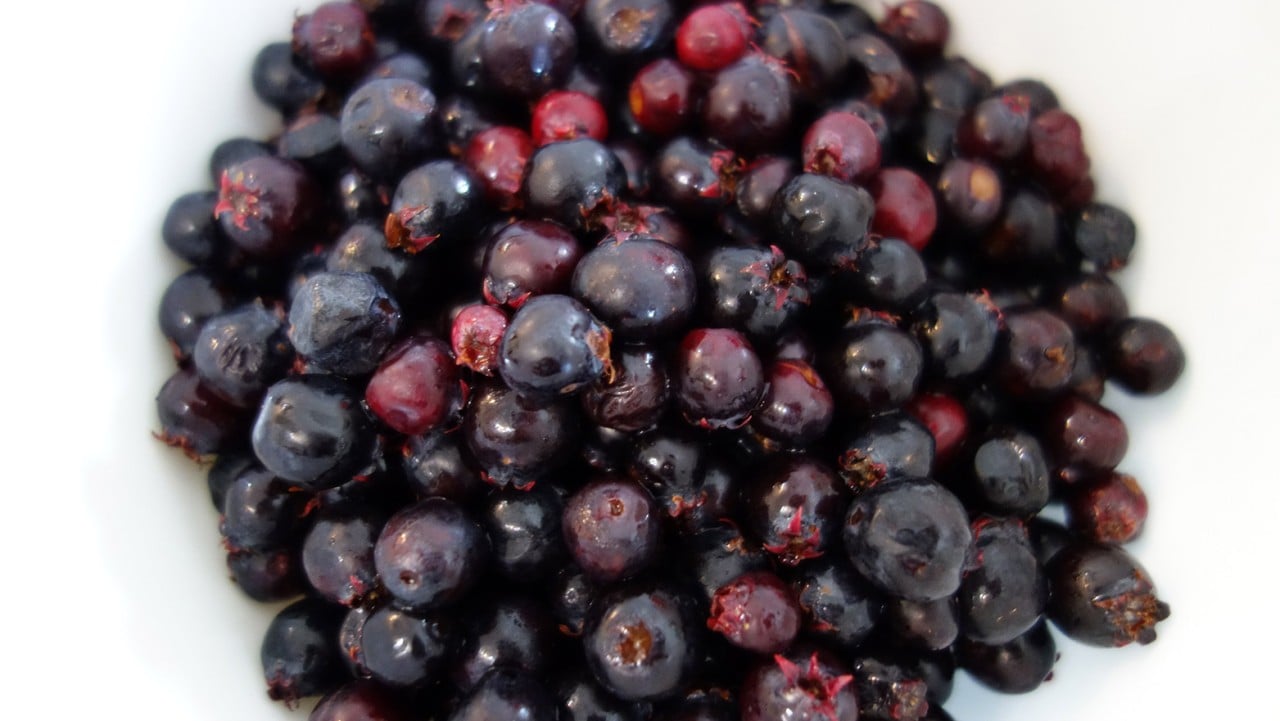
Here the confusion runs in two directions. Many people assume Saskatoon berries were invented, cultivated, or first made famous in the city of Saskatoon. In fact, the fruit long predates the city and is native across much of western North America. Indigenous peoples harvested and dried the berries for generations, including for use in pemmican.
The city's name is widely understood to derive from the Cree word misaskwatomin, referring to the berry. Over time, the place took the berry's name rather than the other way around. That means the familiar phrase "Saskatoon berry" can sound like a geographic branding exercise even though it reflects a much older botanical and Indigenous history.
This is less a mistaken name than a misunderstood one. The wording hides the sequence of history. What sounds like a civic product is actually a reminder that landscape, language, and food were linked long before modern Canadian cities existed.
Hawaiian pizza is Canadian, not Hawaiian
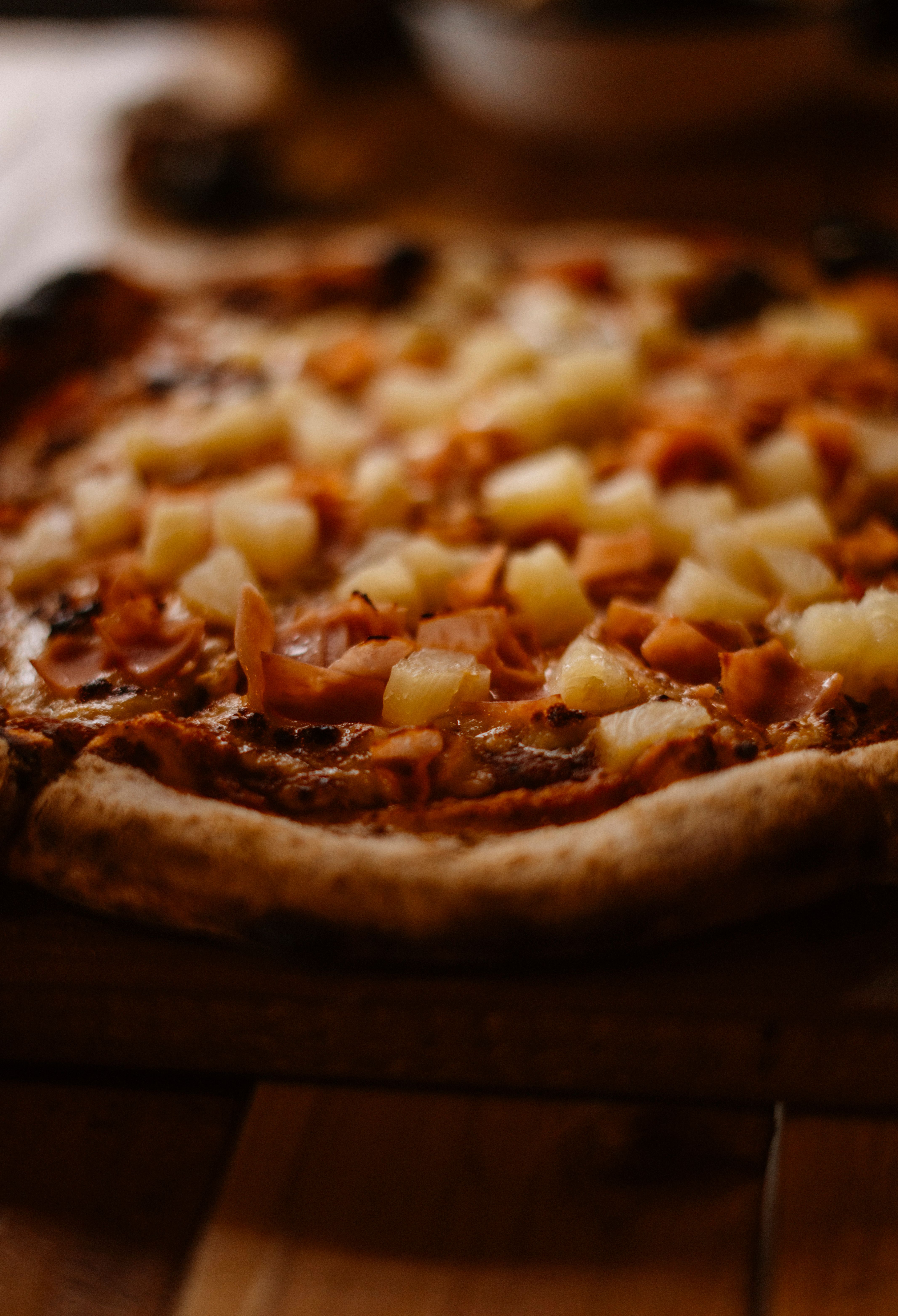
Few food names create more instant confusion than Hawaiian pizza. It was not born in Hawaii, and its core identity has little to do with Hawaiian culinary tradition. According to widely cited accounts, Greek Canadian restaurateur Sam Panopoulos created it in Chatham, Ontario, in 1962, adding canned pineapple and ham to pizza during an era of culinary experimentation.
The "Hawaiian" label came from the brand name on the pineapple can, not from the recipe's origin. That detail matters because it shows how packaging and marketing can shape culinary memory. A supermarket word became a permanent restaurant category, and the name traveled globally detached from its Canadian roots.
Today the dish sits at the intersection of immigration, convenience foods, and postwar dining habits. Its misleading title has become part of its staying power. In one phrase, it captures how Canadian food often emerges: hybrid, practical, and more inventive than the name lets on.




Leave a Reply