
A grocery run and a restaurant pickup stopped being separate errands. That was the promise behind Ghost Kitchen Brands' ambitious partnership with Walmart Canada.
Why the Walmart Canada Deal Drew Attention
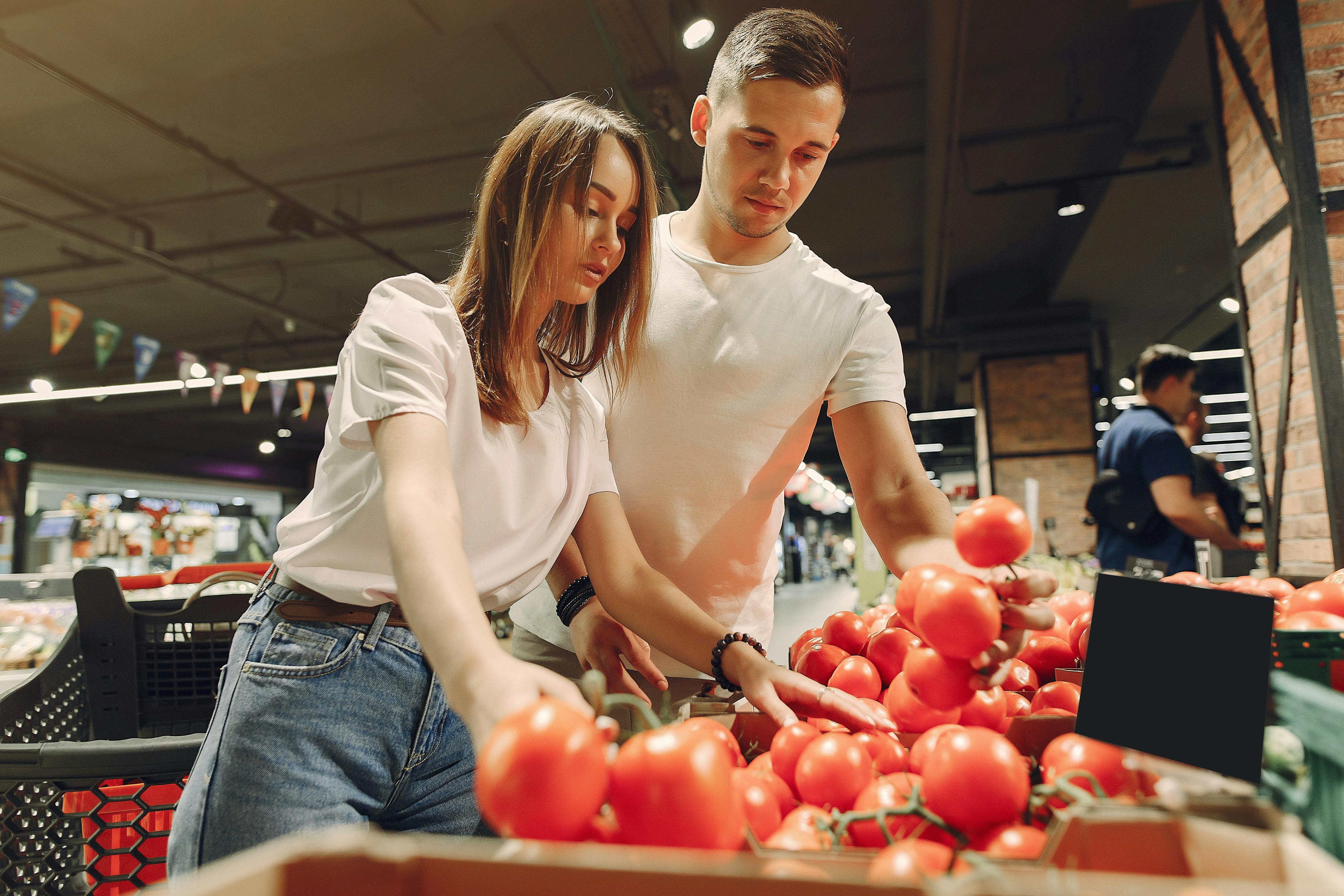
At its core, the partnership was a retail experiment built around convenience. Ghost Kitchen Brands opened foodservice counters inside select Walmart Canada locations, allowing shoppers to order from a long list of restaurant brands while buying groceries, household goods, and pharmacy items in the same trip. That single-stop proposition mattered at a time when consumers had become used to app-based ordering and faster meal decisions.
What made the concept stand out was its scale. Instead of housing one in-store restaurant, the setup offered access to 20+ brands from one production point. Customers could order burgers, wings, salads, breakfast items, or desserts without each chain needing its own separate storefront, kitchen team, and lease.
The partnership also reflected a wider post-pandemic shift in food retail. According to reporting from Reuters and industry trade coverage at the time, operators were looking for lower-cost expansion models, and big-box retailers were searching for fresh ways to increase store traffic. Ghost kitchens inside Walmart sat directly at that intersection.
How the Ghost Kitchen Model Worked in Practice

This was not a traditional food court with multiple branded stalls. Ghost Kitchen Brands typically ran one consolidated kitchen capable of preparing menu items from many restaurant partners, then presented those brands through digital ordering screens and pickup counters. The customer saw choice and brand familiarity, while the operator managed production from a shared back-of-house system.
That model mattered financially. Restaurant brands could enter new markets without building full dine-in locations, and Walmart could add a food attraction without the complexity of managing many separate tenants. Shared labor, shared equipment, and a compact footprint helped make the math more attractive than old-style mall food service.
For shoppers, the appeal was straightforward. A family could combine different preferences in one order, such as wings for one person, a grilled sandwich for another, and dessert for everyone else. In an era when group ordering had become common through delivery apps, this kind of mixed-brand basket mirrored how people were already eating.
The 20+ Brands Strategy and Why It Was Important
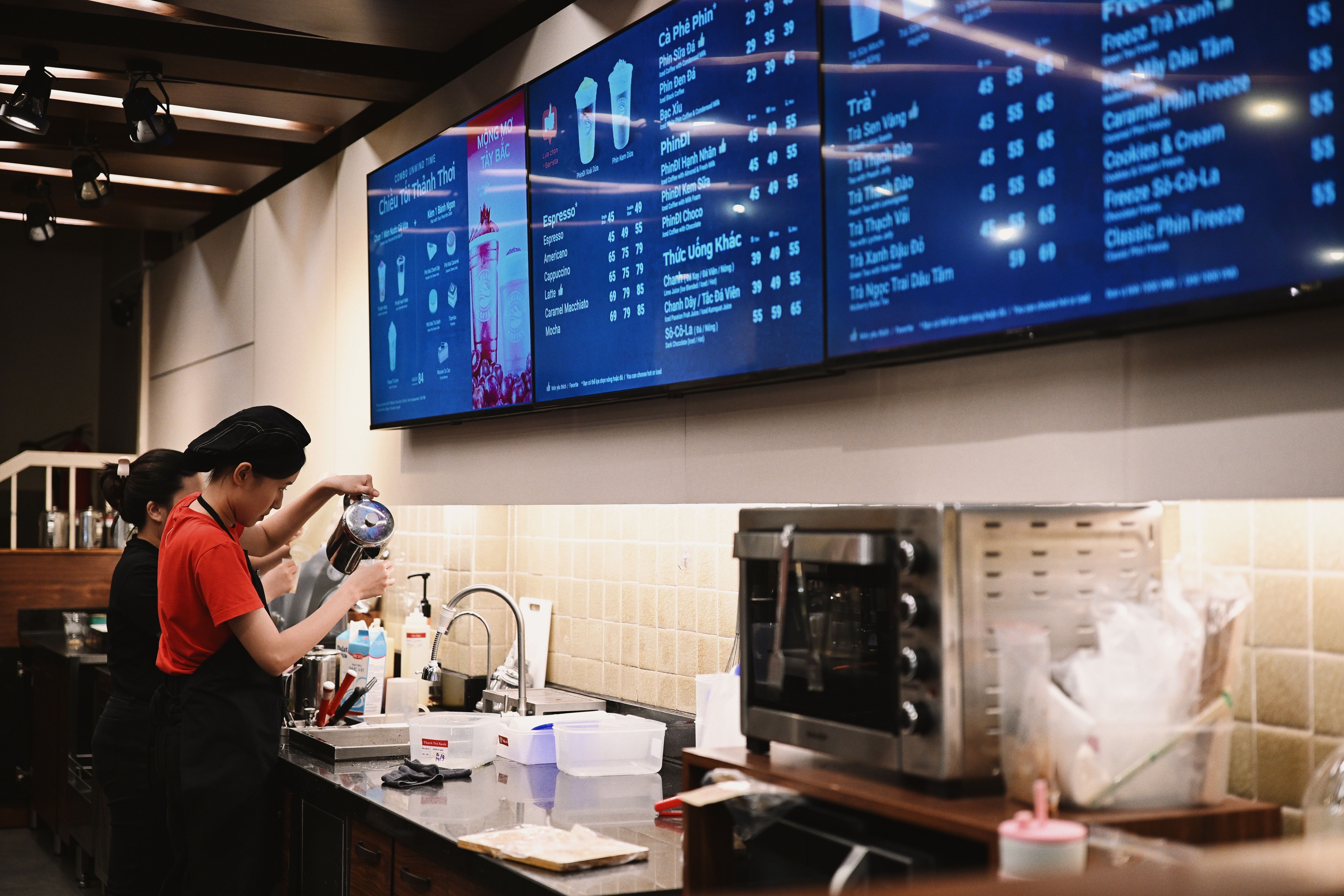
The multi-brand lineup was the heart of the concept. Ghost Kitchen Brands worked with recognizable restaurant names so customers would not feel like they were trying an unknown in-house café. Familiar branding reduces hesitation, especially in a grocery environment where meal decisions are often fast and practical rather than leisurely.
A broad menu also expanded the daypart opportunity. Breakfast, lunch, dinner, snacks, and late-day pickup could all be addressed from the same kitchen, improving utilization across more hours. That kind of all-day relevance is valuable in a Walmart setting, where traffic patterns stretch from early household shopping to evening convenience stops.
There was also a strategic branding benefit for partner restaurants. A chain that lacked a strong physical footprint in certain Canadian markets could still appear in front of Walmart shoppers and delivery customers. In that sense, the kitchen became both a revenue channel and a low-risk marketing vehicle.
What Walmart Canada Stood to Gain
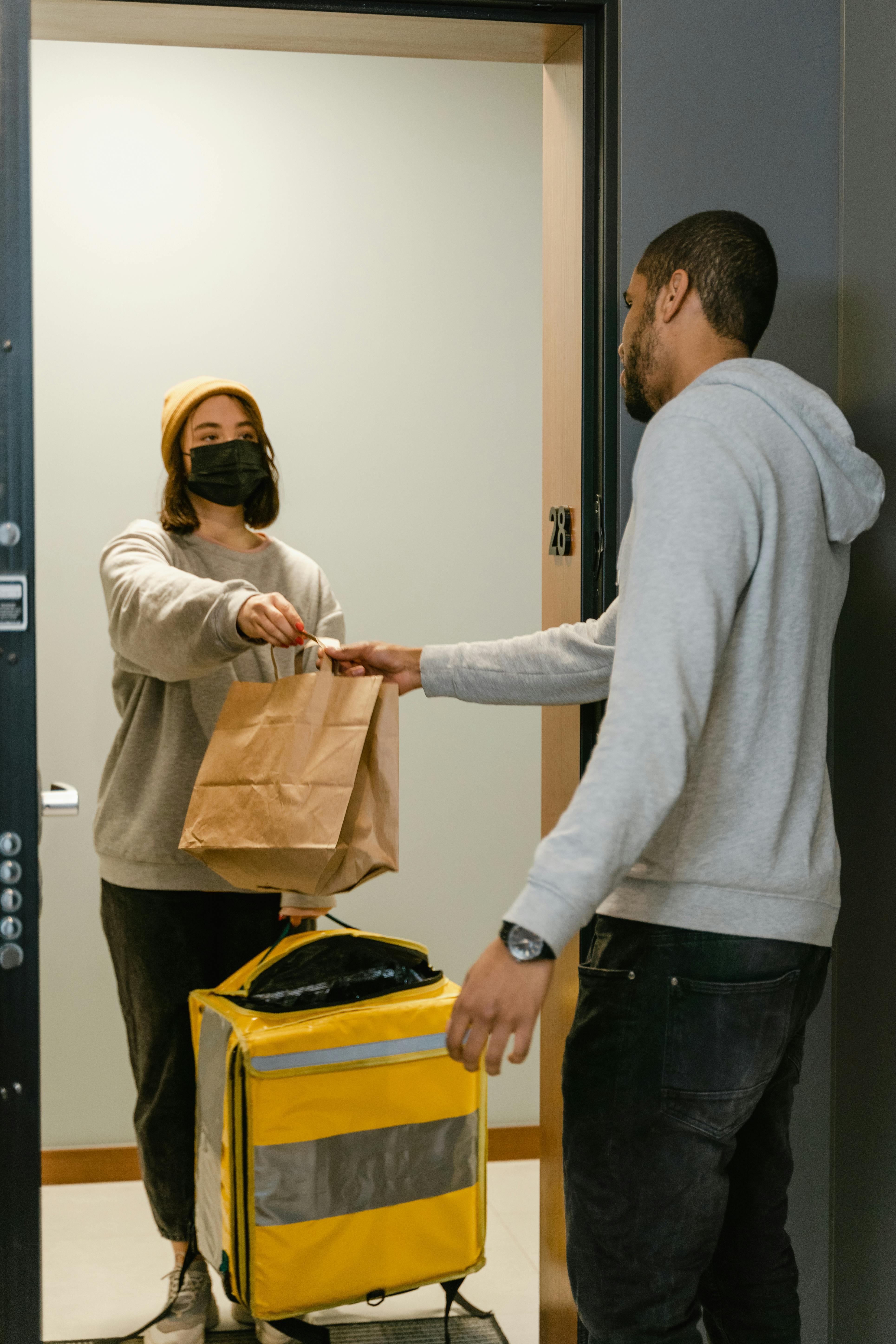
For Walmart Canada, the partnership was about more than adding hot food. It supported a broader retail idea that stores should function as service hubs, not just shelves and checkout lanes. Ready-to-eat meals can increase dwell time, create impulse purchases, and give shoppers another reason to choose one retailer over another.
The timing made sense. Grocery competition in Canada has long been intense, and every major chain looks for ways to build loyalty beyond price. By offering branded restaurant meals on-site, Walmart could make its stores feel more useful for busy families, commuters, and last-minute dinner planners.
There was also an omnichannel angle. Orders could serve walk-in shoppers, pickup customers, and in some cases delivery demand. That flexibility aligned with the larger retail trend of blending physical stores with digital fulfillment, a model that has reshaped everything from groceries to general merchandise.
The Challenges Behind the Ambitious Expansion
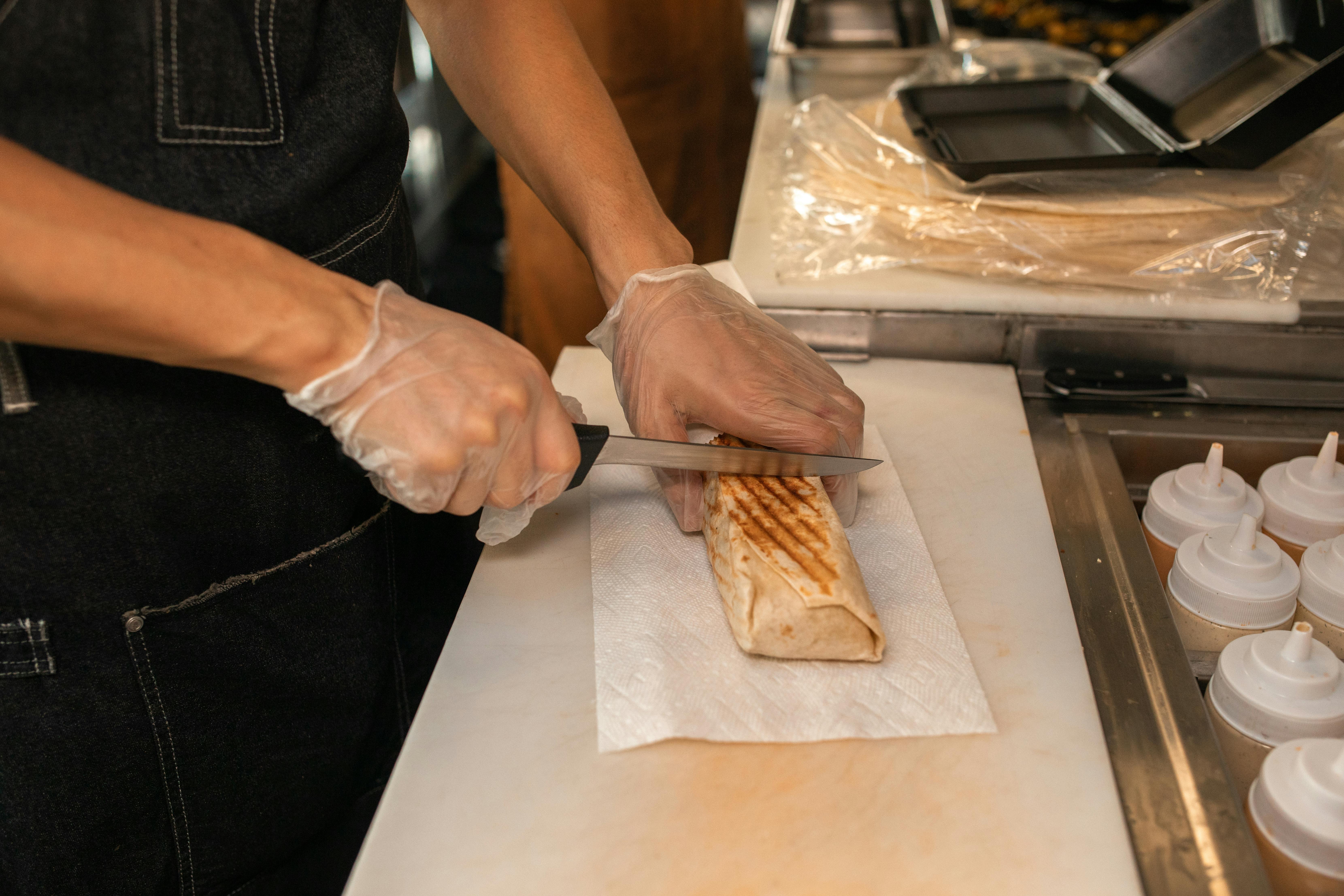
The idea was clever, but execution in foodservice is rarely simple. Running many restaurant menus out of one kitchen can create operational strain, especially when different brands require distinct ingredients, prep methods, hold times, and quality standards. Consistency becomes the real test, not just menu variety.
Consumer understanding was another hurdle. Ghost kitchens work well in delivery apps where users browse by brand, but inside a store, the concept needs clear signage and a smooth ordering process. If shoppers do not immediately grasp what is available or how long it takes, curiosity can quickly turn into confusion.
Profitability pressures also matter. Labor costs, food inflation, and uneven traffic can challenge even well-designed quick-service operations. A big partnership may generate headlines, but sustained success depends on repeat orders, dependable throughput, and menu engineering that keeps complexity from overwhelming margins.
What the Partnership Signaled for Food Retail

Even beyond its individual store rollout, the Walmart Canada deal captured a larger industry lesson. Retailers and restaurant operators increasingly want flexible formats that lower capital risk while meeting consumers where they already are. The boundary between grocery, convenience, and prepared food has been narrowing for years, and this model pushed that trend further.
It also showed how brand distribution is changing. A restaurant no longer needs a dining room on a busy street to reach customers at scale. It can appear inside a supermarket, on a delivery app, or within a hybrid fulfillment space that serves several channels at once.
Whether every location performed equally well is less important than what the experiment represented. Ghost Kitchen Brands and Walmart Canada tested a future in which shopping and dining become part of the same ecosystem, built around speed, choice, and efficiency.




Leave a Reply