
Grocery trends often show up in small ways first, a new freezer case here, a reformulated cereal there, a snack label that suddenly mentions fiber or fat quality. By 2027, those small shifts could add up to a noticeably different grocery aisle, shaped by convenience, nutrition concerns, and tighter household budgets.
Frozen meals move beyond the backup plan
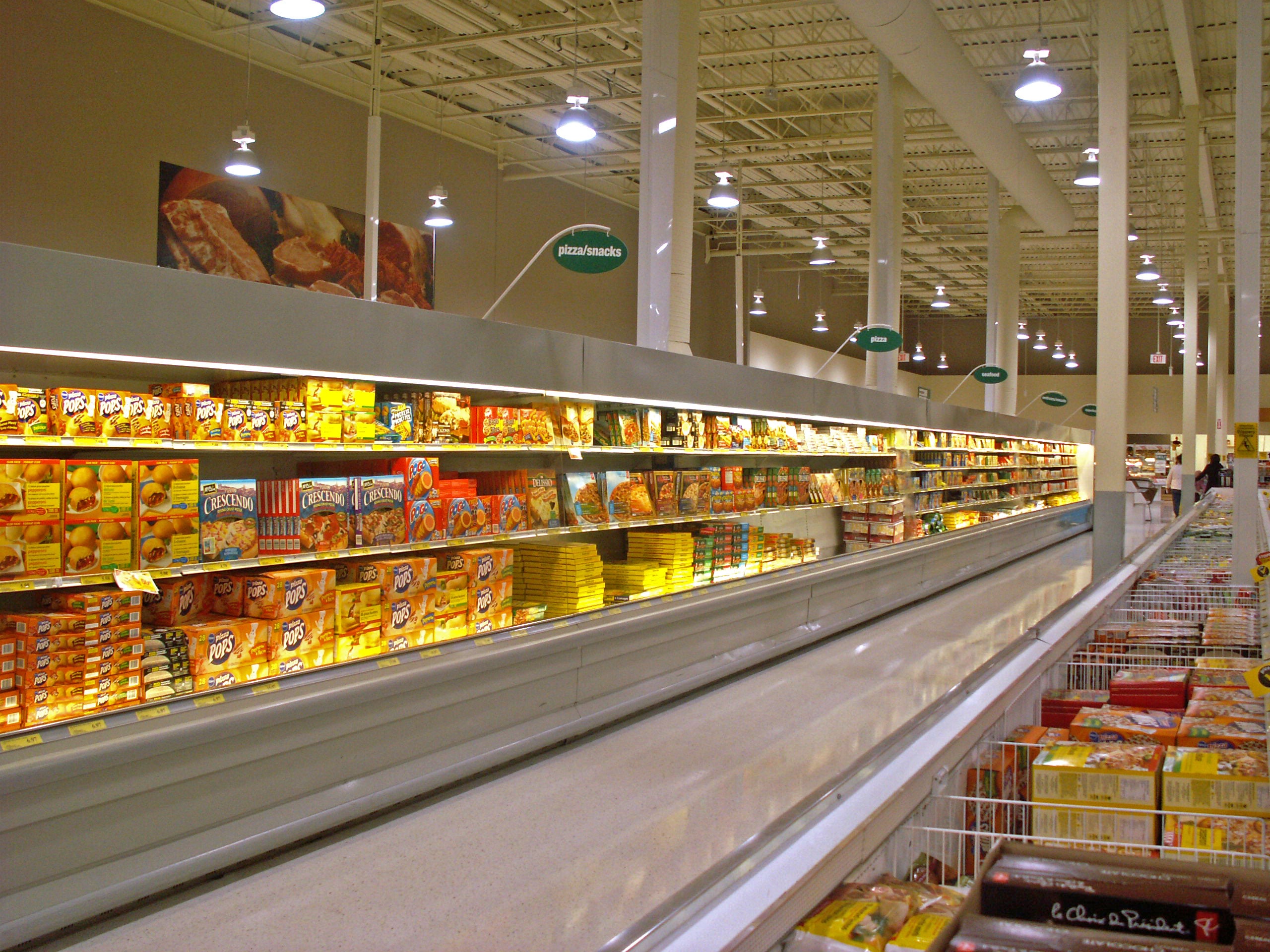
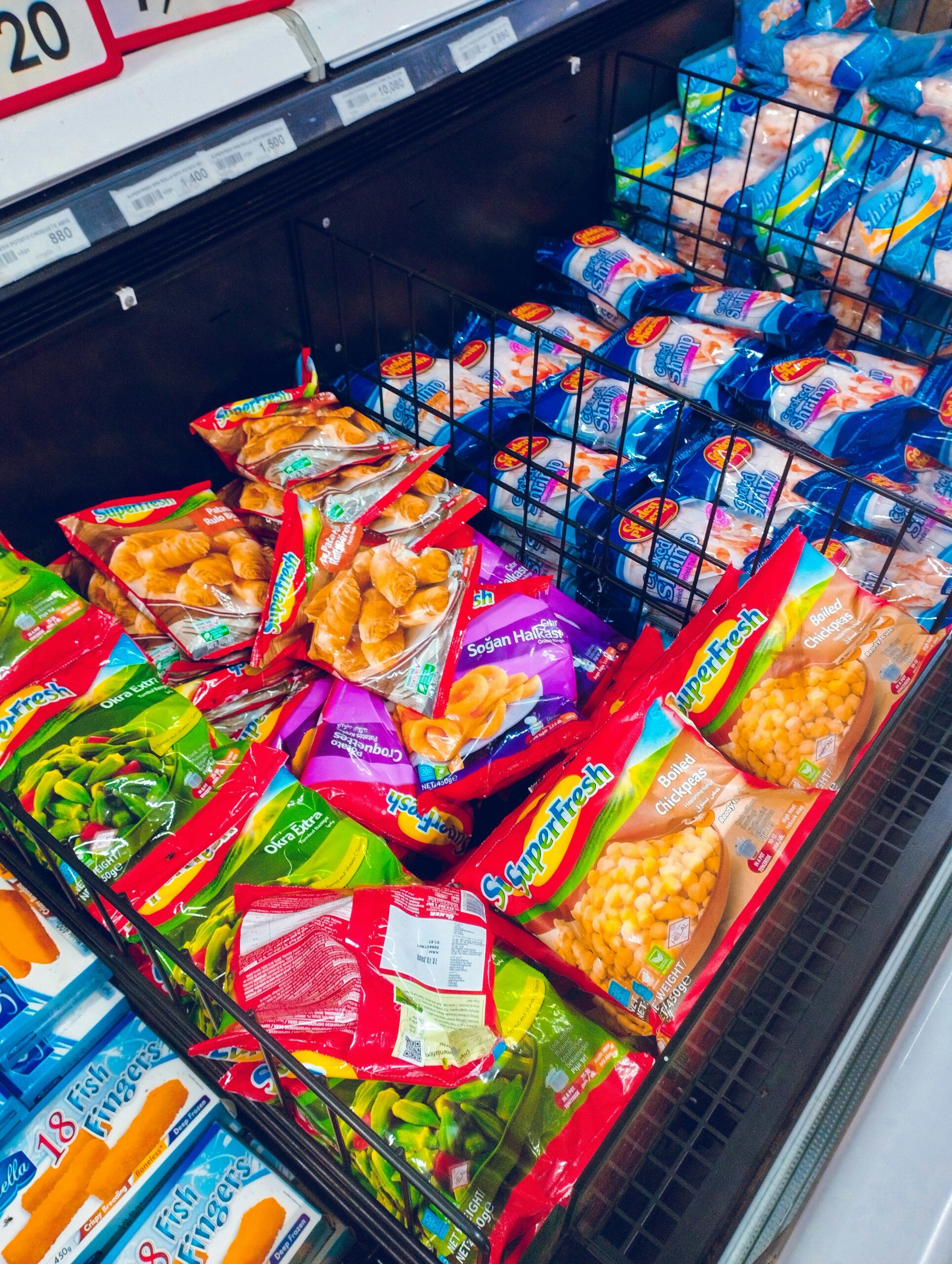
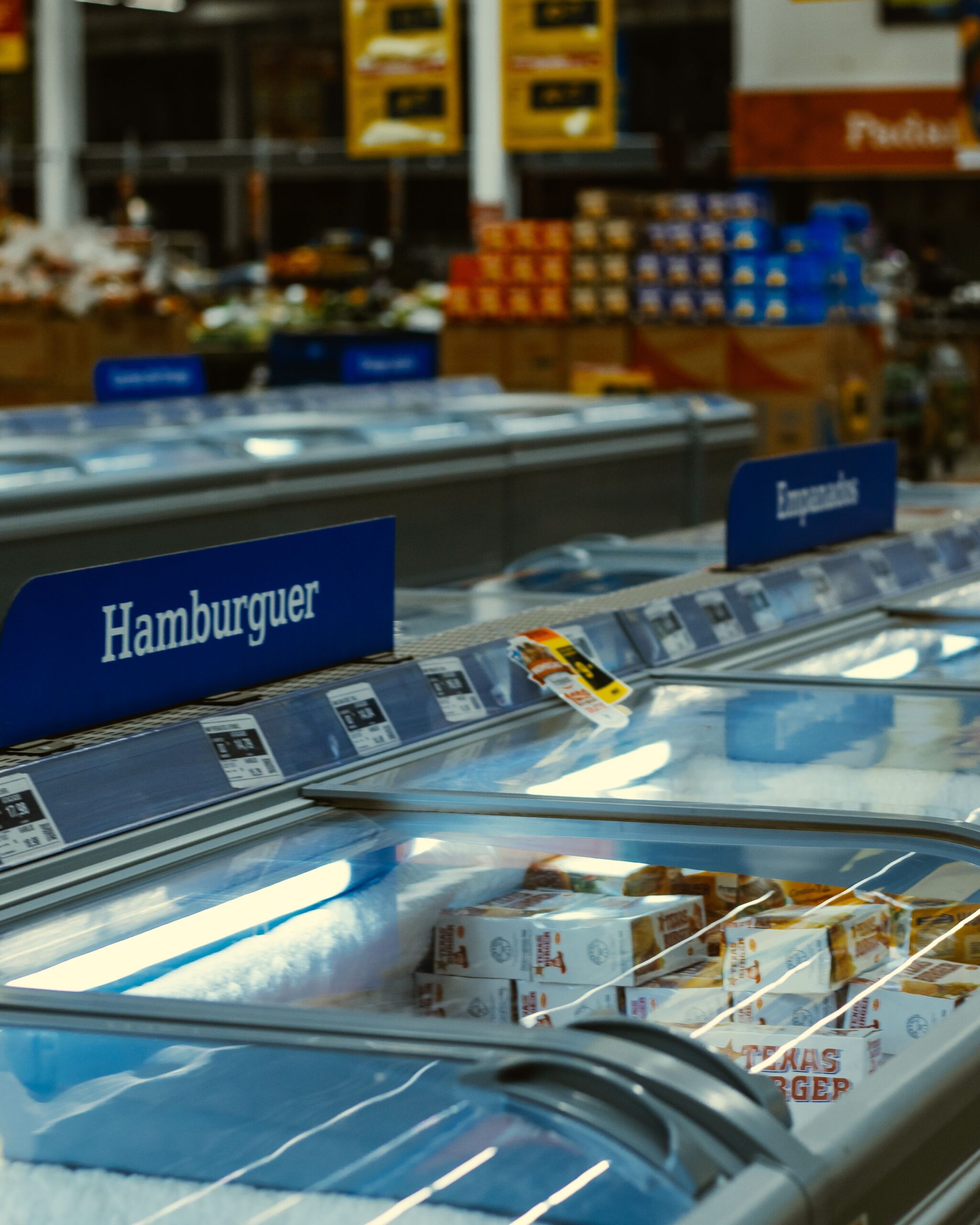
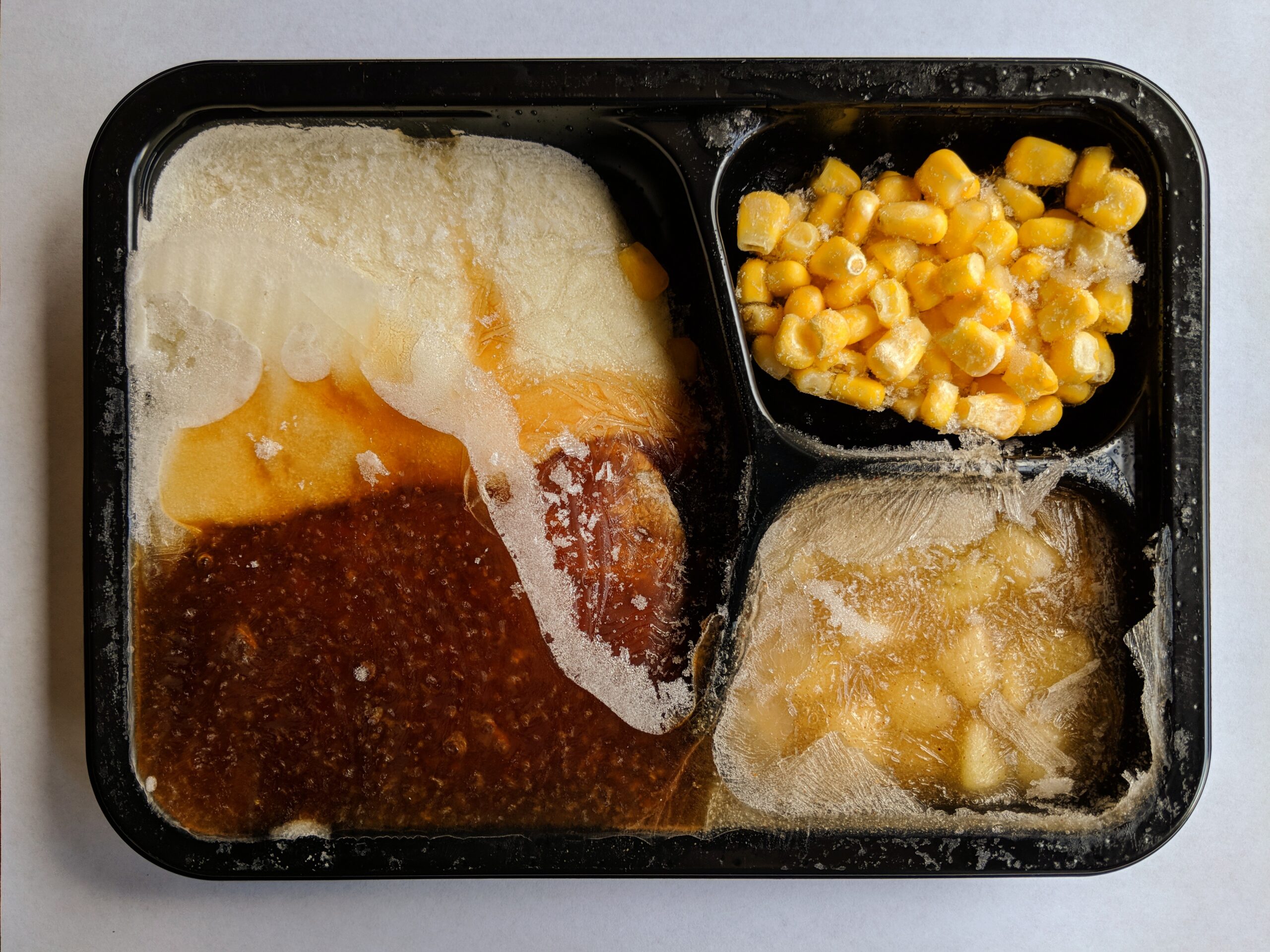
Frozen food has long been treated like an emergency option, but that image has been changing as shoppers look for meals that save time and reduce waste. Freezing helps preserve food for longer, which can matter for households trying to stretch a budget and avoid throwing away fresh ingredients before they are used.
Brands and retailers have been responding with more complete frozen meals, global flavors, and options built around vegetables, grains, and lean proteins. The appeal is not just convenience. Frozen products can offer portion control, predictable pricing, and easier meal planning, three factors that become more important when food costs stay top of mind.
By 2027, expect frozen aisles to compete more directly with deli counters and takeout. A stronger mix of premium entrées, breakfast items, and better-for-you snacks could make the freezer section feel less like a fallback and more like a routine stop.
Fiber becomes a front-of-pack selling point
Fiber used to be a quiet nutrition detail, often associated with bran cereal and little else. Now it is showing up in a wider range of products because digestive health, blood sugar awareness, and fuller-feeling meals have become bigger parts of everyday food choices.
That matters because many people do not get enough fiber. As a result, manufacturers have been adding or highlighting fiber in cereals, snack bars, tortillas, breads, and even frozen meals. On the shelf, that can turn a once-overlooked line on the nutrition label into a major marketing message.
By 2027, shoppers may see more products built around ingredients naturally linked with fiber, such as beans, oats, seeds, and whole grains. The most credible products will likely be the ones that improve fiber content while still keeping ingredient lists understandable and familiar.
Fat gets a more careful reputation reset
Fat has had one of the most complicated reputations in modern food culture. For years, low-fat labels dominated supermarket messaging, but nutrition conversations have become more focused on the type of fat in a product, not just the total number of grams.
That shift opens space for foods made with nuts, seeds, avocados, olive oil, and dairy fats to be discussed more carefully. Instead of presenting all fat as something to avoid, brands are more likely to frame it in terms of satiety, flavor, and balance within an overall eating pattern.
By 2027, grocery packaging may keep moving away from blanket low-fat promises and toward a more specific message about ingredients and eating quality. For shoppers, that could mean comparing products less by one headline claim and more by the full nutrition panel and ingredient list.
Protein and fiber start sharing the spotlight
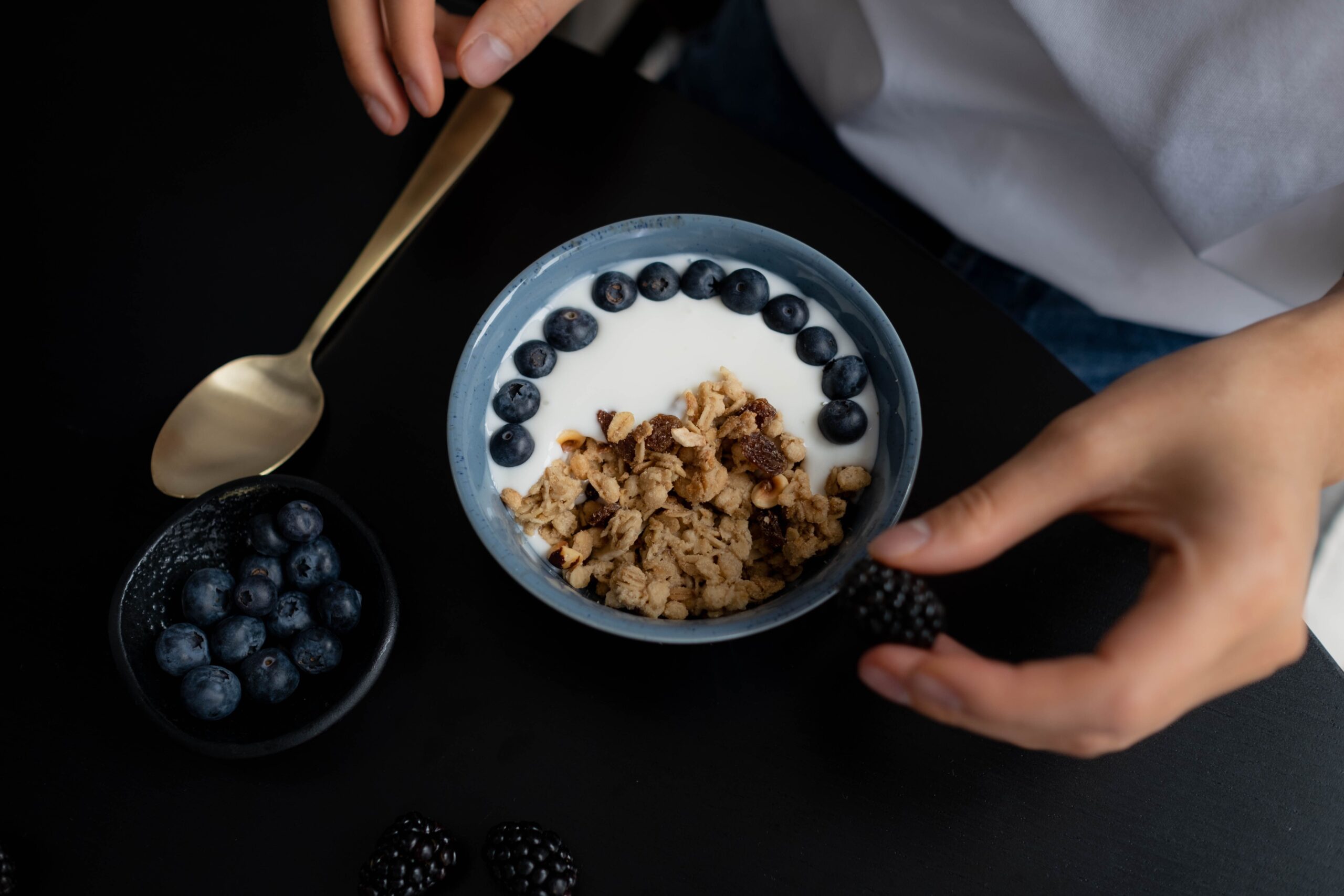
For the past several years, protein has been one of the loudest messages in grocery marketing. What may change next is not the importance of protein, but the rise of products that pair protein with fiber, giving shoppers two benefits that can support fullness and convenience at once.
That pairing is easy to imagine across categories. Greek yogurt bowls with fruit and seeds, frozen grain bowls with beans and chicken, higher-fiber wraps filled with eggs, and snack bars made with nuts and oats all fit the pattern. These are products that speak to busy schedules without relying on a single nutrition buzzword.
By 2027, protein-only marketing may look incomplete. Foods that combine protein, fiber, and practical portions could feel more useful to shoppers who want steady energy and simpler choices, especially for breakfast, lunch, and afternoon snacks.
Private labels turn trends into everyday purchases
A food trend becomes truly influential when it moves beyond premium brands and into store brands. Private label lines have become an important test of what retailers believe shoppers want most, especially in categories where price can determine whether a new habit actually sticks.
Frozen vegetables with seasoned sauces, high-fiber breads, better-for-you snacks, and products made with more specific fat sources are all the kinds of items that can migrate quickly into private label assortments. Once that happens, the trend stops looking niche and starts looking mainstream.
By 2027, the biggest aisle changes may come from retailers translating health and convenience trends into lower-cost formats. That can widen access, encourage trial, and put more pressure on national brands to justify a higher price with clearer quality or stronger innovation.
Smaller labels, bigger decisions
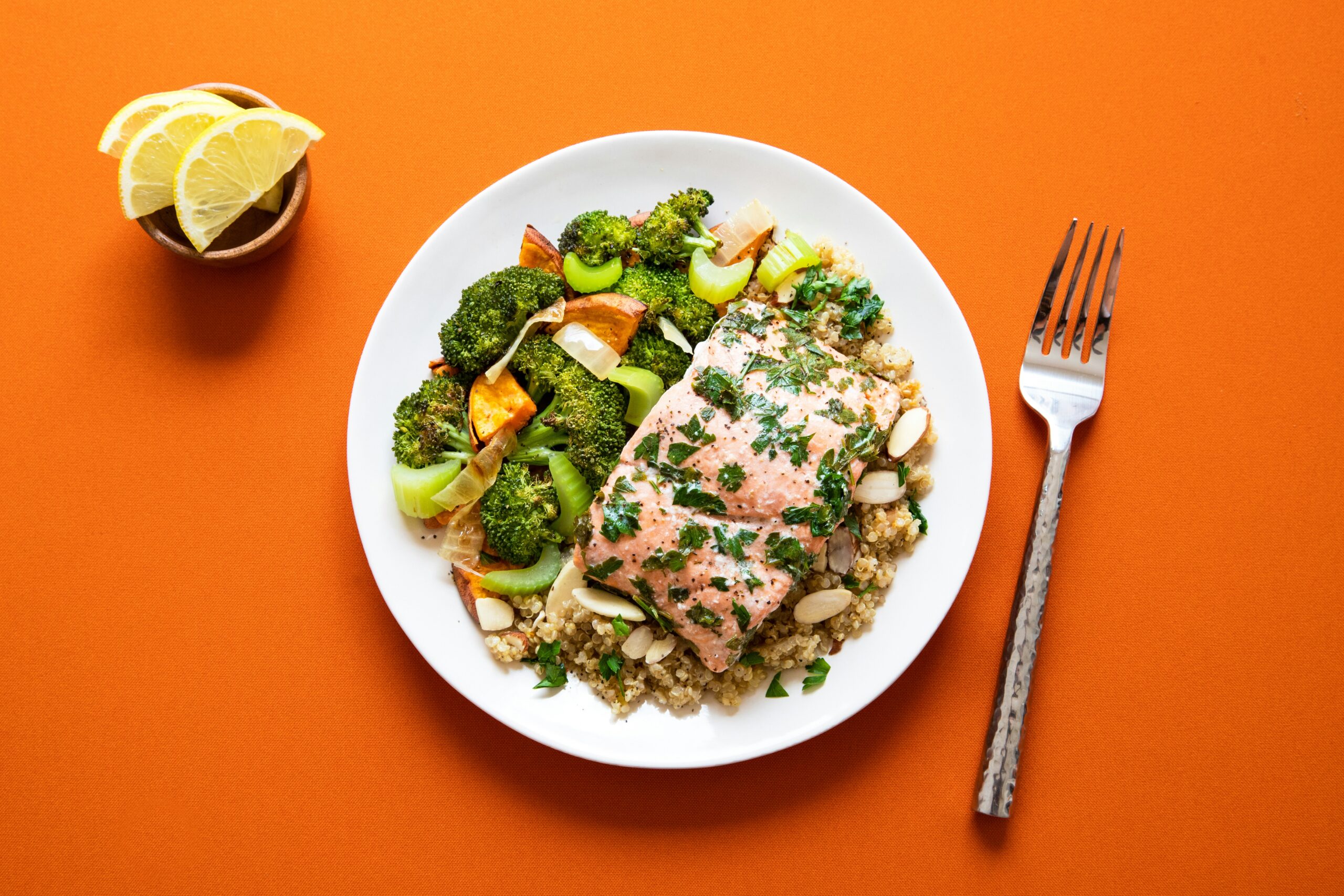
The most important grocery trend may not be one ingredient or one aisle. It may be the growing expectation that a package should explain itself quickly, with labels that help shoppers judge convenience, nutrition value, and price in a matter of seconds.
Frozen foods, fiber claims, and fat messaging all fit into that larger shift. Shoppers are sorting through competing promises while managing time, budget, and personal health goals. In that environment, simple language and familiar ingredients can matter almost as much as the nutrition headline on the front.
That is why the 2027 grocery aisle could look different in a very practical way. The winners may be products that combine ease, credible nutrition, and a price people can return to, week after week, without having to rethink the purchase every time.



Leave a Reply