
A cleaner-looking food package doesn't always mean a healthier choice. Canada's mandatory front-of-pack warning labels are making it easier to spot products high in sugar, sodium, and saturated fat before they land in your cart.
A New Warning You Will Start Seeing on Grocery Shelves

Beginning January 1, 2026, Canada made front-of-package nutrition warning labels mandatory for most prepackaged foods that are high in saturated fat, sugars, or sodium. After a transition period that began in 2022, manufacturers must now follow the new rules for products made or imported from that date onward.
The symbol appears prominently on the front of a package instead of hiding important nutrition information on the back. Its purpose is simple: help shoppers recognize foods that contain high levels of nutrients linked to chronic health conditions without having to study the Nutrition Facts table.
The regulation is part of Health Canada's broader effort to make nutrition information easier to understand. Rather than telling people what they can or cannot eat, the labels are designed to provide a quick visual cue that supports informed food choices during everyday shopping.
What the Front-of-Pack Symbol Actually Means

The black-and-white symbol is not a rating that declares a product "good" or "bad." Instead, it warns that a food contains high levels of saturated fat, sugars, sodium, or a combination of these nutrients, based on thresholds established by Health Canada.
For example, a package may display "High in Sugars," "High in Sodium," or multiple warnings if it exceeds more than one threshold. The label does not measure calories, protein, fibre, vitamins, or overall nutritional quality. It focuses only on nutrients that many Canadians consume in excess.
That distinction matters because two foods can have similar calories yet receive different warnings. The symbol is intended as a quick alert, while the Nutrition Facts table remains the best place to understand the complete nutritional profile of a product.
Which Foods Will Carry the Label

Most packaged foods sold in Canada are covered by the regulation if they exceed the established nutrient limits. That includes many processed snacks, frozen meals, breakfast cereals, soups, sauces, desserts, and beverages commonly found in grocery stores.
However, not every food that is naturally high in fat, sugar, or sodium requires the symbol. Health Canada created exemptions for certain products because consumers already recognize their nutritional role or because they are basic ingredients rather than processed foods.
Examples of exempt products include fresh fruits and vegetables, plain milk, eggs, raw meat, honey, table sugar, butter, vegetable oils, maple syrup, and salt. These foods may naturally contain nutrients of concern, but they are treated differently under the regulations.
Why Canada Introduced These Labels

Nutrition labels have existed for years, yet many shoppers rarely stop to examine the detailed Nutrition Facts table while making quick decisions in the grocery aisle. The front-of-package symbol is meant to solve that problem by making key information visible within seconds.
Health Canada introduced the requirement because diets high in sodium, sugars, and saturated fat are associated with increased risks of conditions such as heart disease, high blood pressure, and type 2 diabetes. The labels aim to improve awareness, not replace balanced eating advice.
Research from countries that use similar warning systems suggests simple front-of-package symbols are easier for consumers to notice and understand than detailed nutrition panels alone. Canada adopted this approach to help shoppers make faster, more informed comparisons between similar products.
How the Labels Could Influence Food Companies
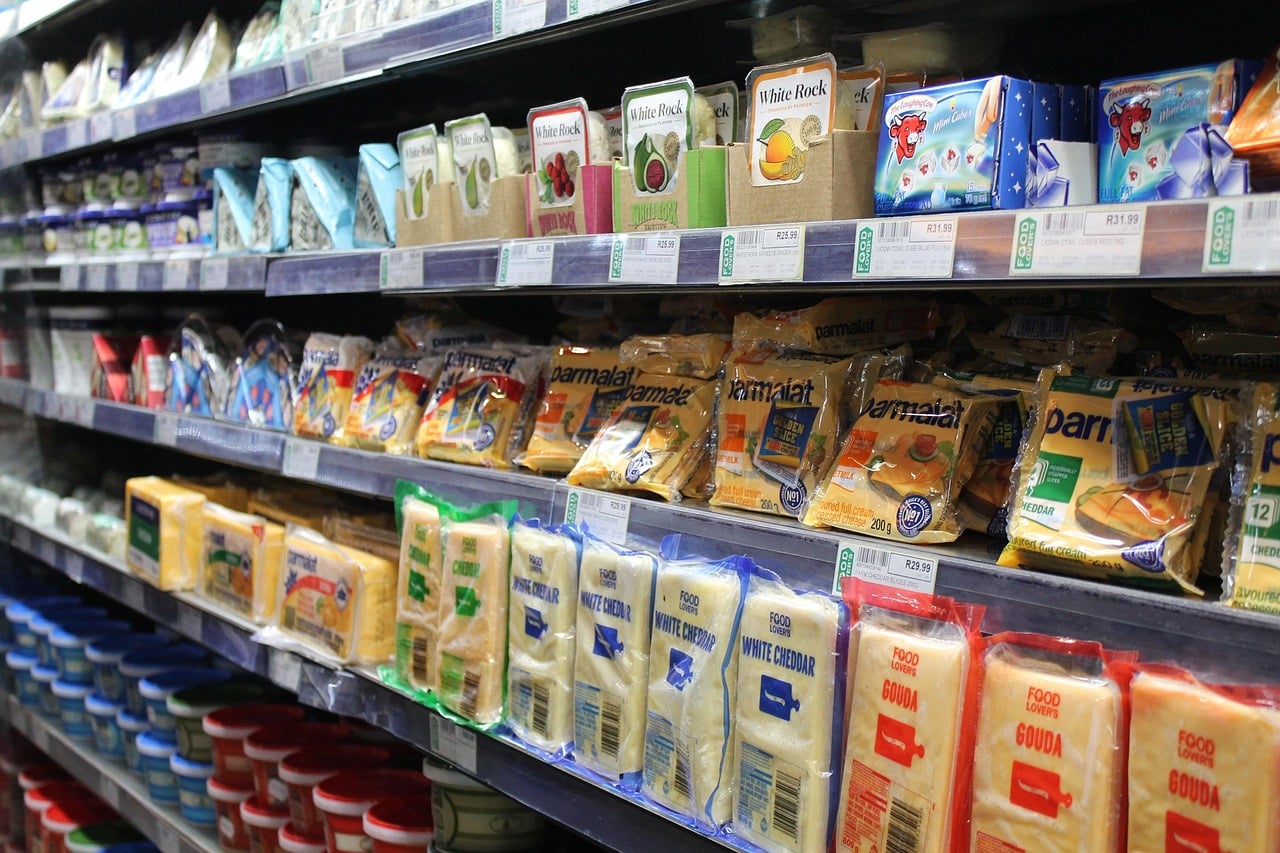
The new rules are not only changing how consumers shop. They are also encouraging manufacturers to rethink product recipes. Companies that reduce sugar, sodium, or saturated fat below the required thresholds may be able to avoid placing the warning symbol on the front of their packaging.
This creates an added incentive to reformulate foods by lowering salt, reducing added sugars, or replacing certain fats while maintaining taste and safety. Similar changes have occurred in other countries after front-of-package warning systems were introduced.
Not every product will change, and some foods are expected to keep their labels because their recipes are central to what consumers expect. Even so, nutrition experts believe the regulation could gradually encourage healthier product innovation across the food industry.
What Shoppers Should Keep in Mind

Seeing a warning label does not automatically mean a food should never be eaten. Many foods carrying the symbol can still fit into a healthy diet when enjoyed occasionally or in appropriate portions. The label is meant to inform, not discourage every purchase.
Likewise, foods without the symbol should not automatically be considered healthy. Some exempt foods are naturally high in certain nutrients, while other products may simply fall below the warning threshold without offering significant nutritional benefits. Reading the Nutrition Facts table still provides the fullest picture.
The best approach is to use the front-of-package symbol as a starting point. It offers a quick warning when a product is high in nutrients Canadians are encouraged to limit, making grocery shopping a little simpler without replacing informed, balanced food choices.




Leave a Reply