
The center of the global hunger crisis has shifted. Africa now carries the heaviest burden, and the reasons are both immediate and deeply structural.
A historic turning point in the global hunger picture
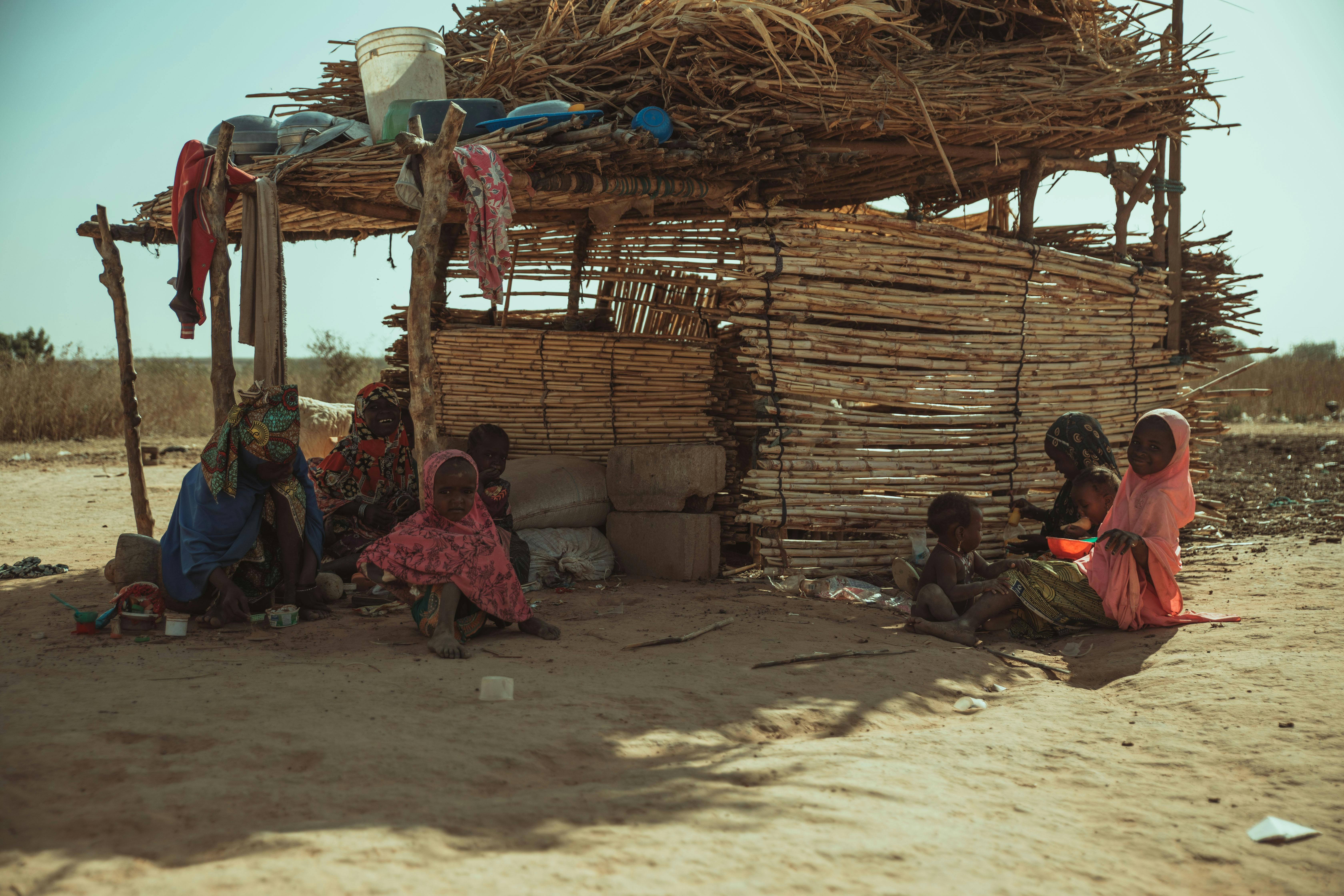
This is more than a statistical change. According to recent United Nations assessments, Africa has overtaken Asia as the region with the highest number of undernourished people, marking a major turning point in the global food crisis.
For years, Asia had the largest absolute number of people facing hunger because of its population size. But Africa's faster population growth, repeated food shocks, and weaker safety nets have changed that balance in a dramatic way.
The latest estimates from agencies including the Food and Agriculture Organization show that roughly 1 in 5 people in Africa faces undernourishment. That share is far higher than the global average, making the continent the epicenter of the world's most persistent hunger emergency.
Conflict remains one of the strongest drivers
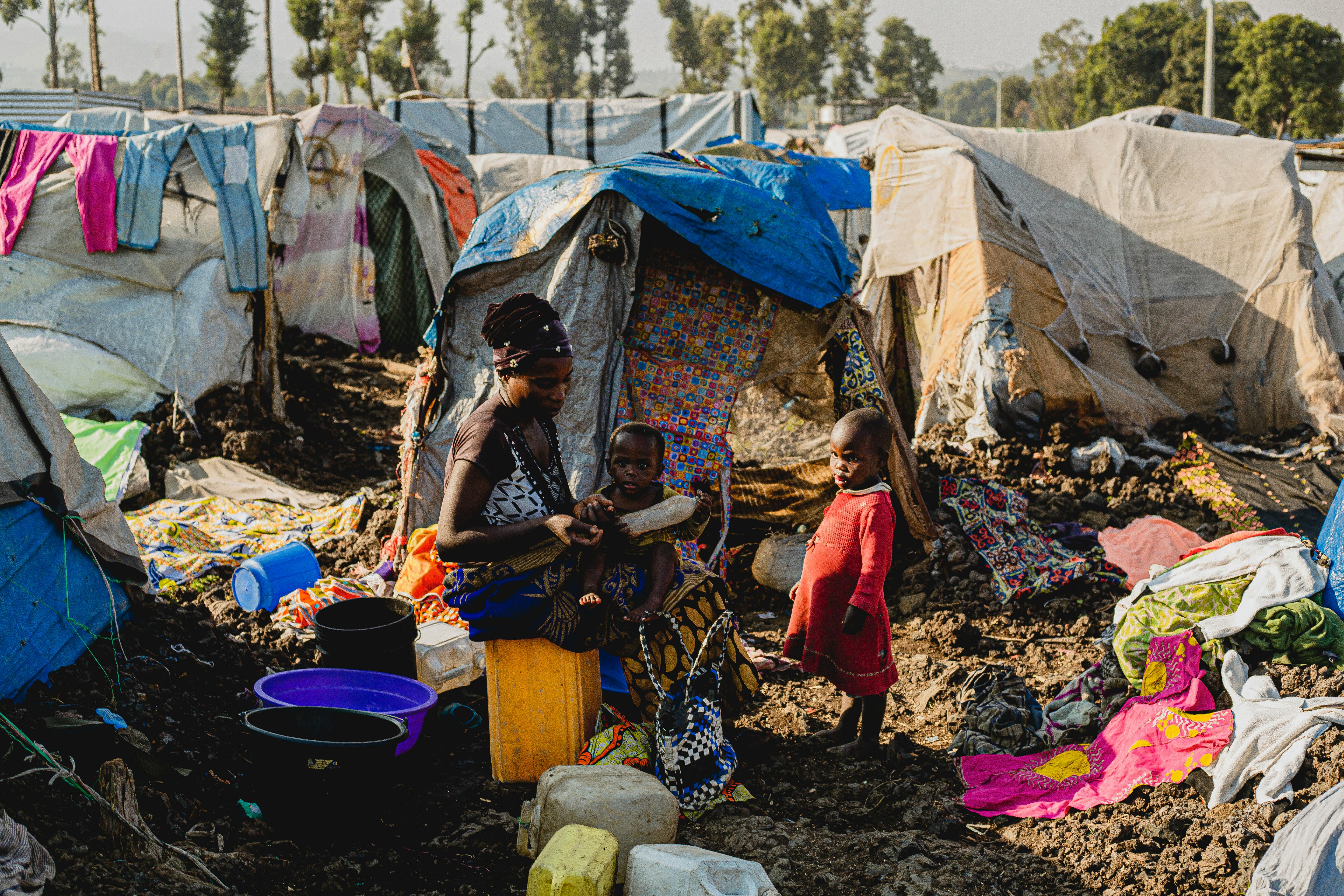
War destroys food long before famine is officially declared. In countries such as Sudan, the Democratic Republic of Congo, Ethiopia, and parts of the Sahel, conflict has pushed millions from farms, markets, and supply routes that communities rely on to survive.
Sudan offers one of the clearest examples. Fighting has devastated harvests, blocked aid access, and displaced huge numbers of people, leaving families unable to plant crops, buy staples, or move safely in search of work and food.
Insecurity also raises prices. When transport corridors become dangerous, traders stop moving grain, fuel costs climb, and local shortages worsen quickly. That combination turns a political crisis into a food crisis with brutal speed.
Climate shocks are hitting faster than systems can adapt

Drought is no longer an occasional emergency in many parts of Africa. From the Horn of Africa to southern Africa, seasons have become more erratic, rains less reliable, and extreme weather more damaging to crops, livestock, and water supplies.
Several countries have endured back-to-back droughts followed by floods, a pattern that is especially destructive for small farmers. When one season fails, households may cope by selling animals or tools. When the next season fails too, recovery becomes far harder.
Climate change is not acting alone, but it magnifies every weakness. Poor irrigation, limited crop insurance, low access to improved seeds, and thin rural credit systems leave farmers exposed, making each weather shock more likely to become a hunger crisis.
Prices, debt, and poverty are tightening the squeeze
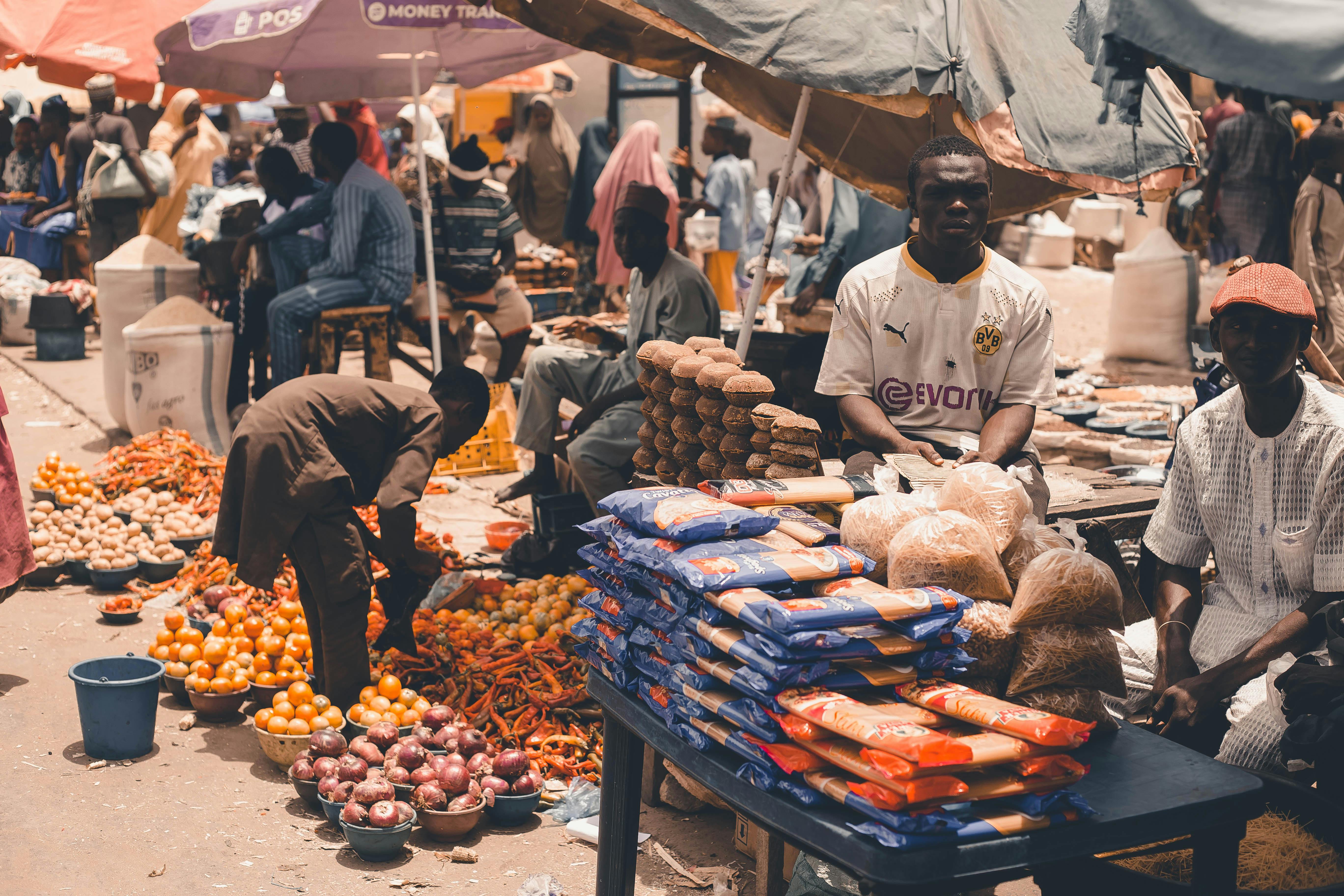
Hunger today is often less about food not existing and more about food becoming unaffordable. Across many African economies, high inflation, currency weakness, and expensive imports have put basic staples out of reach for millions of low-income households.
Many countries depend heavily on imported wheat, fertilizer, and fuel. When global prices jump or currencies lose value, bread, maize meal, cooking oil, and transport all become costlier, reducing both household purchasing power and farm productivity.
Government responses are also constrained by debt. Several African states are spending heavily on debt service, leaving less room for subsidies, cash transfers, irrigation, storage, or emergency food programs that could soften the blow for vulnerable communities.
Children and rural families are paying the highest price

The human consequences are deepest among children, pregnant women, and poor rural households. Malnutrition in early life can stunt growth, weaken immunity, reduce school performance, and leave damage that lasts far beyond the immediate crisis.
In many farming communities, the irony is painful. Families who produce food are often among the most food insecure because they rely on rain-fed agriculture, have little storage, and must sell produce early at low prices, then buy food later at higher prices.
Urban families are also under pressure, especially those working in informal jobs. When wages do not keep pace with food inflation, meals shrink in quality and quantity, and households cut spending on health care, schooling, and other essentials just to eat.
What reversing the trend will require
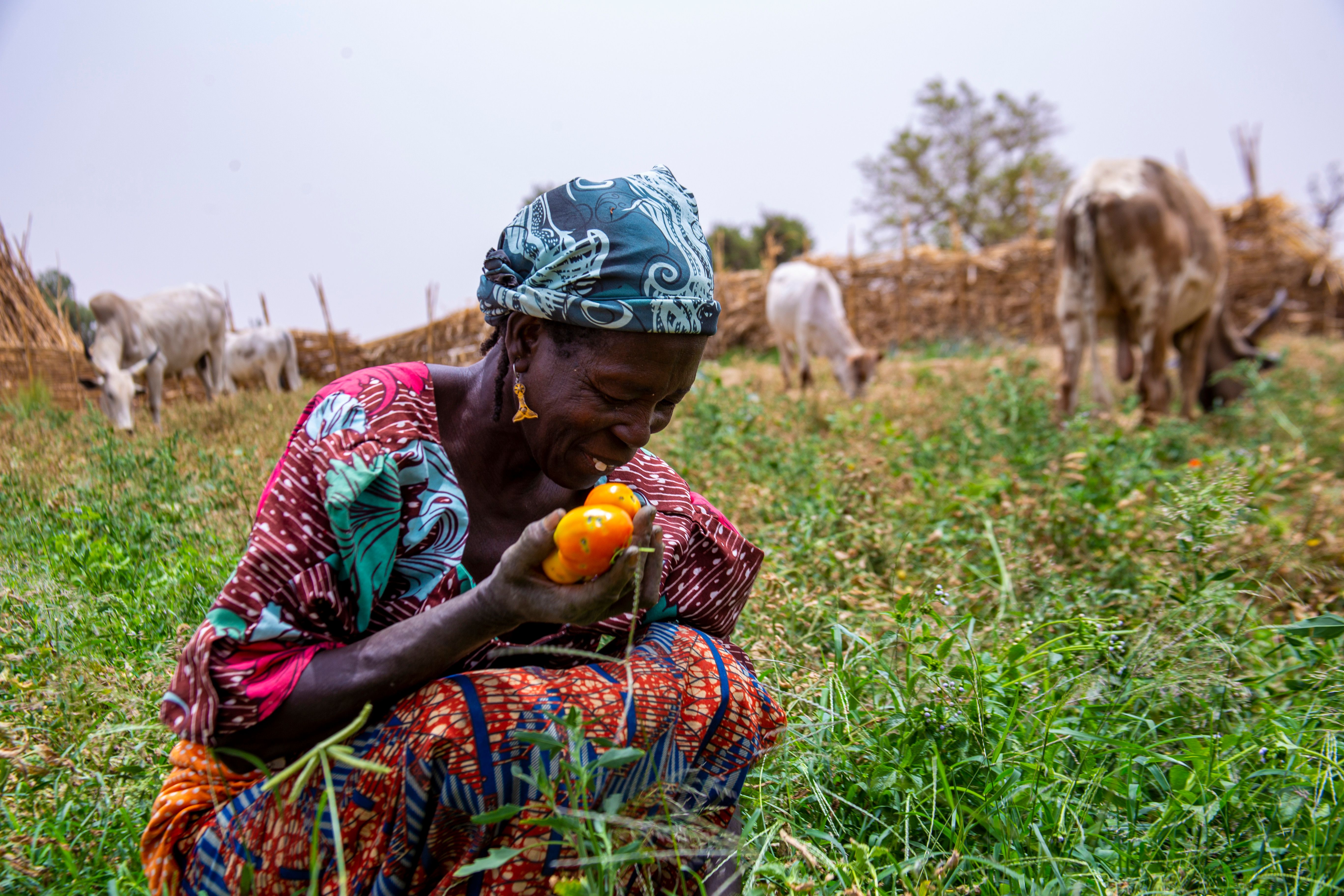
No single intervention will solve a crisis this broad. Emergency aid remains essential in conflict zones and drought-hit areas, but long-term progress depends on investing in peace, rural roads, irrigation, storage, public health, and functioning local markets.
African agriculture still holds enormous potential. Better access to fertilizer, climate-resilient seeds, extension services, cold chains, and regional trade could help farmers raise yields, reduce losses, and keep more food moving within the continent.
Experts also stress that hunger is ultimately a governance issue as much as a food issue. Early warning systems, social protection, debt relief, and stable institutions can prevent shocks from turning into catastrophe. Without that shift, Africa's hunger burden is likely to keep rising.




Leave a Reply