
Saving money at the grocery store rarely feels revolutionary. Yet Flashfood has turned discounted food into one of Canada's clearest consumer success stories.
A simple idea with unusually wide impact
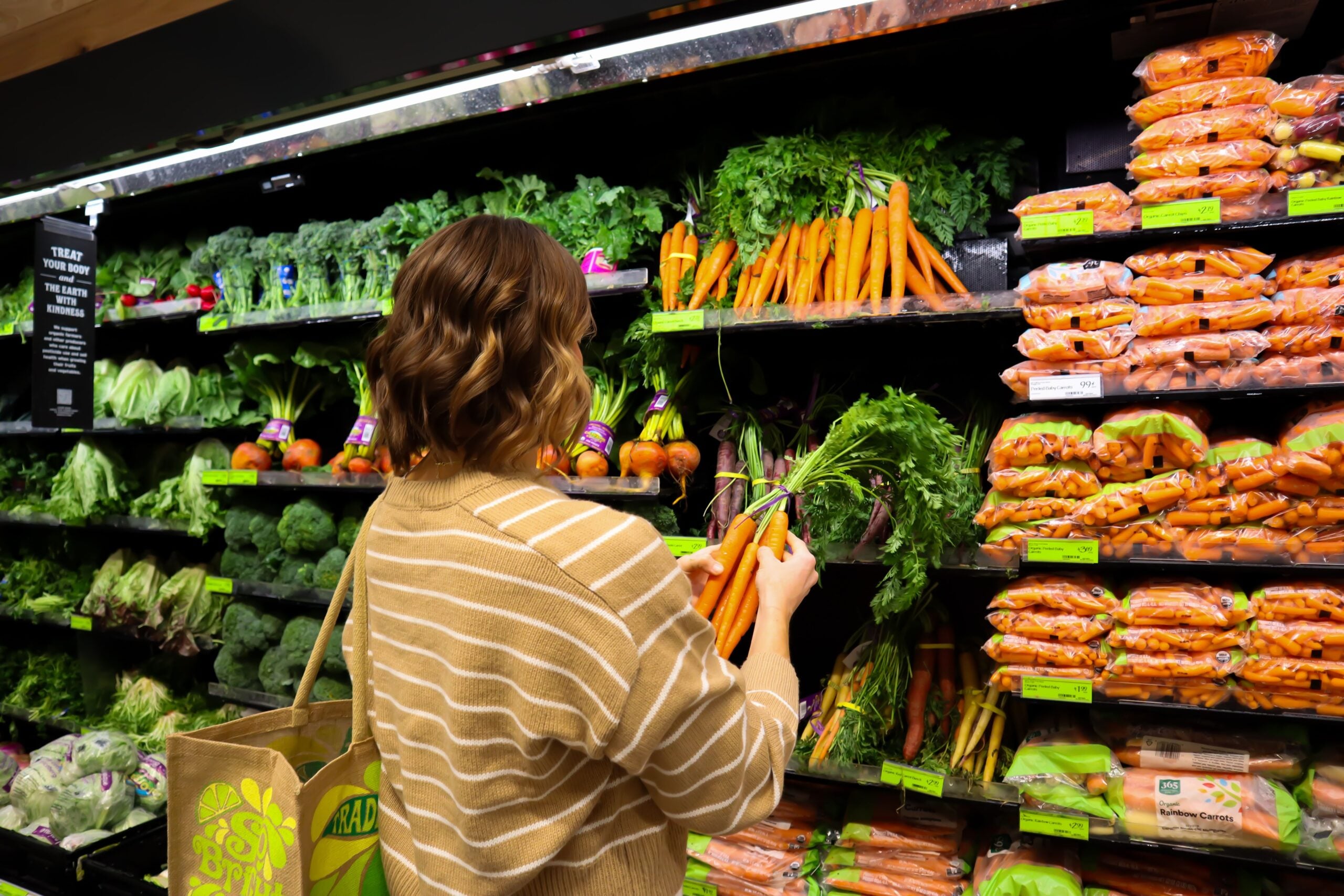
At its core, Flashfood helps retailers sell food that is close to its best-before date or looks less than perfect. Shoppers browse deals in the app, pay there, and pick up items from a designated section in participating stores. Prices are often around ½ off, though some offers can be even deeper.
That straightforward model has now delivered about $90 million in savings to Canadian shoppers. The number matters because it reflects more than bargain hunting. It shows that products once treated as waste can still have real value when timing, pricing, and convenience are aligned.
The app's appeal also speaks to a broader shift in consumer behavior. Many households are no longer viewing discount food as a compromise. They see it as a practical way to manage budgets without giving up access to fresh meat, produce, dairy, baked goods, and prepared meals.
Why "ugly" groceries are finally getting respect
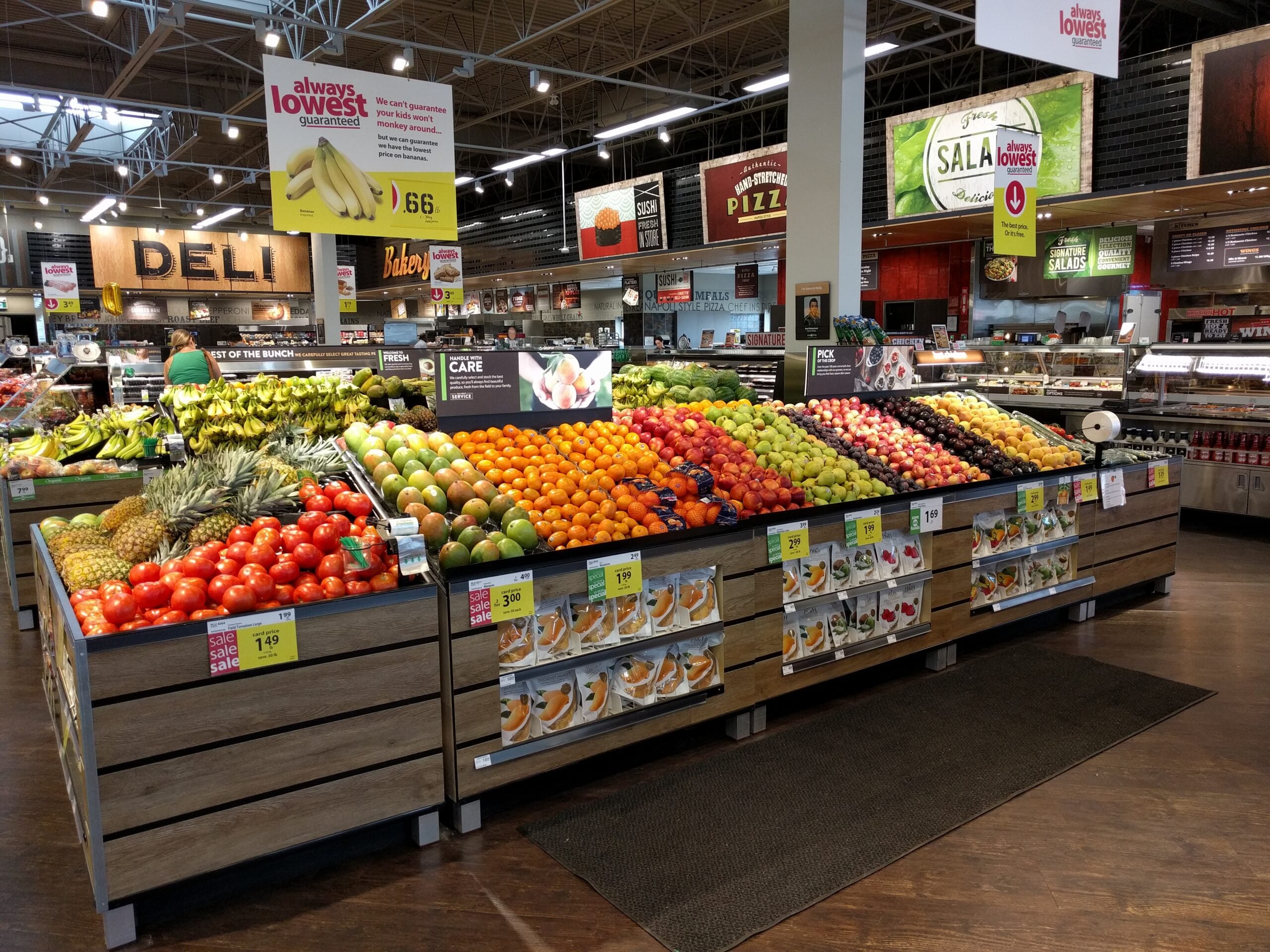
The phrase "ugly" groceries usually refers to food that is safe and edible but fails to meet cosmetic expectations. A pepper may be misshapen, apples may be smaller than average, or a loaf may be nearing its sell-by window. None of those traits automatically reduce nutritional value.
For decades, traditional grocery merchandising trained shoppers to expect visual perfection. Retailers often rejected food that was too small, too large, or simply irregular. That standard helped create waste long before products ever reached a household kitchen.
Flashfood challenges that mindset by reframing appearance as irrelevant to usefulness. In a period of elevated food inflation, that message has become especially powerful. Consumers who once skipped dented boxes or oddly shaped produce are now more willing to judge food by freshness, taste, and price instead.
The savings matter because grocery pressure is real

Food costs in Canada have remained a major source of household stress. Even when inflation cools from earlier peaks, many staples still cost more than they did just a few years ago. For families, students, and seniors, that gap has changed shopping habits in lasting ways.
Discount platforms like Flashfood work because they respond to immediate needs. A shopper looking for proteins, produce, or lunch items can often build part of a weekly meal plan around what is available that day. The experience feels less like scavenging and more like a smarter version of routine grocery shopping.
There is also a psychological benefit to visible savings. When people see meat, yogurt, salad kits, or bread marked down substantially, they feel they are regaining some control over a category that has become unpredictable. In that sense, Flashfood is not just selling food. It is selling relief.
Retailers benefit when waste stops being inevitable

Grocers have long faced a difficult equation with perishable inventory. If they order too much, products spoil before sale. If they order too little, shelves look empty and customers go elsewhere. Flashfood gives stores another option before food becomes a total loss.
Instead of absorbing waste disposal costs and writing off unsold items, retailers can recover part of the value. That improves margins on goods that would otherwise contribute nothing. It also creates a cleaner operational path for managing surplus inventory in produce, deli, dairy, and frozen categories.
This matters in an industry where margins are famously thin. A system that turns soon-to-expire stock into revenue is not merely a sustainability gesture. It is a business tool, which helps explain why grocery partners continue to expand participation and dedicate in-store pickup areas to the model.
The environmental case is just as important

Food waste carries a financial cost, but it also has a major environmental footprint. When edible food is thrown away, the land, water, energy, labor, packaging, and transportation behind it are wasted too. Once that food ends up in landfill, it can also generate methane, a potent greenhouse gas.
Canada has been under growing pressure to reduce avoidable food waste across the supply chain. Programs like Flashfood fit neatly into that objective because they intervene at a critical moment, after distribution but before disposal. That timing makes the model especially efficient.
The environmental benefit is easy for consumers to understand. Buying discounted chicken, fruit, milk, or ready-made meals that might otherwise be discarded is a small action with a measurable effect. It turns sustainability from an abstract ideal into something visible in a shopping basket.
What Flashfood says about the future of grocery shopping
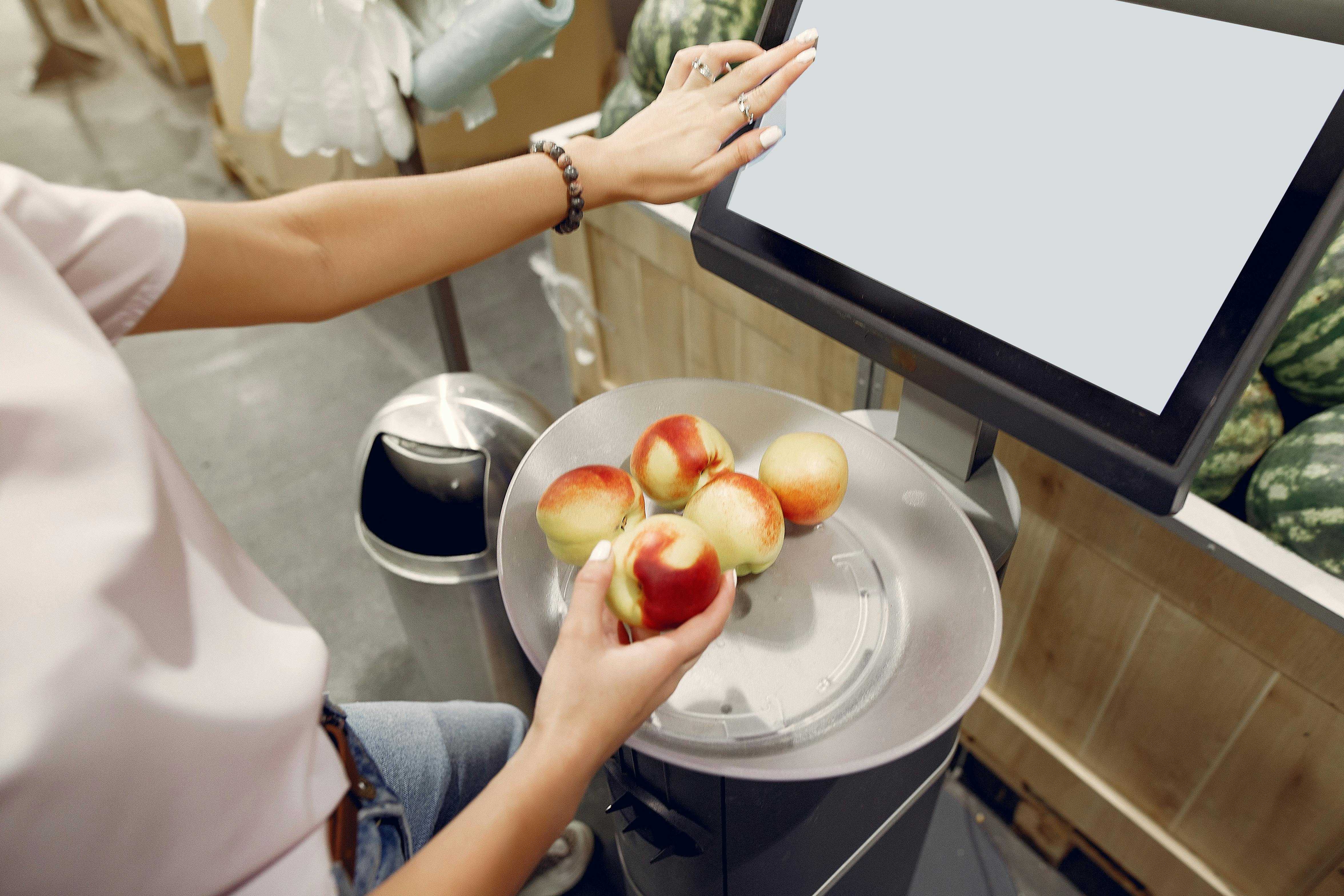
Flashfood's success suggests that grocery retail is entering a more flexible era. Digital tools are making it easier to match excess supply with price-sensitive demand in real time. That is useful for shoppers, but it also points toward a smarter inventory system overall.
The company's $90 million savings milestone signals that consumers are ready for practical innovation, not just premium convenience. People want affordability, less waste, and more transparency about what they are buying. Flashfood delivers all three in a format that feels familiar rather than disruptive.
If the model keeps expanding, its influence could reach far beyond discounted bins. It may help normalize dynamic pricing, reduce stigma around imperfect food, and push more retailers to treat waste prevention as a core service. That would be a meaningful shift for both household budgets and the food system.




Leave a Reply