
Fast food is entering a new era. As Ozempic and similar drugs reshape appetites, chains are rethinking what value, portion size, and indulgence really mean.
Why GLP-1 drugs are changing restaurant strategy
The rise of Ozempic, Wegovy, and related GLP-1 medications is already influencing the food business. These drugs slow digestion and reduce appetite, which means many users eat less, snack less often, and become more selective about what feels worth ordering. That matters deeply to fast-food companies that built their business on frequency, cravings, and large combo meals.
Executives across the restaurant sector have acknowledged the trend in earnings calls and investor discussions. According to market research firms and consumer surveys released through 2024, people using GLP-1 drugs often report smaller portions, fewer impulse purchases, and a sharper focus on protein. That does not mean they stop visiting chains entirely. It means they want meals that feel satisfying without being excessive.
For fast food, this is not a niche issue anymore. Analysts increasingly view GLP-1 adoption as a structural consumer shift, especially if insurance coverage expands and lower-cost alternatives arrive. Chains that respond early may be better positioned than those that assume old ordering habits will simply return.
Burger King sees an opening in smarter indulgence
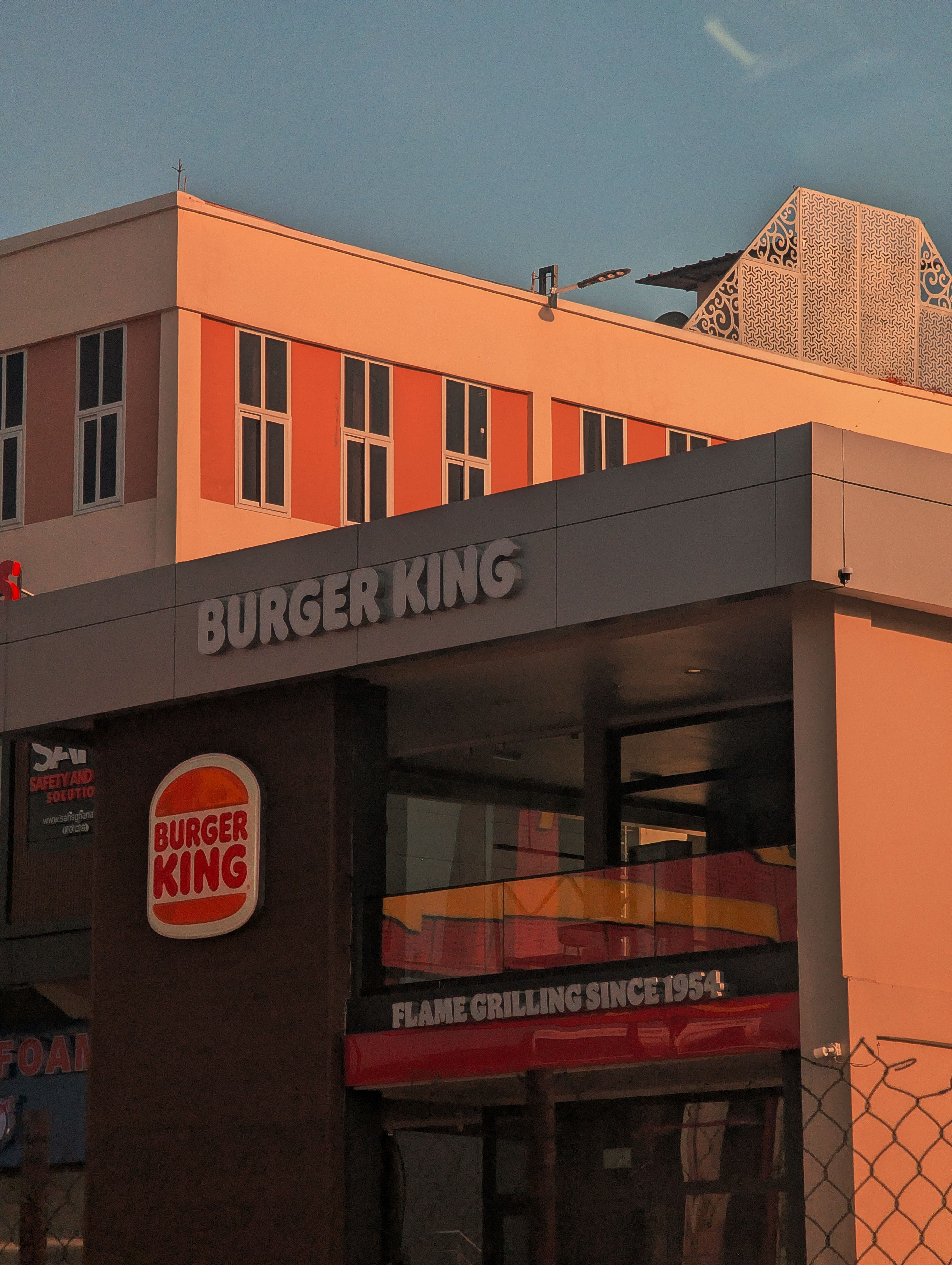
Burger King appears well placed to benefit because its core menu is flexible. The Whopper has always been customizable, and that matters at a time when consumers want more control over calories, toppings, and portion size. Rather than abandoning indulgence, Burger King can frame its newer Whopper offerings as more intentional choices, whether that means fewer add-ons, stronger protein appeal, or a better balance between satisfaction and size.
This approach fits the current psychology of GLP-1 users. Many still want familiar foods, but they are less interested in oversized meals that feel wasteful or difficult to finish. A burger that delivers flavor quickly, with the option to skip fries or size down a drink, can feel like a smarter purchase than a heavily bundled combo.
Burger King's edge is that it does not need to reinvent the burger. It only needs to make the burger easier to tailor. In a market where appetite is shrinking but cravings still exist, that is a powerful position.
The new Whopper era is about flexibility, not just flavor
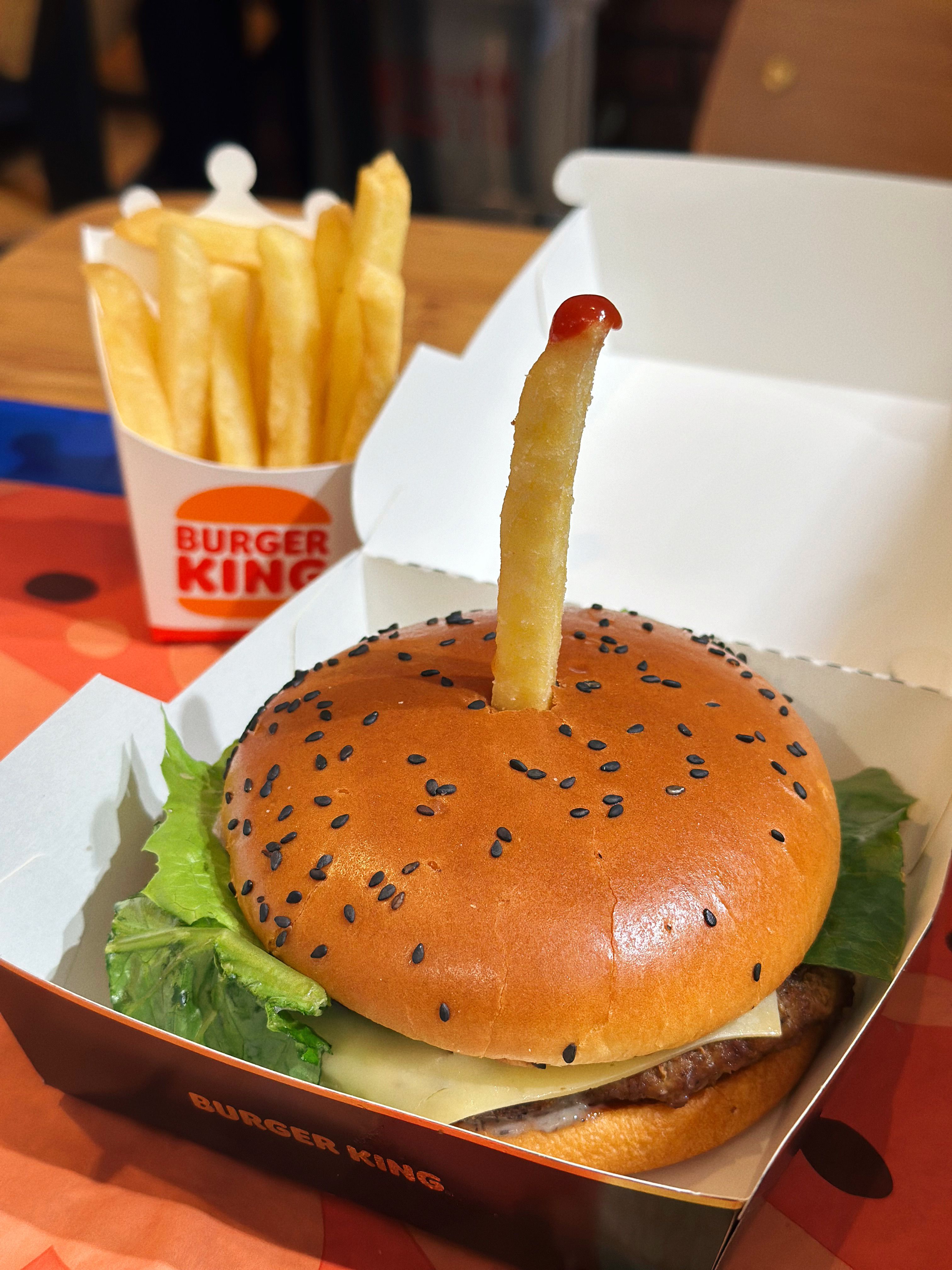
What makes Burger King's newer Whopper strategy notable is not a single sandwich. It is the broader idea that the same platform can serve different eating moods. A customer on a GLP-1 medication may want a classic Whopper one day, a smaller order the next, or a protein-forward variation with fewer extras. Flexibility is now part of the product.
This matters because reduced appetite does not erase brand loyalty. It changes how often people buy and how much they consume per visit. If Burger King can keep those customers in its ecosystem with customizable options, it protects traffic even if average check patterns evolve. That is a practical adaptation, not a cosmetic one.
There is also a value message here. Consumers who are eating less often want each purchase to feel deliberate. A Whopper that feels substantial enough to stand alone can be more attractive than a meal built around excess.
What Ozempic users tend to want from fast food now
The biggest shift is not that people suddenly want health food from burger chains. It is that they want food that feels easier to tolerate, easier to finish, and less likely to leave them feeling overly full. Many GLP-1 users report prioritizing leaner proteins, simpler builds, lower-fat sides, and drinks that are not as sugary. Fast food has to respond to those habits without losing its identity.
Burger King can meet much of that demand through menu architecture alone. Customization kiosks, app ordering, and modular sandwich builds make it easier for customers to remove sauces, skip cheese, add vegetables, or avoid oversized bundles.
The wider fast-food industry is paying attention
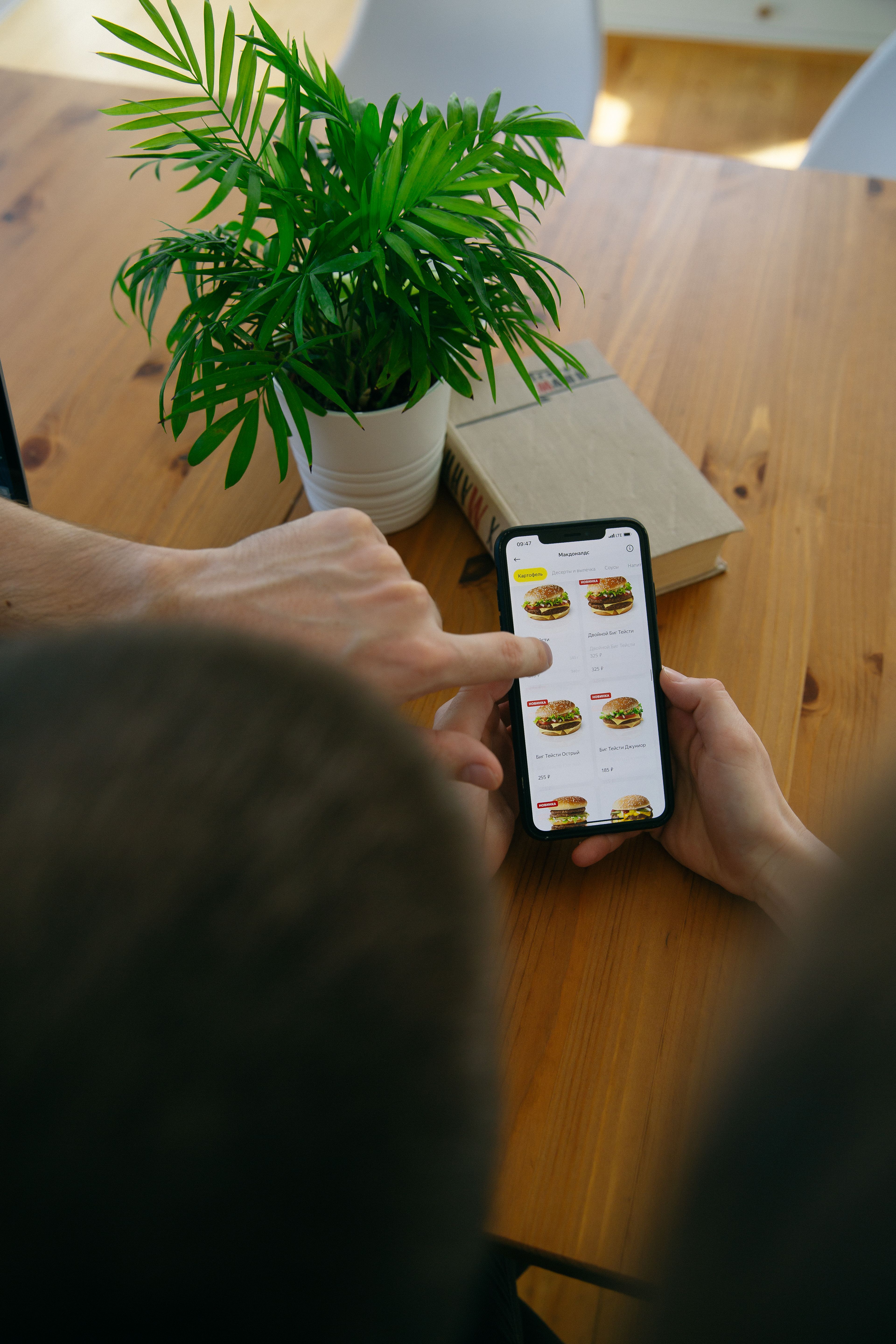
Burger King is not alone in noticing this change. McDonald's, Wendy's, Chipotle, and others are all operating in an environment where appetite suppression drugs may alter long-term traffic patterns. Some chains are emphasizing protein, some are leaning harder into snackable portions, and others are refining digital personalization so customers can build meals around changing dietary needs.
Industry observers have compared this moment to earlier shifts driven by low-carb eating, calorie labeling, and plant-based demand. The difference is that GLP-1 drugs affect behavior at the biological level, which may make their impact more durable. When consumers physically want less food, restaurants cannot rely on old assumptions about upselling.
That is why Burger King's Whopper-focused response stands out. It adapts a famous product to a new reality instead of chasing a totally separate health-food identity that customers may not trust.
What comes next for Burger King and fast food

The most likely future is not a menu full of tiny diet meals. It is a fast-food landscape built around choice, customization, and clearer value for people with smaller appetites. Burger King's new Whopper direction points toward that future by keeping the brand's signature product at the center while making it easier to order in a more restrained way.
If GLP-1 use continues to grow, expect more chains to rethink bundle design, portion logic, and protein emphasis. Expect technology to play a larger role as well, especially apps that remember modifications and surface lighter combinations. Fast food is not disappearing. It is becoming more precise, and Burger King is showing how that transition can work.


Leave a Reply