
Food often feels different once Ozempic enters the picture. The key is not eating less at random, but eating smarter so blood sugar, energy, and digestion stay on your side.
Understand how Ozempic changes hunger and digestion
Ozempic, the brand name for semaglutide, helps lower blood sugar by improving insulin response and slowing stomach emptying. That delayed digestion is one reason many people feel full faster and stay full longer. For diabetic patients, this can be helpful, but it also means old eating habits may suddenly feel uncomfortable.
A large meal that once seemed normal may now cause bloating, nausea, burping, or a heavy, overstuffed feeling. According to guidance commonly echoed by diabetes educators, the body often tolerates smaller portions much better than oversized meals. Eating more slowly also gives your stomach time to signal fullness before discomfort sets in.
This appetite shift can be easy to misread. Some patients eat too little during the day, then get overly hungry later and make blood sugar control harder. A steadier pattern usually works better than skipping meals and trying to catch up at night.
Prioritize protein first at most meals
When appetite drops, every bite needs to work harder nutritionally. Protein is especially important because it supports muscle mass, improves fullness, and can reduce the chance that weight loss comes largely from lean tissue. That matters for people with diabetes, especially older adults, who need strength and metabolic stability.
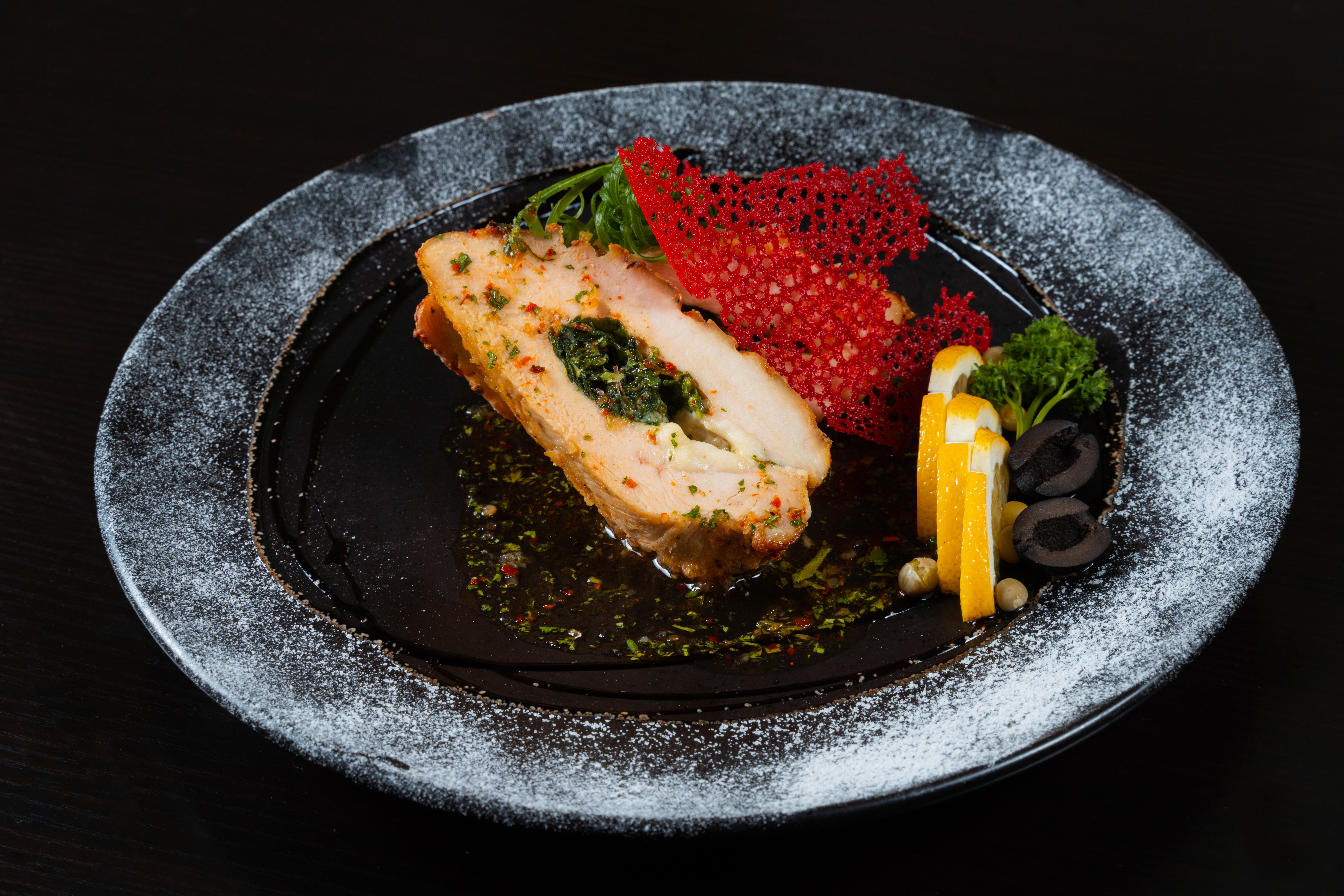
A practical target is to include protein at breakfast, lunch, dinner, and even snacks when possible. Good choices include eggs, Greek yogurt, cottage cheese, tofu, fish, chicken, turkey, beans, lentils, and edamame. If a full meal feels like too much, a smaller protein-centered plate is often easier to tolerate.
Real-world dietitian advice often starts with a simple order: eat protein first, then vegetables, then starches if you still want them. This can help patients meet nutrient needs before fullness kicks in. It also tends to support more stable post-meal glucose levels.
Choose carbs carefully instead of fearing them

Carbohydrates are not the enemy, even with type 2 diabetes. The goal is to choose carbs that digest more gradually and come packaged with fiber, vitamins, and minerals. That usually means focusing on beans, berries, apples, oats, quinoa, brown rice, sweet potatoes, and nonstarchy vegetables.
Highly refined foods such as sugary drinks, pastries, white bread, and large portions of chips can trigger quicker glucose rises without offering much staying power. On Ozempic, these foods may also worsen nausea for some people because greasy or very sweet items can sit poorly in the stomach. A balanced plate is usually easier to tolerate.
Pairing carbs with protein or healthy fat is one of the simplest glucose-friendly strategies. An apple with peanut butter, oatmeal with Greek yogurt, or brown rice with salmon creates a slower, steadier effect than carbs alone. Small choices like these can add up fast.
Eat in smaller portions and build meals that feel gentle
One of the most useful mindset shifts is to stop treating fullness as a challenge to push through. Because Ozempic slows gastric emptying, smaller meals often feel better than the traditional large breakfast, lunch, and dinner pattern. Many patients do well with modest portions spread more evenly across the day.
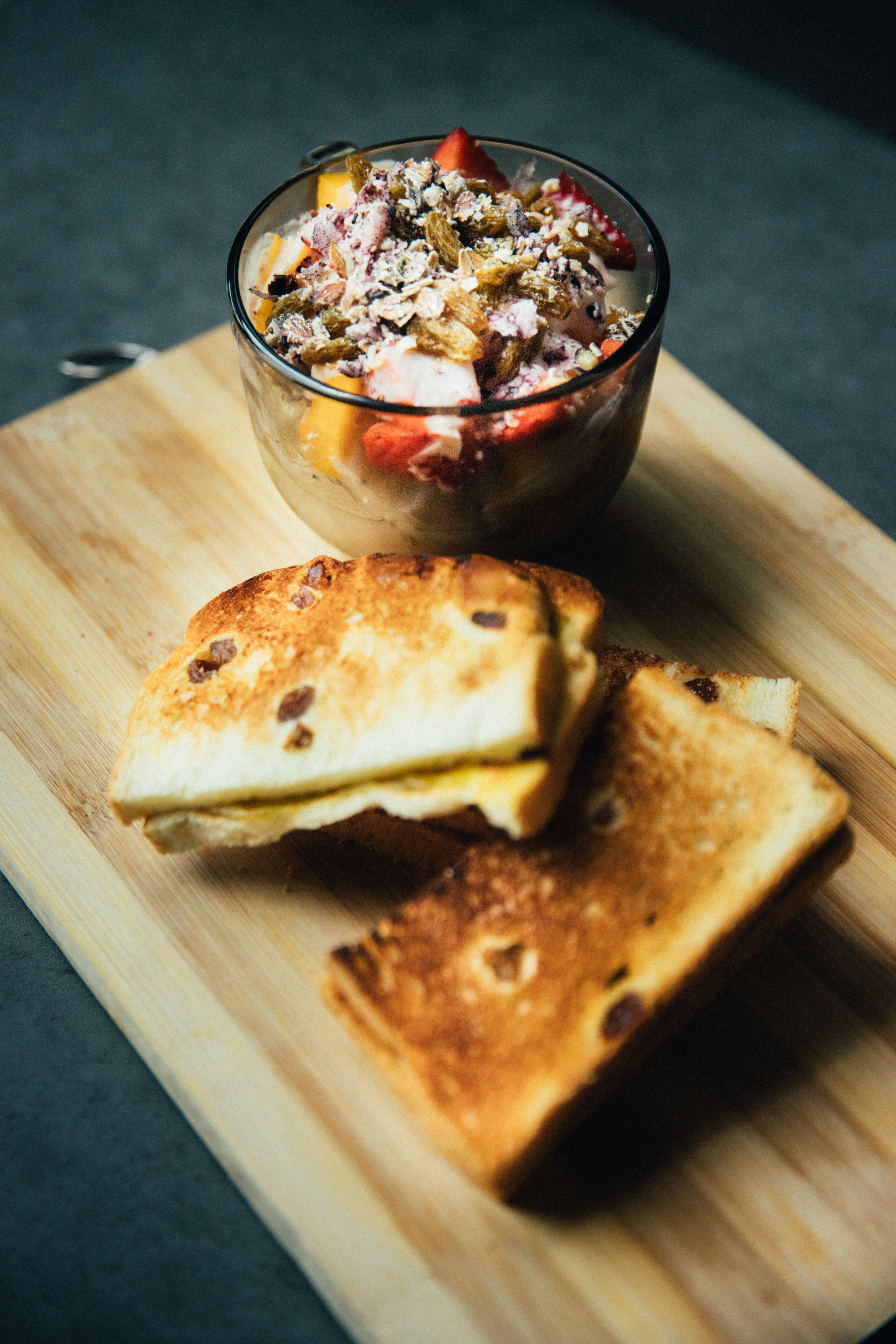
Gentle foods can be especially useful when side effects flare. Soup, yogurt, scrambled eggs, toast, oatmeal, rice, bananas, applesauce, and lean proteins are common fallback choices when nausea is present. Fried foods, very rich restaurant meals, and heavy cream sauces are frequent troublemakers.
Drinks matter too. Avoid washing down meals with large amounts of liquid, which can increase that painfully full feeling. Sip fluids between meals instead, and stop eating at the first signs of pressure, reflux, or queasiness rather than a few bites too late.
Stay hydrated and protect against common side effects

Less appetite sometimes means people accidentally drink less too. Dehydration can worsen fatigue, constipation, headaches, and dizziness, all of which can be confused with medication problems alone. Water is the simplest choice, but broth, milk, and low-sugar electrolyte drinks can also help depending on individual needs.
Constipation is a common complaint with GLP-1 medications, especially when food intake drops and fiber intake becomes inconsistent. The best fix is usually a combination of fluids, fiber from foods, and regular movement. Chia seeds, berries, beans, pears, vegetables, and oats can help, but increase fiber gradually.
If nausea is your biggest issue, try bland foods, smaller meals, and slower eating. Some people tolerate cold foods better than hot foods because strong smells can be triggering. Persistent vomiting, severe abdominal pain, or signs of dehydration should be discussed promptly with a clinician.
Make your meal plan practical, safe, and sustainable

The best eating plan on Ozempic is one you can actually repeat on ordinary weekdays. A simple formula works well: half the plate nonstarchy vegetables, ¼ lean protein, and ¼ high-fiber carbohydrate. That structure is easier to maintain than rigid food rules and supports both glucose control and weight management.
Planning ahead also reduces the temptation to undereat all day and overeat later. Keep easy staples on hand such as boiled eggs, tuna packets, Greek yogurt, cut vegetables, fruit, soup, and pre-cooked chicken. When appetite is low, convenience often determines whether you eat well at all.
Most importantly, match your food plan to your diabetes treatment as a whole. If you also take insulin or sulfonylureas, ask your clinician whether dosing changes are needed as appetite and weight change. Ozempic can be powerful, but good nutrition is what turns that power into lasting results.




Leave a Reply