
A cold drink can feel like survival in summer. But some of the most popular choices come with downsides many people do not see coming.
The drink raising the most concern
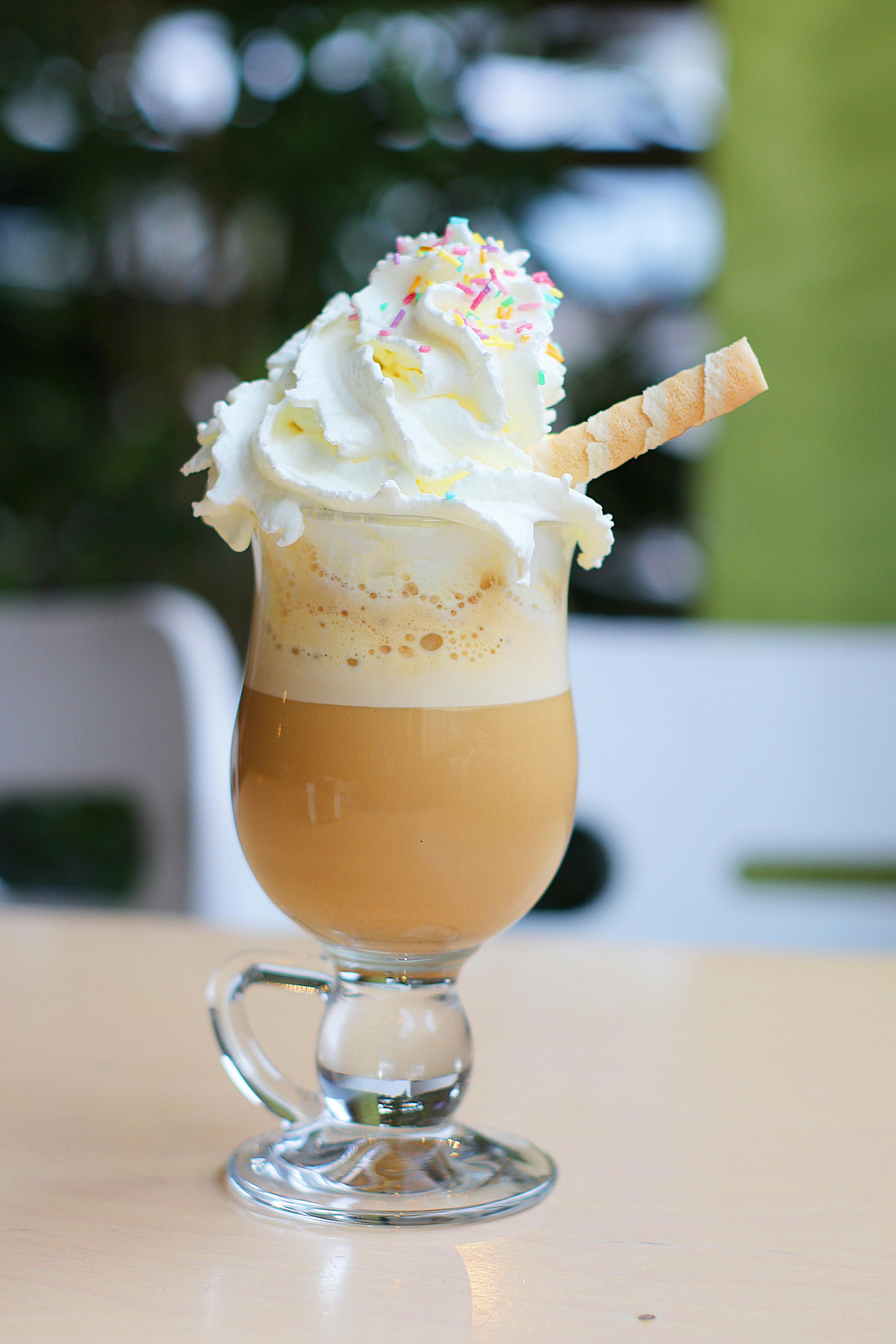
At the center of many dietitians' warnings is the large iced coffee drink, especially the heavily customized versions sold at cafés and drive-thrus. On the surface, they seem harmless: cold, energizing, and easy to grab during hot afternoons. The problem is not plain coffee over ice. It is what often gets added to it.
Sweetened syrups, whipped toppings, flavored creams, and sugary cold foams can turn one drink into something closer to a dessert. In many cases, a single large order can deliver as much sugar as several cookies or a can-and-a-half of soda. Some versions also carry more calories than people expect from a beverage they mentally file under coffee.
Dietitians point out that these drinks are especially easy to underestimate because they do not feel heavy. You can finish one quickly, stay thirsty, and still eat a full meal later. That combination makes it easier to overshoot your daily intake without realizing it.
Why summer makes the problem worse

Hot weather changes the way people drink. When temperatures rise, many consumers reach for bigger sizes, drink faster, and buy these beverages more often because they seem refreshing. That pattern matters, because frequency can be just as important as what is in the cup.
A sweet iced drink may also replace water instead of simply accompanying it. If the drink is high in caffeine, the person may assume they are hydrating when they are really just getting fluid mixed with stimulants and sugar. While coffee itself contributes fluids, very caffeinated, sugar-heavy drinks are not ideal as a main source of hydration during extreme heat.
Summer routines add another layer. People often combine these drinks with travel, outdoor events, skipped meals, and poor sleep. Dietitians say that mix can intensify jitteriness, fatigue, headaches, and energy crashes, especially in teens and adults already sensitive to caffeine.
The sugar and caffeine double hit
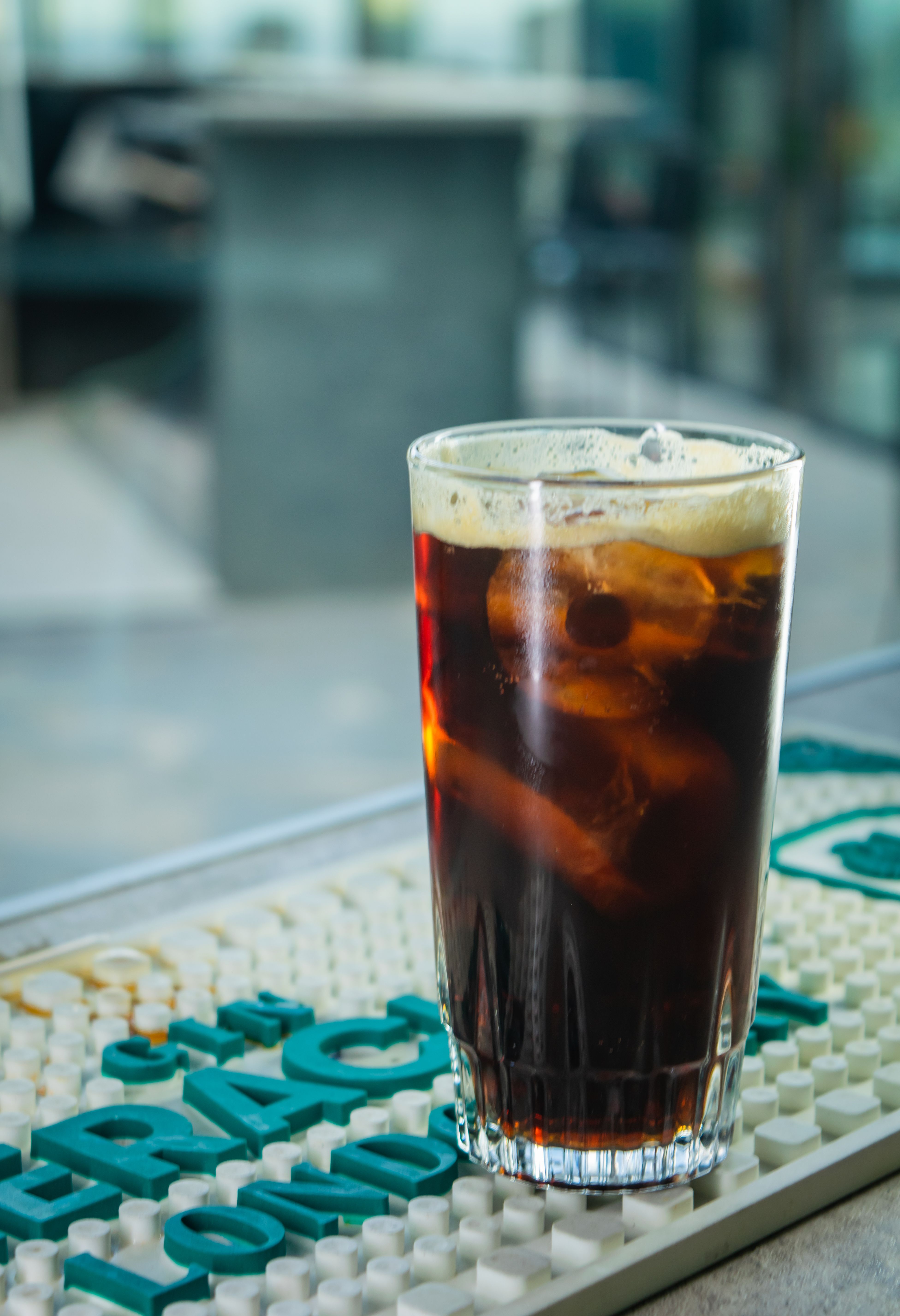
One reason experts single out these drinks is the pairing of two ingredients people already tend to overconsume: added sugar and caffeine. A large sweetened iced coffee or coffee refresher can easily climb into the range of 30 to 50 grams of sugar, and some go higher depending on add-ons.
That matters because health guidance has long urged people to limit added sugars. Drinking a large amount all at once can spike blood sugar, followed by a fast dip that leaves people tired, hungry, and looking for another pick-me-up. For some individuals, that cycle repeats across the day.
Caffeine adds its own concerns. According to guidance from major health organizations, too much caffeine may trigger rapid heartbeat, anxiety, digestive upset, and disrupted sleep. In hot months, poor sleep and dehydration already strain the body, so piling on more caffeine can be a rough trade.
Who needs to be especially careful

Some groups face greater risk than others. Teenagers and younger adults may be more likely to buy oversized sweet drinks regularly, yet they may be less aware of how much caffeine they are actually consuming. Smaller body size can also make the effects feel stronger.
People with diabetes or prediabetes should pay close attention to carbohydrate content, especially in blended or sweet cream-based drinks. A beverage that seems modest can cause a significant glucose rise. Dietitians often recommend checking nutrition information before ordering rather than guessing from taste alone.
There are also concerns for pregnant people, those with heart rhythm issues, people prone to migraines, and anyone with anxiety. For them, the caffeine load can be more than just uncomfortable. It can aggravate symptoms in ways that are easy to mistake for ordinary summer exhaustion.
What dietitians recommend ordering instead
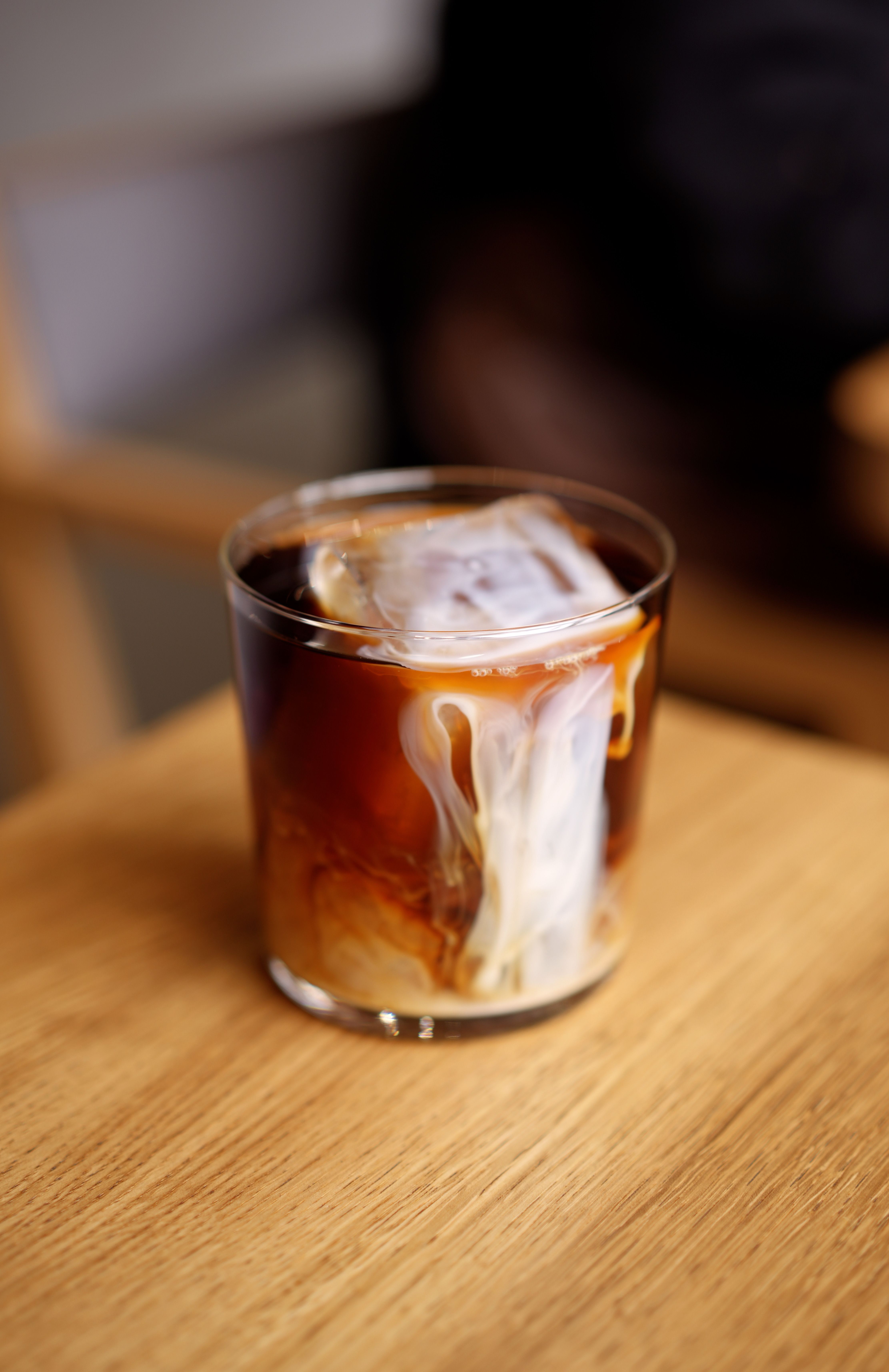
The good news is that experts are not telling people to fear every cold coffee. Their message is more practical: make small changes that protect hydration and cut excess sugar without giving up the ritual. In many cases, simple swaps make a noticeable difference.
A better order might be iced coffee or cold brew with a splash of milk, or an unsweetened latte poured over ice. If flavor matters, ask for fewer pumps of syrup or choose one sweet element instead of several. Skipping whipped toppings and sweet cold foam can sharply reduce sugar and calories.
Dietitians also suggest alternating caffeinated drinks with plain water, sparkling water, or unsweetened iced tea. If you are outdoors for long stretches, water should do most of the hydration work. Think of the coffee drink as an occasional extra, not the foundation of your summer fluid intake.
The bigger lesson for summer sipping
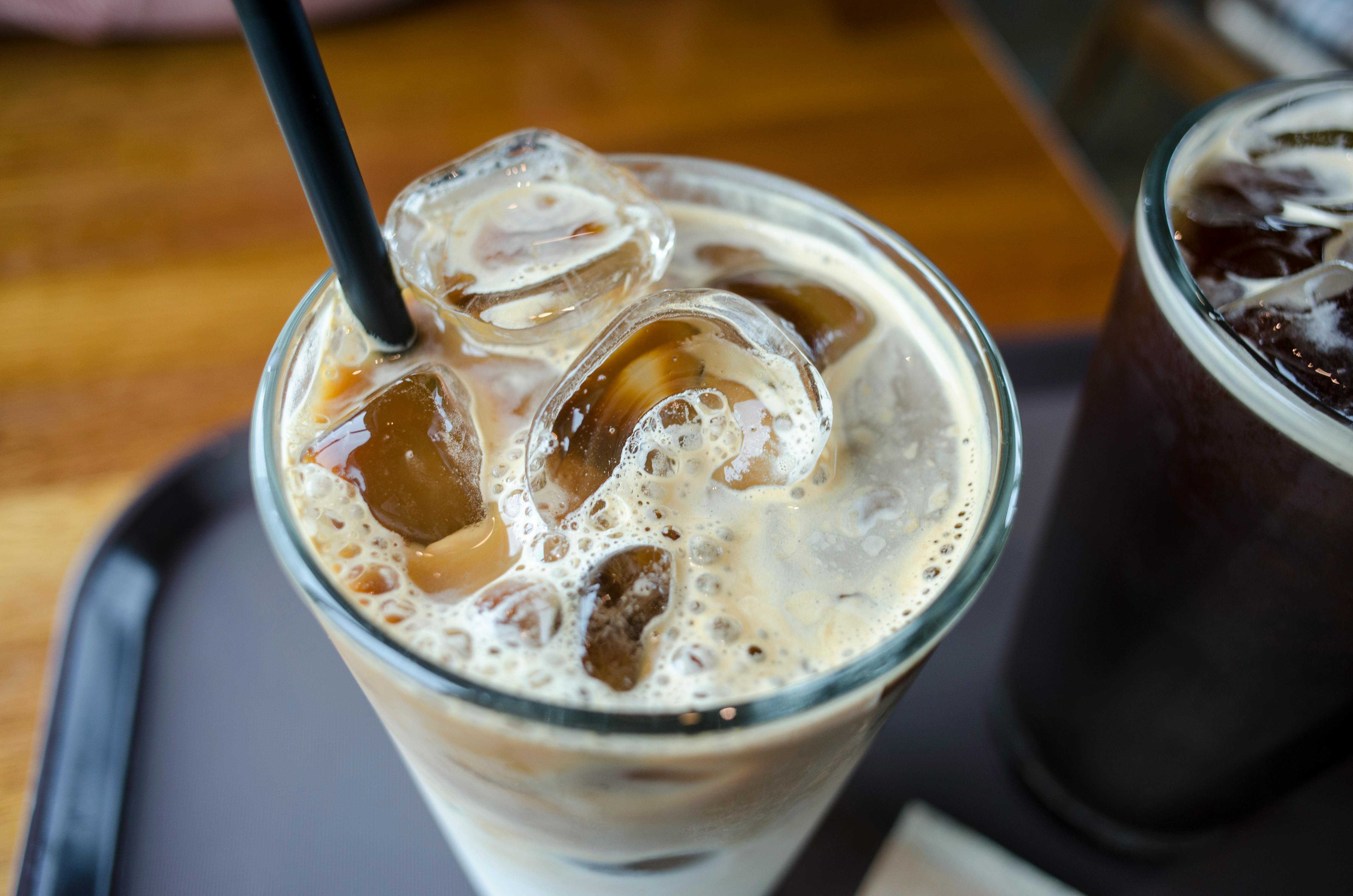
What makes this warning important is not just one trendy beverage. It is the larger habit of treating drinks as harmless, even when they are delivering a dessert-level load of sugar and a stimulant-level dose of caffeine. Liquids go down fast, and that can hide their nutritional impact.
Reading menus more critically can help. Size, syrup count, cream add-ins, and caffeine content all matter, and many chains now provide nutrition details that make comparison easier. A drink that looks similar to another one may differ dramatically once the customizations pile up.
Summer should feel energizing, not draining. Dietitians say the smartest approach is not perfection but awareness: enjoy the occasional indulgent drink, but do not let it become your default thirst solution when the heat is already asking more of your body.




Leave a Reply