
Canada's reputation for doughnuts is not just a stereotype. It is often summed up with one striking claim: Canadians eat more doughnuts per person than people in any other country, a habit shaped by chain coffee shops, daily routines, and a strong attachment to familiar food brands.
That appetite also fits a broader pattern. Canadians consume 55% more boxes of Kraft Dinner per capita than Americans, a reminder that convenience foods and recognizable brands hold a special place in the country's food culture.
The Tim Hortons doughnut case

A doughnut in Canada is often more than a sweet snack, it is part of a coffee run, a work break, or a road trip stop. Tim Hortons sits at the center of that story because its shops are woven into everyday life in cities, suburbs, and small towns across the country.
That familiarity helps explain why doughnuts remain so visible in Canada's food identity. A chain with broad reach makes doughnuts easy to buy, easy to share, and easy to treat as an ordinary part of the day rather than a special occasion dessert.
In blind taste tests described by chefs, Tim Hortons doughnuts stood out for having a more handmade look and feel than Dunkin's. That detail matters because appearance shapes expectations, and a less uniform doughnut can seem closer to something from a local bakery than from a factory line.
A country attached to food brands
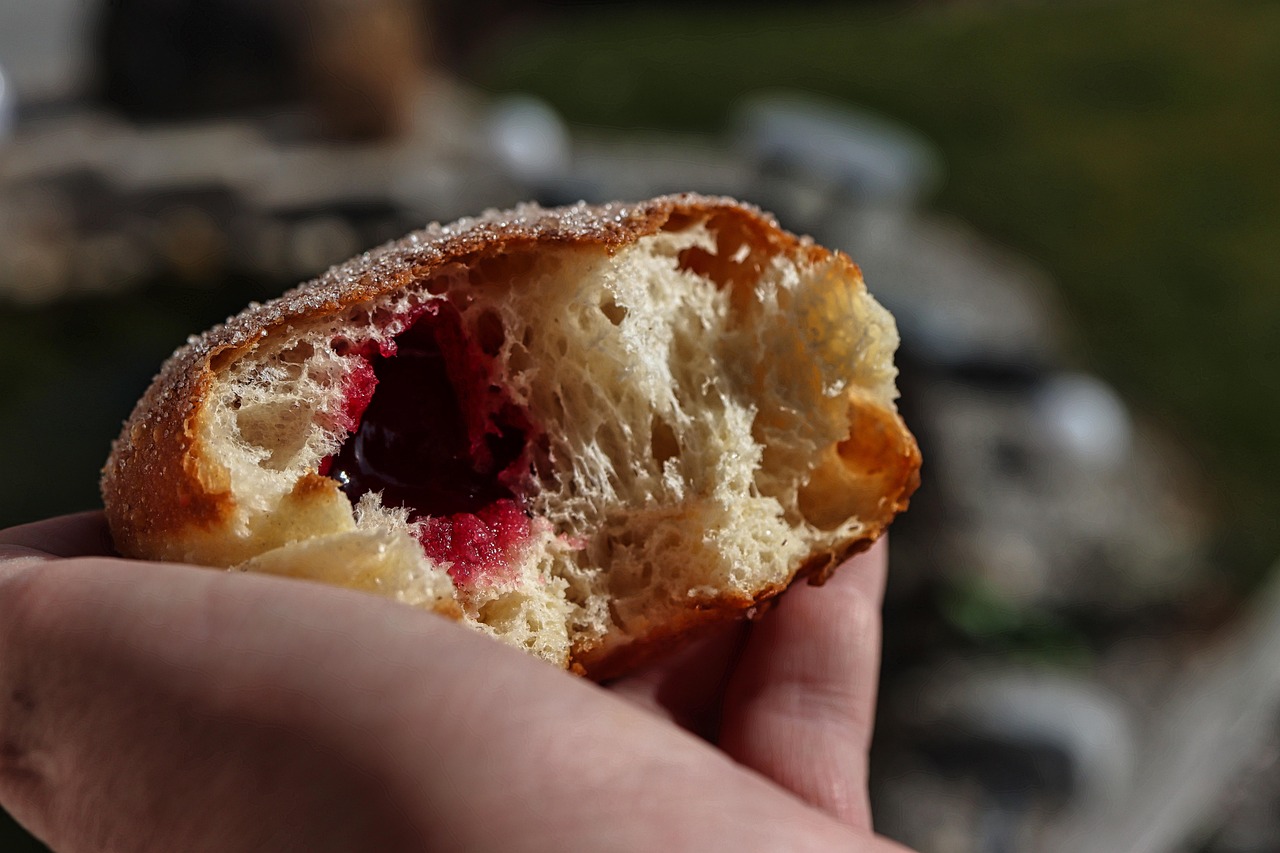
Canada's doughnut habit makes more sense when you look beyond bakeries. The same country that embraces Tim Hortons also consumes 55% more boxes of Kraft Dinner per capita than Americans, showing how deeply many Canadians identify with familiar grocery and restaurant brands.
That does not mean taste never matters. It means trust, routine, and recognition can matter just as much. A recognizable box or storefront often signals consistency, and consistency is powerful in everyday eating habits.
Food brands also become cultural shorthand. In Canada, certain names do more than sell products, they mark routines, childhood memories, and shared references. Doughnuts fit neatly into that pattern because they are inexpensive, widely available, and strongly linked to a brand many people have known for years.
Doughnuts as an everyday routine
One reason high doughnut consumption can persist is simple: doughnuts work well with daily schedules. They are portable, relatively cheap, and easy to pair with coffee during a commute, a shift break, or a quick stop between errands.
That makes them different from desserts that are tied to formal meals. A doughnut can be breakfast, a snack, or something bought for an office tray. The same product moves across several parts of the day, which naturally increases how often people buy it.
In practical terms, this kind of food succeeds because it asks very little of the customer. There is no wait for table service, no need for planning, and no special setting required. In a country where chain coffee shops are deeply established, that convenience supports steady, repeat purchases.
What chefs noticed in blind tastings

Blind tasting strips away logos and habits, which is why chef reactions are useful here. In the comparison referenced in your notes, Tim Hortons doughnuts were described as having a more handmade look and feel, while Dunkin's was said to leave an artificial aftertaste.
That does not make one chain universally better. It does show that visual texture and finish can shape a taster's impression even before brand loyalty enters the picture. A doughnut that looks slightly less standardized may feel more appealing to people expecting a fresher product.
The same tasting produced a less flattering result for coffee. Both Tim Hortons and Dunkin' coffees were described as equally flavorless. That contrast is revealing because it suggests the doughnut experience, not the coffee itself, may be doing more of the cultural work in keeping the ritual alive.
The coffee and doughnut pairing
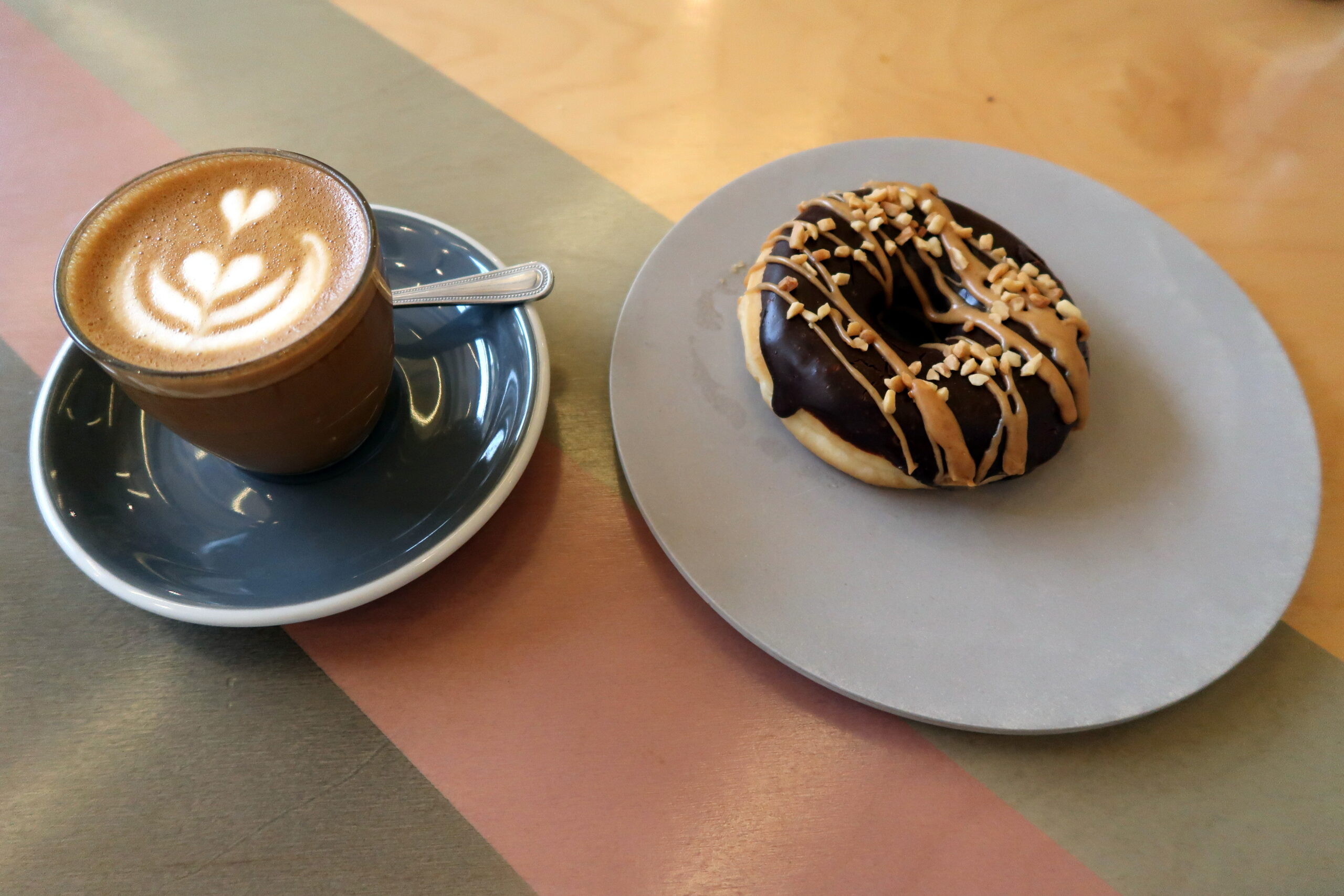
The classic pairing still matters, even if the coffee did not impress chefs in that particular blind test. Coffee gives doughnuts a practical role in the day, turning them from a treat into part of a morning or afternoon routine.
That pairing also helps chains sell familiarity as much as flavor. People often return for a predictable combination, the cup, the bag, the short stop, and the feeling of continuity. In that sense, the ritual can matter as much as the product.
For doughnuts, that is a major advantage. A food that can attach itself to a daily beverage gains repeat business automatically. In Canada, where coffee chains are part of ordinary life, doughnuts benefit from that built-in rhythm.
Why the claim endures

The idea that Canadians eat more doughnuts than anyone else persists because it matches visible habits. The country has a strong chain culture, a documented affection for familiar food brands, and a snack that fits neatly into daily life.
The Kraft Dinner comparison helps round out that picture. When Canadians consume 55% more boxes per capita than Americans, it points to a broader comfort with foods that are dependable, recognizable, and closely tied to national identity.
So the doughnut claim resonates for more than one reason. It is about what people eat, but also about how they eat: on the go, through routines, and with brands that feel deeply familiar. That combination helps explain why doughnuts occupy such a lasting place in Canada's food story.




Leave a Reply