

Coffee can taste like chocolate, citrus, nuts, flowers, or even tomato, and those differences are not random. A cup's flavor is shaped by where the coffee grew, how the fruit was processed, how the beans were roasted, and how you brewed them at home.
High mountains, slower cherries
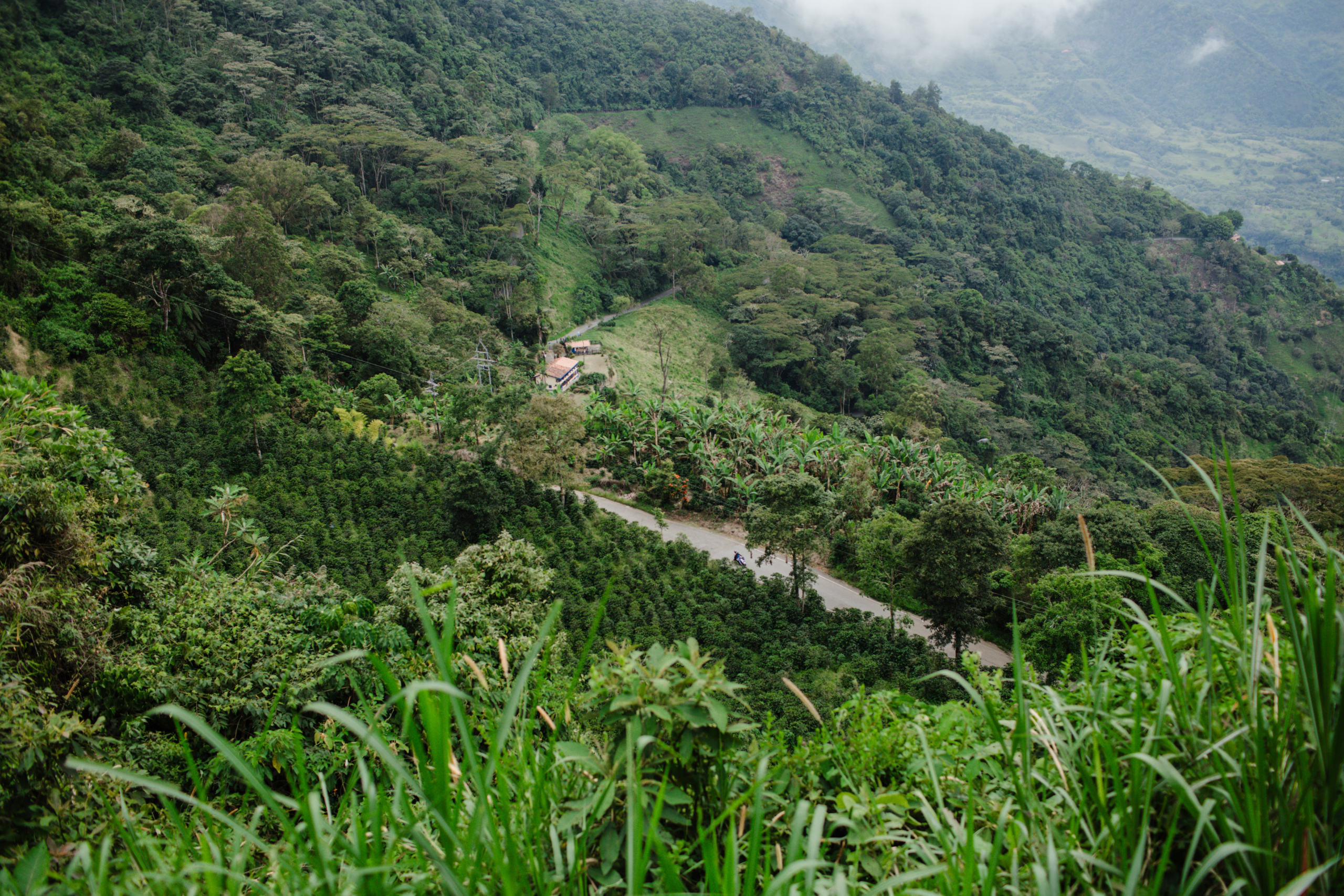
Altitude is one of the easiest coffee ideas to misunderstand, partly because people often use "elevation" and "quality" as if they mean the same thing. In reality, elevation matters because it changes the growing conditions around the coffee plant. Higher farms are usually cooler, and cooler temperatures slow down how fast coffee cherries ripen on the tree.
That slower development often gives the seed inside the cherry, the coffee bean, more time to build dense structure and complex flavor. Many coffees grown at higher elevations are known for brighter acidity and more distinct fruit or floral notes. In practical terms, that can mean a washed Ethiopian coffee that tastes tea-like and citrusy, or a high-grown Colombian coffee with red fruit and caramel notes that feel layered rather than flat.
Still, altitude is not a magic switch. Variety, soil, rainfall, shade, harvest timing, and processing all matter too. A lower-elevation coffee can still taste sweet and balanced, and a high-elevation coffee can still disappoint if it is poorly handled. That is why many coffee labels mention elevation as one clue rather than a guarantee.
You may also see meters above sea level listed on a bag. That number tells you where the coffee was grown, not how acidic or strong it will definitely taste. Think of elevation as the setting that helps shape potential. It often points toward a certain flavor style, but it works together with many other factors before anything reaches your mug.
Acidity means brightness, not stomach pain
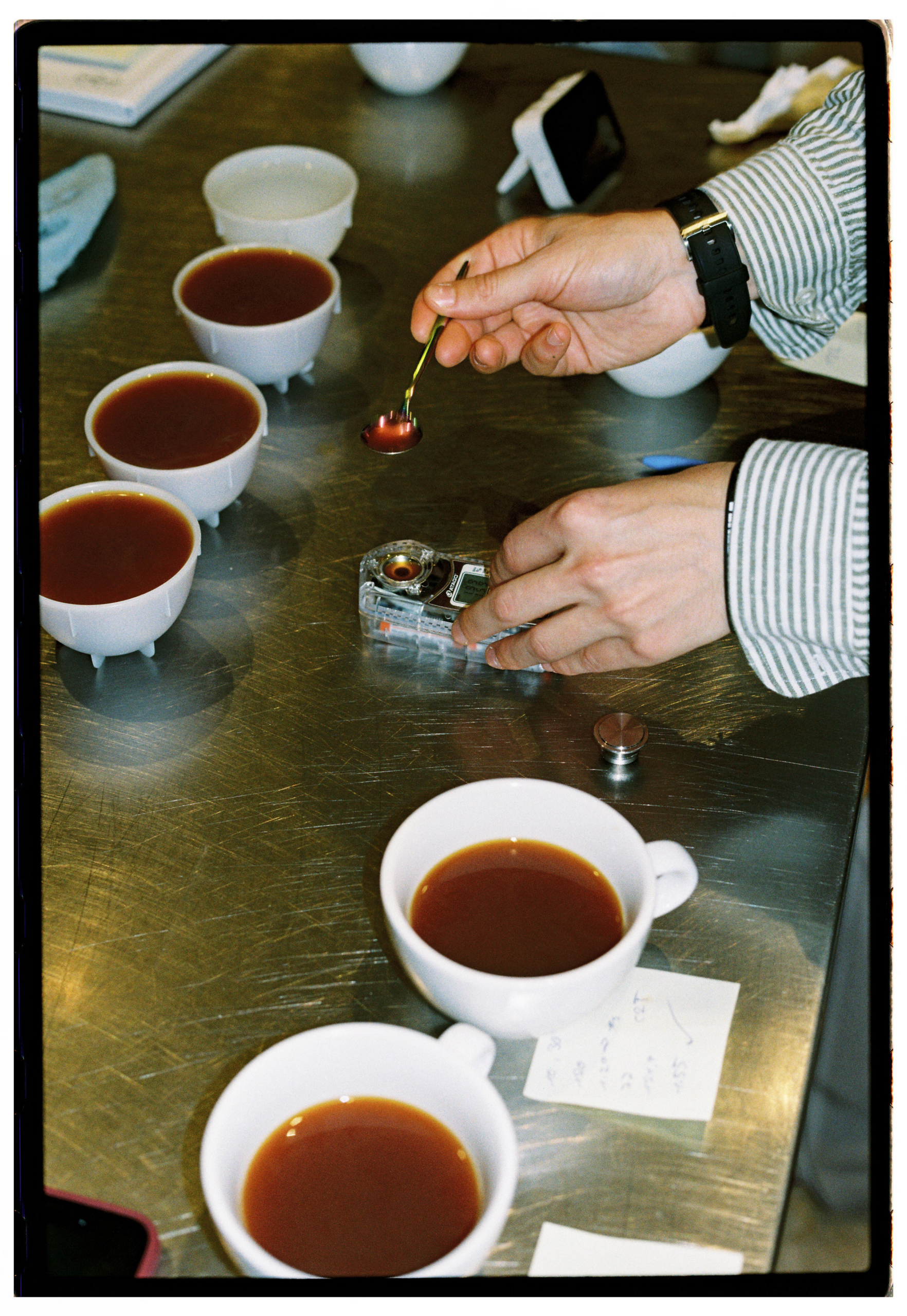
For many drinkers, "acidity" sounds like a warning label. In coffee tasting, though, acidity usually refers to a pleasant brightness that gives the cup energy and structure. It is the quality that can make a sip seem crisp, lively, or juicy, much like the sensation you notice in an apple, orange, or ripe berry.
When tasters describe acidity, they are not always talking about pH in a scientific sense. They are describing how the coffee feels and where its flavors land on the palate. Citric acidity can suggest lemon, orange, or grapefruit. Malic acidity often brings apple or pear impressions. Tartaric acidity may remind people of grapes. In a well-balanced coffee, that brightness lifts sweetness instead of fighting with it.
Acidity tends to stand out more in coffees grown at higher elevations, especially when the roast is lighter and the brewing highlights clarity. Washed coffees often present acidity in a clean, precise way because the fruit is removed before drying, allowing the bean's inherent character to show more clearly. By contrast, darker roasts can mute bright acids and shift the cup toward roast-driven flavors like smoke, bittersweet chocolate, or char.
This is why one coffee can be described as highly acidic and still taste elegant rather than sharp. If the coffee also has sweetness and enough body, acidity becomes balance, not harshness. The useful takeaway is simple: in tasting language, acidity usually signals freshness and definition. It is one of the main reasons specialty coffee can feel vivid instead of dull.
Processing changes flavor before roasting begins
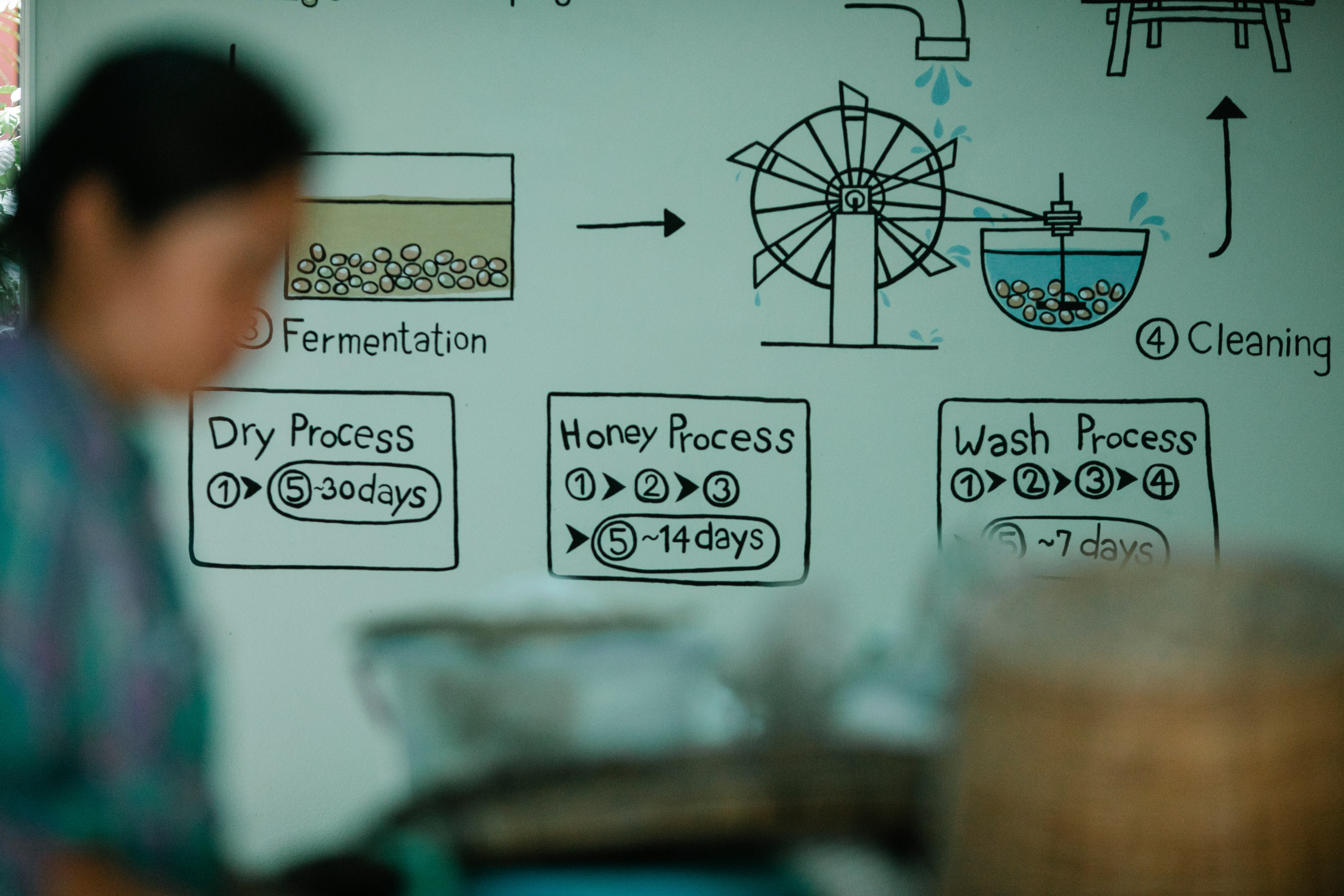
Long before roasting, coffee goes through a crucial step called processing. This is the method used to remove or dry the fruit around the seed after harvest, and it can dramatically change the final flavor. If elevation shapes potential, processing decides how much fruit character, clarity, or body you are likely to taste later.
In washed processing, the fruit is removed and the beans are cleaned before drying. This method often produces cups that taste clear, crisp, and easy to separate into distinct notes. Many washed coffees show floral aromas, citrus, stone fruit, or cocoa with a tidy finish. If someone says a coffee tastes "clean," washed processing is often part of the reason.
Natural processing works differently. The whole cherry dries with the bean still inside, which can push more fruit sweetness into the final profile. Naturals are often associated with berry, tropical fruit, jam, and heavier body. They can be deeply expressive, but they can also taste fermenty or uneven if drying is not carefully controlled. Honey processing sits between these styles, leaving some sticky fruit mucilage on the bean during drying and often producing a mix of sweetness, round body, and moderate clarity.
For a beginner, processing can be one of the fastest ways to understand why two coffees from the same country taste so different. A washed Costa Rican coffee may seem crisp and citrus-forward, while a natural from the same region can lean toward ripe fruit and syrupy sweetness. Once you know the process on the label, you have a better idea of what kind of cup to expect before you brew.
Roast level can reveal or cover origin
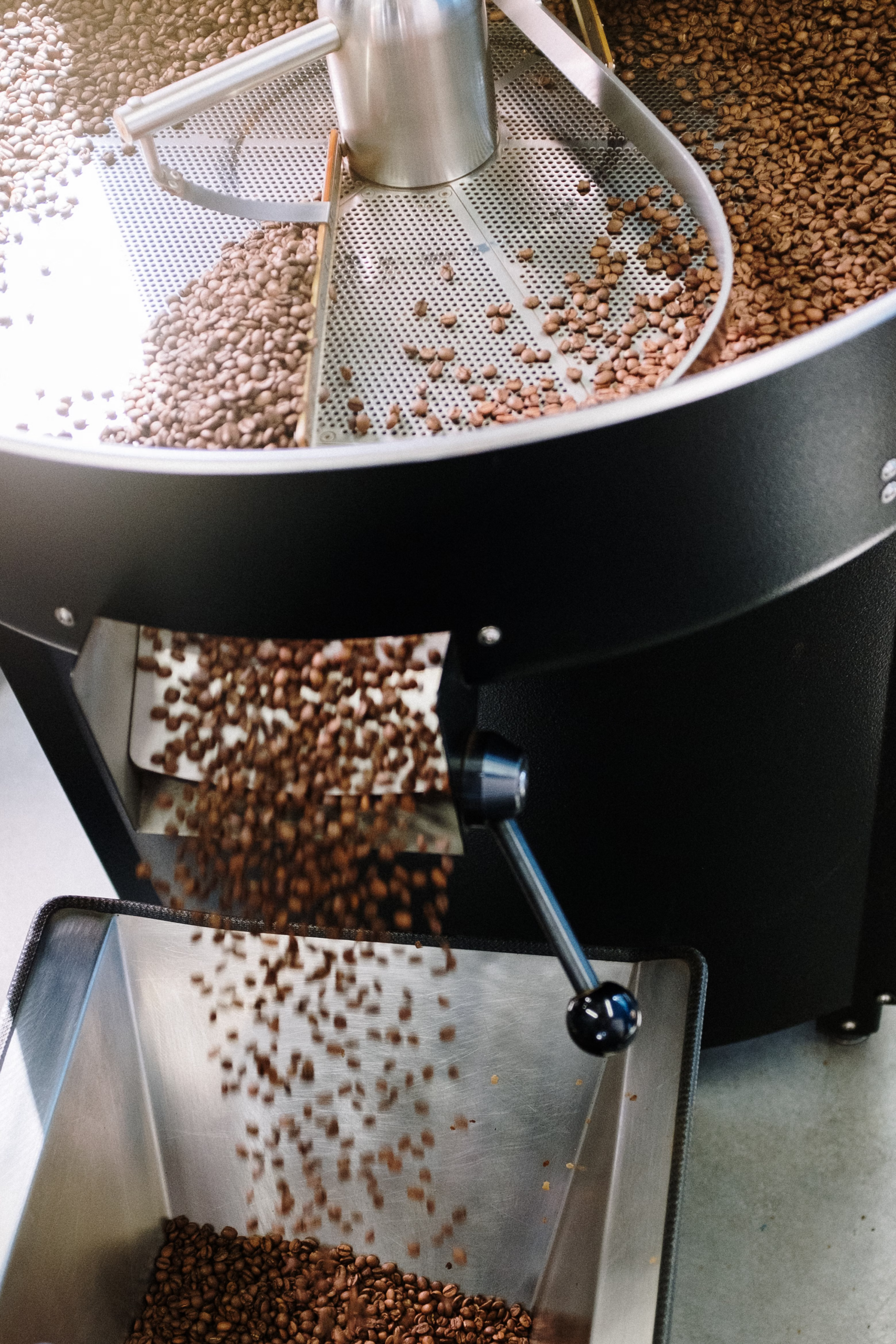
Roasting is where the green coffee is transformed into the brown bean most people recognize, and it has enormous influence over flavor. Heat triggers a long chain of changes inside the bean, developing sweetness, aroma, body, and bitterness. Roast level also determines how much of the coffee's origin character you will still be able to taste in the finished cup.
Lighter roasts usually preserve more of the bean's original identity. That is where you are more likely to notice floral notes, bright citrus, crisp apple-like acidity, or distinct regional character. A light roast from Kenya might show blackcurrant and grapefruit, while a light roast from Ethiopia may lean jasmine and lemon. These coffees can seem more transparent because the roast is not the loudest flavor in the room.
As roasts move darker, roast-created flavors become more dominant. Sugars caramelize further, acidity softens, and notes like cocoa, roasted nuts, smoke, or bittersweet chocolate become more prominent. That can be comforting and familiar, especially in espresso blends, but it can also blur the distinctions between one origin and another. A very dark roast may tell you more about the roaster's style than the farm where the coffee grew.
This does not make dark roast bad or light roast better. It simply changes the balance of what you taste. If your goal is to learn how elevation, acidity, and origin shape flavor, lighter to medium roasts often make those differences easier to notice. If your goal is a fuller, roastier cup with lower perceived brightness, a darker roast may be exactly what you prefer.
Brewing decides what reaches your cup
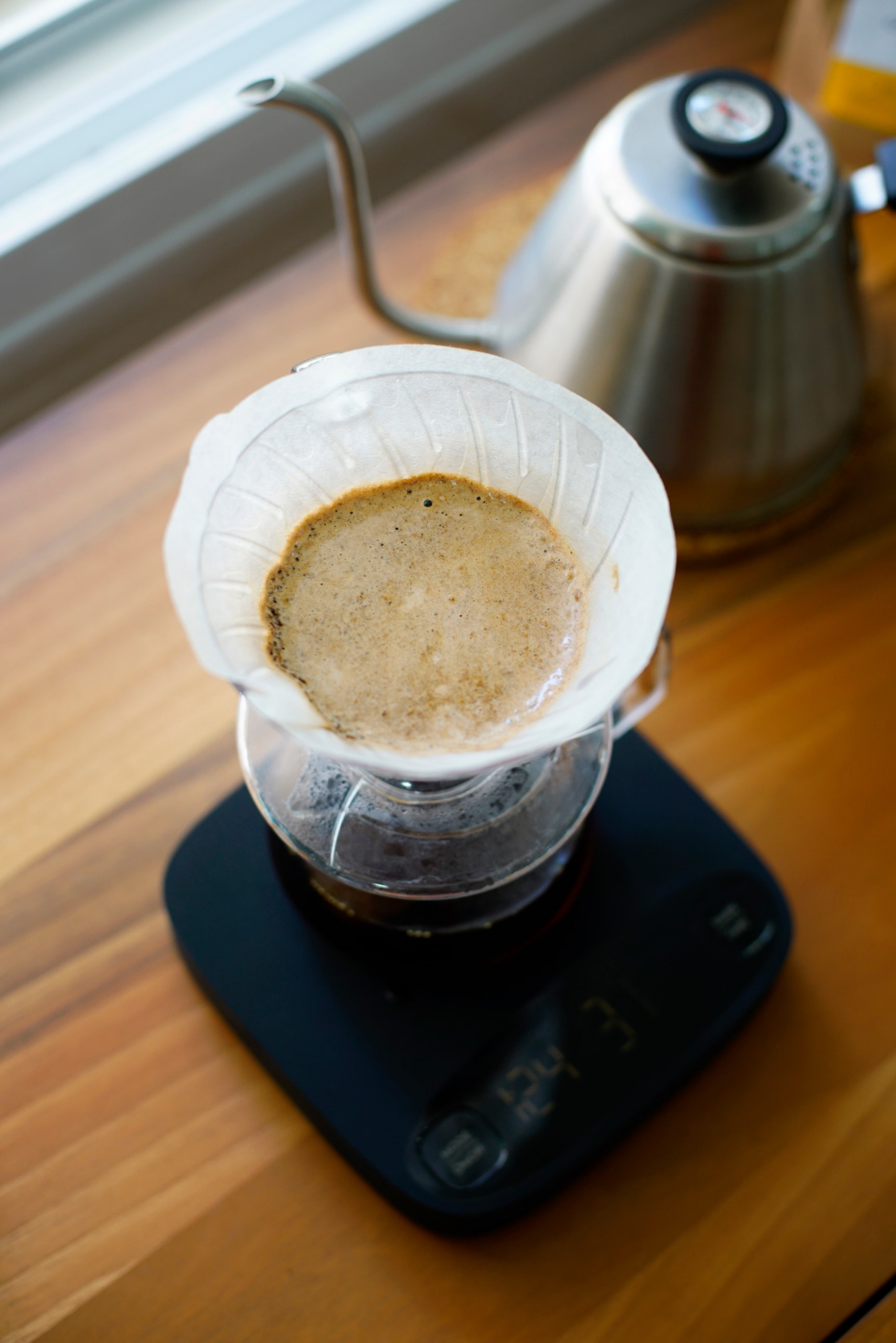
Even a beautifully grown and roasted coffee can taste flat if it is brewed poorly. Brewing is extraction, the process of dissolving flavors from ground coffee into water. When too little is extracted, coffee can taste sour, thin, or unfinished. When too much is extracted, it can turn bitter, drying, and hollow. The same beans can seem lively or disappointing depending on this final step.
Grind size is one of the biggest variables. Water moves quickly through coarse grounds and more slowly through fine grounds. If your coffee tastes sharp and weak, the grind may be too coarse or the brew too short. If it tastes harsh and overbearing, the grind may be too fine or the contact time too long. This is why a French press, pour-over, and espresso all require different grind sizes and techniques.
Water temperature matters too. Hotter water generally extracts more quickly, while cooler water can under-extract and leave flavors muted. Brew ratio also changes what you perceive. Using more coffee for the same amount of water can increase intensity, but intensity is not the same as complexity. A strong brew can still hide delicate notes if the balance is off.
For understanding flavor, consistency is your best tool. Brewing the same coffee the same way a few times makes it easier to notice what is really in the bean. Once your method is stable, you can compare a high-grown washed coffee to a lower-grown natural and actually taste how elevation, processing, and roast show up in the cup, instead of guessing through brewing mistakes.
Tasting coffee becomes easier with simple comparisons
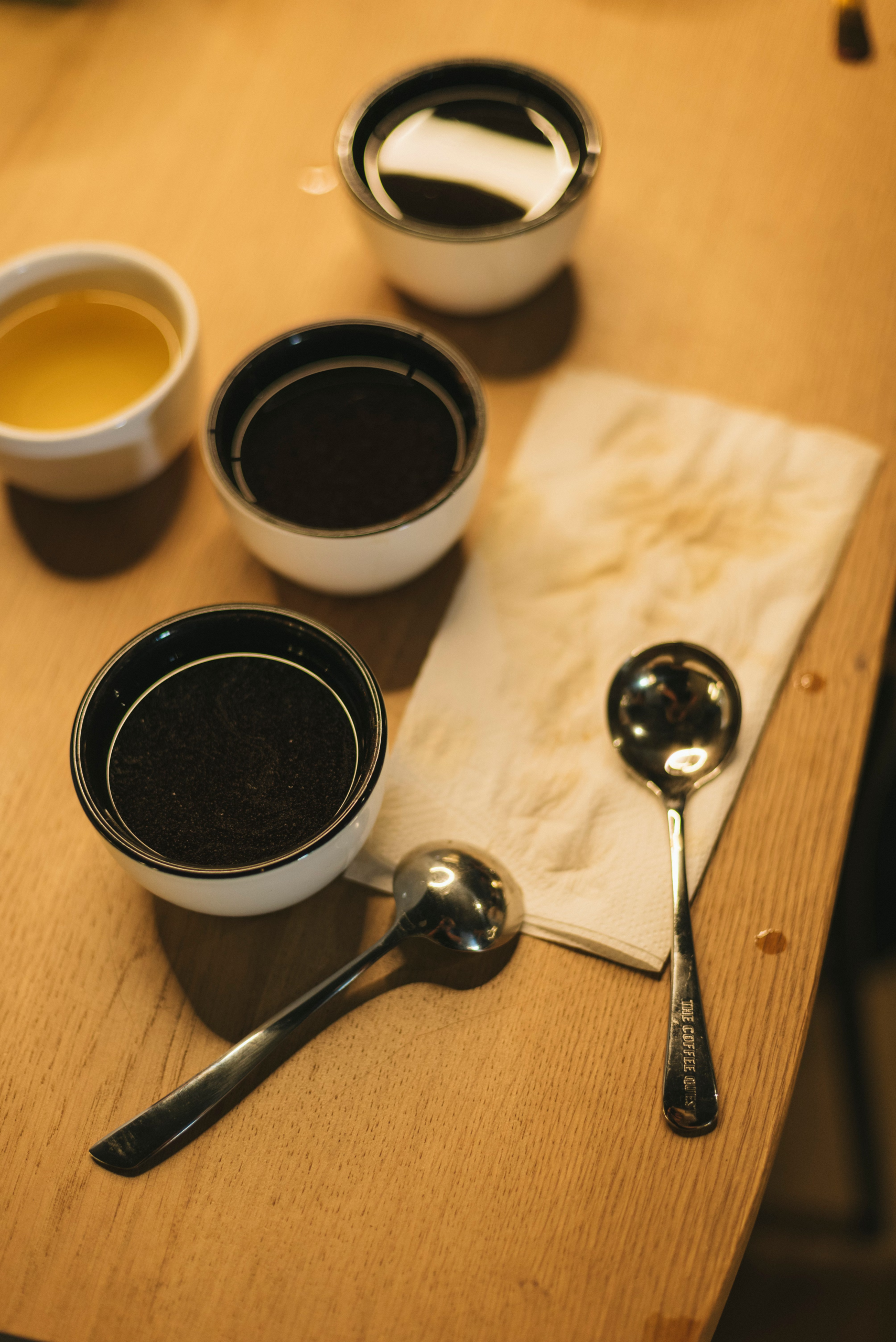
Coffee education often sounds more intimidating than it needs to be. You do not need a trained palate or a wall of tasting gear to understand what is in your cup. The easiest way to learn is by comparing coffees side by side and paying attention to a few core traits: acidity, sweetness, body, and finish.
Start with a simple comparison, such as two coffees roasted around the same level but grown in different places. One may taste brighter and more citrusy, while the other feels rounder and more chocolate-forward. Then compare different processing methods from a similar region. A washed coffee may seem cleaner and more defined, while a natural version can taste fruitier and heavier. These direct contrasts teach more than memorizing flavor notes ever will.
It also helps to use familiar food references. If a coffee reminds you of orange, apple, cocoa, toasted almond, or berry jam, that is enough. Tasting language is not about being fancy. It is about finding a useful comparison for what you sense. Many of the words on coffee bags are best treated as clues, not promises. They point you toward likely impressions rather than guaranteeing that every drinker will taste the exact same thing.
Over time, the big ideas begin to connect. Higher elevation often points toward denser beans and brighter structure. Acidity usually means liveliness, not harshness. Processing can add clarity or fruitiness, roast level can reveal or mute origin, and brewing determines how clearly all of that comes through. Once those pieces click, coffee becomes less mysterious and far more enjoyable.




Leave a Reply