
Few brand myths have lasted as stubbornly as this one. The story that Coca-Cola was originally green sounds believable, but it does not hold up against the historical record.
Where the Green Coca-Cola Myth Came From
At first glance, the myth seems easy to accept because Coca-Cola began as a syrup made from plant-derived ingredients. In 1886, pharmacist John Stith Pemberton created the drink using coca leaf extract, kola nut, sugar, and flavoring oils, and people often assume that a botanical recipe must have produced a green liquid.
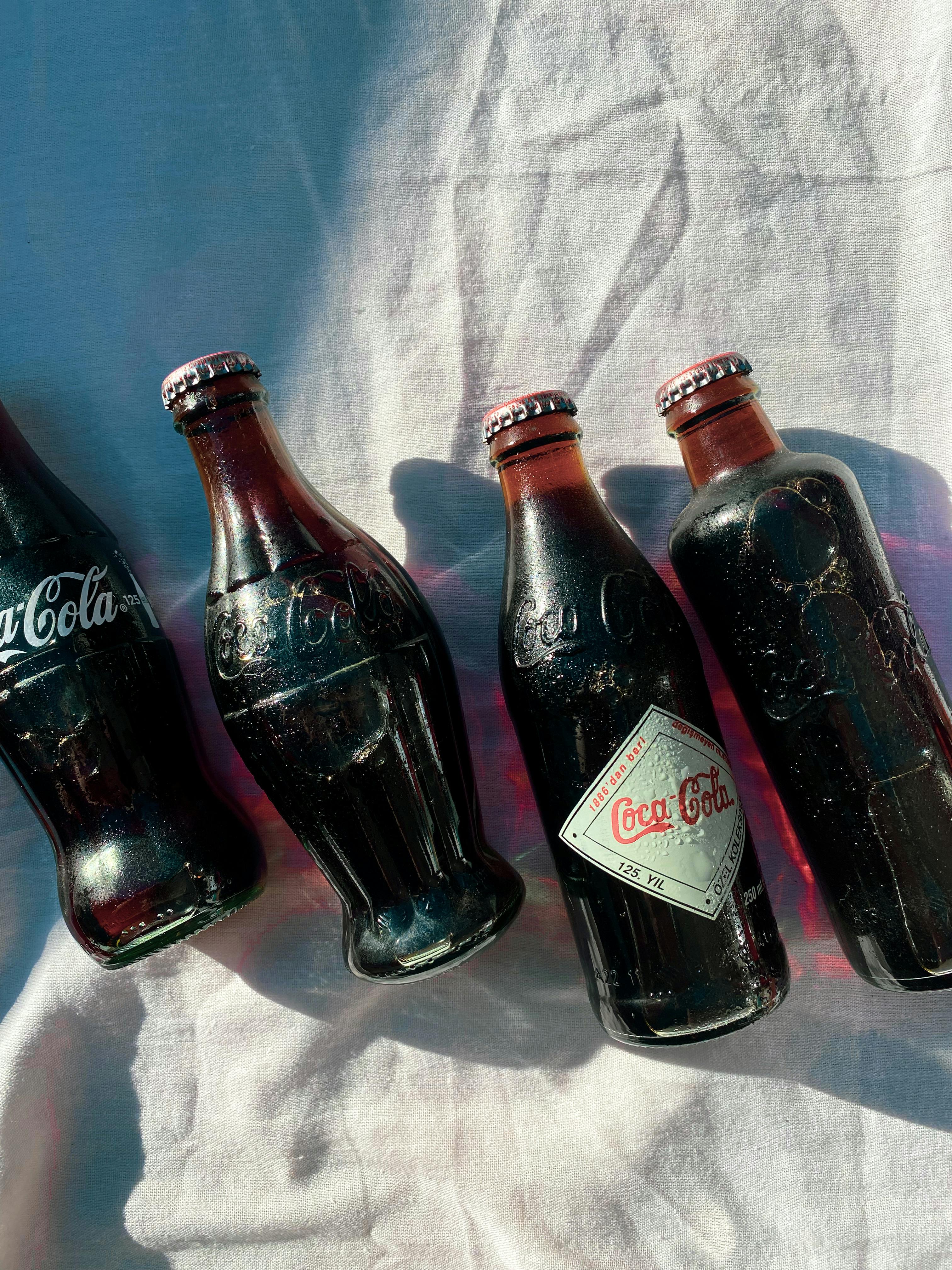
Another reason the rumor spread is the company's early packaging. Vintage Coca-Cola bottles were often made from green-tinted glass, especially before modern clear bottling became standard. Many people later confused the color of the bottle with the color of the beverage inside, and the misunderstanding took on a life of its own.
The myth also benefited from repetition. Trivia books, casual conversations, and early internet fact lists repeated the claim so often that it started to sound like established history. Yet company archives, advertisements, and surviving samples all point to the same conclusion: Coca-Cola itself was not green.
What the Original Drink Actually Looked Like
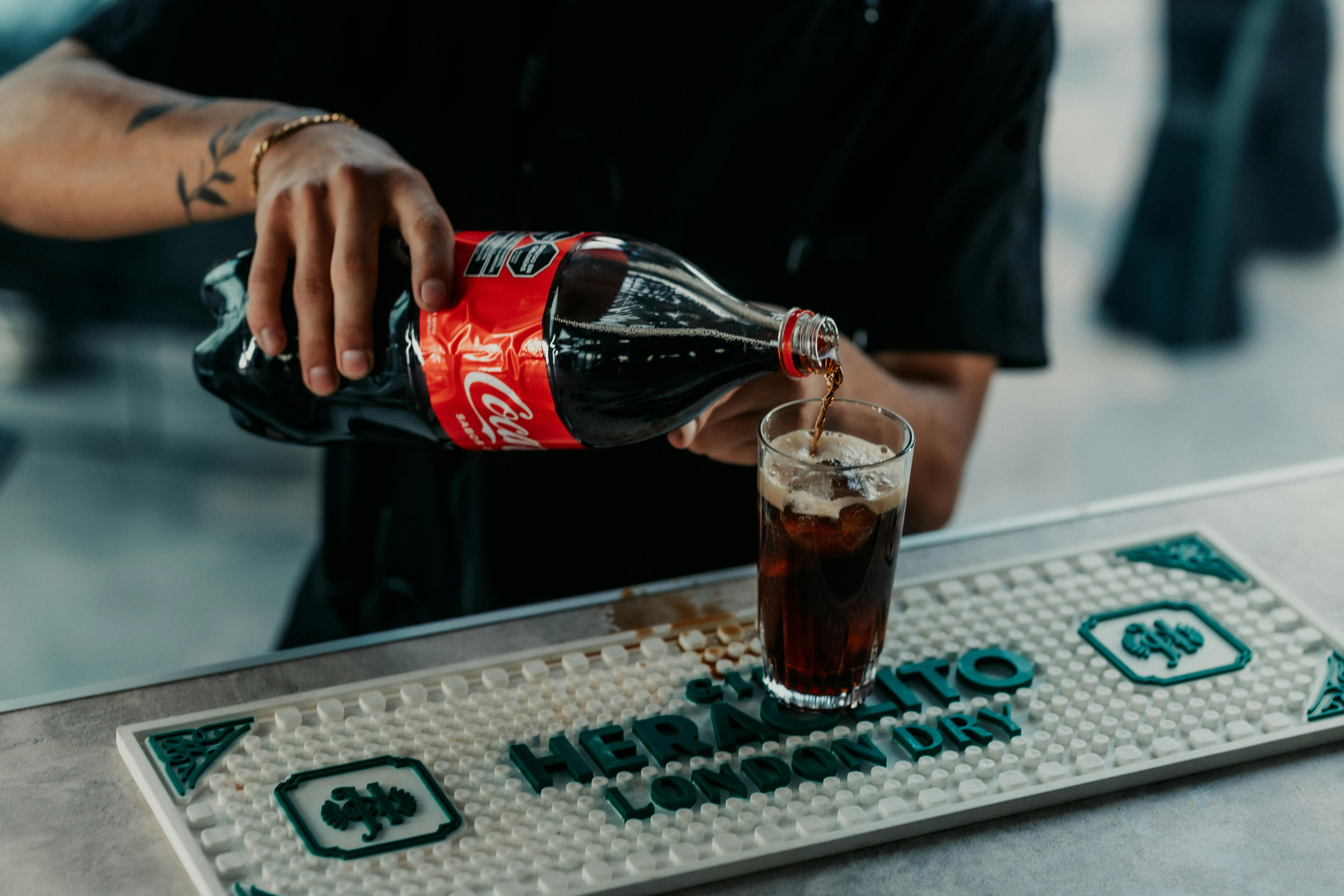
The earliest Coca-Cola was sold as a fountain syrup, not in the iconic contour bottle people know today. When mixed with carbonated water at soda fountains, it produced a dark liquid that looked much closer to modern Coke than the green myth suggests.
That color came largely from caramelized sugar and the syrup's concentrated blend of flavorings. Even in the late 19th century, caramel coloring was widely used in soft drinks, sauces, and spirits to create a rich, consistent brown appearance. Coca-Cola fit squarely into that tradition rather than standing apart from it.
Historical descriptions support that view. Advertisements emphasized refreshment, stimulation, and taste, but they did not promote a green appearance because no such color identity existed. If Coca-Cola had truly changed from green to brown, there would likely be a clear documentary trail, and there is not.
Why Coca-Cola Is Brown
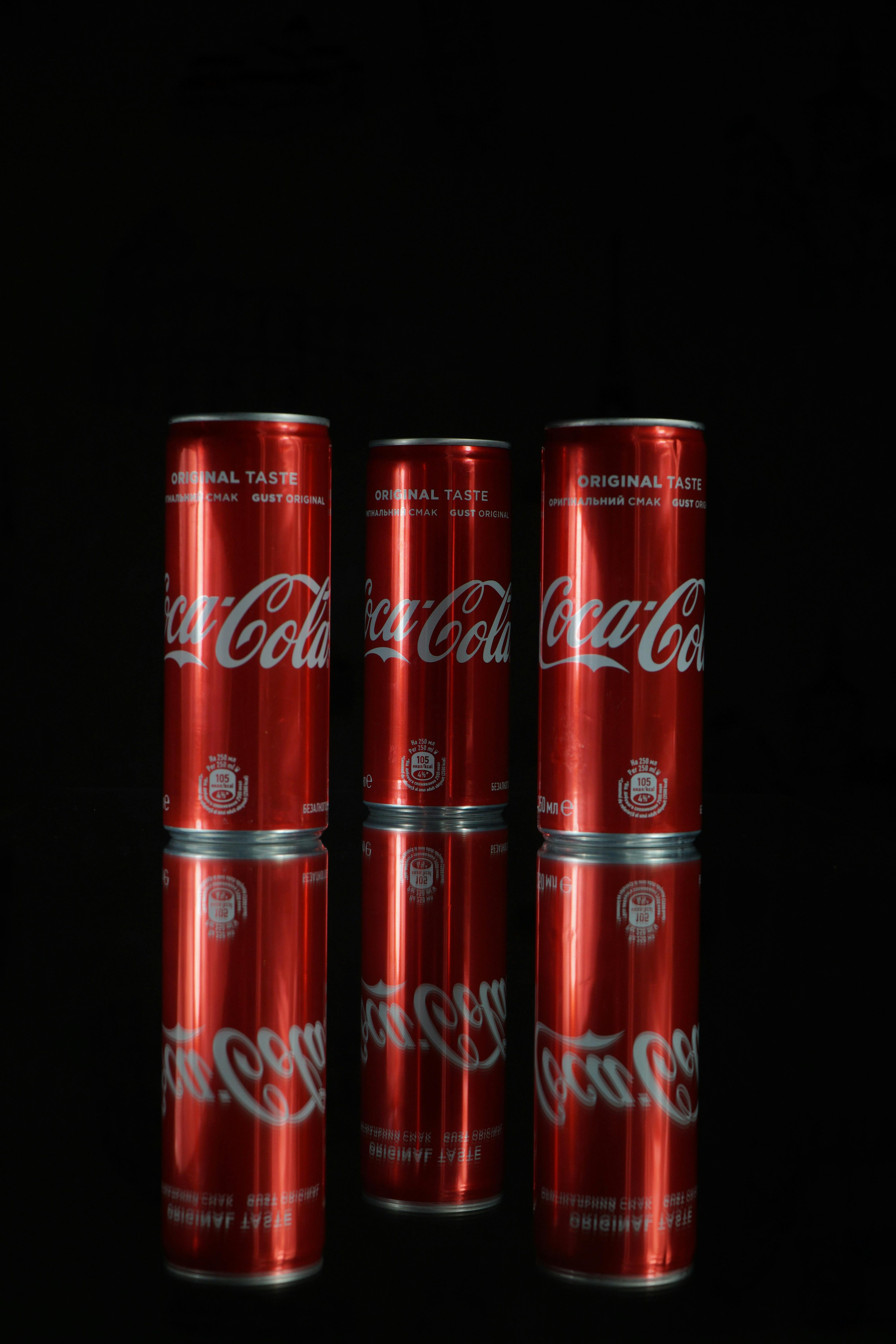
The real explanation is chemistry, not a dramatic recipe overhaul. Coca-Cola's brown color comes from caramel color, an ingredient made by carefully heating carbohydrates such as sugar or corn-derived materials under controlled conditions to produce dark pigments.
This coloring is common across the food industry because it offers stability and visual consistency. A global brand like Coca-Cola depends on consumers seeing the same familiar shade whether they buy a bottle in Atlanta, London, or Tokyo. Color matters because it shapes expectations before the first sip.
Coca-Cola's exact formula remains famously secret, but its visual profile is not mysterious. Food scientists have long noted that caramel color helps beverages maintain a recognizable appearance even when lighting, packaging, and serving conditions vary. In other words, brown is not an accident. It is part of the product's identity.
The Role of Bottles, Branding, and Memory
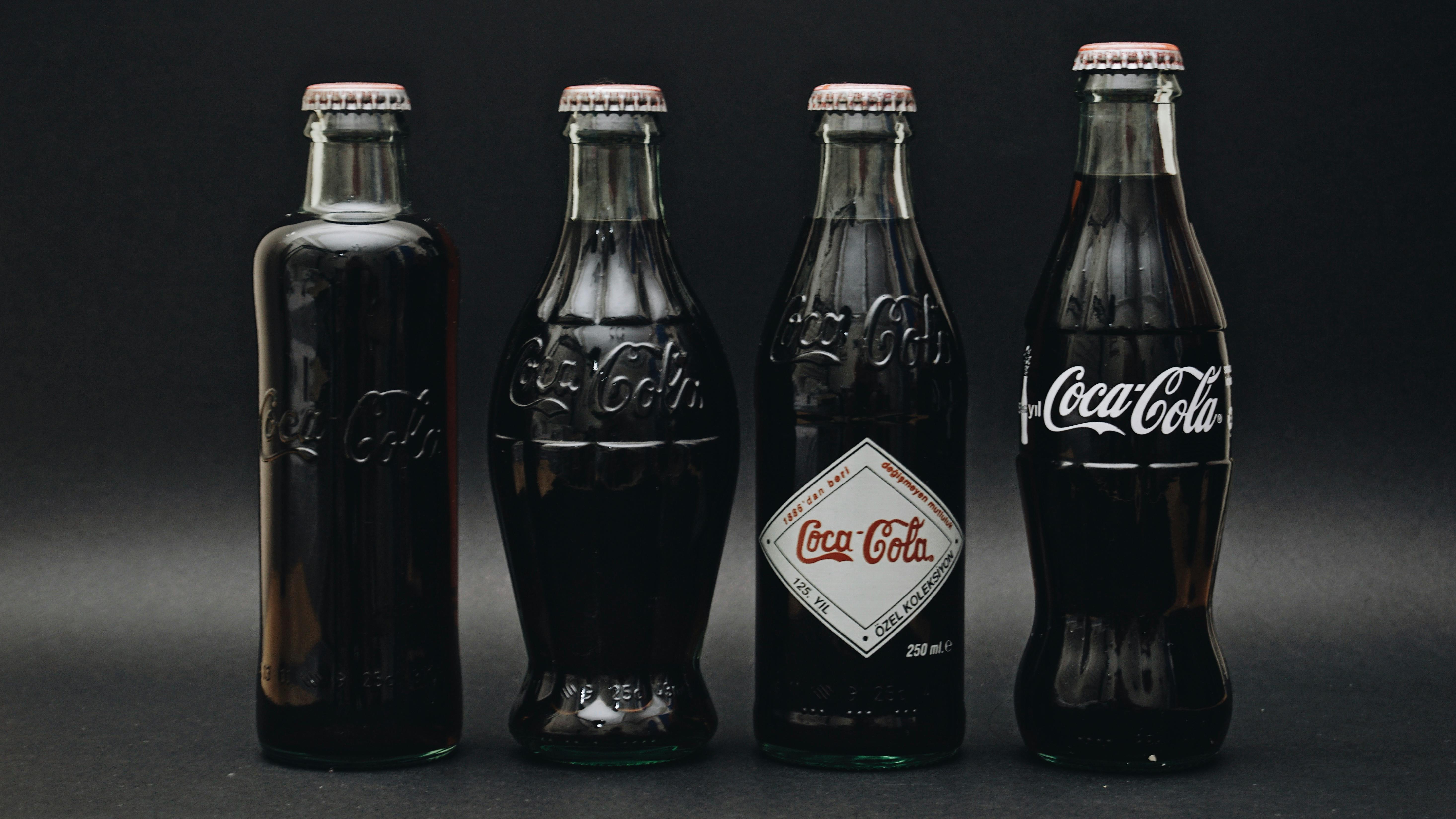
Here is where visual confusion did much of the damage. Early Coca-Cola bottles often had a greenish cast because of the minerals and manufacturing methods used in glass production at the time. Collectors sometimes call that tint "Georgia green," and it became strongly associated with the brand's early image.
When people see an old green bottle and hear that Coca-Cola had unusual ingredients, they connect the dots incorrectly. Human memory is especially vulnerable to vivid details, and a green bottle is more memorable than a routine brown soft drink. Over time, the bottle's color overshadowed the liquid's real appearance.
Branding also played a role. Coca-Cola's red logo, white script, and dark beverage created one of the most recognizable combinations in consumer history. But because those elements became so iconic later, people sometimes assume the brand must have looked radically different in its earliest years. In reality, the core drink color was remarkably consistent.
Did the Formula Ever Change in a Way That Affected Color?

Coca-Cola's formula has changed in some respects over the decades, but not in a way that supports the green-to-brown tale. Adjustments have involved sweeteners, sourcing, caffeine levels, and regulatory changes tied to ingredients such as coca leaf derivatives, not a complete color transformation.
One often discussed ingredient is caramel color itself, which has evolved with industrial food processing standards. Manufacturers have refined how it is produced to meet modern quality, safety, and consistency requirements. Those shifts may alter technical production details, but they do not represent a move from green soda to brown soda.
There have also been temporary line extensions with different appearances, from clear or lightly tinted specialty colas to limited-edition flavors. Those products may fuel confusion among casual consumers, yet they are separate from the original Coca-Cola. The flagship drink's signature dark brown look has been there from the beginning.
The Truth Behind the Famous Claim

So why does this myth refuse to disappear? Because it blends three things people love: a famous brand, a surprising twist, and just enough historical texture to seem plausible. That combination makes it perfect for retelling, even when the evidence says otherwise.
The real story is simpler and more grounded. Coca-Cola was not originally green and then later turned brown. It was a dark caramel-colored drink from its earliest days, while its bottles, ingredients, and folklore gave rise to a much more colorful legend.
In the end, the persistence of the myth says more about public memory than about the beverage itself. Coca-Cola's history is full of genuine changes in marketing, packaging, and global reach. Its color, however, is not one of the mysteries. It has long been part of the brand's unmistakable identity.




Leave a Reply