
Butter tarts look simple, but in Canada they inspire the kind of debate usually reserved for sports or politics. Their history, regional twists and annual competitions help explain why one pastry can divide a room so quickly.
The classic raisin butter tart
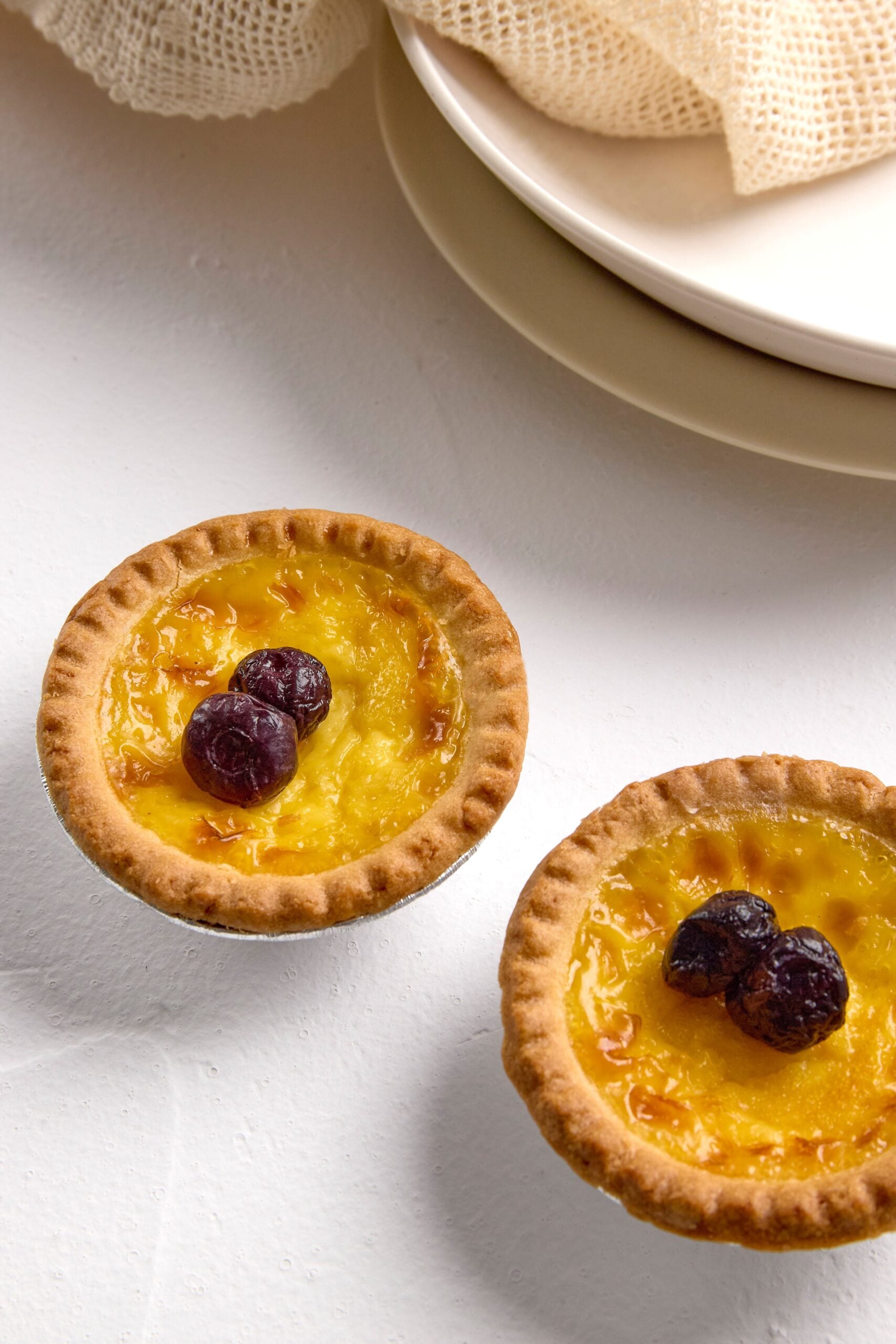
For many Canadians, the standard version starts with raisins. The pastry shell is filled with butter, sugar, syrup and egg, then baked until the top sets while the middle stays soft.
This style is tied to some of the earliest written Canadian recipes. Food historians often point to a butter tart recipe published in The Women's Auxiliary of the Royal Victoria Hospital Cookbook in Barrie, Ontario, in 1900, which helped establish Ontario as the tart's spiritual home.
The raisin debate is serious because dried fruit changes both texture and sweetness. Supporters like the chewy contrast and the way raisins soak up the filling. Critics think they interrupt the pure caramel flavor. That split is a big reason butter tarts remain so personal.
The no raisin purist's tart
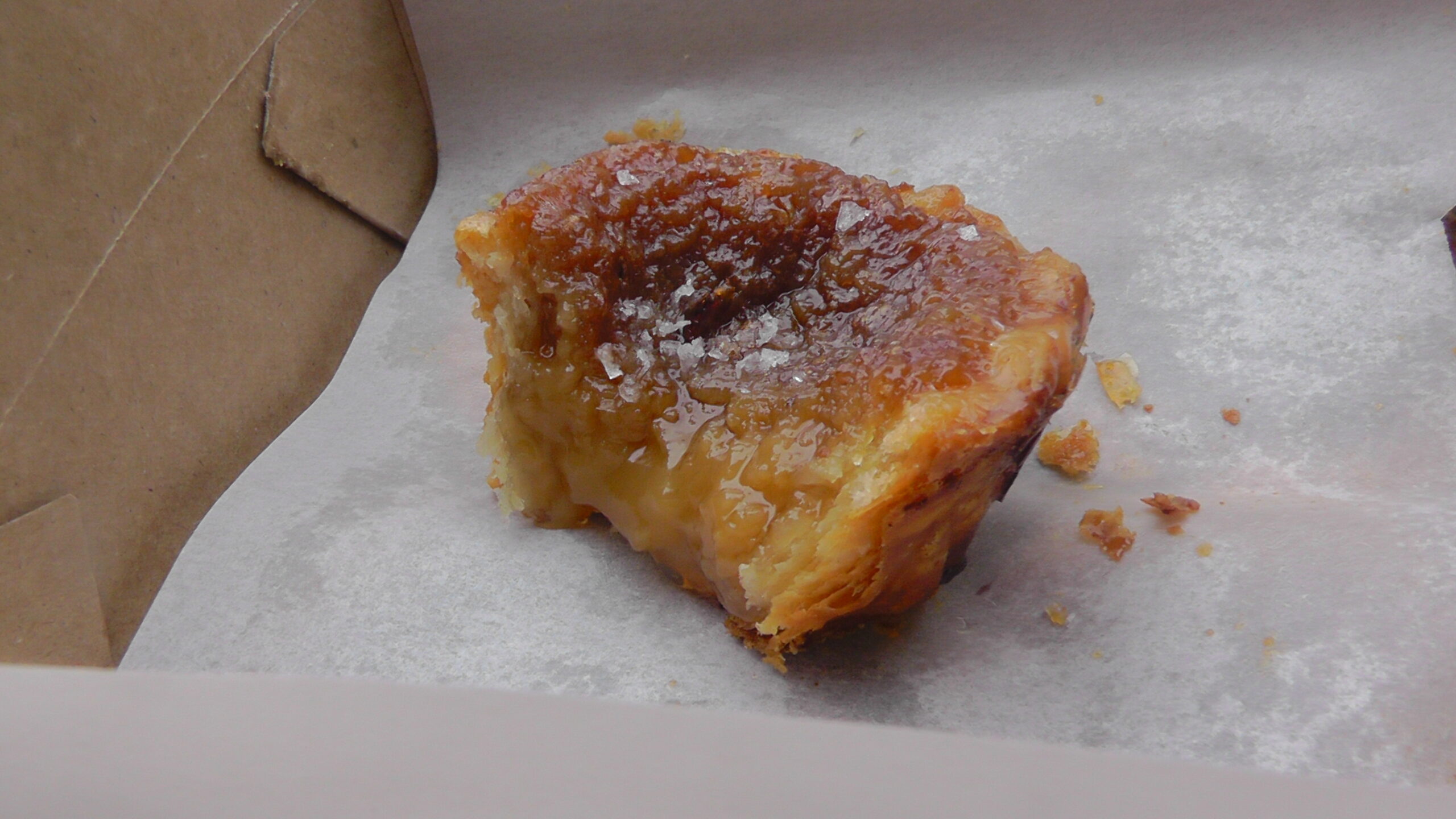
Take away the raisins and the argument only gets louder. Purists who want a plain butter tart usually say the filling should stand on its own, with no fruit or nuts competing for attention.
That filling is the real star: butter, brown sugar or syrup, and egg baked into something between custard and caramel. The texture matters as much as the flavor. Some bakers aim for a set centre, while others want the filling loose enough to spread when warm.
This version often does well with people who care most about balance. Without add-ins, every detail is exposed, from the flakiness of the shell to the sweetness of the syrup. A plain tart can be the hardest one to get right because there is nothing to hide behind.
The walnut butter tart
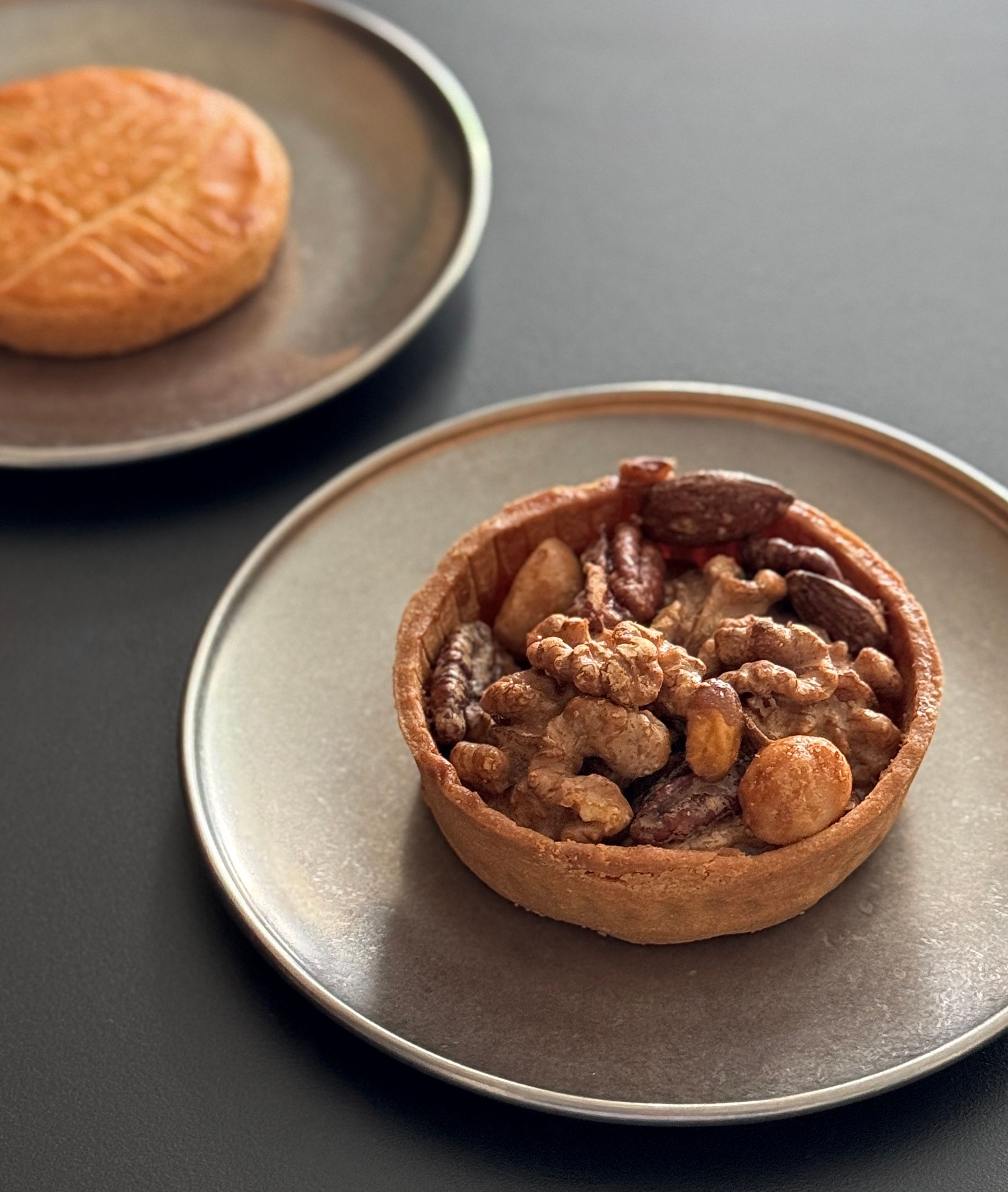
Walnuts bring crunch and a slightly bitter edge that keeps the filling from tasting one-note. For people who find classic butter tarts too sweet, this version can feel more balanced and more grown-up.
Nuts have long appeared in butter tart baking, although they are almost as divisive as raisins. In practice, walnuts change the structure of the tart too. They break up the syrupy centre and create a firmer bite, which some people prefer over a runnier filling.
This is also one of the easiest versions to photograph well, because the craggy tops and toasted nuts add texture. In bakeries, walnut butter tarts often signal a house style that leans less sugary and more old-fashioned, with flavor coming from contrast instead of sheer sweetness.
The pecan butter tart
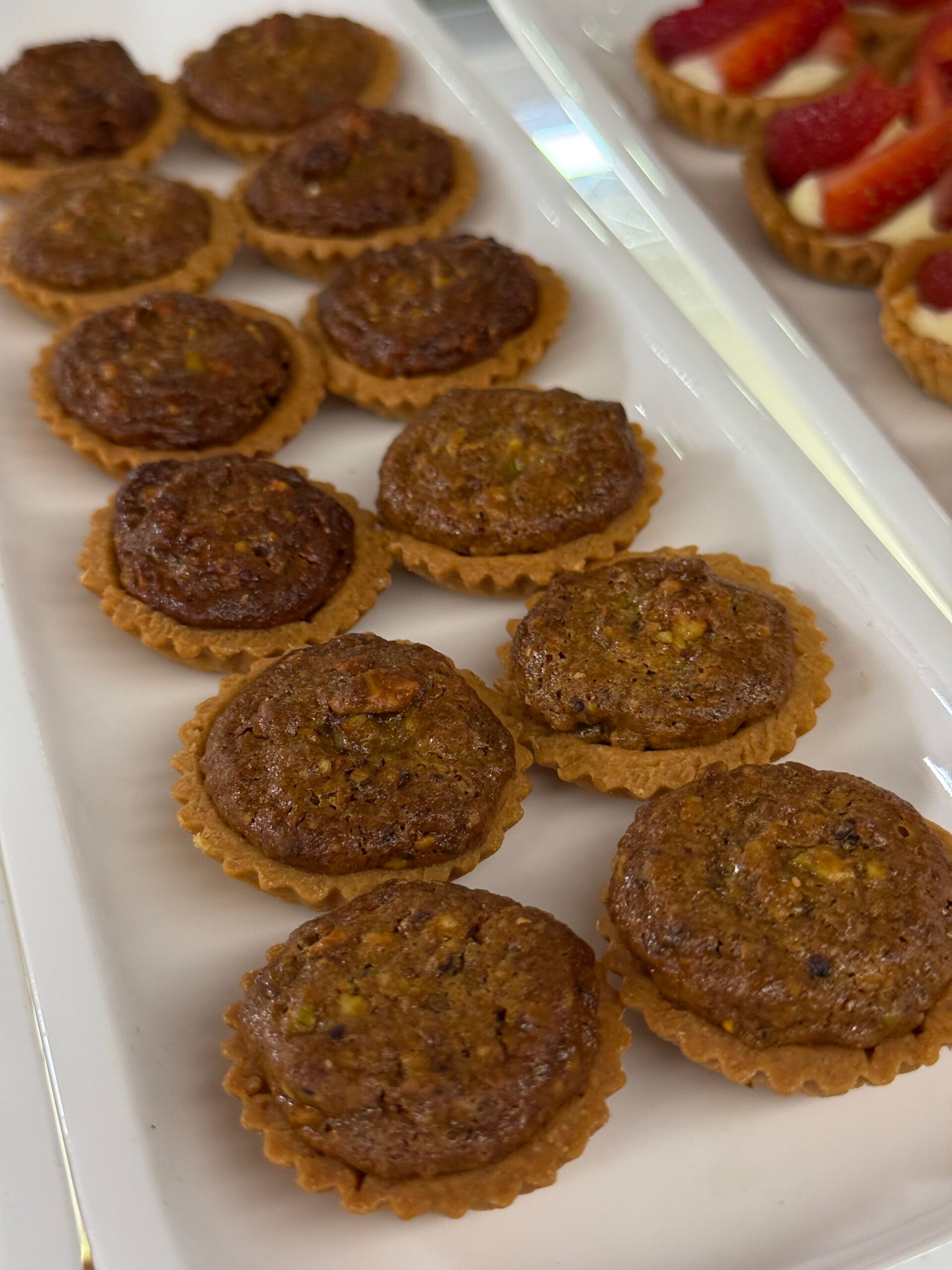
Pecan butter tarts are often treated as a cousin of pecan pie, but the two are not exactly the same. A butter tart is usually smaller, with a thinner shell and a filling that can be runnier than the firmer slice you get from a pie.
Pecans add richness without the sharper flavor of walnuts. They also toast beautifully, which gives the tart a deeper aroma. That makes this version a favorite for holiday trays, where it reads as slightly more luxurious while still staying within the butter tart tradition.
In Canada, the pecan version shows how flexible the pastry is. It can borrow from other dessert traditions without losing its identity. You still have the same core question underneath it all: how sweet, how gooey and how full should a proper butter tart be?
The runny tart versus the firm tart
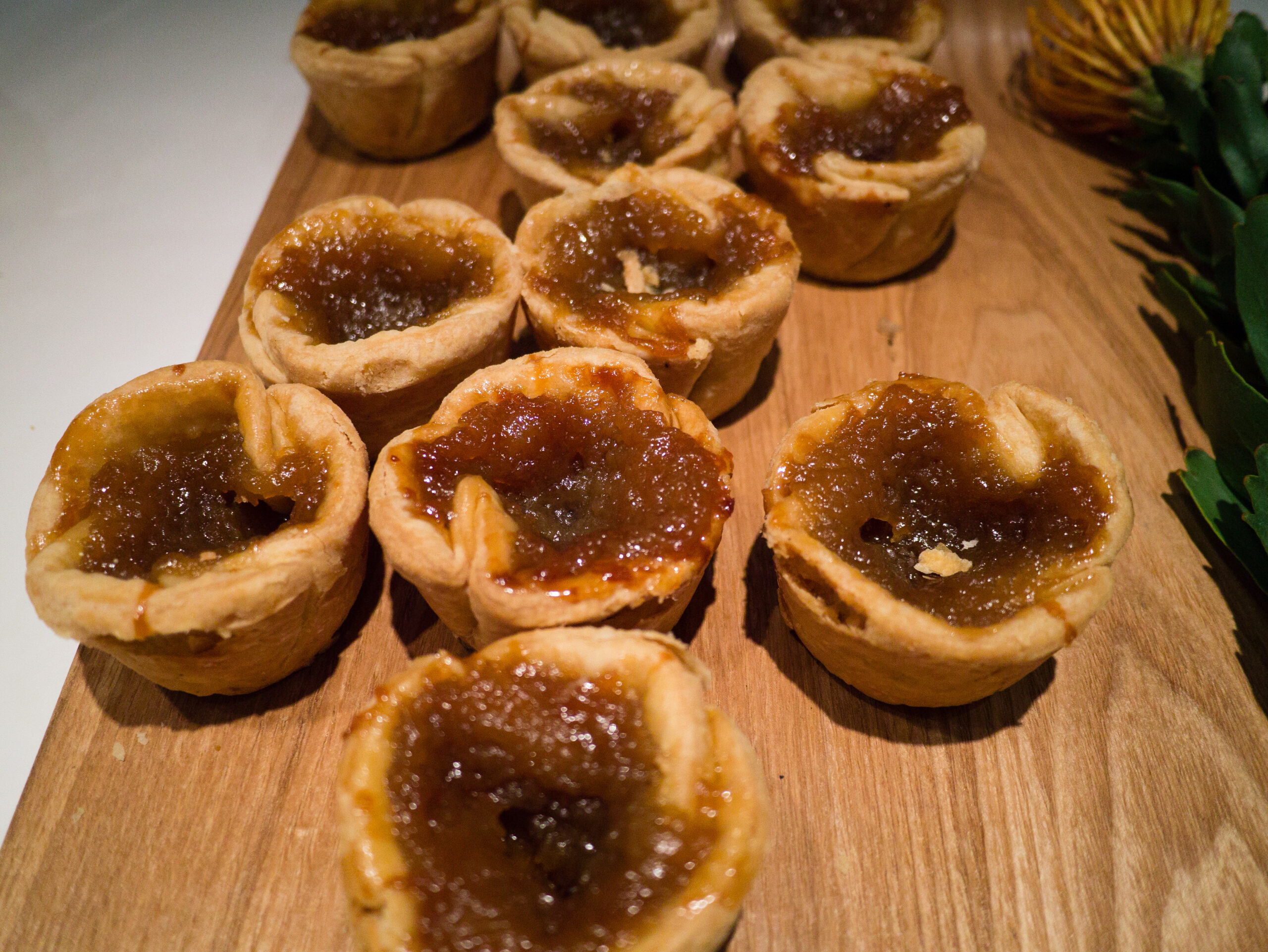
Sometimes the strongest opinion has nothing to do with raisins or nuts. It is about the centre. In butter tart culture, "runny" means the filling stays fluid and syrupy, while "firm" means it sets more like a soft custard.
That difference comes down to ingredient ratios and baking time. More egg and longer baking usually create a firmer centre. More syrup and a shorter bake leave the inside looser. Neither version is automatically more authentic, which is why arguments over the ideal texture never really end.
This texture divide matters because it changes the whole eating experience. A runny tart can feel richer and messier, while a firm tart travels better and slices more neatly. In contests and bakery cases, that one detail often decides who becomes a loyal customer.
The festival and competition tart
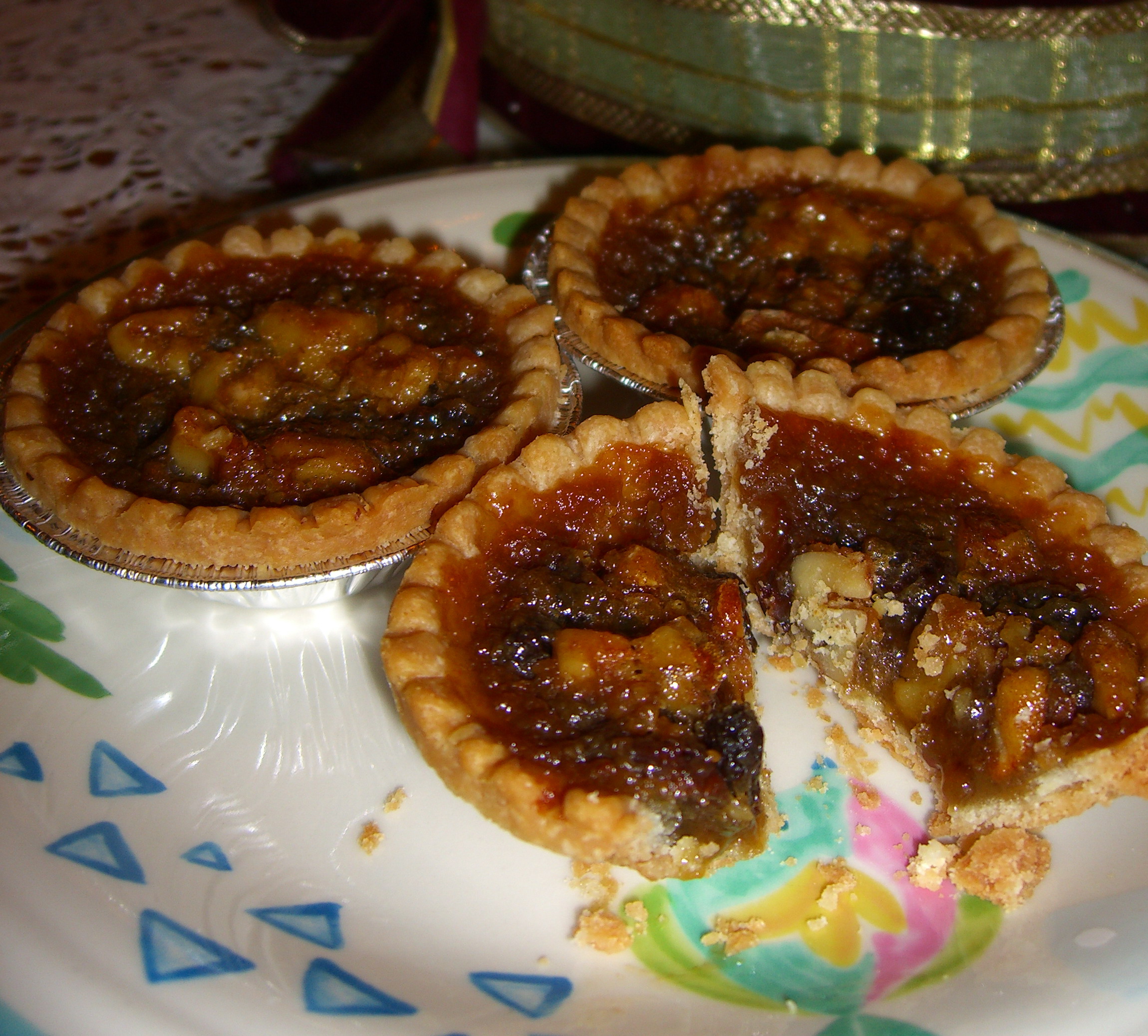
One reason butter tarts stay in the spotlight is that Canada has built events around them. Ontario's Best Butter Tart Festival in Midland has helped turn local preference into public competition, with bakers judged on pastry, filling and overall appeal.
Festivals do more than hand out prizes. They make visible just how many valid versions exist at once, from ultra-traditional recipes to modern spins loaded with bacon, maple or chocolate. That range keeps the dessert current while still rooting it in older home baking traditions.
Competitions also sharpen opinions. Once people compare several styles side by side, they often become more certain about what they think a butter tart should be. In that sense, the contest table captures the whole national argument in one very small dessert.
The homemade family recipe
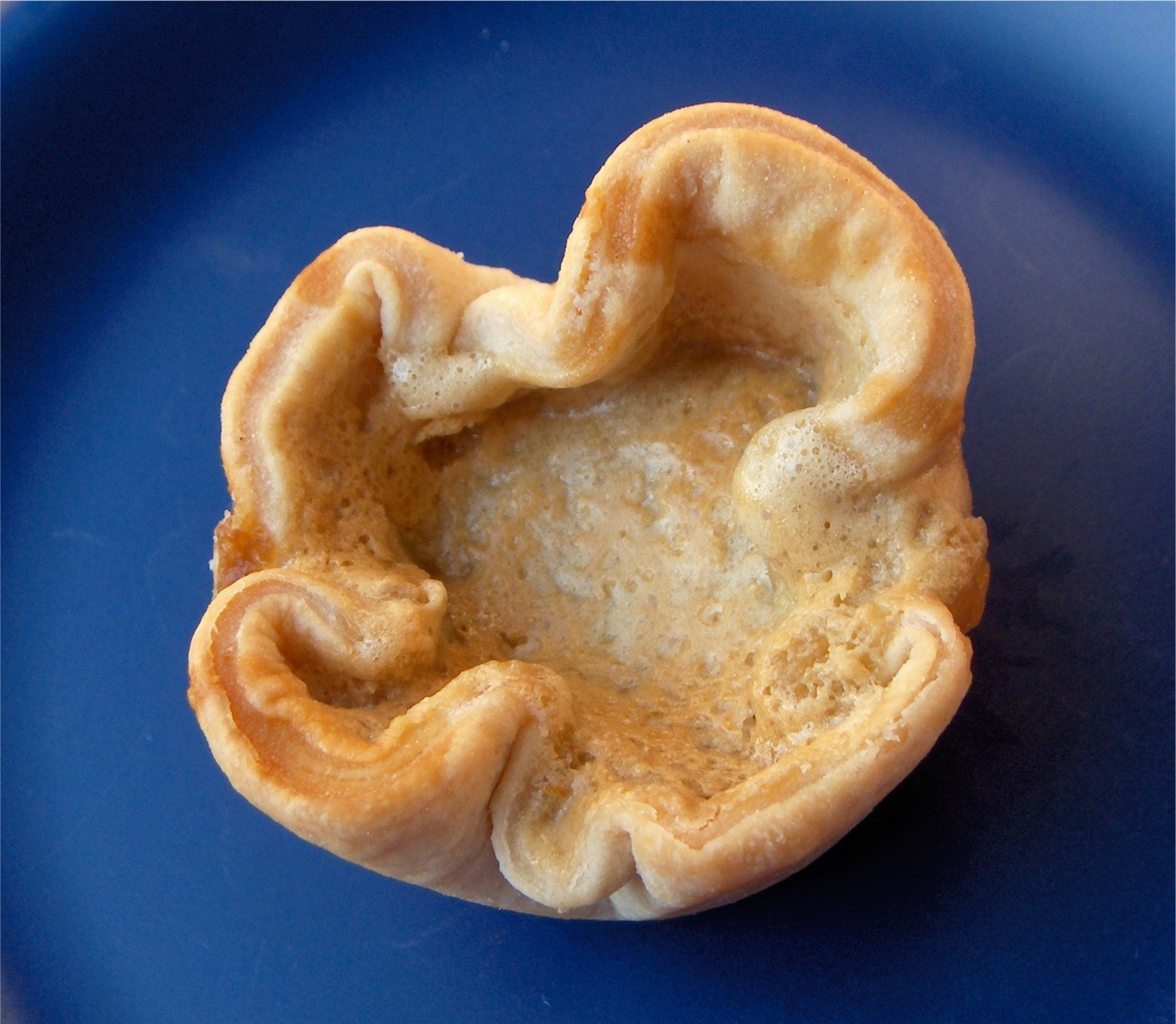
The version many Canadians defend most fiercely is the one they grew up with. Family recipes often vary in tiny but important ways, including the type of sugar, the use of corn syrup or maple syrup, and how thick the pastry is rolled.
Those choices can reflect region, era and budget as much as taste. A recipe passed down through generations may preserve older habits from Ontario farm kitchens, church bake sales or holiday trays. Even when two tarts look similar, the memory attached to them can make one seem unquestionably right.
That emotional pull may be the best explanation for the butter tart's staying power. It is not just a pastry. It is a piece of family identity, and that is why Canadians can disagree so strongly while still agreeing on one thing: the butter tart matters.

Leave a Reply